

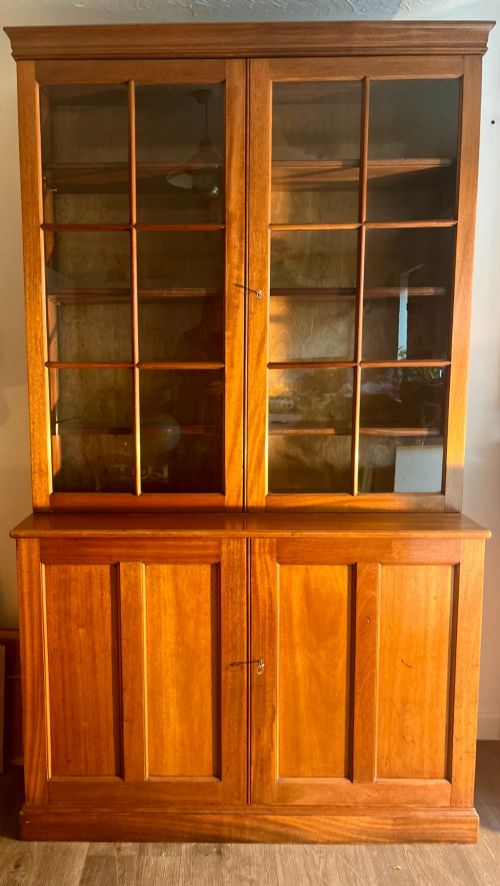

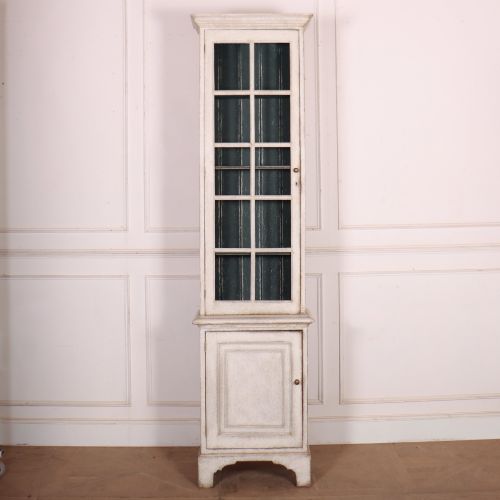
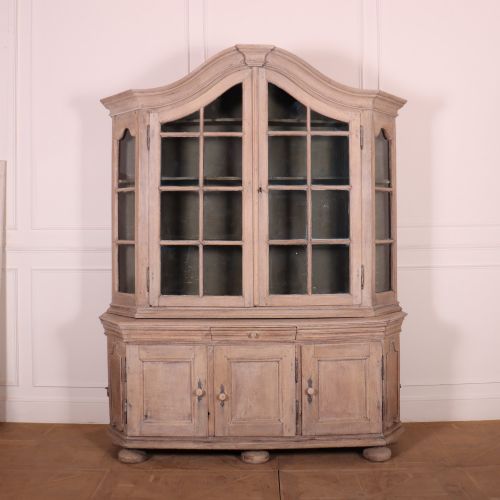
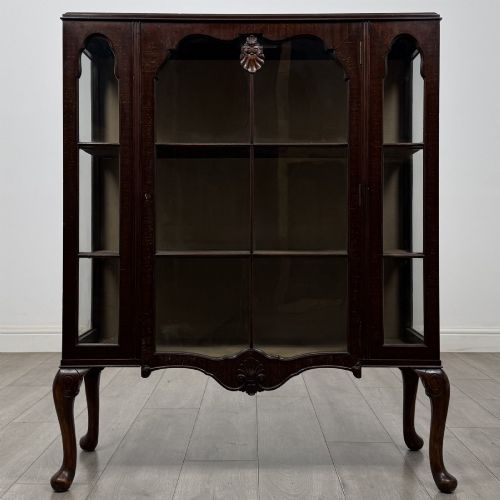
Antique Glass Cupboard
An antique glass cupboard holds treasured objects behind timber-framed panes, offering a domestic stage for porcelain, books, and silver.
Antique Glass Cupboard
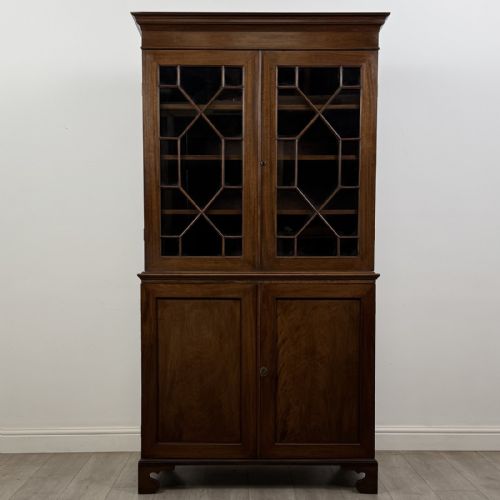
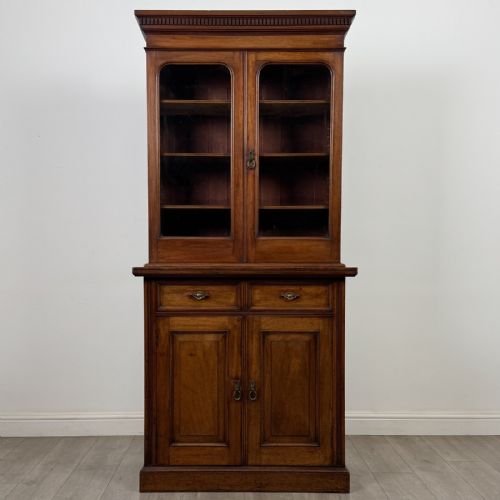
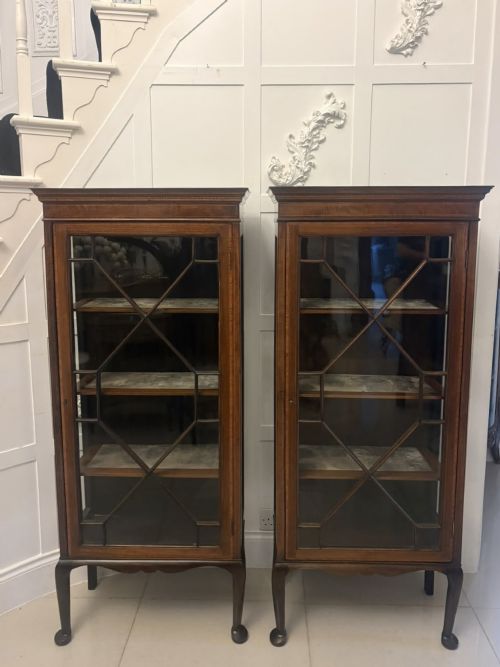
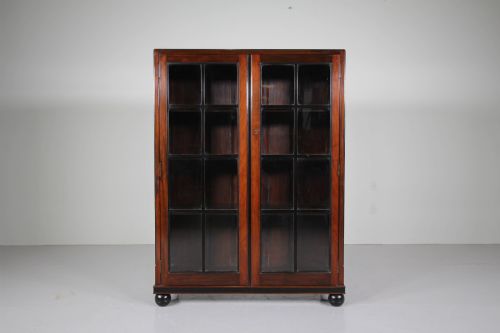
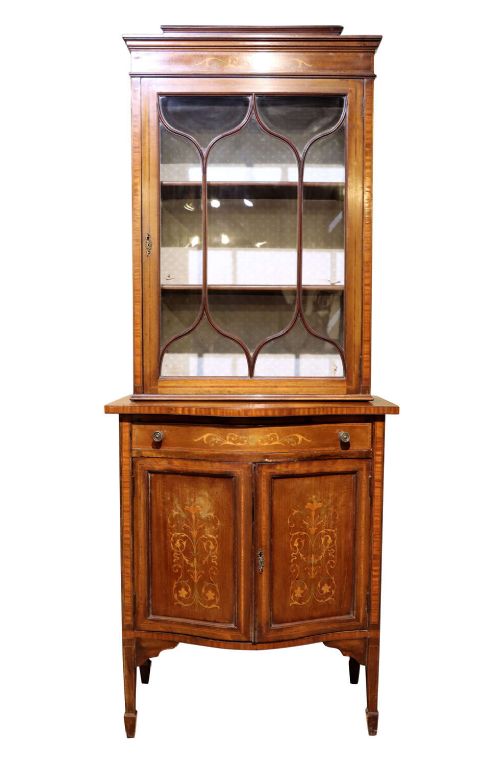
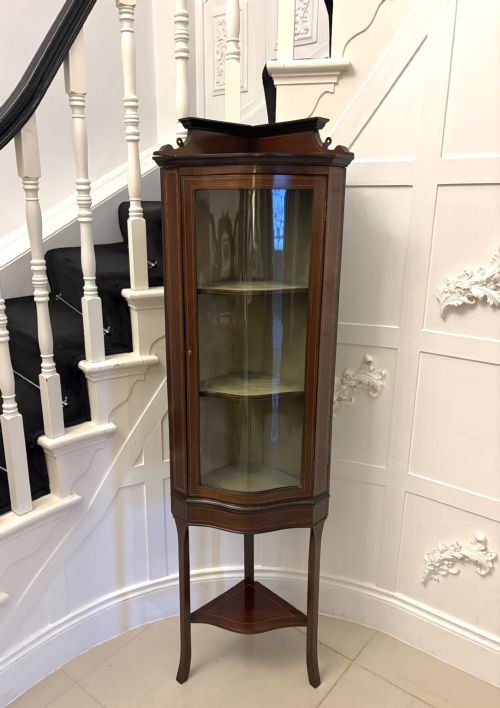
An antique glass cupboard encompasses upright display cabinets, glazed bookcases, pier cabinets, and corner units originating from Victorian, Edwardian, and nineteenth-century workshops. These domestic furnishings provide enclosed shelving where transparent doors protect collections while keeping them visible.
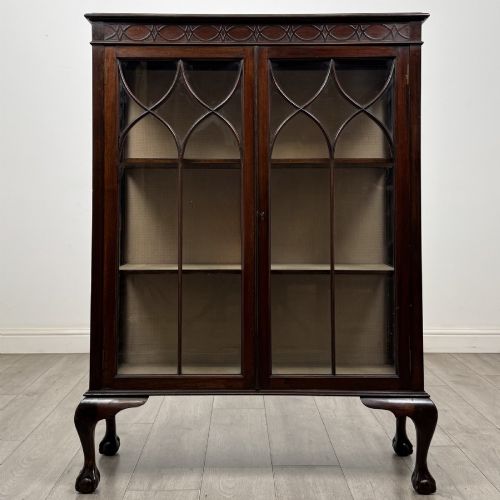
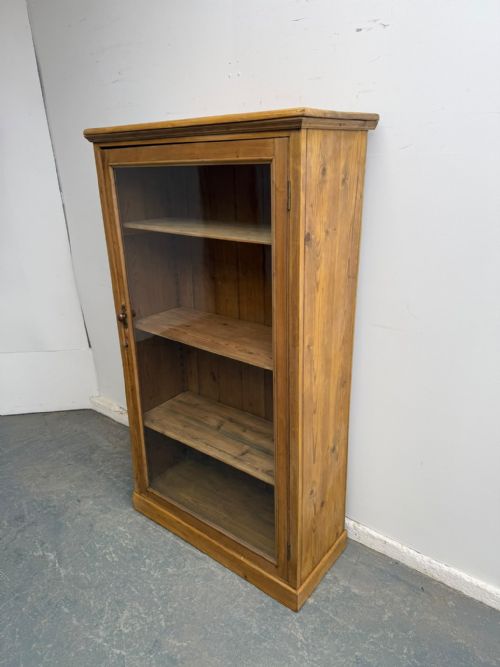
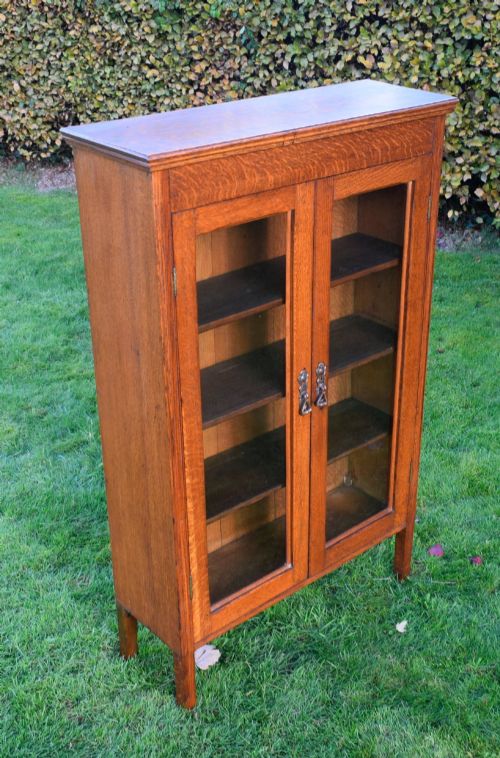
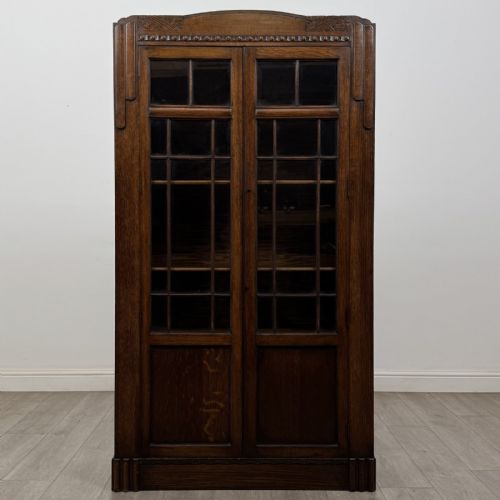
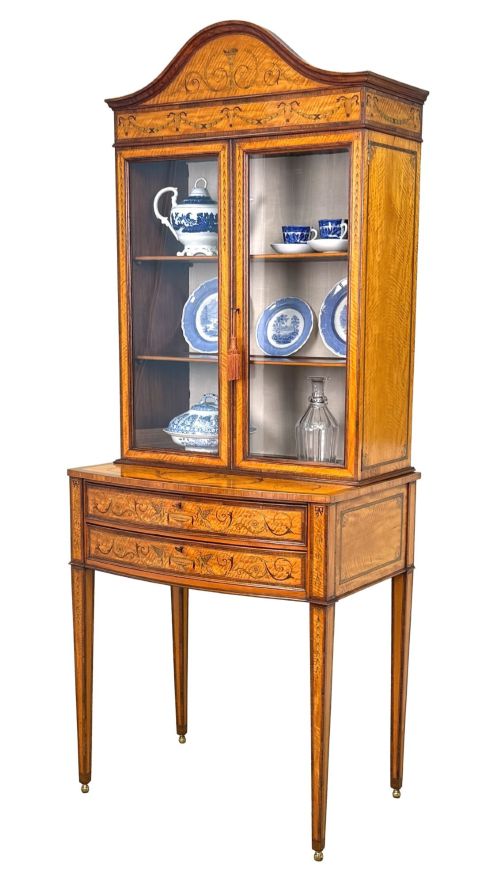
The pieces appearing on this page span several decades of design, ranging from straightforward provincial pine and oak kitchen dressers to formal inlaid mahogany and burr walnut vitrines. Edwardian satinwood examples and Victorian bookcase hybrids dominate the selections, alongside Arts and Crafts and Art Deco interpretations.
Buyers encounter distinct regional and continental influences, including Dutch marquetry cabinets, French walnut vitrines with porcelain plaques, and Scottish or Welsh kitchen cupboards. Format variations extend from slim corner cabinets to double-door display cases and dwarf oak cupboards designed for specific domestic interiors.
Materials and Construction
Cabinet makers constructed these pieces primarily using dense hardwoods like mahogany, oak, and walnut, frequently enhancing surfaces with satinwood banding, marquetry, and intricate inlay. Structural strength relied on traditional joinery housed within timber frames, supporting heavy glazed doors and internal shelving.
Glazing techniques utilised lead, brass mounts, and individual glass panes held by astragal bars or wooden framework, sometimes incorporating green glass or leaded geometric patterns. Secondary timbers such as pine appeared inside carcass backs and drawer linings, while exterior ornamentation combined brass hardware, carved oak motifs, or ormolu mounts.
Antique Glass Cupboard Retail Price Guide 2026
Typical asking prices for glass cupboard among the pieces listed under this phrase on Sellingantiques today, from the lower quarter to the upper quarter. They describe what is for sale here now, not the wider market.
Listings feature woods including mahogany, oak, walnut, satinwood, and pine, combined with glass, brass, lead, fabric, and ormolu mounts.
Craftsmanship and Detailing
Quality rests upon the selection of timber figures, where burr walnut, figured mahogany, and figured oak display deliberate grain matching across doors and panels. Superior pieces exhibit finer inlay work, crisper wood carving, and meticulous attention to internal drawer construction.
Hardware and secondary decorative elements distinguish workshop standards, separating standard production from exceptional commissions. Ormolu mounts, original painted decoration, and precise astragal glazing indicate higher levels of artisan effort during manufacture.
Jas Shoolbred·Edwards & Roberts
The Antique Glass Cupboard Glossary
- Vitrine
- A glass-fronted display cabinet specifically built to exhibit porcelain, curiosities, and decorative art objects. These freestanding pieces often feature glazed sides as well as doors.
- Astragal
- A small moulding profile used to divide glass panes within a door frame. Fine astragal bars create delicate geometric patterns across the front of a bookcase or display cabinet.
- Pier Cabinet
- A low, narrow cabinet designed to stand against the wall space between windows. They frequently incorporate glazed doors and inlaid marquetry decoration.
- Marquetry
- Decorative veneer applied in pictorial or geometric patterns using various coloured woods. Craftsmen cut contrasting timbers to form floral or scrollwork designs across cabinet doors.
- Linenfold
- A carved wood panel motif resembling folded cloth or parchment. This decorative technique appears frequently on oak panels from earlier revival styles.
Antique Glass Cupboard: Frequently Asked Questions
How do I clean the old glass?
Historic glass panes require gentle cleaning solutions and soft cloths to preserve the fragile surface texture and prevent scratching the historic material.
Avoid harsh chemical sprays that might damage adjacent timber frames or original painted decorations surrounding the glazing bars.
Can shelves be adjusted inside?
Many nineteenth-century and Edwardian cabinets feature fixed wooden shelving integral to the internal carcass construction for structural stability.
Later or more adaptable pieces occasionally incorporate rack-and-pinion or notched wooden supports allowing minor height alterations for books and display items.
Where should I place a glazed cabinet?
Position these timber furnishings away from direct sunlight and strong heat sources to prevent the wood from warping and veneers from drying out.
Ensure adequate floor clearance and level surfaces so heavy double-door frames hang true and latch properly without structural strain.
How do I identify Edwardian pieces?
Edwardian glazed cupboards often display lighter satinwood timbers, Sheraton Revival influence, and refined inlay work distinct from heavier Victorian mahogany proportions.
Construction details typically reveal machine-assisted precision alongside traditional hand joinery, reflecting the manufacturing standards around nineteen hundred.