
Edwardian Standing Vitrine
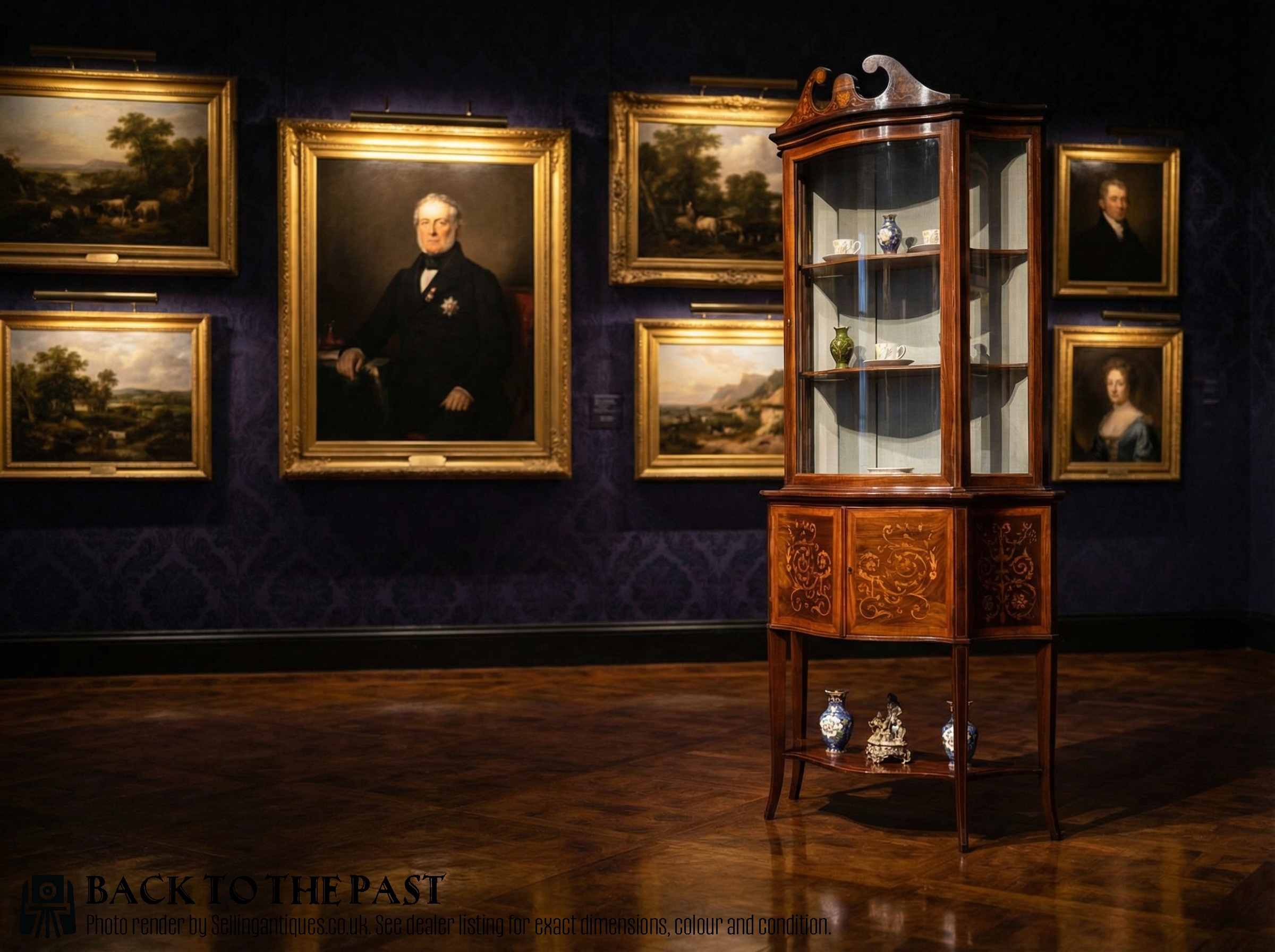
An edwardian standing vitrine holds precious collections behind glass panels, offering upright elegance and refined display for the home.
Edwardian Standing Vitrine
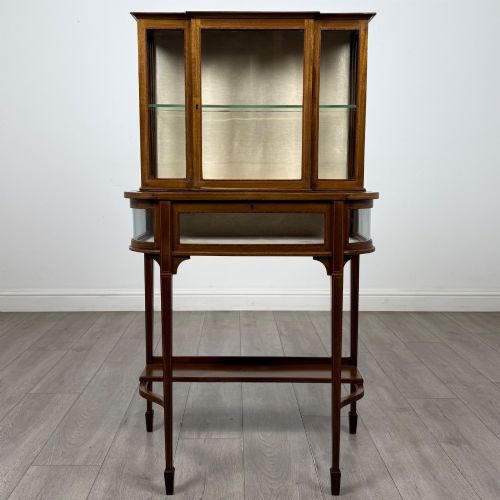
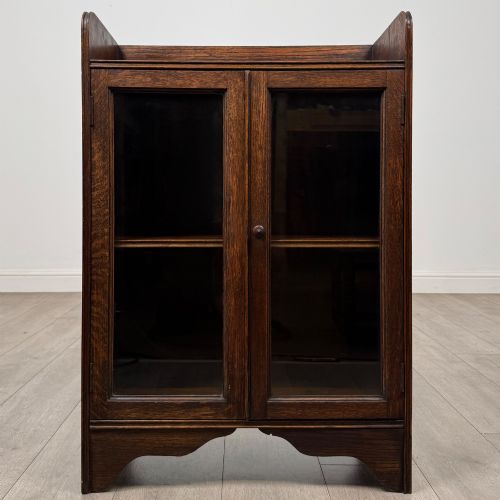
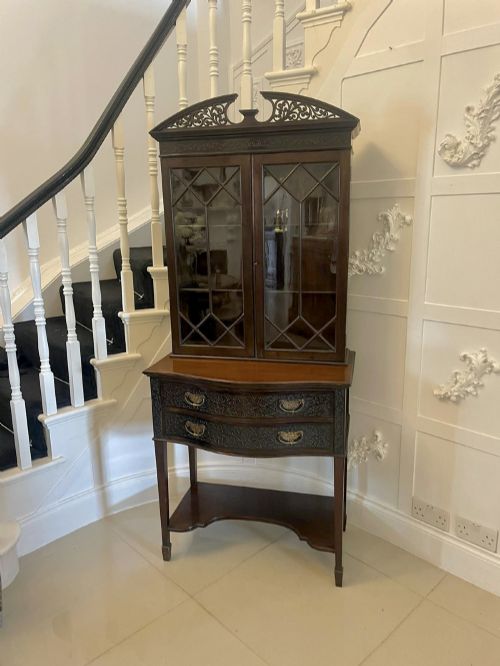
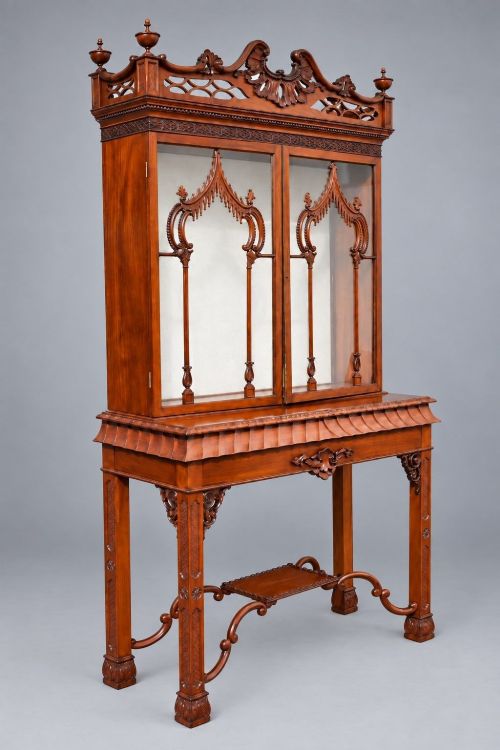
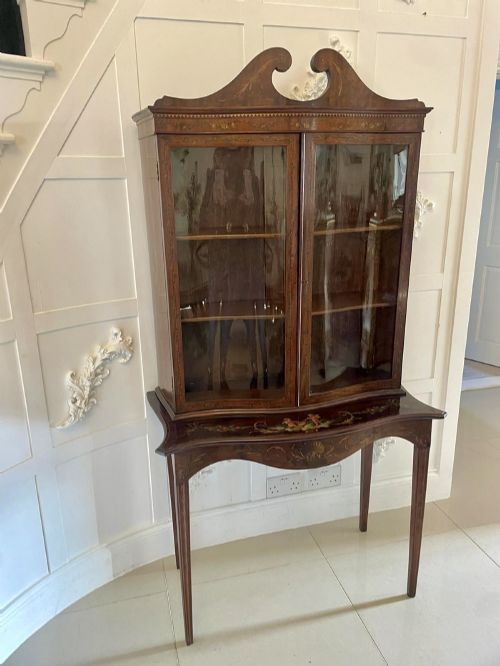
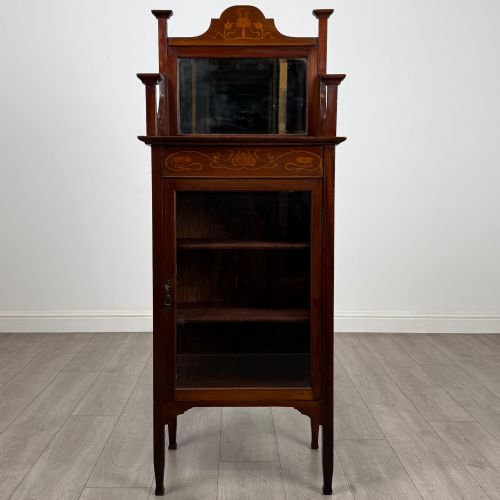
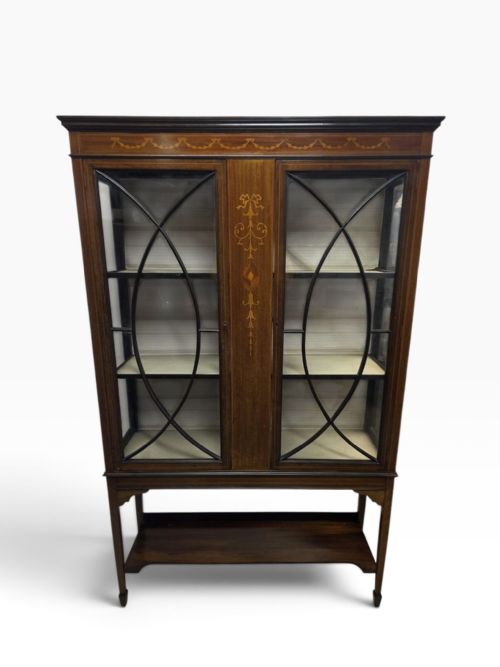
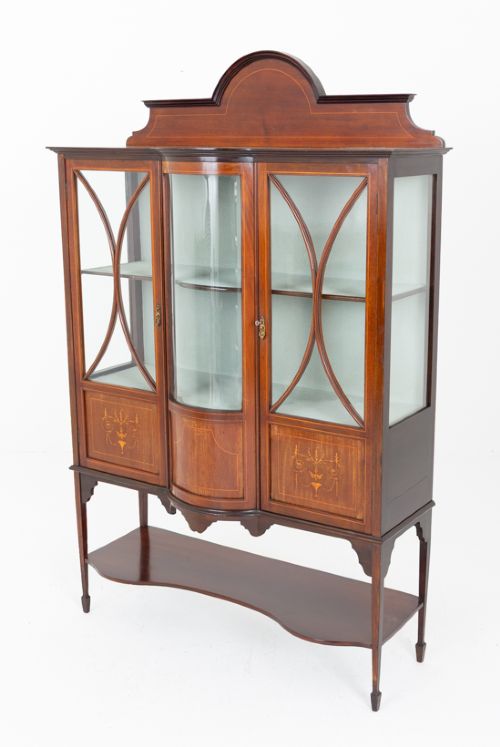
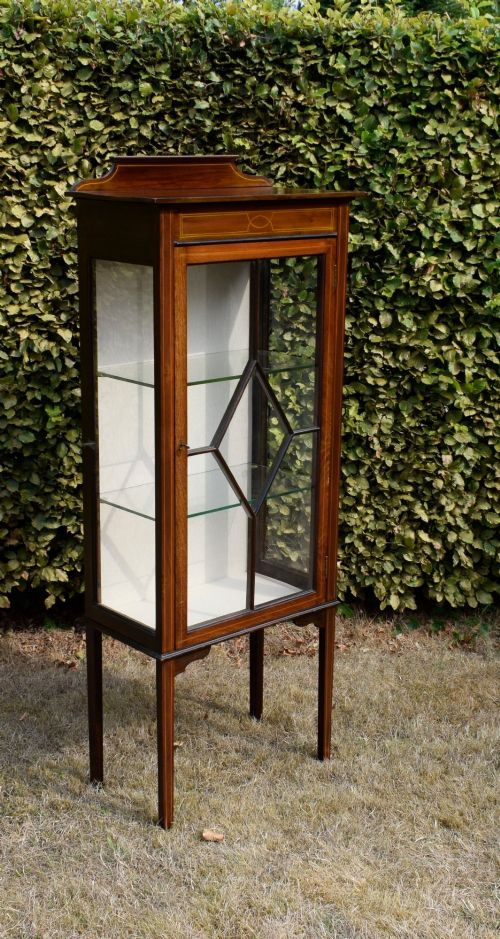
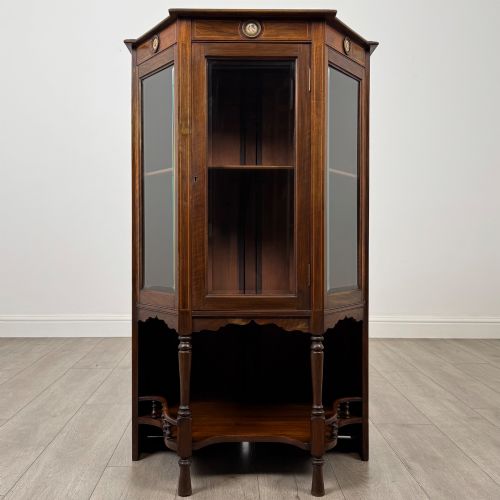
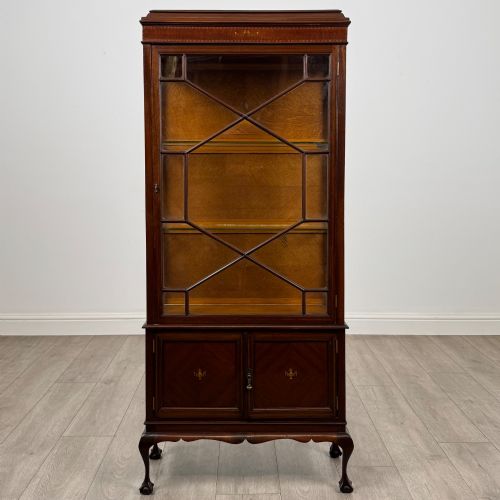
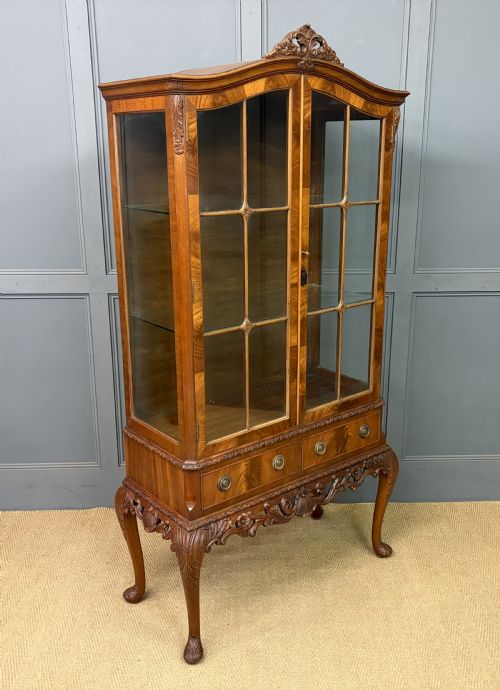
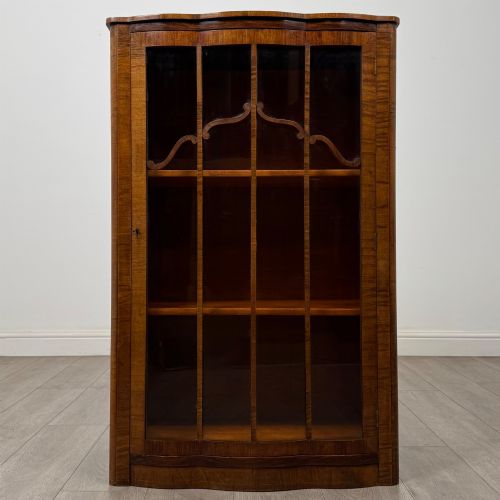
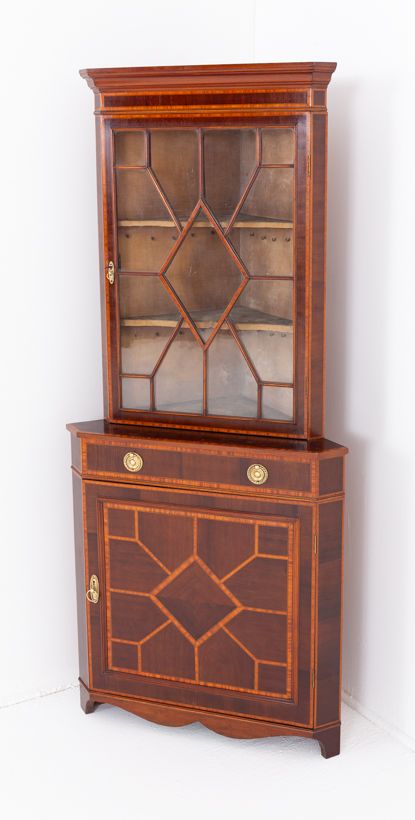
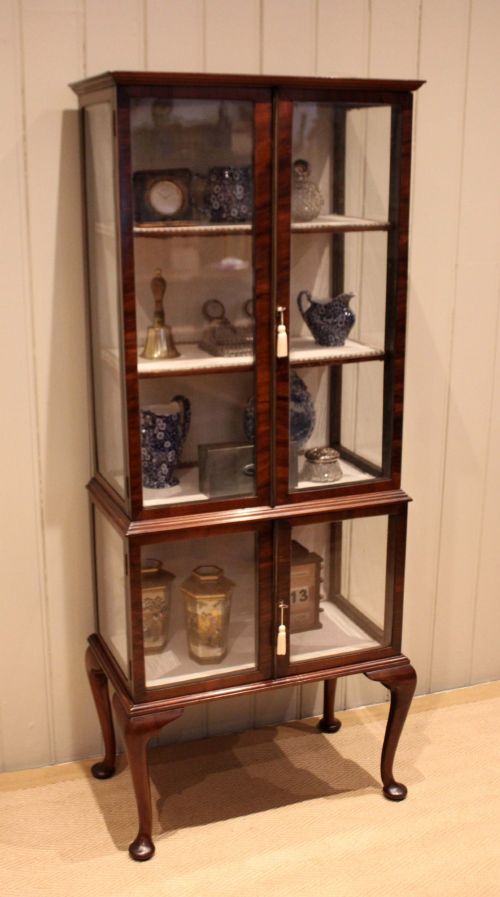
An edwardian standing vitrine is a tall, floor-standing display case primarily designed to showcase delicate collectibles, porcelain, and curiosities. The pieces on this page span the Edwardian period, Victorian era, and early twentieth century, taking forms such as upright display cabinets, corner cabinets, and pedestal cabinets.
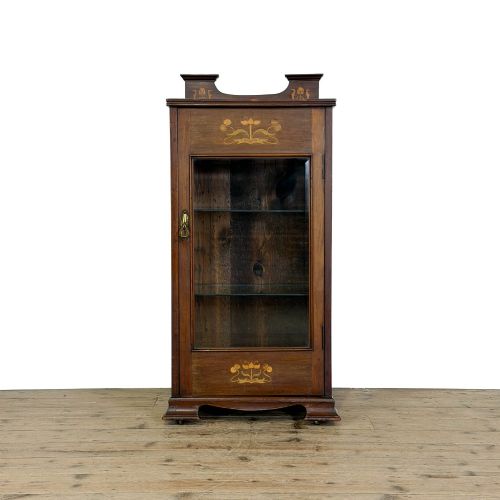
Most examples you encounter here are constructed from mahogany, often enhanced with satinwood inlay or Sheraton Revival styling. Alongside standard upright cabinets, the selection includes specialised variations like bijouterie cabinets and glass-sided Continental giltwood pieces.
The dominant aesthetic draws heavily on eighteenth-century revivals, particularly Sheraton Revival and Chinese Chippendale influences adapted for Edwardian drawing rooms. These cabinets combine functional glazing with decorative woodwork to create a commanding yet graceful vertical presence.
Materials and construction methods
Cabinet makers relied predominantly on mahogany and oak as structural timbers, frequently applying fine veneers of satinwood or figured walnut to the exterior surfaces. Inlay work, particularly satinwood banded lines and classical motifs, added geometric and floral ornamentation to plain mahogany carcases.
Glazing techniques involved securing glass panes within slender wooden frames to maximise light entry for the displayed objects inside. Brass fittings, original painted decoration, and fabric-lined interiors completed the construction of these refined display pieces.
Edwardian Standing Vitrine Retail Price Guide 2026
Typical asking prices for edwardian standing vitrine among the pieces listed under this phrase on Sellingantiques today, from the lower quarter to the upper quarter. They describe what is for sale here now, not the wider market.
Listings feature Edwardian, Victorian, and early twentieth-century periods alongside revival styles including Sheraton Revival, Queen Anne, and Chinese Chippendale.
Distinctions in quality and execution
The degree of refinement in cabinet making separates standard production pieces from exceptional works. Superior examples display meticulous attention to detail in their hand-cut inlay, balanced proportions, and the selection of highly figured timber veneers.
Quality reveals itself through the crispness of carved ornamentation, such as intricate glazing bars and decorative mouldings. Original hardware, intact fabric linings, and precise joinery further distinguish high-grade cabinets from simpler utilitarian storage.
Maple & Co.
The Edwardian Standing Vitrine Glossary
- Vitrine
- A glass-fronted display cabinet used for exhibiting fine porcelain, curiosities, or decorative objects. The term originates from the French word for glass.
- Bijouterie cabinet
- A shallow glass-topped or glass-sided display case specifically designed for jewellery, medals, and small precious items. These pieces often feature hinged lids or velvet-lined interior trays.
- Sheraton Revival
- A late nineteenth and early twentieth century design movement that reinterpreted the elegant, neoclassical furniture forms of George Sheraton. It is characterised by slender proportions, satinwood inlay, and painted classical motifs.
- Breakfront
- A cabinet design where the central section projects forward from the flanking sections. This architectural arrangement creates depth and visual interest across the front of the piece.
- Pedestal cabinet
- A tall, narrow freestanding piece of furniture supported on a single column, plinth, or footed base. They maximise display space while occupying a minimal floor footprint.
Edwardian Standing Vitrine: Frequently Asked Questions
What is an edwardian standing vitrine used for?
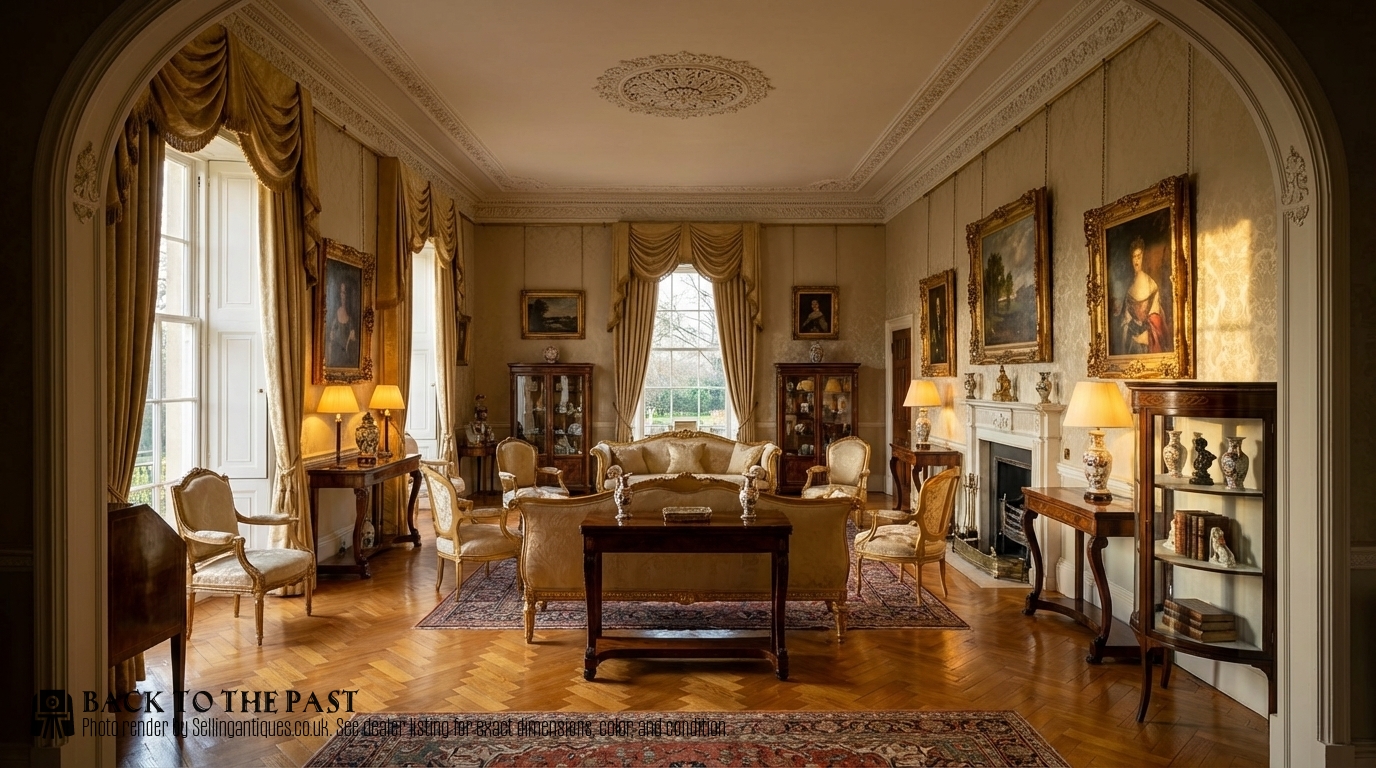
These tall cabinets were traditionally placed in formal reception rooms to display precious porcelain, glassware, and small ornamental collections. The glass panels and shelves kept dust away while allowing owners to exhibit their valued possessions to guests.
Today, they serve the exact same purpose in modern interiors. They provide a secure, dust-free enclosure to showcase contemporary collections or vintage items with high visibility.
How do I tell an Edwardian cabinet from a Victorian one?
Edwardian cabinets tend to feature lighter timbers, more restrained inlay work, and brighter finishes influenced by Sheraton Revival styles. Victorian pieces from the nineteenth century often display heavier proportions, darker mahogany, and more substantial carved ornamentation.
Examining the secondary woods, construction techniques, and interior linings can also help clarify the manufacturing era. However, stylistic crossovers remain common due to the continuous evolution of revival designs.
Where should I place a standing vitrine at home?
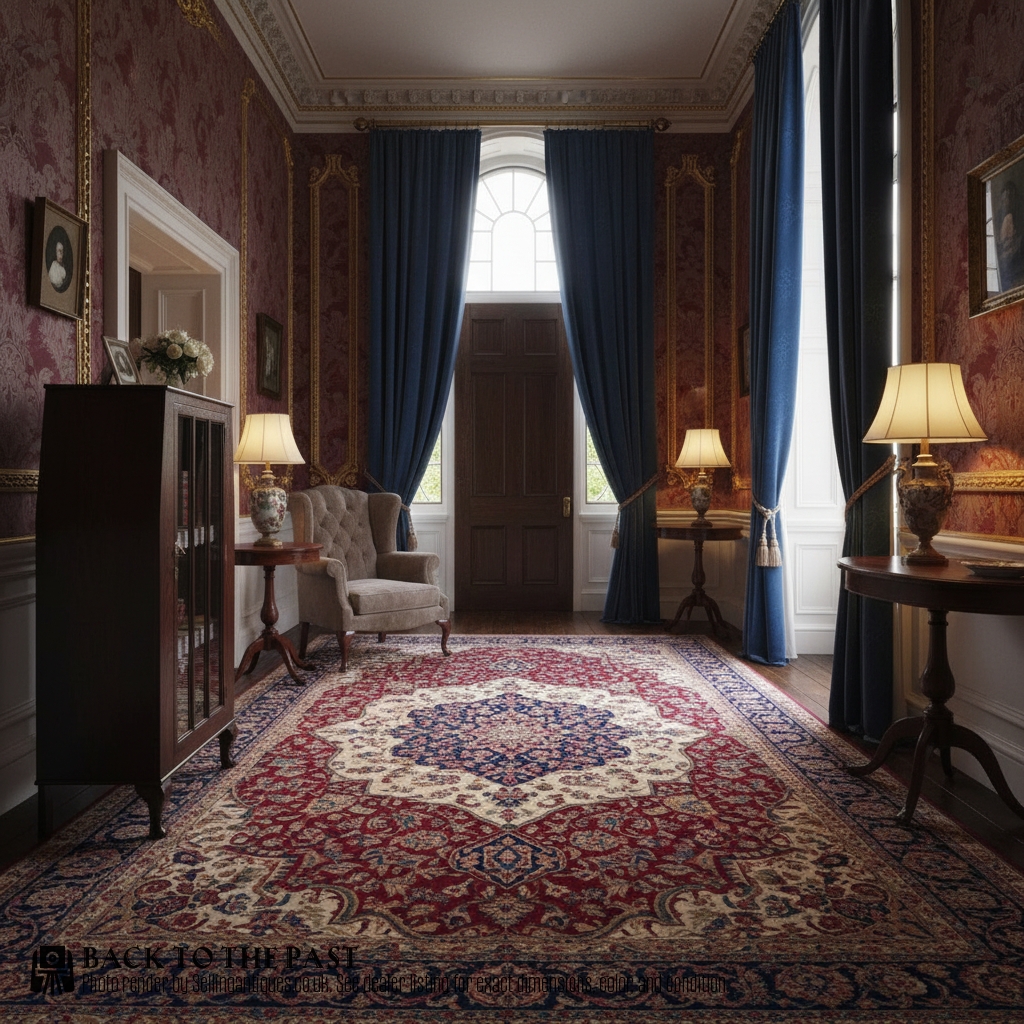
A standing vitrine requires a stable wall position away from direct sunlight to protect delicate contents and wooden finishes from fading. Corner cabinets suit smaller rooms by utilising neglected angles, while flat-backed upright models work well against primary living room walls.
Ensure the chosen location offers enough floor space for doors to open fully. Placing the cabinet near natural light sources helps illuminate the interior glass shelves effectively.