


Antique Glass Centrepiece Vase
An antique glass centrepiece vase commands a dining table with coloured crystal, blown trumpets, and gilt mounts.
Antique Glass Centrepiece Vase
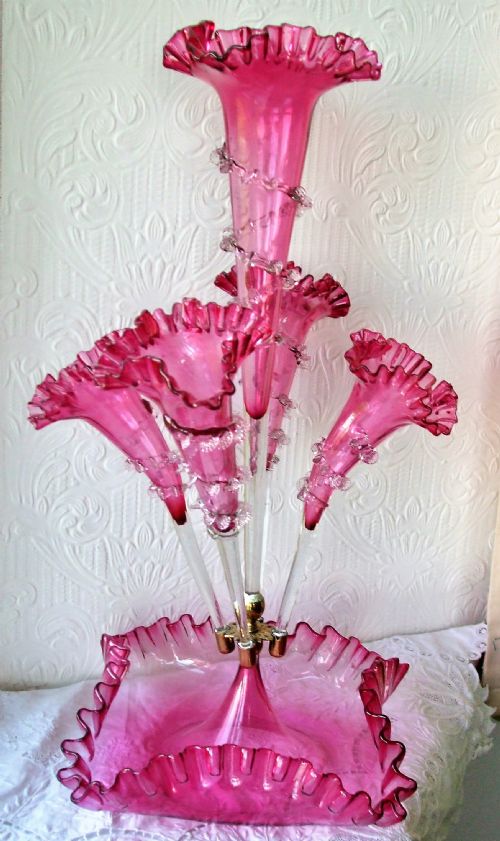
An antique glass centrepiece vase combines display vessels and table centrepieces into elaborate multi-trumpet epergnes, bowls, and lustres. These objects anchor dining tables or sideboards, designed to hold fruit, flowers, or simply to reflect candlelight through coloured glass.
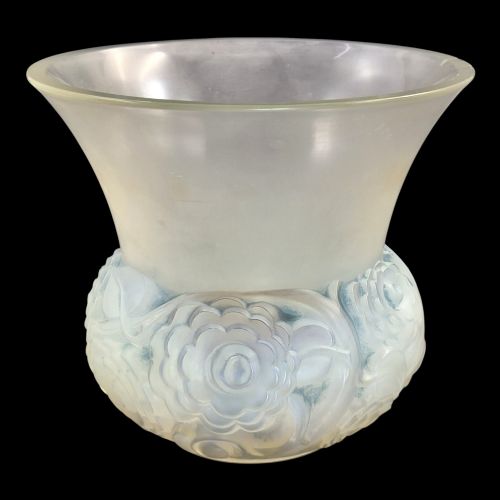
The pieces appearing here span the nineteenth century through the art deco years, taking in Victorian cranberry glass, edwardian pearlescent vessels, and french art nouveau designs. Epergnes with multiple trumpets and ruby glass lustres dominate the nineteenth century selections.
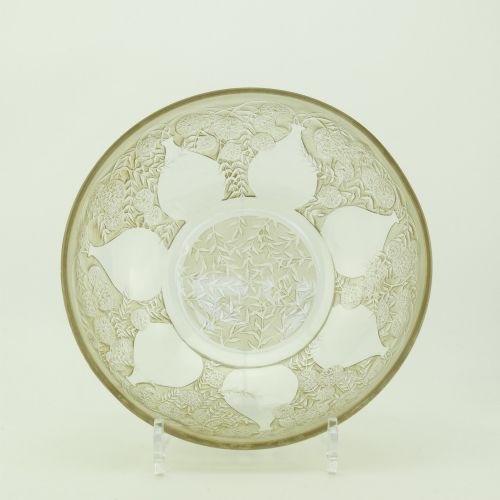
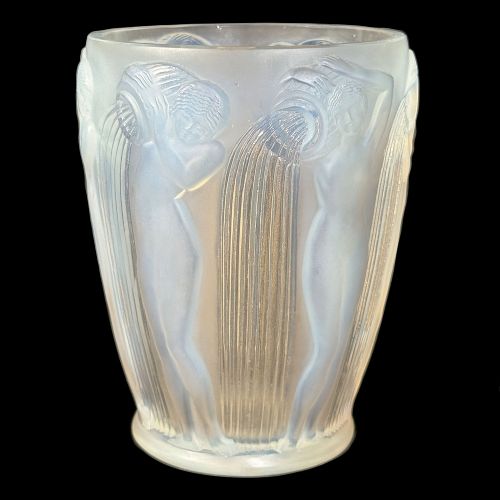
Later examples shift toward French opalescent bowls, iridescent favrile glass, and geometric art deco silhouettes. English makers such as Stuart and continental works by Loetz, Lalique, and Tiffany represent the upper tiers of these forms.
How they were made
Glassmakers shaped these pieces through free-blowing, mould-blowing, and cameo cutting, often combining uranium, cranberry, cobalt blue, or clear crystal. Molten metal received thermal treatments to produce iridescent, opalescent, or crackled finishes before cooling.
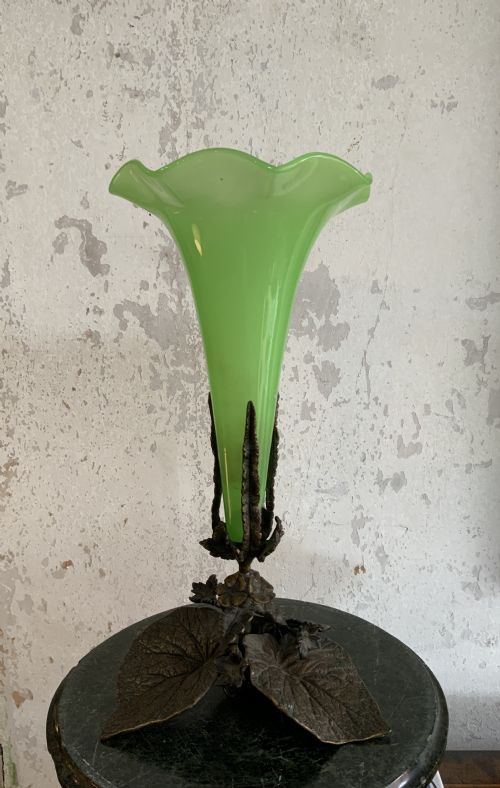
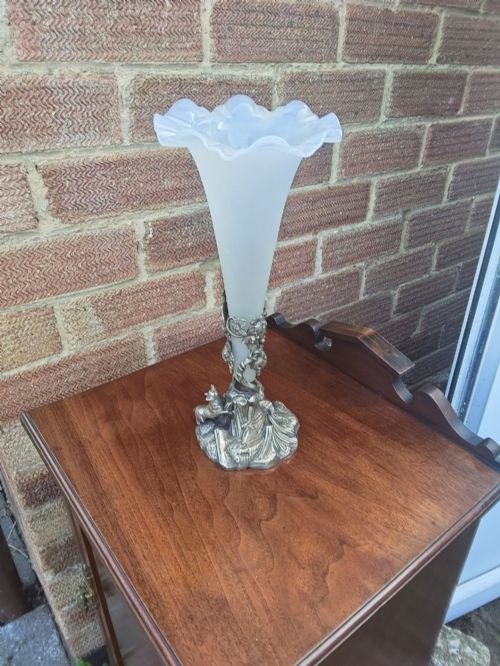
Metal mounts in brass, silver plate, gilt bronze, and white metal provide structural support for complex epergnes and bowls. Artisans attached cast bases, handles, and frames using threaded rods, pins, or secure collars around the glass.
Surface decoration involved hand-applied enamel, paste gilding, acid etching, and wheel engraving. Craftsmen painted floral motifs or geometric patterns directly onto the glass body before secondary firing.
Listings feature glass centrepiece items incorporating brass, silver plate, carved wood, and gilt bronze mounts from the nineteenth and early twentieth centuries.
What varies in quality
Quality rests upon the crispness of the glassblowing, the depth of the colour saturation, and the weight of the metal framework. Superior pieces display hand-finished details like finely polished pontil marks and deeply etched or enamelled motifs.
The integration between glass liners and metal mounts demonstrates workshop skill, where high-grade silver plate or gilt bronze complements clear or coloured crystal without awkward gaps. Master glasshouses achieved harmonious proportions between central bowls and subsidiary trumpets.
Rene Lalique·Loetz Witwe·St Louis glassworks·Walker And Hall·Stuart for Liberty·Josiah Williams And Co·LCT Tiffany
The Antique Glass Centrepiece Vase Glossary
- Epergne
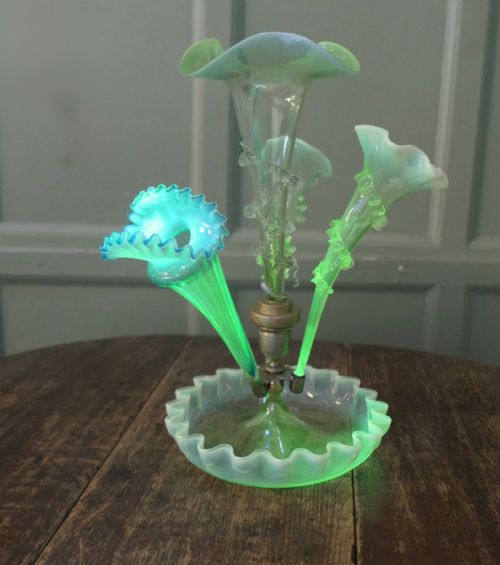
- A large table centrepiece featuring a central bowl or dish surrounded by multiple detachable trumpets or baskets for fruit and flowers. These multi-tier vessels dominated formal dining tables during the Victorian period.
- Lustre
- A glass vase or bowl hung with cut crystal prisms designed to catch and refract light. They frequently feature hand-painted enamel decoration over ruby or cranberry glass.
- Favrile
- An iridescent art glass developed by Louis Comfort Tiffany that displays a shimmering, peacock-feather metallic sheen across the surface. The technique involves exposing molten glass to metallic vapours.
- Phänomen
- An iridescent glass surface treatment created by Loetz Witwe featuring combed, wavy iridescent threads pulled across the hot body. This style defines much of the Austrian art nouveau output.
- Cranberry glass
- A rich pinkish-red glass produced by adding gold chloride to the molten batch. It appears frequently in Victorian tablewares and epergnes.
Antique Glass Centrepiece Vase: Frequently Asked Questions
How were epergnes used?
Victorian dining tables relied on epergnes as dominant centrepieces for displaying fruit, sweetmeats, or fresh flowers during formal meals. The detachable trumpets allowed hosts to arrange flora at varying heights above the table surface.
Servants placed these elaborate glass and metal structures in the exact middle of the table to serve as both conversation pieces and sources of reflected candlelight.
What is cranberry glass?
Cranberry glass achieves its distinct pinkish-red hue through the addition of refined gold to the molten glass batch during production. Victorian glasshouses utilised this vibrant material extensively for epergnes, lustres, and decorative table vessels.
The intensity of the colour varies depending on the gold concentration and the thickness of the blown glass wall.
How do I date an epergne?
Dating relies upon examining the manufacturing techniques of both the glass components and the metal frame or base. Nineteenth century pieces often feature polished pontil marks on hand-blown cranberry or vaseline glass set into heavy brass or silver plated mounts.
Later Edwardian and art deco examples introduce pearlescent finishes, opalescent moulded glass, and stylised geometric mounts characteristic of the early twentieth century.
What is a glass lustre?
A glass lustre is an ornamental vase or urn fitted with a matching removable bowl top and hung with cut crystal prisms. These prisms dangle from the rim to refract candlelight across nineteenth century drawing rooms.
Makers often decorated the bodies with hand-painted gilt foliage or enamel floral scenes over ruby, blue, or green glass.