
Victorian Silver Plated Centerpiece
When you search for a victorian silver plated centerpiece, you are looking at elaborate metalwork designed to anchor a formal dining table.
Victorian Silver Plated Centerpiece
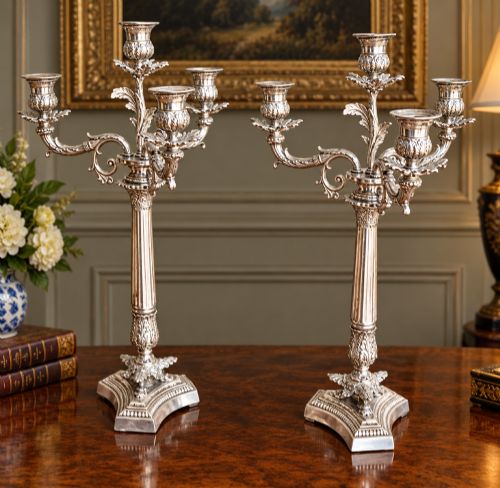
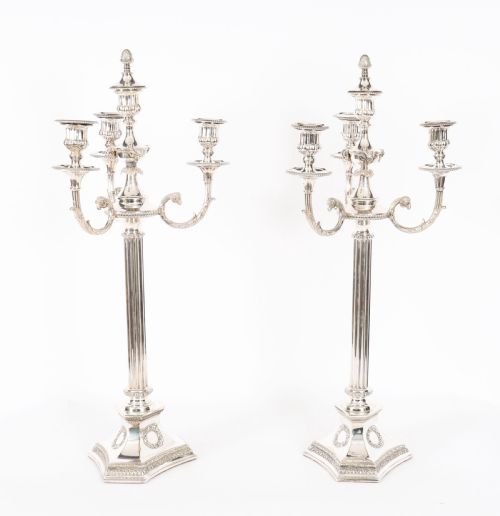
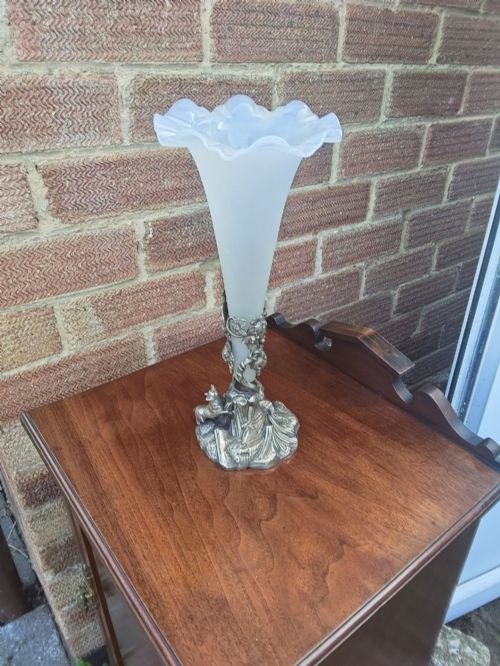
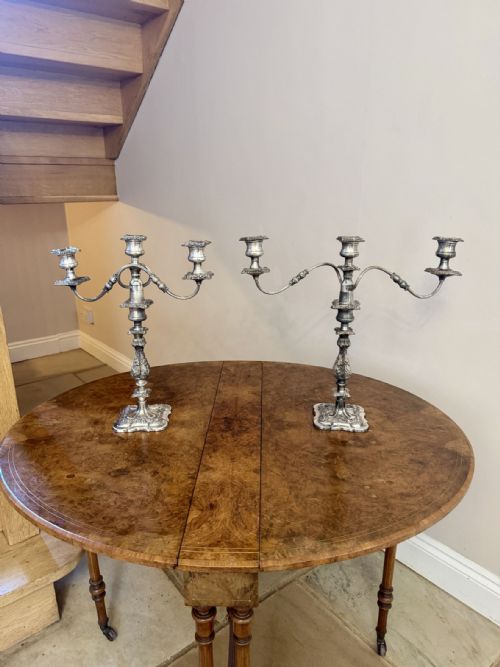
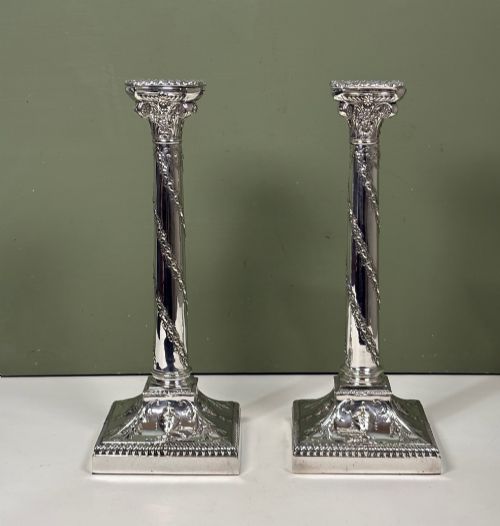
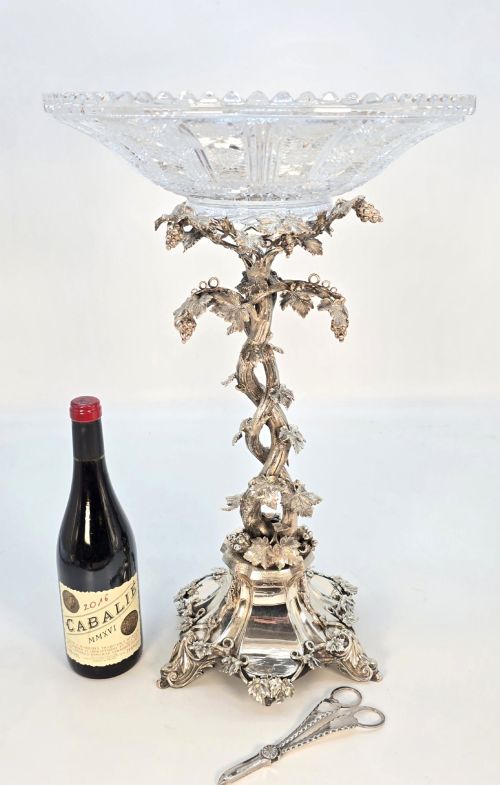
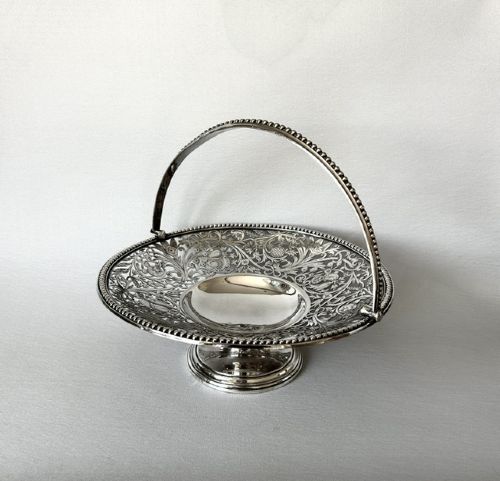
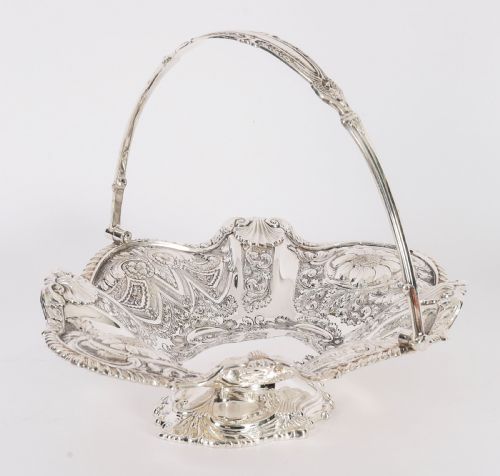
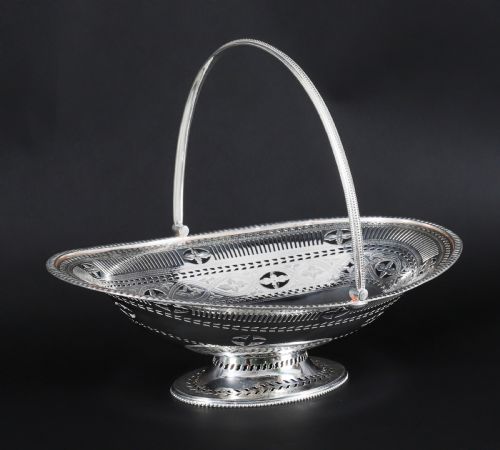
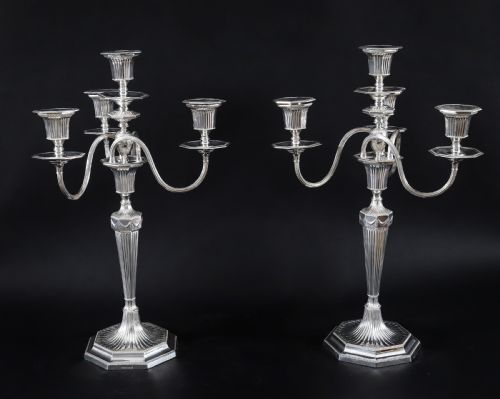
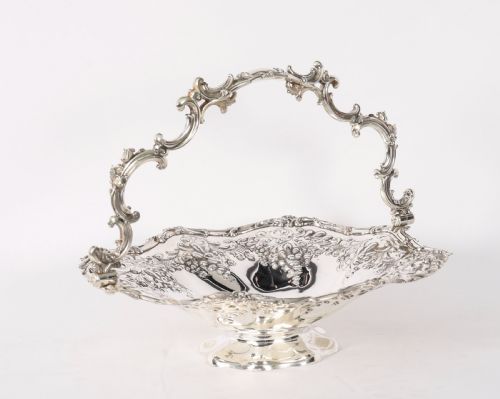
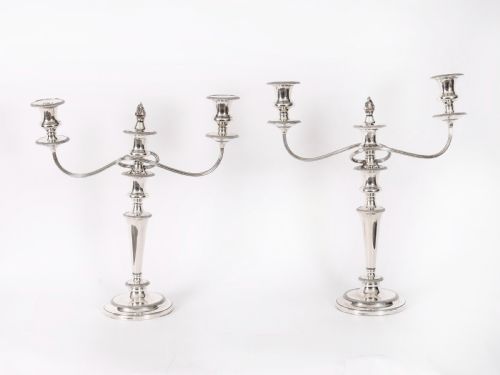
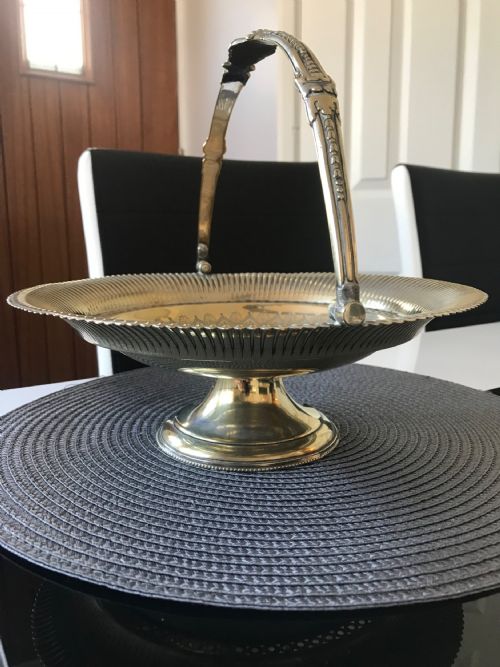
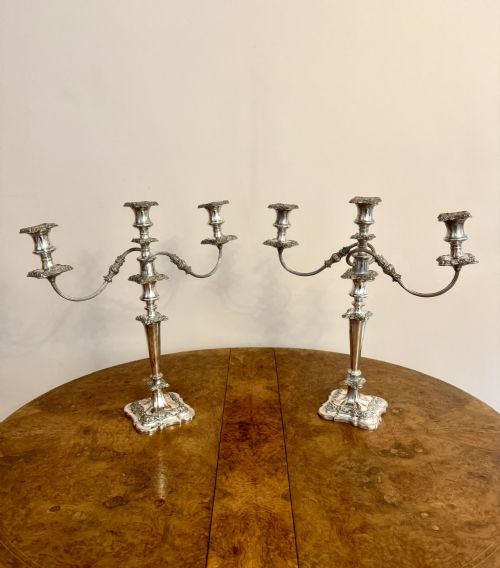
A victorian silver plated centerpiece spans several distinct forms designed for formal dining, including large table centrepieces, fruit baskets, candelabras, and epergnes fitted with coloured glass. These items date primarily from the mid to late nineteenth century, reaching into the Edwardian period with stylistic influences ranging from Neo-Classical and Rococo Revival to Art Nouveau and Victorian Naturalism.
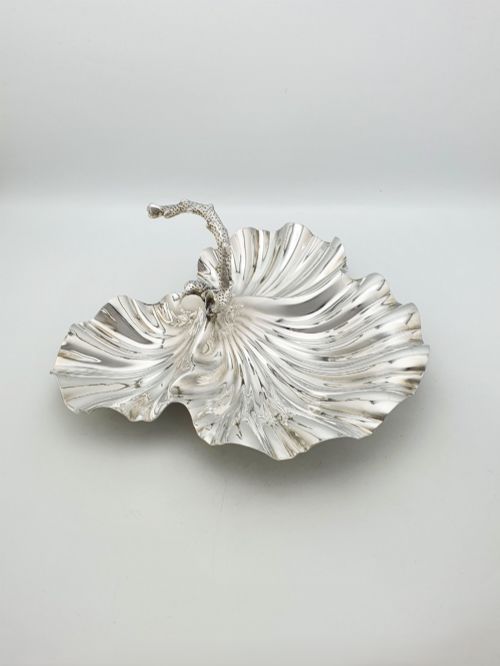
The objects frequently incorporate functional table vessels such as spoon warmers, biscuit barrels, cruet sets, and salad bowls alongside decorative dishes featuring shell motifs or floral engraving. Pieces span the decades from the 1850s through to 1920, reflecting changing dining fashions of the nineteenth and early twentieth centuries.
How They Were Made
Makers utilised silver plate, electroplated nickel silver, and base metals as a foundation, applying techniques such as heavy plating, gilding, and piercing to achieve ornate relief ornamentation. Many items combine metalwork with cut glass, etched glass, opaque glass, or vaseline glass insert bowls.
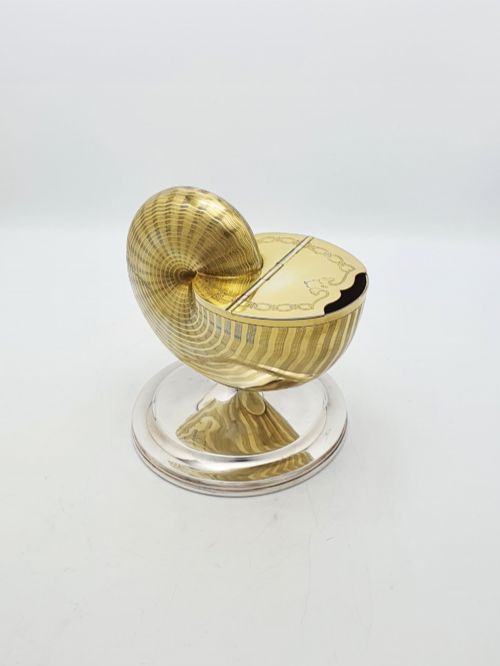
Workshops employed casting, repoussé, and engraving to produce elaborate handles, scrolling arms on candelabras, and naturalistic shell or coral motifs. Component parts like detachable sconces and fitted glass inserts demonstrate specialised manufacturing methods for dining table silver.
Listings feature items spanning the mid nineteenth century to the 1920s, utilising silver plate, cut glass, brass, and vaseline glass.
What Varies in Quality
The standard of design and finish depends on the depth of the casting, the crispness of the chased or engraved detail, and the retention of the original silver plating. Pieces displaying heavier gauge metalwork and intricate neoclassical or naturalistic ornamentation hold greater visual weight.
The integration of secondary materials such as hand-cut glass, vaseline glass, or hand-painted ceramic plates elevates the complexity of an individual item. Maker attribution also differentiates standard production items from workshop pieces executed with greater artisanal attention.
George W. Scott And Sons Ltd·Hawksworth Eyre·Garrard And Co·Walker And Hall·WMF·Thomas Bradbury
The Victorian Silver Plated Centerpiece Glossary
- Electroplated Nickel Silver
- A base metal alloy of copper, nickel, and zinc coated with a layer of silver via an electrolytic process. This method became widespread in the nineteenth century as an efficient alternative to solid silver.
- Épergne
- A large table centrepiece featuring a central tier with branching holders for small dishes, baskets, or glass trumpets. They were traditionally used for fruit, flowers, or sweetmeats during formal dining.
- Spoon Warmer
- A specialised Victorian tableware vessel shaped like a shell, nautilus, or urn, designed to hold hot water for warming silver spoons prior to serving soup or dessert.
- Candelabra
- A branched lighting fixture holding multiple candles, often designed in matched pairs or as part of a larger dining table garniture set.
- Vaseline Glass
- A type of glass coloured with uranium oxide that exhibits a distinct yellow-green fluorescence under ultraviolet light. It appears frequently in late Victorian and Edwardian tablewares.
Victorian Silver Plated Centerpiece: Frequently Asked Questions
What is a silver plated centerpiece used for?
These pieces served as the decorative focal point on formal nineteenth century dining tables. They held fruit, flowers, or sweetmeats to impress dinner guests.
Larger versions often incorporated candelabras or mirrored plateau bases to reflect candlelight across the room during extended banquets.
How do I clean an antique silver plated centerpiece?
Maintenance requires gentle cleaning with a soft cloth and a specialised silver polish formulated for plated items. Avoid abrasive pads or harsh chemical dips that strip the historic surface.
Glass components should be removed and washed separately in warm soapy water to protect the surrounding metalwork.
How can I tell the period of these pieces?
Stylistic cues such as heavy Neo-Classical symmetry, elaborate Rococo scrolls, or later Art Nouveau curves offer immediate clues to the date of manufacture. Maker marks stamped on the base help pin down the exact workshop and decade of production.
The presence of electroplate indicates a date from the mid-nineteenth century onward, as this chemical process superseded older manufacturing methods.
Are glass inserts original to these items?
Many surviving centerpieces retain their original cut, etched, or vaseline glass bowls and liners designed specifically for the metal frame. Matching contours and appropriate wear patterns indicate whether the glass belongs to the base.
Replacements do occur due to accidental breakage over the decades, though period-appropriate glass remains acceptable to collectors.