



Victorian Decor Centerpiece
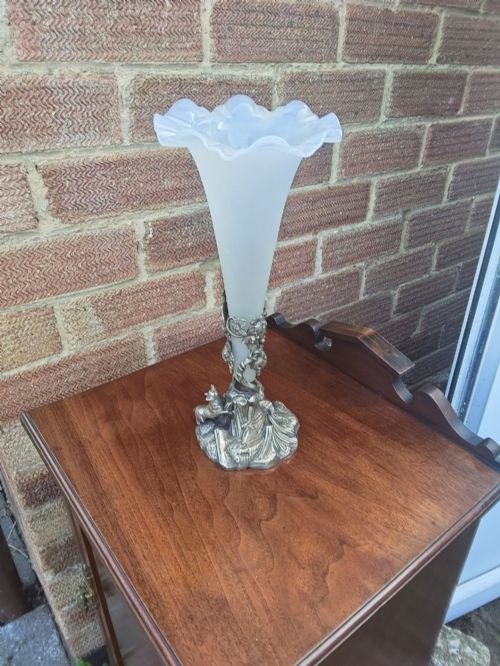
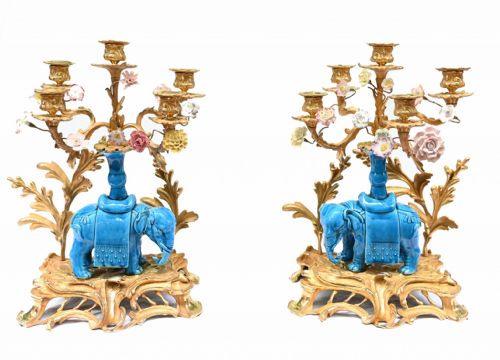
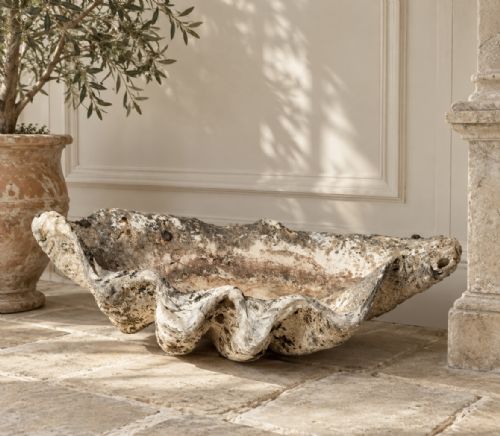
These Victorian decor centerpiece pieces bring nineteenth-century dining tables to life with elaborate silver, glass, and natural shells.
Victorian Decor Centerpiece
When you search for a victorian decor centerpiece, you find nineteenth-century table vessels, epergnes, and decorative bowls designed to anchor a formal dining setting. These objects range from sturdy brass urns and silver-plated cruet sets to elaborate porcelain dishes.
The most common examples on this page date from the Victorian era and the broader nineteenth century, utilising materials like sterling silver, silver plate, cut glass, and opaque glass. Makers combined traditional forms with natural history themes and novelty designs.
You will encounter pieces styled around naturalism, black forest carving, and cabinet of curiosities aesthetics. These decorative items served both ornamental and functional roles during formal meals.
How they were made
Silver and white metal components relied on casting, plating, and silversmithing techniques to shape sugar baskets, cruet sets, and epergnes. Manufacturers used sterling silver and electroplated nickel silver to achieve durable, gleaming surfaces.
Glass elements like opaque glass and cut glass were blown and moulded into vases, urns, and bowls. Ceramics such as Parian ware and porcelain underwent firing and glazing to create detailed animal and botanical sculptures.
Organic materials including natural shell and calcium carbonate were cleaned, mounted, and combined with metal frames. Wood carving defined pieces like the black forest centre piece items.
Victorian Decor Centerpiece Retail Price Guide 2026
Typical asking prices for victorian decor centerpiece among the pieces listed under this phrase on Sellingantiques today, from the lower quarter to the upper quarter. They describe what is for sale here now, not the wider market.
What varies in quality
The quality of a victorian decor centerpiece depends on the precision of the metalwork, the clarity of the glass, and the crispness of the moulded or carved details. Finer sterling silver pieces show sharp hallmarks and clean junctions.
Heavier casting and substantial gauge metal separate high-grade silver plate and brass items from lighter, simpler productions. Artisanal skill is evident in the realistic rendering of animal and plant motifs.
Elkington & Co·Royal Dux
The Victorian Decor Centerpiece Glossary
- Epergne
- A large table centrepiece featuring a central bowl with multiple branching holders for fruit, flowers, or sweetmeats. These ornate stands dominated formal Victorian dining tables.
- Parian Ware
- A fine-grained, unglazed porcelain resembling white marble, popular in the nineteenth century for figures and decorative vessels. It allowed manufacturers to capture high sculptural detail.
- EPNS
- Electroplated Nickel Silver, a process where a thin layer of silver is bonded to a base metal core. This technique became widespread during the Victorian period for tableware.
- Cruet Set
- A matched collection of glass bottles for condiments mounted in a decorative metal frame. They sat at the centre of the table for easy access during meals.
- Nautilus Ammonite Shell
- A cephalopod shell utilised in Victorian novelty table decorations and mounted in metal frames. These natural specimens reflected the period fascination with natural history.
Victorian Decor Centerpiece: Frequently Asked Questions
What is a victorian decor centerpiece used for?
These pieces served as the visual anchor of a formal nineteenth-century dining table, holding fruit, flowers, or condiments during meals.
They functioned primarily as decorative focal points that displayed the host's taste and wealth to assembled guests.
How do I clean silver plated items?
Silver plate requires gentle cleaning with a soft cloth and a specialised silver polish to remove tarnish without damaging the underlying metal.
Avoid harsh abrasives and soaking pieces in chemical dips, as these methods can strip the thin plating entirely.
What materials are common in these centerpieces?
Listings feature a mix of sterling silver, silver plate, white metal, brass, cut glass, and opaque glass.
Organic elements like natural shell and calcium carbonate also appear alongside ceramic Parian ware and carved wood.
How can I tell a Victorian piece apart?
Victorian items often display characteristic revival styles, naturalism, or novelty animal themes reflecting nineteenth-century design trends.
Examining maker marks, hallmarks, and manufacturing techniques helps confirm the period of production.