



Large Glass Vessel
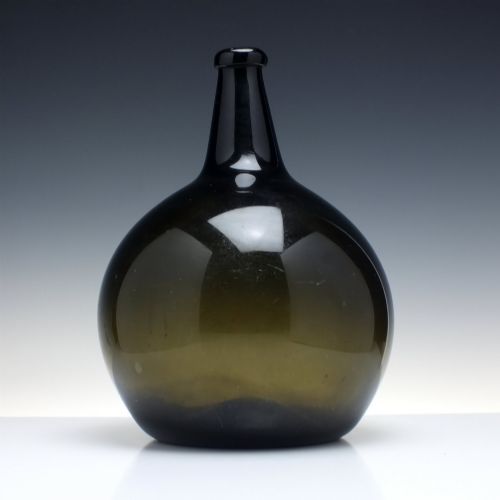
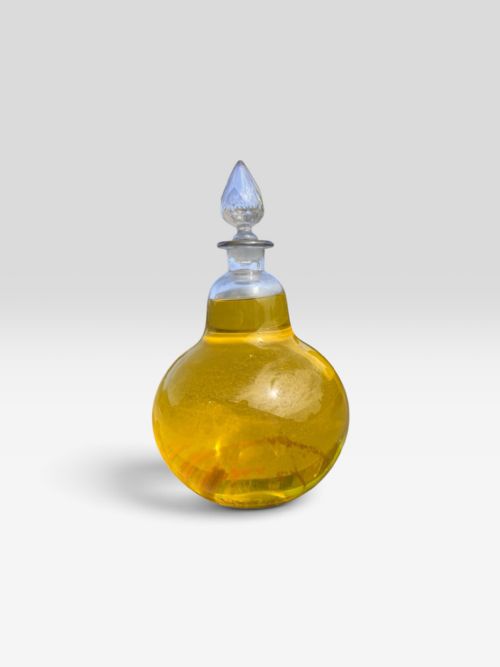
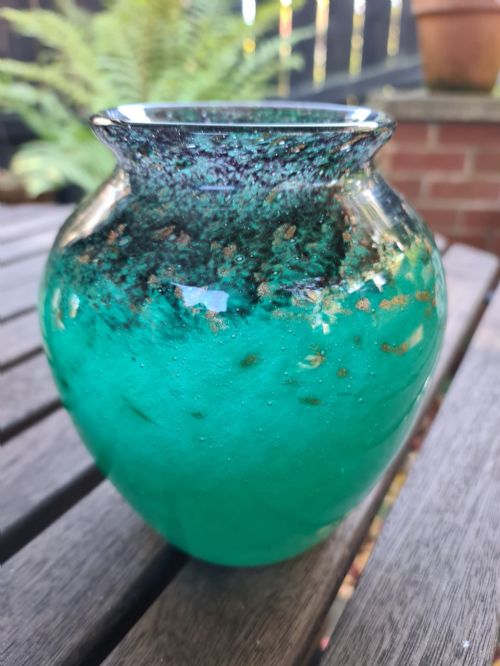
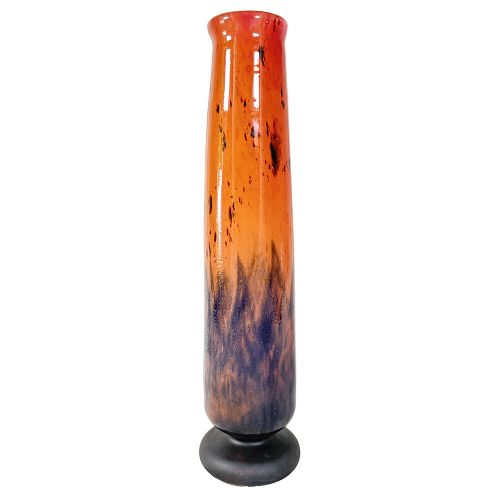
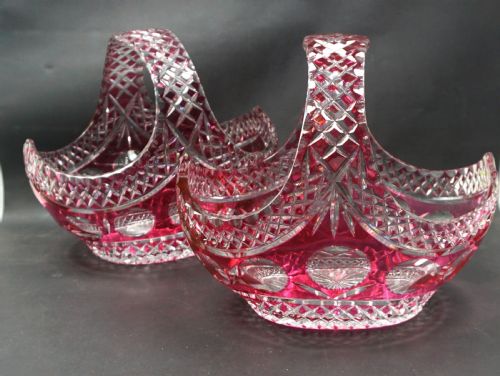
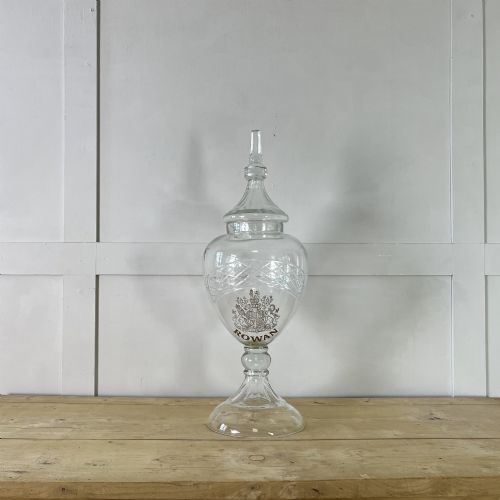
A large antique glass vessel brings weight and historic character to a room, ranging from utilitarian pharmacy carboys to decorative vases.
Large Glass Vessel
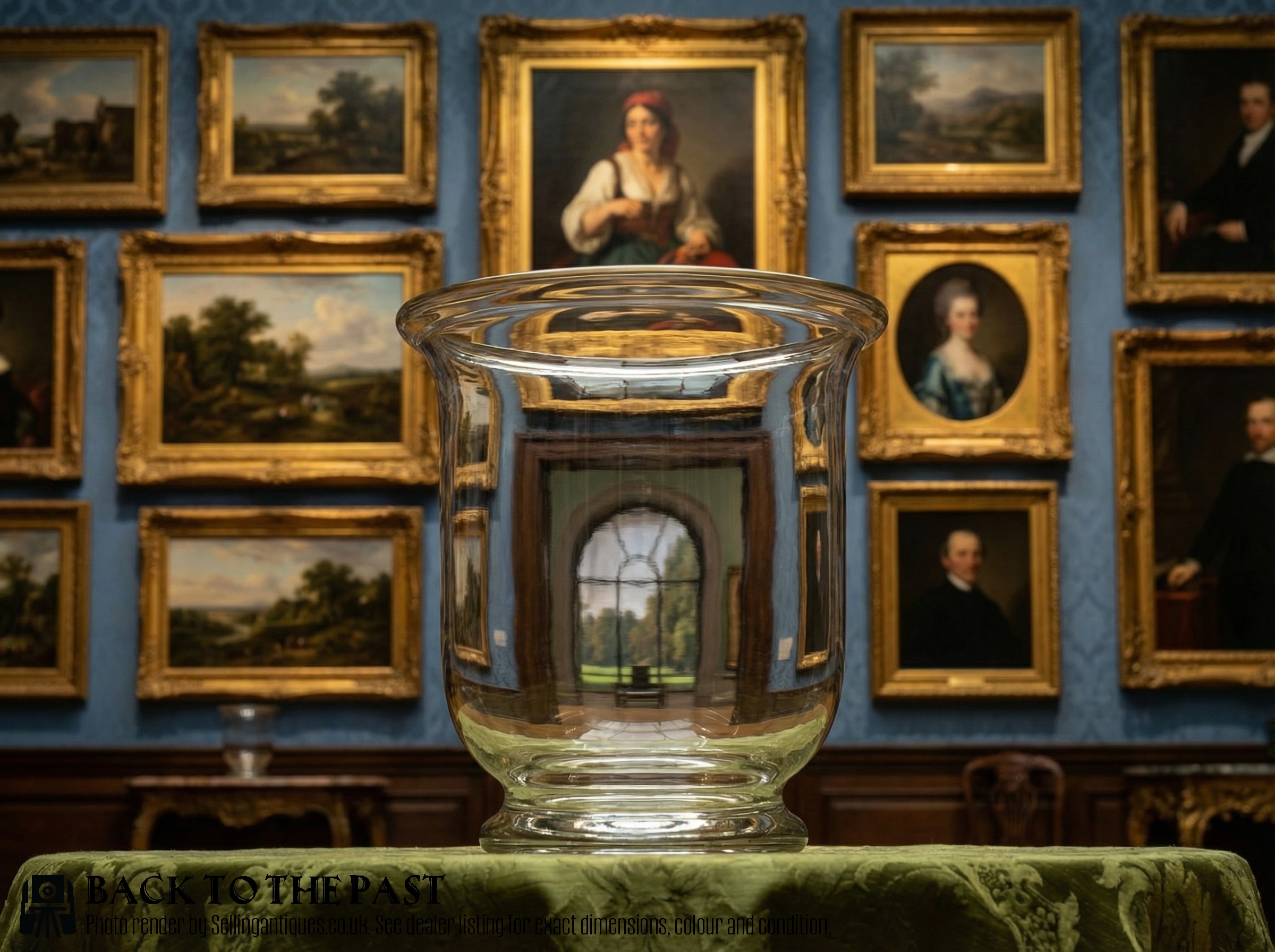
When you search for a large antique glass vessel, you encounter substantial objects made across several centuries, including the Georgian, Victorian, and Edwardian eras. These pieces serve practical and decorative functions, spanning domestic tableware and industrial or apothecary storage.
The selections on this page feature diverse forms such as apothecary carboys, pharmacy jars, wine bottles, decanted bowls, and ornamental vases. You are equally likely to find tall display carboys set in iron baskets and heavy cut-glass table rummers or mixing bowls.
Origins stretch from British workshops in Scotland and England to continental centres in France, Belgium, and Bohemia. Makers range from renowned design houses to anonymous glasshouses producing heavy utilitarian wares.
How they were made
Makers utilised traditional techniques such as free-blowing, optical-blowing, and moulding to shape molten material into robust walls. Heavy lead crystal and plain glass were frequently finished with deep wheel-cutting, engraving, or faceting.
Surface decoration involved diverse artisanal methods including acid-etching, cameo carving, enamel painting, and the application of gold leaf or silver overlay. Pieces like iridescent Favrile or Loetz glassware gained their distinct sheens through metallic vapour treatments during cooling.
The listings on this page span the eighteenth, nineteenth, and early twentieth centuries, featuring materials from simple blown glass to layered cameo and lead crystal.
What varies in quality
The calibre of a large antique glass vessel depends on the clarity of the metal, the precision of the cut facets, and the complexity of any applied ornamentation. Superior examples display crisp engraving, balanced proportions, and minimal internal impurities or manufacturing bubbles.
Artistic attribution also dictates standing, with documented works by established glassmakers commanding greater interest than standard utilitarian storage jars. The integration of secondary materials, such as pewter mounts, silver swing handles, or original iron baskets, adds distinct refinement to the finished form.
Daum·Val St Lambert·Loetz·Graystan·Mary Gregory·James Powell·Legras·Emile Galle·Ferdinand von Poschinger·LCT Tiffany
The Large Glass Vessel Glossary
- Carboy
- A large bulbous glass bottle or jar, often housed in a protective basket, historically used for storing liquids or chemicals in pharmacies.
- Rummer
- A large, heavy drinking glass with a short stem and a capacious bowl, popular in Georgian and Victorian times for serving wine or punch.
- Cameo glass
- A method of manufacturing luxury glassware by fusing layers of different colours and carving the outer layer to create a raised design.
- Favrile
- A type of iridescent art glass developed and patented by Louis Comfort Tiffany, known for its distinctive metallic sheen and organic forms.
- Lead crystal
- Glass containing lead oxide, which increases the weight, clarity, and brilliance of the material while making it softer for deep cutting.
Large Glass Vessel: Frequently Asked Questions
What is a carboy used for?
A carboy functioned primarily as a large storage container for chemicals, distilled liquids, or bulk wine in apothecary shops and distilleries. Their thick walls protected contents from light and breakage during storage.
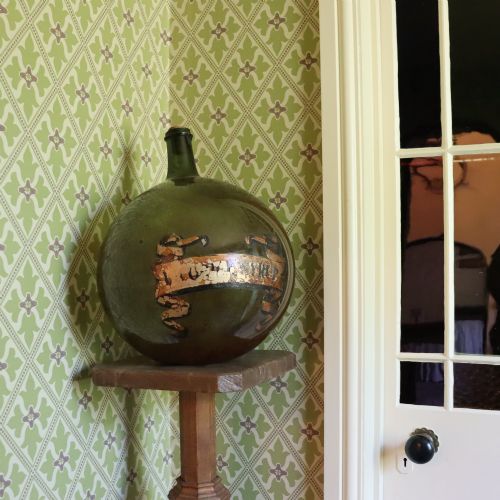
Today, these vessels serve as statement decorative objects in interiors, often displayed on floors or tables either empty or holding large botanical stems.
How do I clean an old glass vessel?
Cleaning antique glass requires gentle methods, using lukewarm water and mild detergent rather than harsh chemical soakers or abrasive scrubbers. Old surfaces can be delicate, particularly where gilding, enamel, or silver overlay is present.
Avoid submersing pieces with metallic mounts or iron baskets in water to prevent corrosion of the secondary materials. Soft bottle brushes help reach the internal base of narrow-necked carboys.
How can I tell a Georgian piece from a Victorian one?
Georgian glass often displays a darker metal tone with characteristic pontil marks on the base, reflecting hand-blown production methods before mass standardisation. Forms tend towards heavy table rummers, plain-stem goblets, and deep-cut mixing bowls.
Victorian pieces frequently utilise more experimental colours, opaque glass, or moulded decoration, alongside the rise of specialised pharmacy carboys and Mary Gregory painted designs.
Where should I place a large glass vessel?
Large vessels look best positioned where natural light can pass through the tinted or clear glass, illuminating shelves, windowsills, or floor spaces. Heavy apothecary jars and carboys anchor corners of rooms effectively.
Ensure pieces are placed on stable, level surfaces away from heavy foot traffic, particularly heavier lead crystal bowls and tall pedestal vases.