



Blown Glass Urn
These blown glass urn and vase forms bring colour and texture to a room, ranging from quiet Victorian shapes to bold Art Deco designs.
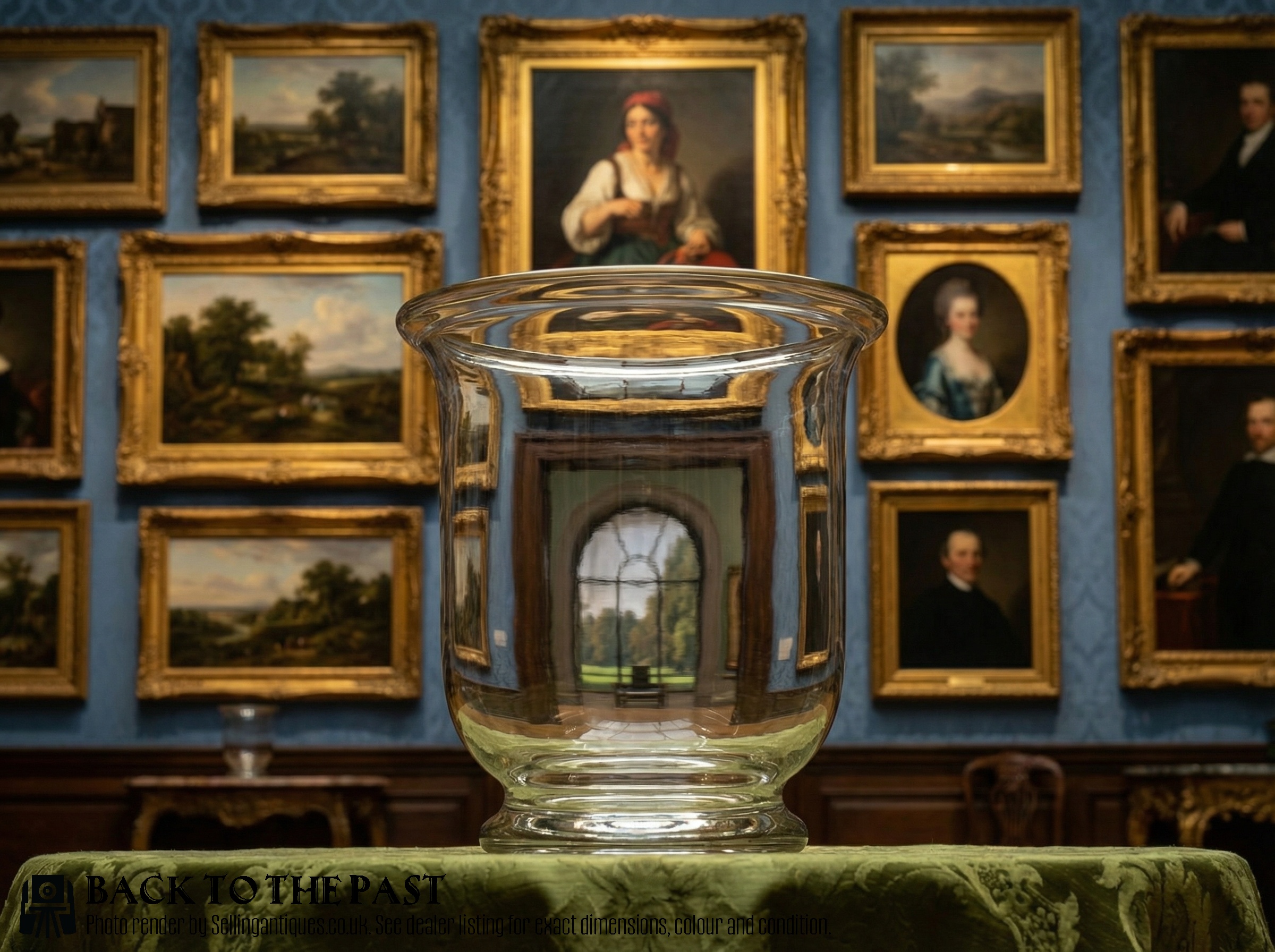
Blown Glass Urn
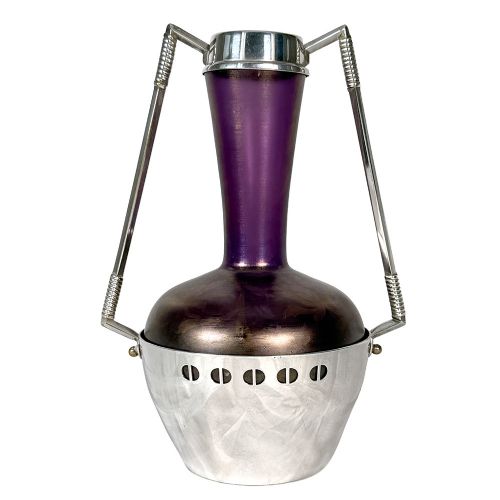
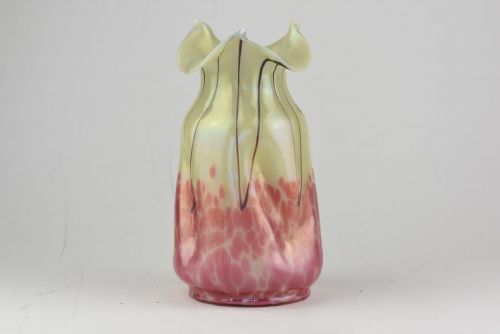
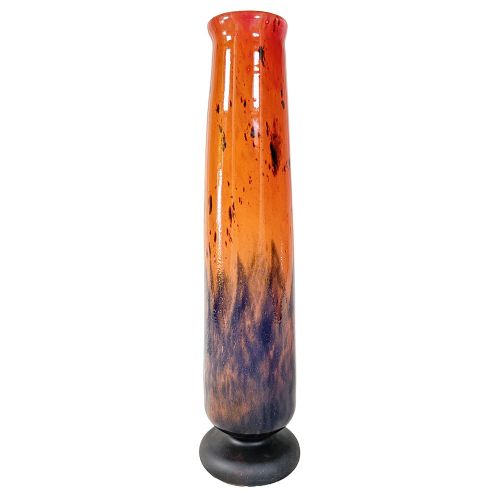
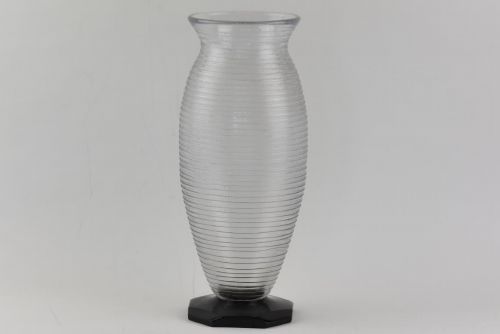
When you search for a blown glass urn, you encounter large decorative vessels and vases originating from the nineteenth century up to the nineteen-thirties. The selection includes striking examples shaped in prominent stylistic movements such as Victorian, Art Nouveau, and Art Deco.
The pieces on this page appear in various forms, including champagne ice buckets, wine coolers, and tall display vases. Many items originate from notable European glassmaking centres, featuring distinctive treatments like aventurine inclusions and layered cameo work.
Materials and construction
These vessels utilise clear, green, and iridescent glass, often manipulated through hot-working and blowing techniques while molten. Makers applied specialised finishes, including acid-etching, surface enamelling, and powdered glass integration, to achieve depth and texture.
Advanced techniques involve trapping metallic elements like gold leaf or aventurine within the glass matrix, alongside multi-layered cameo cutting and souffle methods. Such processes demand precise temperature control during the cooling stage to maintain structural integrity.
Blown Glass Urn Retail Price Guide 2026
Typical asking prices for blown glass urn among the pieces listed under this phrase on Sellingantiques today, from the lower quarter to the upper quarter. They describe what is for sale here now, not the wider market.
Some vessels manage to double as champagne coolers, proving that nineteenth-century hosts knew how to keep their priorities straight.
Assessing craftsmanship
Quality in these vessels rests upon the precision of the glassblower's hand and the complexity of the decorative surface treatment. Superior examples display controlled wall thickness, balanced proportions, and seamless integration of imported elements like aventurine or gold leaf.
The distinction between standard production and exceptional work lies in the execution of surface details, such as deeply acid-etched motifs or intricate millefiori patterns. Master workshops achieve a clarity and brilliance that elevate the visual weight of the glass.
Vasart Glass·Daum·Pallme Konig·Galle·Vittorio Zecchin for Venini
The Blown Glass Urn Glossary
- Aventurine
- Glass containing suspended metallic crystals that sparkle when caught by the light. This material requires careful thermal manipulation during the blowing process.
- Iridescent glass
- Glass treated with metallic oxides while hot to produce a shimmering, rainbow-like sheen. This effect mimics the natural weathering found on ancient excavated glass.
- Acid-etched glass
- Glass decorated by applying acid to eat away exposed surfaces, creating frosted designs or textured relief patterns. This technique allows for precise control over tonal gradations.
- Millefiori
- Glasswork created by bundling coloured rods together, fusing them, and slicing cross-sections to reveal floral motifs. These sections are embedded within the vessel wall during blowing.
Blown Glass Urn: Frequently Asked Questions
How do I date a glass urn?
Dating relies on stylistic markers, such as the flowing organic lines typical of Art Nouveau or the geometric precision of Art Deco. Maker signatures, acid-stamps, and regional manufacturing techniques also provide clear temporal anchors.
Examining the pontil mark on the base offers further clues regarding the manufacturing period and workshop practices. Earlier pieces often display a rough, polished pontil scar left from the glassblower's iron.
Where were these glass urns made?
The pieces originate from major European glassmaking regions, notably France, Italy, and Bohemia. Workshops in these areas developed distinct regional styles that define the broader movements of the nineteenth and twentieth centuries.
French makers specialised in cameo and acid-etched finishes, while Venetian and Murano artisans mastered millefiori and gold leaf integration. Bohemian production often focused on iridescent surfaces and heavy coloured glass.
What is an ice bucket used for?
These large vessels function primarily as functional coolers for champagne and wine at the dining table. Their thick glass walls help maintain low temperatures for ice and bottled drinks during service.
Beyond dining utility, such pieces serve as striking decorative objects or floral vases when not in active use. Their substantial size and refined form make them suitable for display on sideboards or pedestals.