

Antique Glass Case
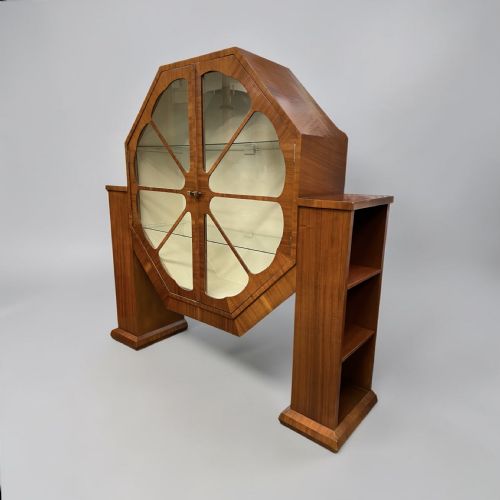
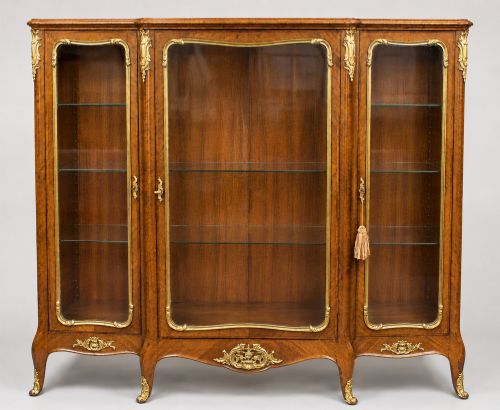
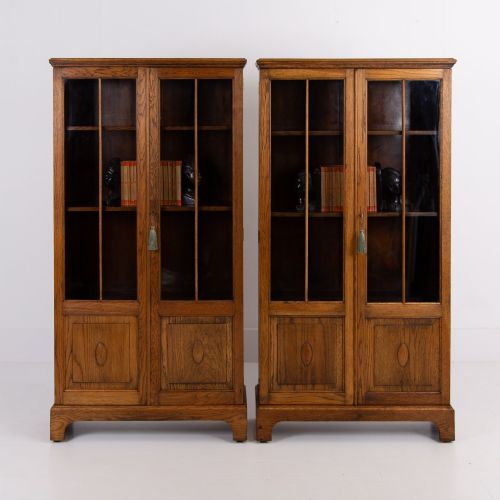
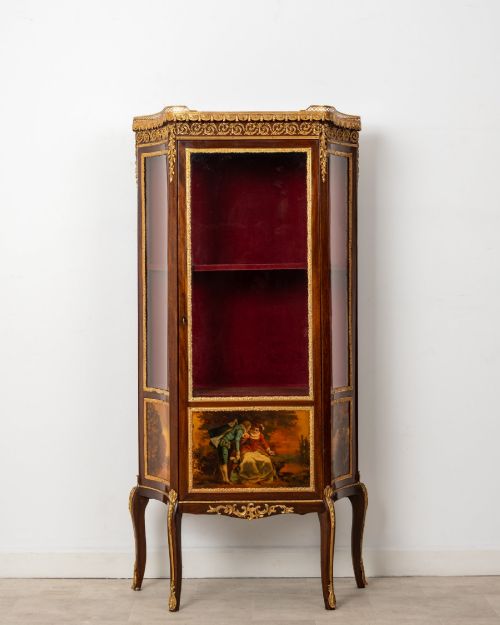
When you search for an antique glass case, you enter a diverse world of protective vitrines, polished display cabinets, and delicate scientific containers.
Antique Glass Case
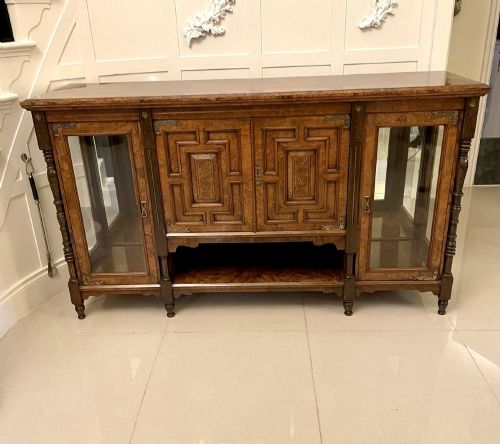
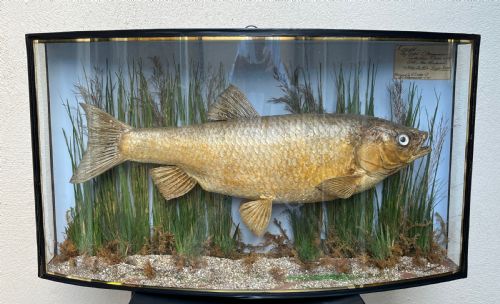
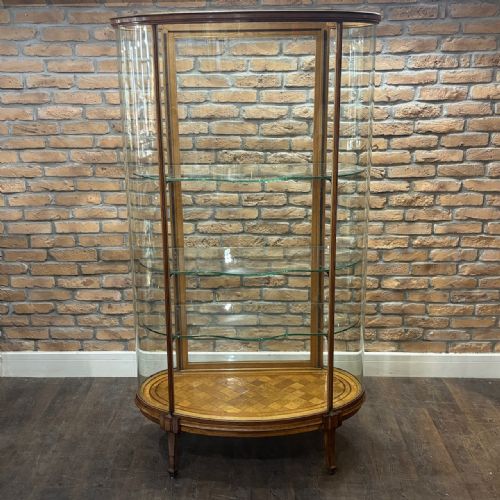
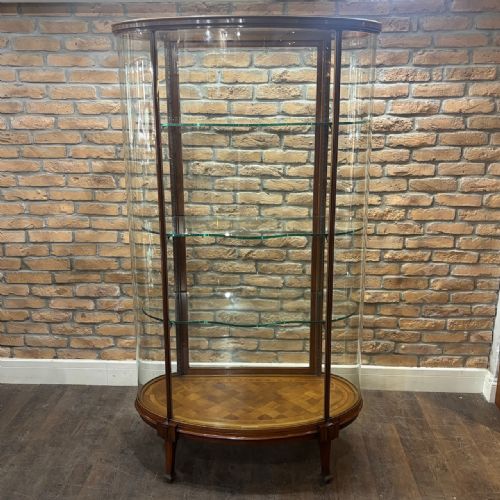
The phrase antique glass case covers an immense variety of objects, ranging from towering shop display counters and domestic pier cabinets to delicate taxidermy domes and fitted travelling boxes.
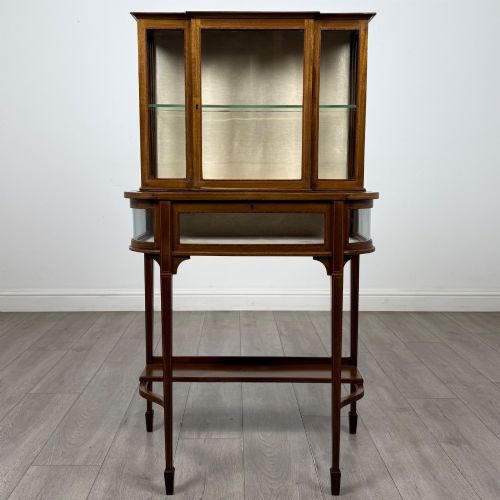
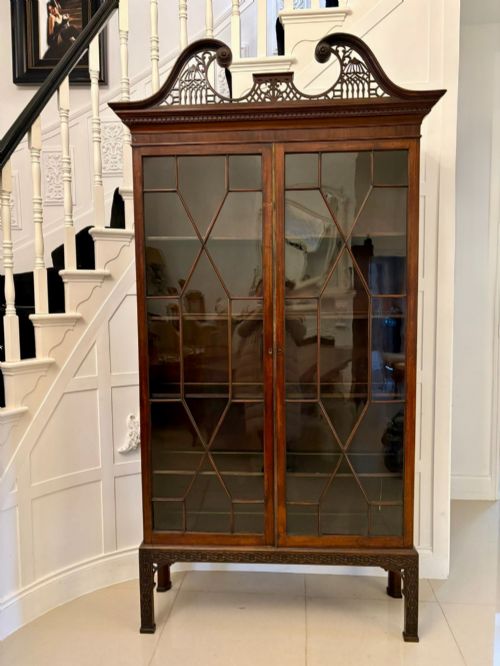
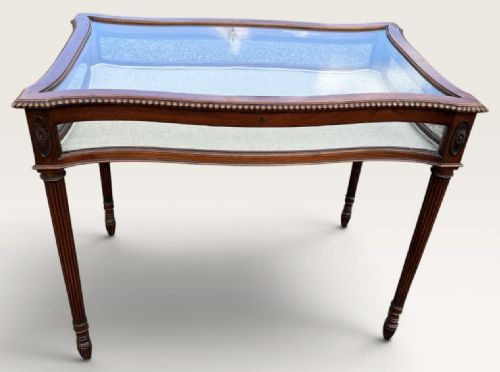
You will most frequently encounter Edwardian and Victorian examples on this page, spanning large mahogany bookcase vitrines to small tabletop bijouterie tables.
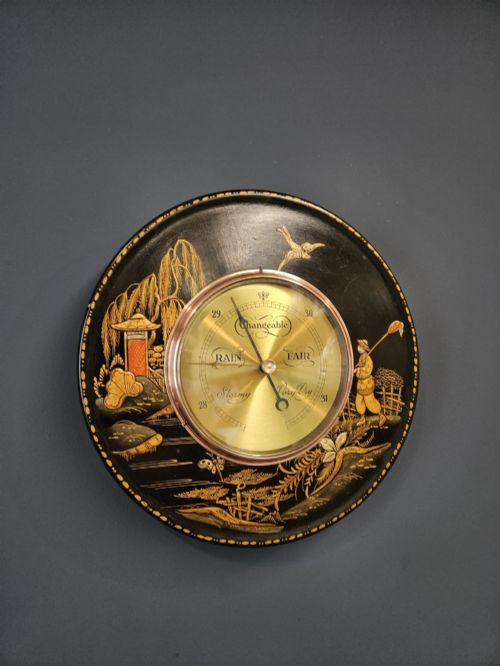
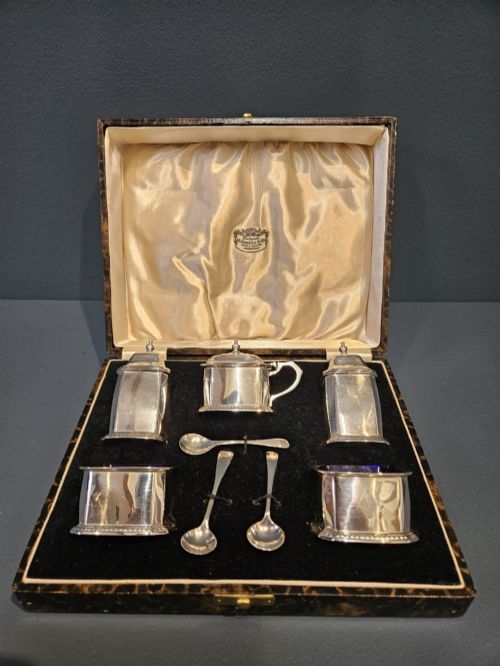
The selection also includes specialised enclosures such as barographs, perfume bottle sets, and specimen domes designed to protect fragile items from dust and handling.
Materials and construction
Cabinet makers utilised dense timber foundations like mahogany, walnut, oak, and satinwood, frequently pairing them with brass hardware and fabric or velvet linings.
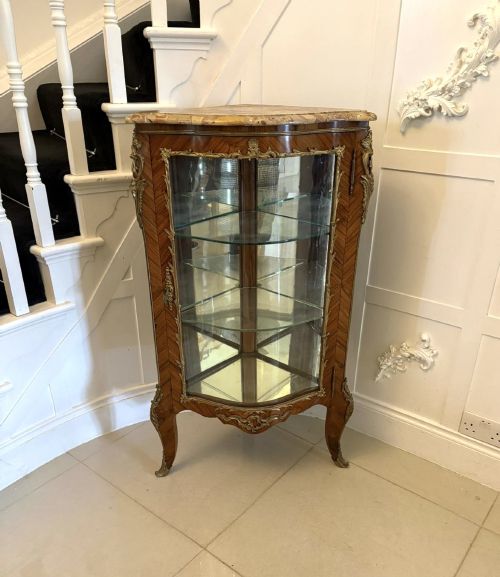
Finer pieces incorporate decorative flourishes such as marquetry inlay, ormolu mounts, and hand-carved details depending on the prevailing style.
Judgements of quality
Quality rests upon the crispness of the timber selection, such as figured walnut or burr mahogany, and the precision of the joinery in framing the glass.
Makers who invested time in hand-cut inlay, substantial brass mountings, and original silk or velvet interiors elevate a piece far above standard utilitarian production.
The structural integrity of the glazing bars and the clarity of the original glass panels also determine the standing of each enclosure.
F. Sage & Co·Little & Co·James Dixon & Sons·Rowland Ward Ltd
The Antique Glass Case Glossary
- Vitrine
- A glass display cabinet intended for the exhibition of fine objects and porcelain. These pieces often feature glazed sides as well as doors.
- Bijouterie table
- A shallow glass-topped table designed for displaying jewellery and small collectables. They typically stand on slender legs with hinged lids.
- Pier cabinet
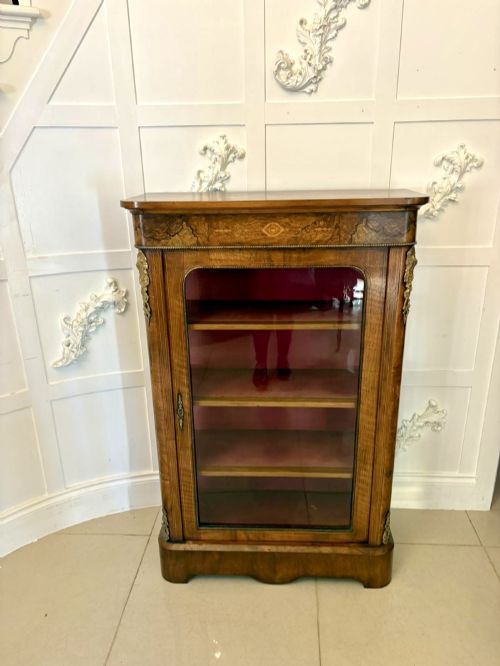
- A narrow cabinet built to fit the wall space between windows during the Victorian period. They frequently house enclosed shelving behind a single glass door.
- Tantalus
- A locked wooden case with a glass front that displays decanters while preventing unauthorised pouring. The mechanism secures the stoppers until unlocked with a key.
- Display dome
- A blown glass cover resting on a wooden base, historically utilised to protect taxidermy and delicate ornaments. They preserve fragile specimens from ambient dust.
Antique Glass Case: Frequently Asked Questions
What fits inside an antique glass case?
These enclosures accommodate a wide variety of treasures, ranging from delicate porcelain figures and pocket watches to preserved natural history specimens.
Larger furniture forms house books and ceramics, while smaller countertop versions protect coins, medals, and silver scent bottles.
Are taxidermy domes period correct?
Glass domes paired with preserved birds and insects are largely Victorian and Edwardian phenomena. Natural history collecting peaked during these decades.
Taxidermists mounted specimens on natural bases before sealing them beneath blown glass covers to prevent deterioration.
What is a shop counter case?
Retail merchants utilised these glass enclosures to showcase small high-value goods to customers while keeping items secure.
They feature robust wooden frames with glazed viewing panels and rear access doors for the shopkeeper.