






Sign Written Cabinet
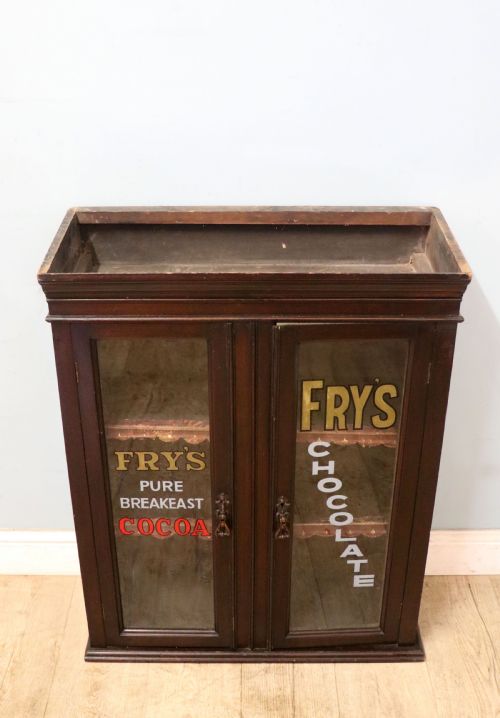
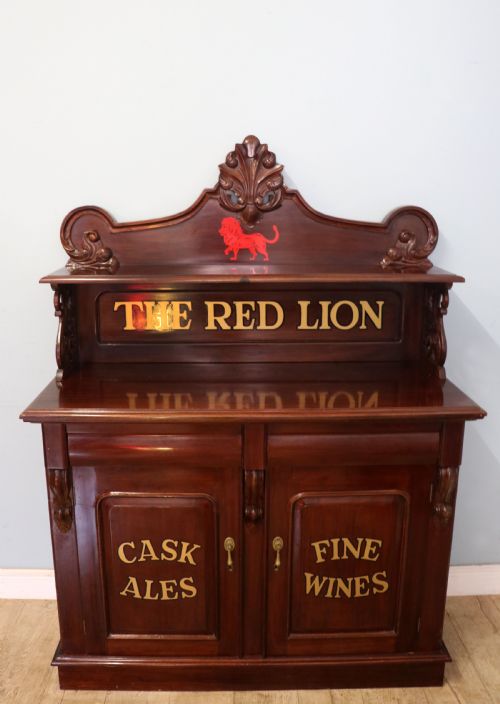
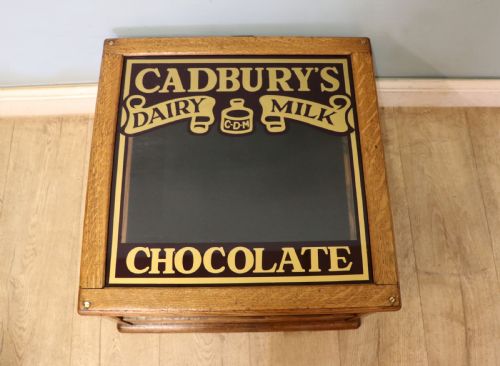
When you search for a sign written cabinet, you find functional display furniture and storage pieces enhanced with hand-painted commercial lettering.
Sign Written Cabinet
A sign written cabinet spans several decades from the Victorian and Edwardian eras through to the 1930s and mid-century periods. These pieces comprise display cabinets, shopfitting units, bookcases, sideboards, chiffoniers, and wall cupboards.
Buyers encounter solid mahogany, walnut, oak, and pine constructions alongside veneered surfaces and glazed panels. The forms range from countertop display cases to substantial bookcase cabinets and wall-mounted units.
What Varies in Quality
Signage quality rests upon the skill of the brushwork and the stylistic harmony between the lettering and the period of the cabinet. Well-executed typography complements the underlying timber structure rather than overpowering it.
Recorded materials across the inventory include brass hardware, velvet linings, glass panels, and hand-applied paint.
Mathieu Befort
The Sign Written Cabinet Glossary
- Bijouterie table
- A glass-topped display table designed for small valuables, jewellery, and curiosities. These tables typically feature glazed hinged lids.
- Chiffonier
- A low sideboard or cabinet featuring enclosed cupboards beneath a drawer or surface top. Victorian examples frequently incorporate raised backboards.
- Shopfitting
- Furniture and fixtures originally manufactured for commercial retail environments. These pieces prioritise visibility and customer access through extensive glazing.
- Vitrine
- An enclosed glass display cabinet designed to exhibit porcelain, glassware, or decorative objects. They often feature glass side panels to maximise light.
- Veneer
- A thin layer of superior wood adhered to a secondary timber base. This technique creates patterned grain surfaces on cabinet doors and panels.
Sign Written Cabinet: Frequently Asked Questions
What is a sign written cabinet?
These pieces are antique storage and display items that feature later hand-painted commercial lettering. The lettering often depicts historic advertisements, company titles, or institutional logos.
Such items bridge the gap between traditional cabinet making and decorative painted signage. They combine functional storage with graphic commercial history.
How were these cabinets used originally?
Many examples served as shop display units, apothecary storage, or office furniture in the nineteenth and early twentieth centuries. Others functioned as domestic bookcases and sideboards before receiving later decorative lettering.
Commercial pieces displayed goods like chocolate, sewing machines, and spirits to customers. Domestic pieces gained decorative character through the addition of vintage brand graphics.
Where should I place one at home?
A glazed display cabinet works well in a living room or kitchen to exhibit glassware and collections. Wall-mounted variants suit smaller spaces like hallways or studies where floor area is limited.
The strong visual presence of the lettering allows these pieces to act as focal points. They pair effectively with both industrial interiors and traditional rustic schemes.
How do I identify the period of the cabinet?
The underlying furniture style, timber choice, and construction joints reveal the age of the piece. Victorian and Edwardian items display distinct moulding profiles and hardware compared to 1930s designs.
Signage is frequently applied later in the lifespan of the furniture. Examining the surface wear helps distinguish the age of the woodwork from the painted details.