


Antique Gaming Box
An antique gaming box brings parlour pastimes from the Victorian and Edwardian eras into a modern room.
Antique Gaming Box
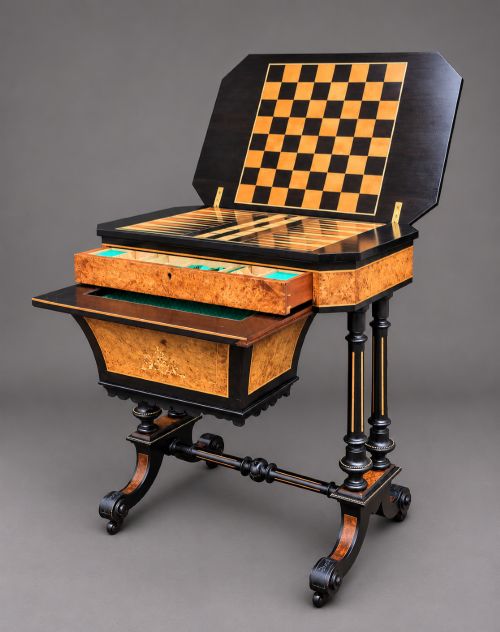
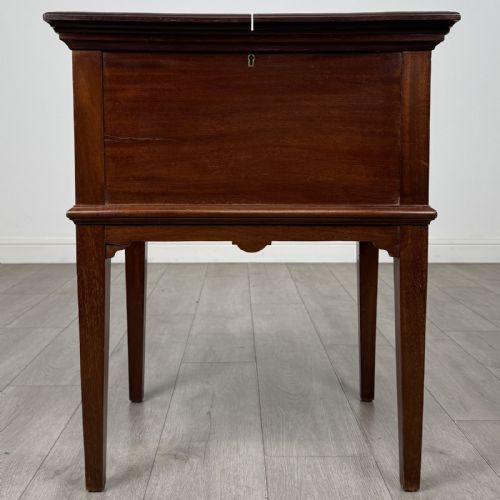
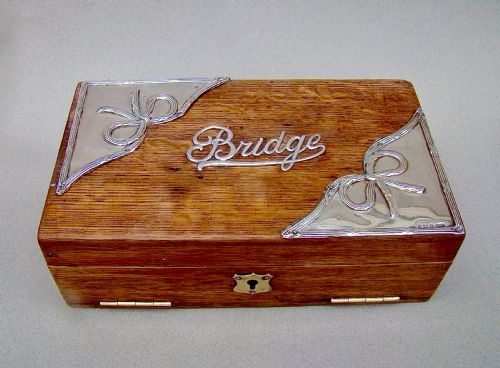
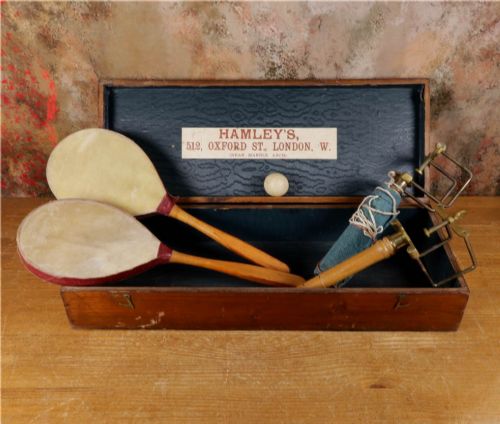
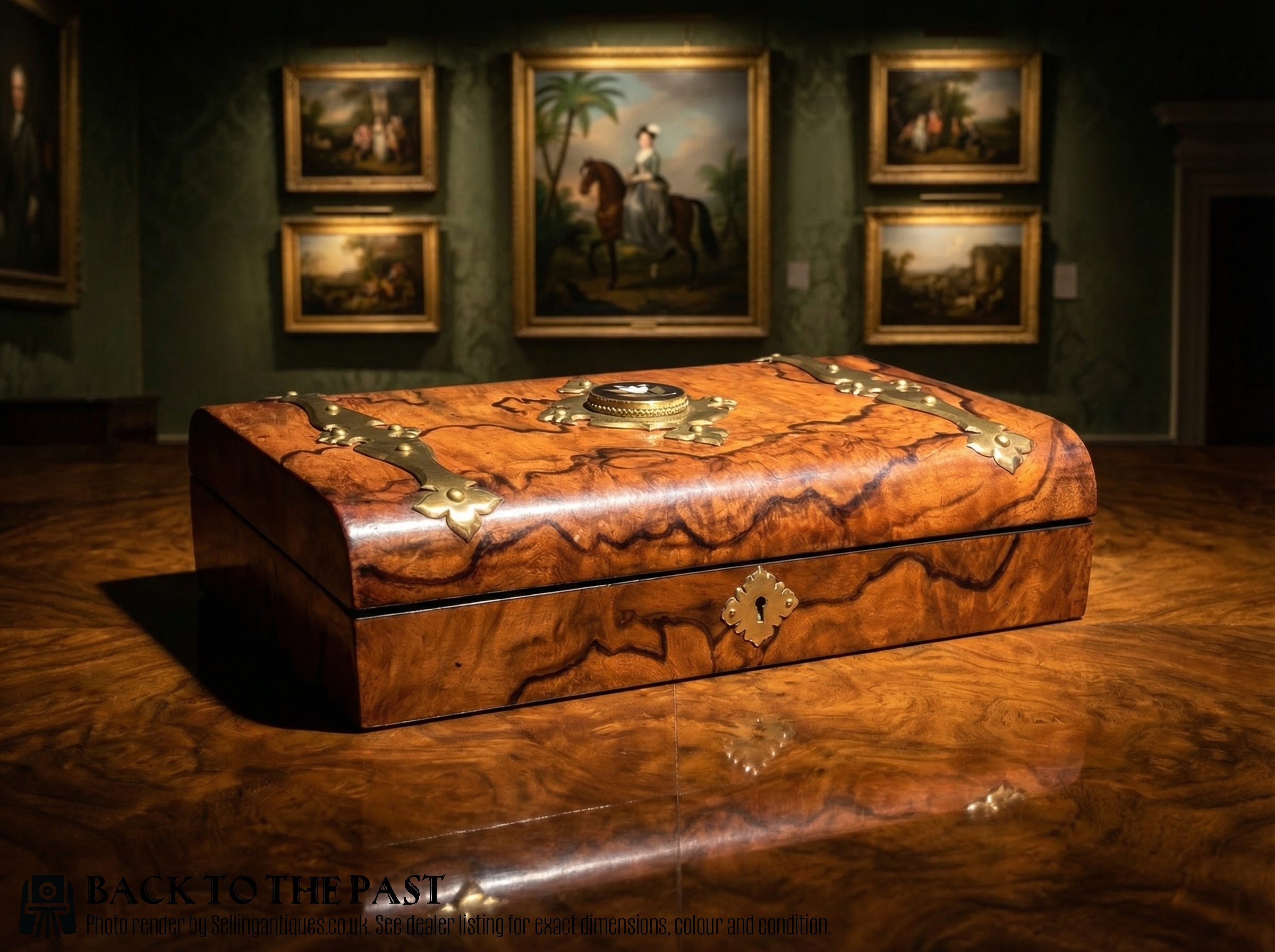
An antique gaming box encompasses fitted wooden caskets, compendiums, and tables designed to house pastimes such as chess, cards, mahjong, and croquet. These pieces emerge predominantly from the nineteenth and early twentieth centuries, spanning Victorian and Edwardian periods.
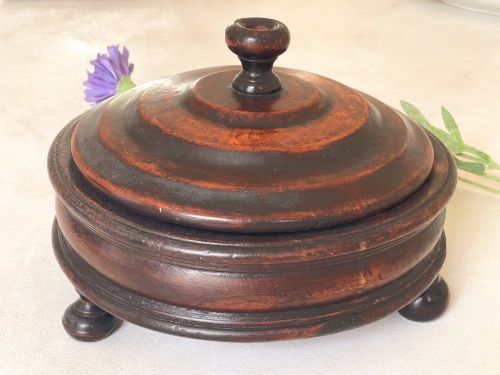
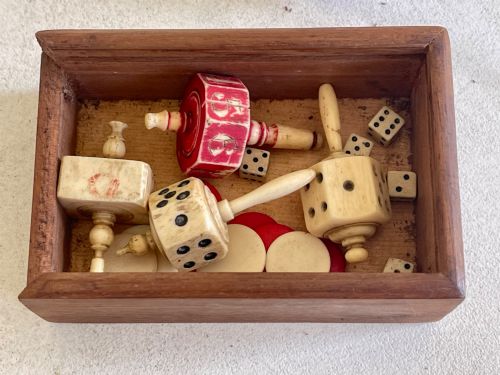
Beyond table caskets, the selections include specialised containers housing bone dominoes, prisoner of war teetotums, and leather-bound faux book boards. Each format reflects the domestic leisure pursuits of nineteenth-century households and subsequent Edwardian parlours.
Materials and construction
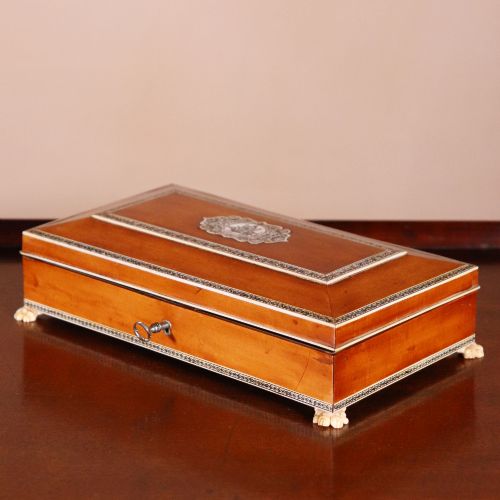
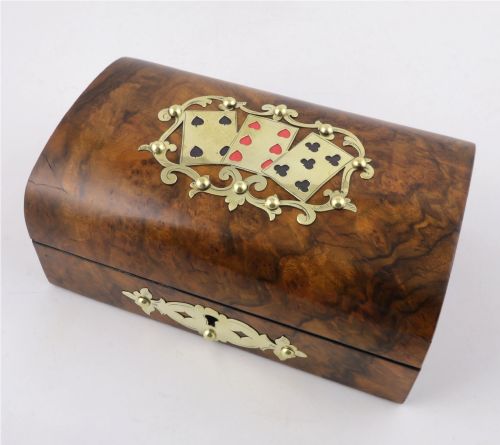
Cabinet makers utilised dense hardwoods like mahogany, satinwood, and burr walnut, frequently applying marquetry inlays and cross-banded veneers to exterior surfaces. These wooden caskets often incorporate brass hinges, locks, and silver mounts for structural integrity and decoration.
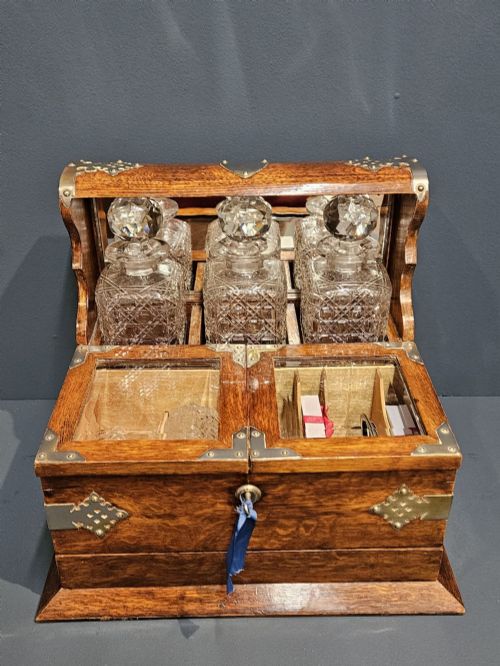
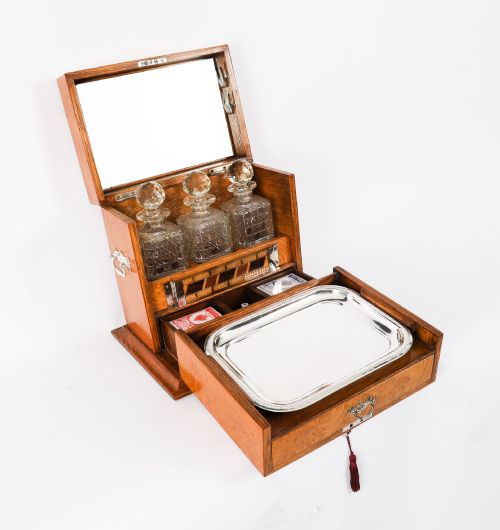
Internal components display specialised materials including carved bone, boxwood, and ebony for draughts, chess pieces, and dominoes. Leather binding appears on faux book cases and playing card boxes, while cut crystal decanters feature in combined tantalus sets.
Antique Gaming Box Retail Price Guide 2026
Typical asking prices for gaming box among the pieces listed under this phrase on Sellingantiques today, from the lower quarter to the upper quarter. They describe what is for sale here now, not the wider market.
The inventory records functional combinations pairing games storage with writing slopes, sewing tables, and three-bottle crystal decanter tantalus sets.
Distinctions in quality
The distinction between standard examples and finer pieces lies in the precision of the cabinet work and the completeness of the internal fitments. Superior items feature complex marquetry, sound dovetail joints, and matching sets of original gaming pieces rather than assembled replacements.
Material selection dictates much of the standing, with figured burr walnut and substantial silver mounts signifying higher production tiers. The integration of multi-use elements, such as combined writing surfaces, sewing drawers, and multiple game boards, also elevates the grade of the piece.
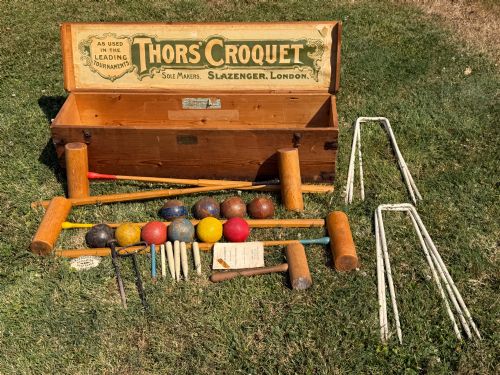
A. Wilcox·Levi and Salaman·Slazenger·F.H. Ayres Ltd·Pemberton
The Antique Gaming Box Glossary
- Compendium
- A comprehensive collection of several games housed within a single fitted box or cabinet. These multi-game sets typically include boards, dice, and counters.
- Marquetry
- Decorative veneer work arranged in intricate patterns or pictures using various coloured woods. Master craftsmen applied this technique to the lids of high-grade Victorian tables.
- Tantalus
- A locking wooden frame holding decanters that prevents access without a key. In gaming combinations, this mechanism secures spirits alongside the card compartments.
- Teetotum
- A small spinning top marked with letters or numbers used for gambling and parlour games. Bone examples were frequently fashioned by prisoners of war in the nineteenth century.
- Cribbage board
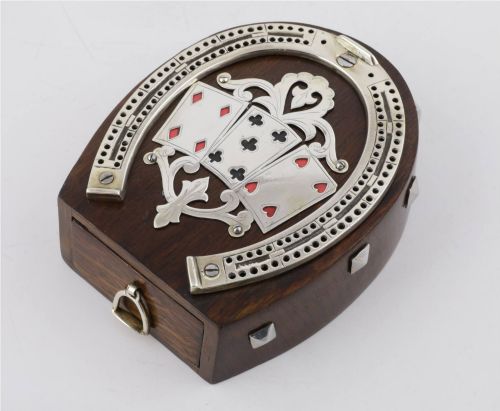
- A scoring board featuring pegged tracks used during the card game cribbage. Many antique variants double as the sliding lid of a storage box.
Antique Gaming Box: Frequently Asked Questions
What games fit inside these boxes?
These containers typically house components for chess, draughts, dominoes, card games, and cribbage. Larger compendiums incorporate boards and pieces for multiple pastimes simultaneously.
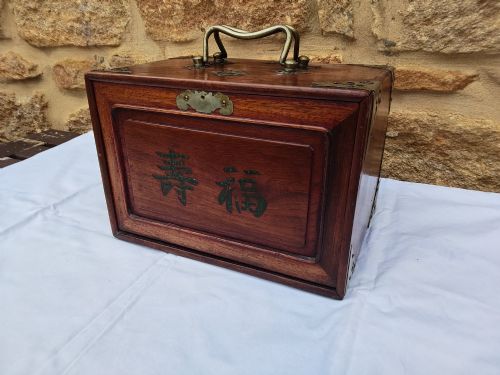
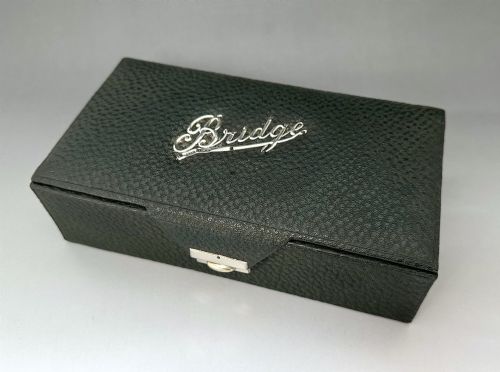
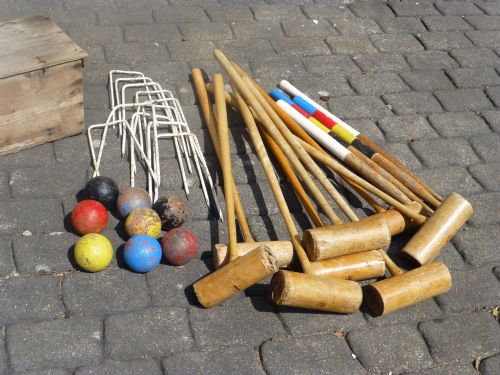
Some specialised versions hold mahjong tiles, bridge markers, or croquet sets, depending on the overall dimensions and intended setting of the piece.
How do I date an antique gaming box?
Dating relies on identifying the prevailing timber, decorative style, and hardware associated with periods such as the Georgian, Victorian, and Edwardian eras. Burr walnut and heavy marquetry point toward mid-to-late nineteenth-century production.
Maker marks, silver hallmarks, and patent stamps provide precise markers. Examining the construction methods inside the drawers and joints offers further chronological clues.
Were these boxes meant for travel?
Certain compact examples were engineered specifically for travel, featuring locking mechanisms and secure internal slots to keep pieces anchored during transit. Travelling chess sets often used pegged pieces and folding boards.
Larger caskets and games tables remained stationary in drawing rooms and parlours, serving as permanent fixtures for household entertainment.
How should I care for wooden gaming boxes?
Preserving these pieces involves keeping them away from direct sunlight and maintaining stable indoor humidity to prevent wood splitting and veneer lifting. Gentle dusting with a dry cloth protects polished mahogany and walnut surfaces.
Leather-bound faux book boards and interior velvet linings require protection from excessive moisture. Period brass and silver mounts benefit from occasional careful cleaning without harsh abrasives.