


Vintage Parlour Game Box
A vintage parlour game box brings the social past to your table, offering hands-on entertainment from eras spanning the nineteenth and early twentieth centuries.
Vintage Parlour Game Box
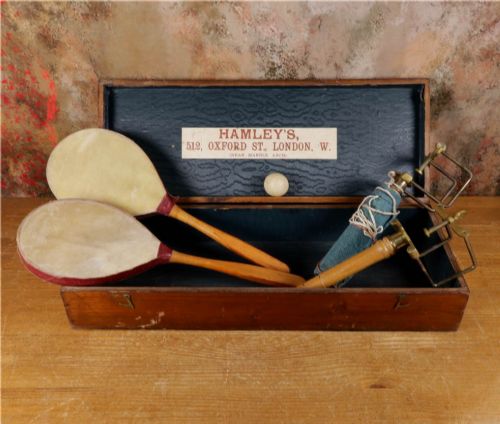
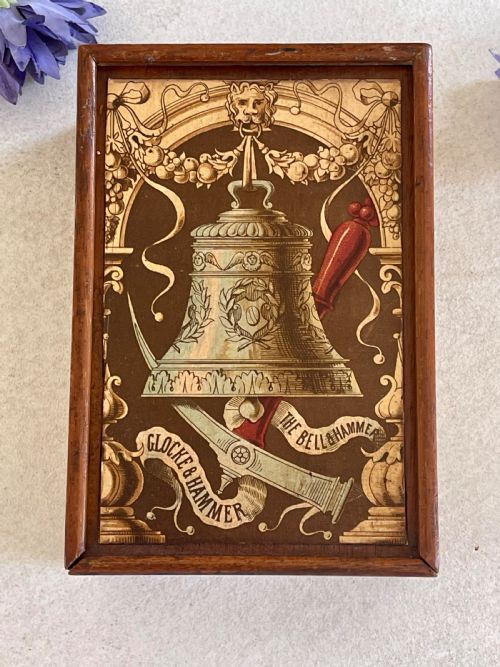
A vintage parlour game box encompasses various containers and complete sets designed for indoor amusement and social gatherings during the Victorian, Edwardian, and later periods. These pieces include specialised storage containers like country house organiser boxes, alongside fitted cases housing specific pastimes such as table tennis, dominoes, and croquet. Most examples date from the nineteenth century up through the nineteen-twenties, reflecting the domestic leisure habits of past generations.
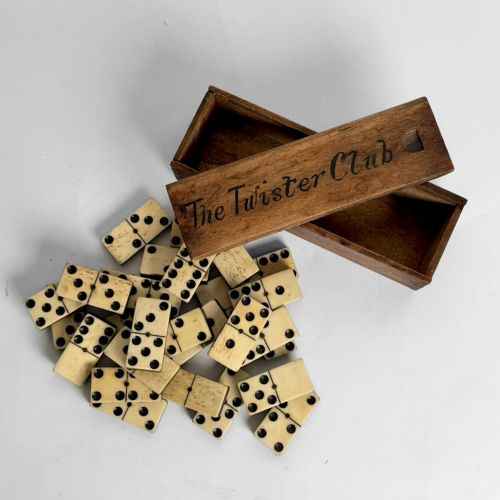
Buyers browsing this selection will frequently encounter wooden cases housing traditional pursuits, ranging from miniature bone dominoes to weighted chess sets by known makers. Materials vary from modest pine and oak to finer mahogany, often accompanied by brass fittings and paper instructions. Whether you acquire a dedicated games set or a standalone box, each item serves as both a functional pastime and a tangible piece of social history.
How these items were made
Construction relies heavily on traditional woodworking techniques applied to timber such as oak, mahogany, and pine, shaping sturdy organiser boxes and fitted game cases. Makers incorporated brass for hinges, clasps, and bells, ensuring the longevity of frequently handled containers.
Internal components utilise diverse materials including carved bone for dominoes, lead-weighting for chess pieces, and vellum or paper for instructions and scorecards. Skilled craftsmanship ensured that bats, boards, and playing pieces fit securely within their designated compartments.
Periods represented span the nineteenth century, nineteen hundred, nineteen-ten, Victorian, and nineteen-twenty.
What varies in quality
Quality in these pieces is dictated by the choice of materials and the integrity of the original contents, distinguishing standard utility items from superior productions. Finer examples feature robust hardwoods like mahogany, durable brass hardware, and complete sets that retain their original instructions and fitted interiors.
The precision of the manufacture, from the turning of chess pieces to the dovetailing of the wooden boxes, separates mass-produced items from higher-grade workshop creations. Completeness and originality of components play a significant role in determining the standard of any given set.
Jaques & Hamleys Gossima·F.H.Ayres Ltd., London·British Chess Company
The Vintage Parlour Game Box Glossary
- Staunton
- A standard design of chess set introduced in the mid-nineteenth century, characterised by heavily weighted pieces with distinct, highly recognisable forms.
- Mahjong
- A tile-based game originating in China, played with sets typically comprising carved bone and bamboo tiles housed in specialist wooden cases.
- Squails
- A traditional table game where players flick wooden discs across a surface to score points, often found in fitted nineteenth-century boxes.
- Vellum
- A fine parchment material prepared from calfskin, frequently utilised for historical game boards, documents, and instructions found within these sets.
- Organiser box
- A compartmentalised wooden case designed to hold varied gaming components, counters, and accessories securely in one dedicated container.
Vintage Parlour Game Box: Frequently Asked Questions
What games are typically found inside a vintage parlour game box?
These sets house a diverse range of traditional indoor pastimes, including dominoes, chess, table tennis, croquet, and squails. Each container reflects the specific entertainment preferences of the Victorian and Edwardian eras.
Many boxes are tailored to a single game with custom compartments, while others function as general organiser cases meant to hold multiple social pastimes.
How can I tell the period of a game box?
Dating relies upon examining the timber, construction methods, typography on paper instructions, and the style of any brass hardware. Nineteenth-century examples often feature solid oak or mahogany construction with hand-cut dovetails and handwritten or early printed rules.
Later Edwardian and nineteen-twenties pieces introduce machine-finished components and alternative materials like vellum, alongside shifts in the popularity of specific games like table tennis.
Were these boxes used by families at home?
These items were primary sources of domestic entertainment for middle and upper-class households during the Victorian and Edwardian periods. Families and guests gathered in parlours to play structured games, fostering social interaction before the advent of modern media.
Country houses often maintained large organiser boxes or dedicated game sets to keep guests amused during wet weather or evening gatherings.
How should I care for wooden game boxes and bone pieces?
Protect wooden cases from direct sunlight and sudden humidity changes to prevent warping or splitting of the timber. Maintain the finish with appropriate wax polish applied sparingly.
Bone pieces and paper instructions require dry storage and gentle handling to preserve delicate carvings and fragile historical text.