
Republic Period Chinese Antiques
Republic period chinese antiques bridge imperial tradition and modern design through hand-carved jade, intricate porcelain, and patinated bronze.
Republic Period Chinese Antiques
When you search for republic period chinese antiques, you encounter a diverse range of items spanning porcelain, carved hardstones, and metalwork produced during the early twentieth century. The period bridges the transition from the Qing dynasty to the Republic of China, maintaining traditional motifs while adopting new artistic influences. Vases, pendants, censers, and scholar's desk objects appear frequently across the collection.
Porcelain and jade items dominate the available selections, alongside cloisonné enamel and hardwood furniture. Many pieces bridge the late nineteenth century and the decades leading up to the mid-twentieth century, reflecting stylistic shifts in Chinese craftsmanship. Table lamps, small sculptures, and decorative dishes provide accessible entry points for collectors interested in this era.
Materials and Techniques
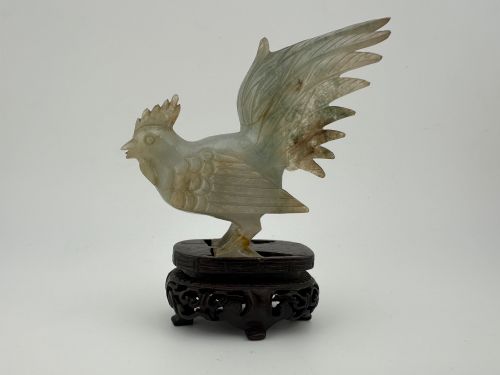
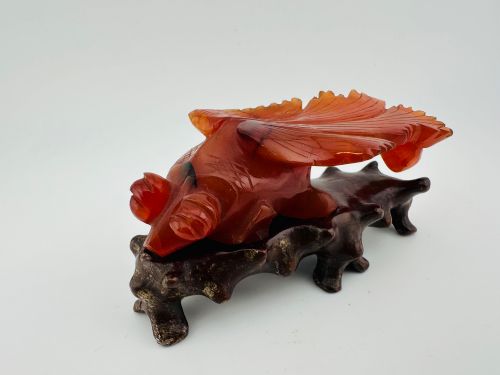
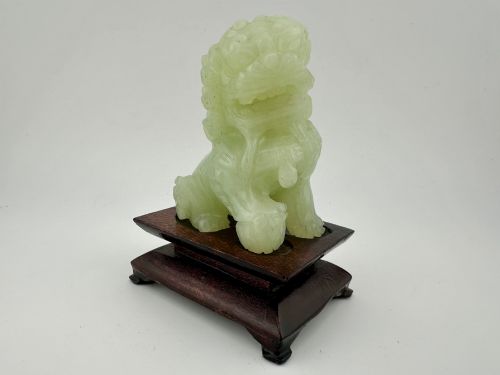
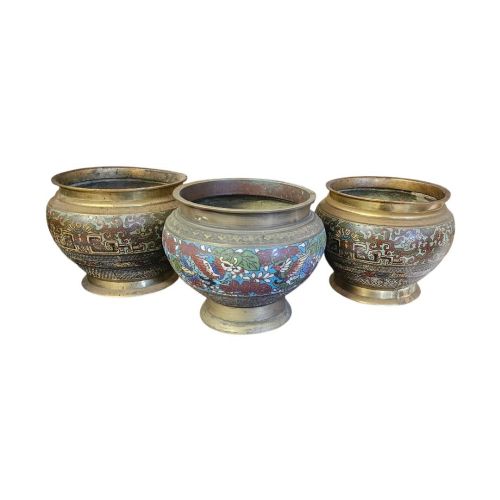
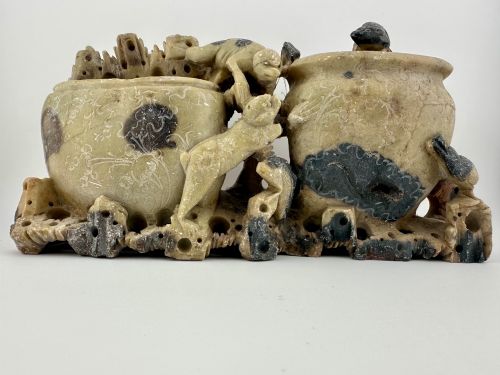
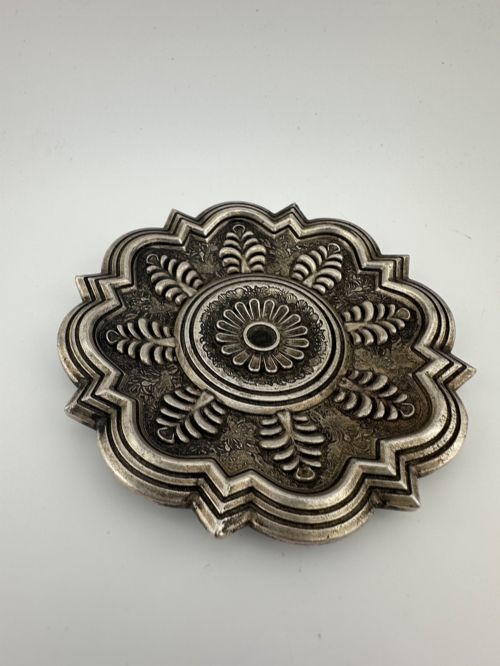
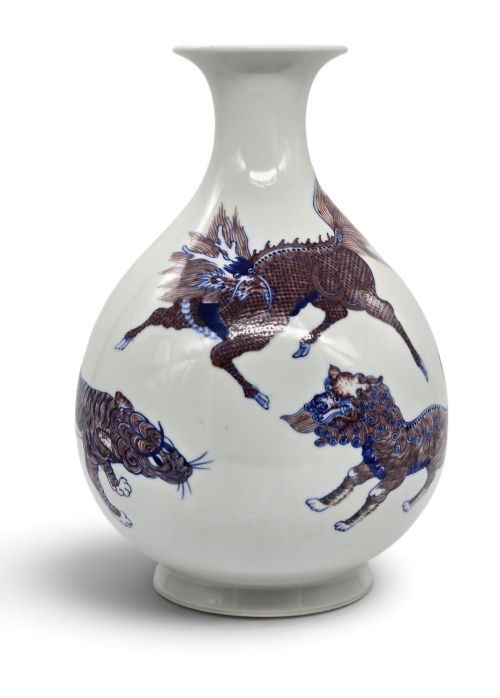
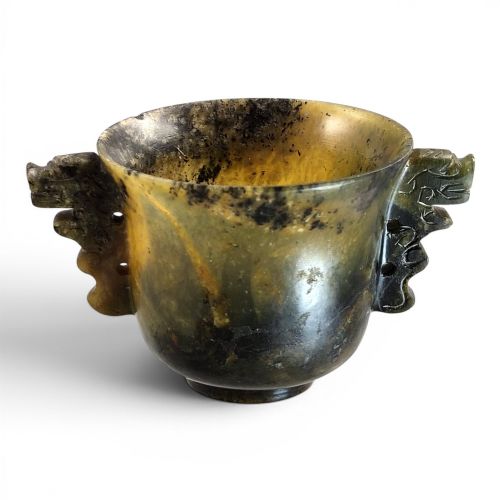
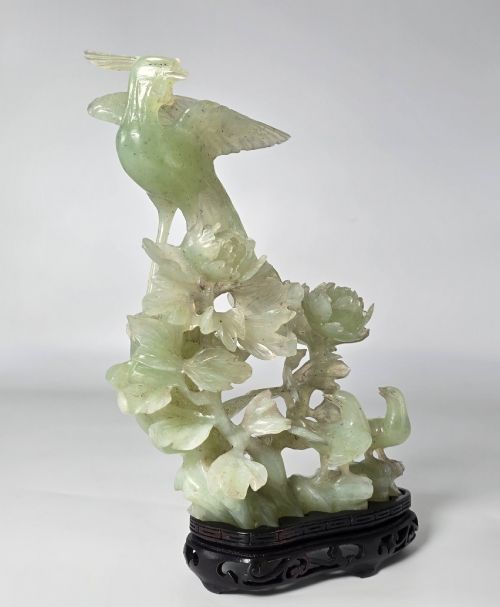
Craftsmen utilised natural materials such as nephrite jade, jadeite, soapstone, and precious red coral, shaping them through meticulous hand-carving techniques. Metalwork relied on bronze, brass, and white metal, often incorporating champlevé or cloisonné enamel decoration. Porcelain pieces utilised famille rose and underglaze blue painting methods.
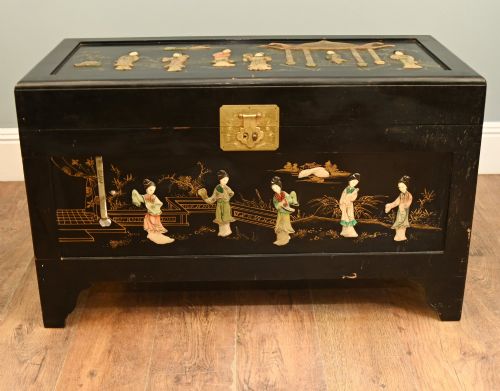
Hardwood joinery utilised dense timbers like hongmu and mahogany for display stands and benches. Skilled artisans also worked with buffalo horn, agate, and lacquer to produce intricate desk accessories and small containers.
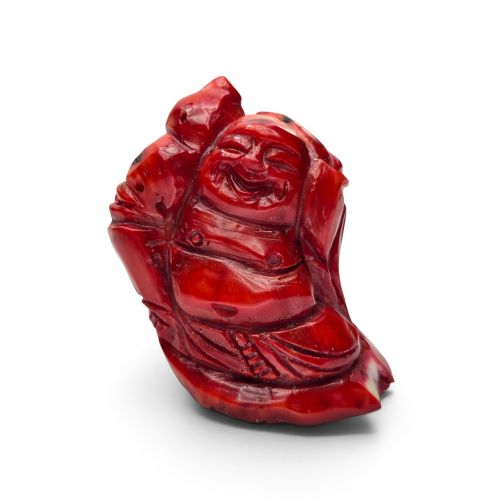
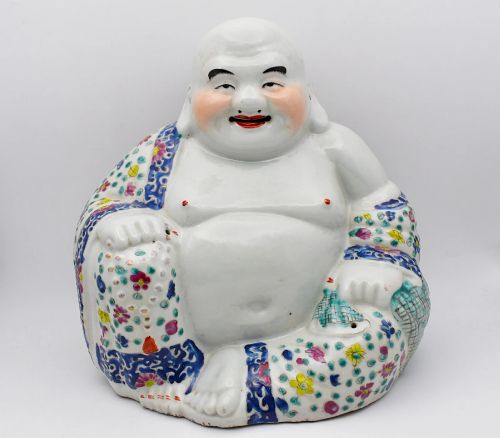
A porcelain figure of a laughing Buddha sits alongside a seated turquoise ape.
Factors of Quality
The standard of carving in jade and hardstone figures establishes the upper tier of the range, distinguishing fluid, deeply undercut designs from rigid, shallow work. Precision in cloisonné and champlevé enamel placement separates superior metalwork from simpler decorative items.
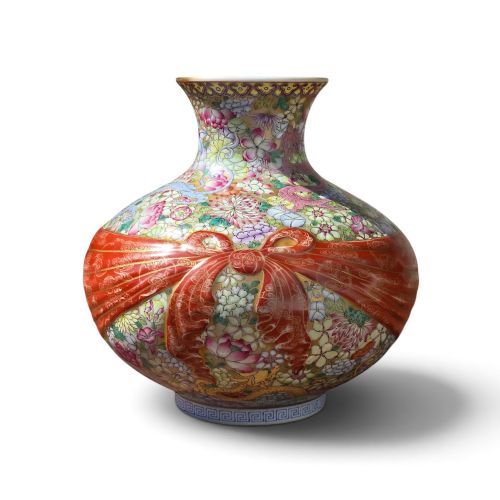
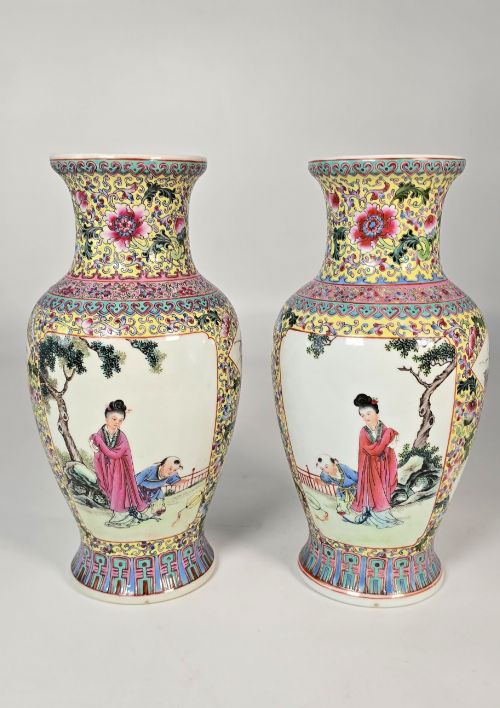
Porcelain quality rests upon the fineness of the hand-painted details and the clarity of the glaze, such as famille rose enamels or turquoise finishes. Signed pieces and items retaining original components demonstrate higher artisan skill.
Zhu Mao Ji·Wang Hing & Co·Gao Hengsheng
The Republic Period Chinese Antiques Glossary
- Famille Rose
- A palette of opaque rose-pink enamel introduced to Chinese porcelain in the eighteenth century and continued into the twentieth century. This coloration allows for subtle shading on figures and floral motifs.
- Cloisonné
- A metalwork technique where enamel paste is applied within compartments created by soldered wire strips. Firing fuses the glass paste to the bronze or brass base.
- Nephrite
- A dense, tough amphibole mineral utilised extensively for Chinese carvings and vessels. It ranges in colour from white to dark green.
- Censer
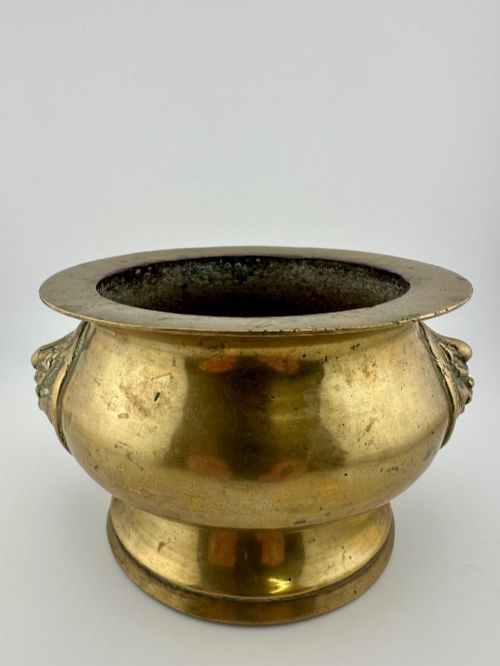
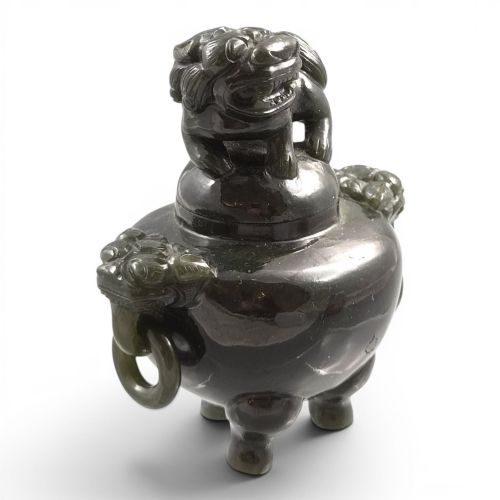
- A vessel designed for burning incense during rituals or scholarly pursuits. These often feature tripod legs and mask handles.
- Hongmu
- A category of dense, dark tropical hardwoods employed in traditional Chinese furniture and display stands. The timber polishes to a deep reddish-brown tone.
Republic Period Chinese Antiques: Frequently Asked Questions
What defines republic period chinese antiques?
These pieces originate from the era following the fall of the Qing dynasty in 1912 up to the mid-twentieth century. They combine centuries-old motifs with evolving artistic techniques.
Craftsmen produced items ranging from scholar's desk accessories to large porcelain vases and cloisonné vessels.
How were these items used originally?
Many objects served functional roles in scholarly or domestic settings, such as brush washers, incense burners, and teapots. Others functioned as decorative ornaments or personal adornments like jade pendants.
Display furniture and seating accommodated traditional interiors of the period.
How should I care for jade and hardstone pieces?
Jade and hardstone objects require gentle cleaning with a soft, damp cloth and mild soap when necessary. Avoid harsh chemical cleaners or ultrasonic machines that might damage softer stones.
Display them away from direct sunlight and sudden temperature shifts to protect the material's integrity.
How do I distinguish late qing from republic pieces?
Items spanning the late Qing to early Republic transition often blend traditional imperial aesthetics with emerging Republican-era innovations. Signatures, specific maker marks, and stylistic shifts in enamel or carving help determine the exact timeframe.
Porcelain styles and bronze patination also offer clues to the manufacturing decade.