




Antique French Table Centrepiece
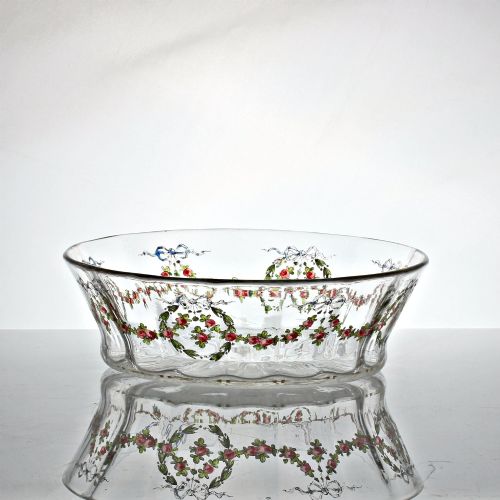
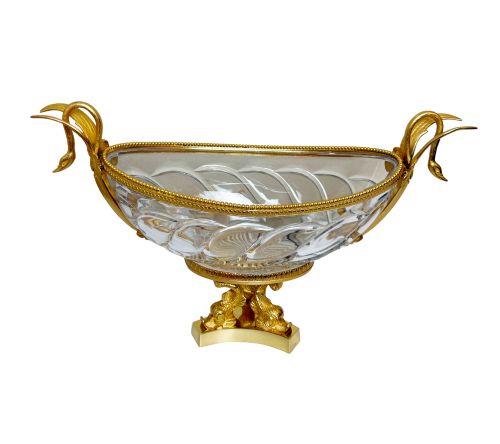
An antique french table centrepiece anchors a dining table or sideboard with sculpted metal and clear crystal.
Antique French Table Centrepiece
When you search for an antique french table centrepiece, you encounter elaborately worked objects designed to hold fruit, flowers or candles in the dining room or parlour. The selections span the nineteenth century, including pieces from the eighteen-eighties, eighteen-nineties, and nineteen-hundreds, alongside later nineteenth-century revivals.
The aesthetic vocabulary draws heavily from French Empire, Rococo Revival, Neoclassical, and Art Nouveau styles. These objects reflect nineteenth-century continental dining culture, where elaborate tables required sculptural centrepieces to balance the room.
Materials and construction
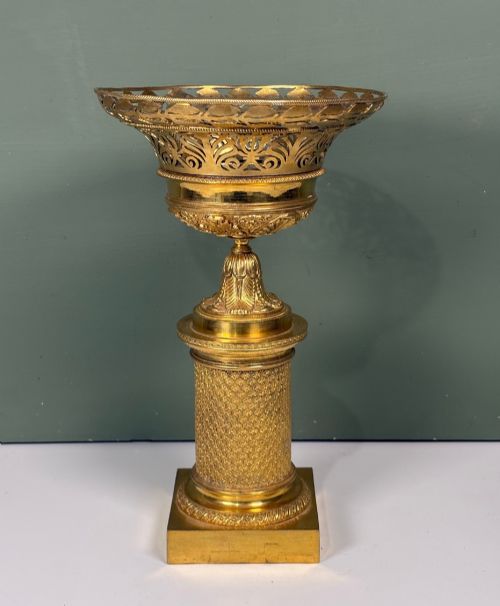
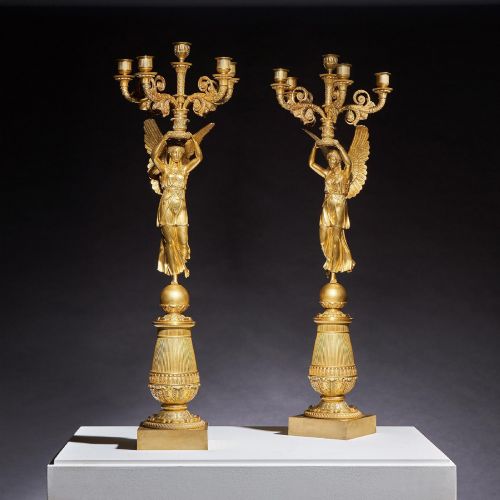
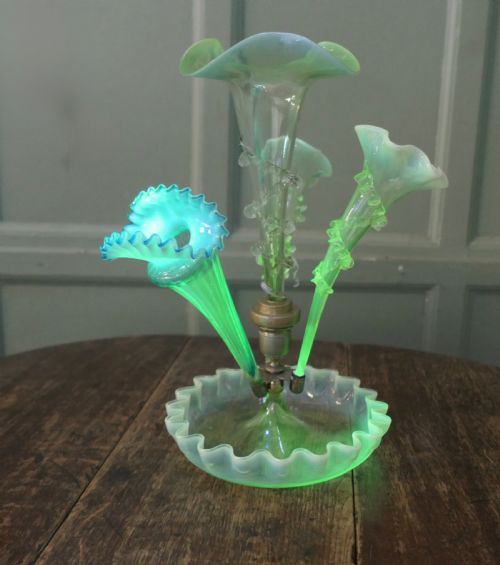
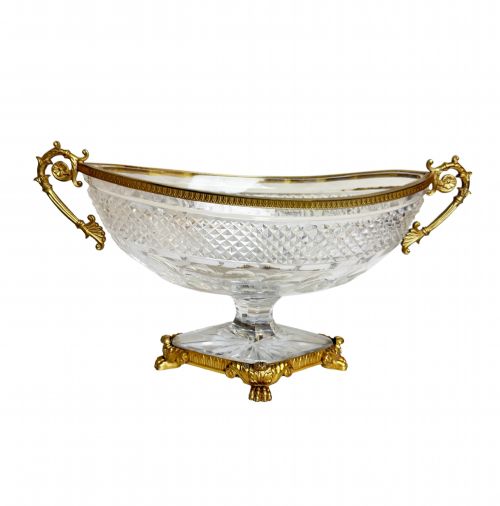
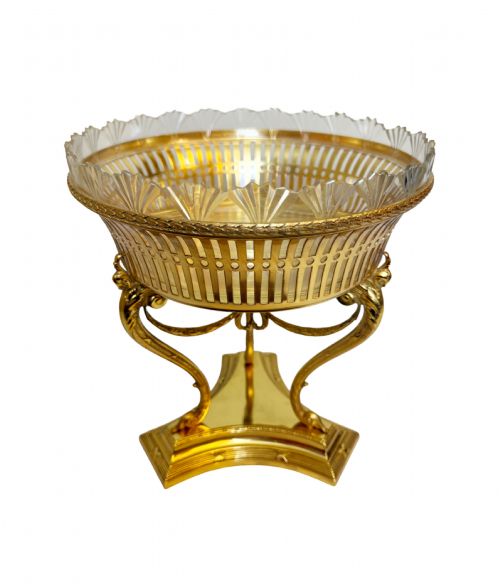
Makers utilised cast bronze, gilt bronze, and ormolu for the structural frames, mounts, and figural supports of these pieces. Gilt metal work often appears alongside hand-blown crystal, uranium glass, or cut glass bowls and inserts.
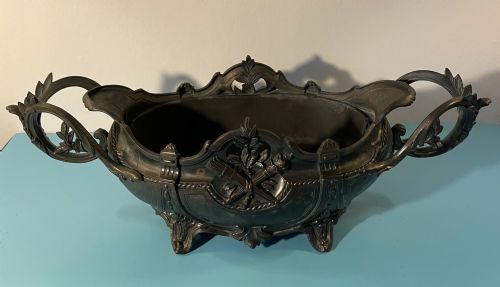
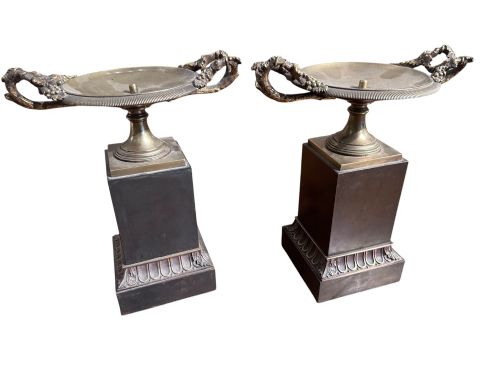
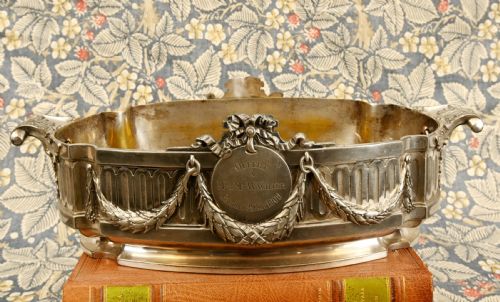
Secondary materials include white and black marble bases, silver plate, champlevé enamel, onyx, and patinated bronze. Complex pieces combine several of these mediums, securing crystal bowls within heavy metal armatures and mounting figures upon stone plinths.
Antique French Table Centrepiece Retail Price Guide 2026
Typical asking prices for french table centrepiece among the pieces listed under this phrase on Sellingantiques today, from the lower quarter to the upper quarter. They describe what is for sale here now, not the wider market.
Listings feature items from the 1870s to the 1930s, uniting Neoclassical, Empire, and Art Nouveau aesthetics in bronze, marble, and crystal.
Distinctions in craftsmanship
The distinction between standard production and exceptional work lies in the sharpness of the metal chasing and the weight of the cast components. Finer pieces display crisp detailing in figural elements like putti, mermaids, and cherubs, with hand-chiseled finishing on the ormolu and gilt bronze.
Glass quality also dictates standing within the category, separating heavy, clear, hand-blown or baccarat crystal vessels from simpler pressed glass. The integration between the glass insert and its metal mount reveals the maker's precision.
Pierre Philippe Thomire·St Louis glassworks·Brille Paris
The Antique French Table Centrepiece Glossary
- Ormolu
- Gilded bronze produced by applying a mercury-gilding amalgam to a cast bronze base. This technique creates a durable golden finish characteristic of fine French decorative objects.
- Jardiniere
- An ornamental vessel designed to hold plants or floral arrangements. They appear frequently in metal and crystal across nineteenth-century dining tables.
- Epergne
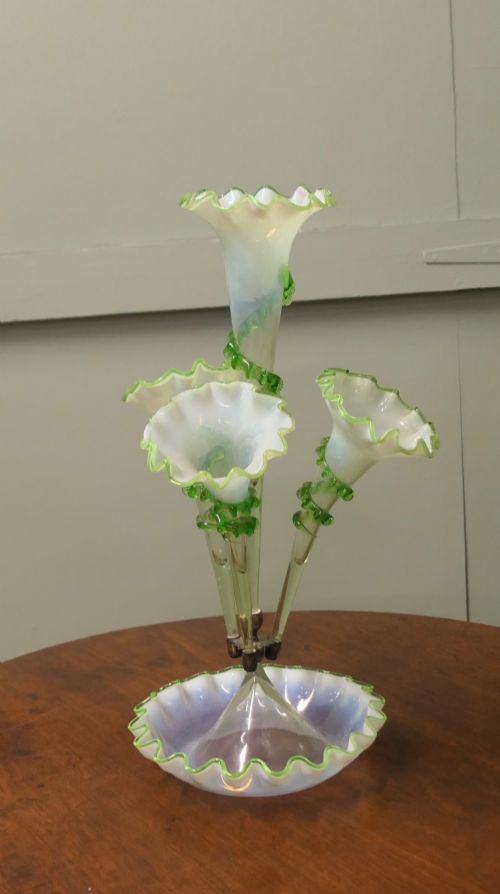
- A large table centrepiece featuring a central bowl with multiple branching arms or trumpets for holding fruit, flowers, or sweets. They often combine cut crystal with silver plate or bronze frames.
- Tazza
- A shallow saucer-like dish mounted upon a stem and foot. They are commonly seen in matched pairs using marble and ormolu.
- Champlevé
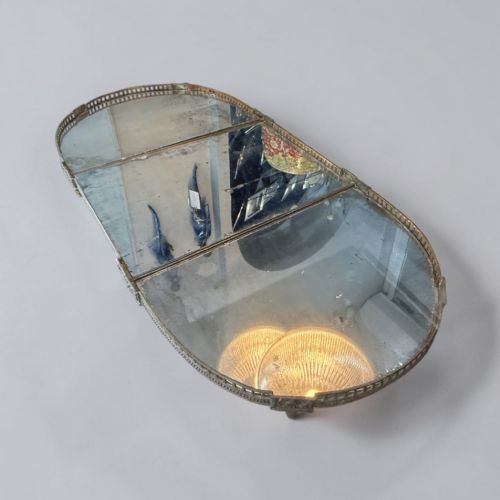
- An enamelling technique where troughs are carved into the surface of a metal object and filled with vitreous enamel paste before firing. It appears on decorative trays and centrepiece mounts.
Antique French Table Centrepiece: Frequently Asked Questions
What were antique french table centrepieces used for?
These pieces served as the decorative focal point of formal dining tables during the nineteenth and early twentieth centuries. They held arrangements of fresh fruit, flowers, or sweetmeats, or supported candles to illuminate the meal.
Beyond dining rooms, they functioned as display items on sideboards and consoles within wealthy households. Their elaborate forms were designed to display the host's taste and wealth to assembled guests.
How do I clean and care for gilt bronze and crystal?
Gilt bronze and ormolu require gentle dusting with a soft, dry brush to preserve the delicate gold surface. Moisture and chemical cleaners should be avoided, as they strip the historic gilding.
Crystal bowls can be lifted from their metal mounts and washed cautiously in lukewarm water with mild soap. Ensure glass inserts are completely dry before returning them to metal frames.
How can I tell Empire style from Art Nouveau?
Empire style pieces display strict symmetry, classical motifs such as wreaths and urns, and formal architectural lines derived from antiquity. They rely heavily on heavy cast ormolu and dark patinated bronze.
Art Nouveau examples introduce flowing, asymmetrical natural forms inspired by plants and flowers. You will notice whiplash curves, depictions of poppies, and delicate enamel work rather than rigid classical geometry.
Are crystal inserts usually original to the metal frames?
Many nineteenth-century centrepieces survive with their original hand-blown or cut crystal inserts, matched precisely to the contours of the bronze base. However, because glass is fragile, replacements from the period do occur.
Examining the fit, wear patterns on the base, and consistency of the glass tint helps determine whether the bowl and the stand belong together.