

French Glass Centrepiece
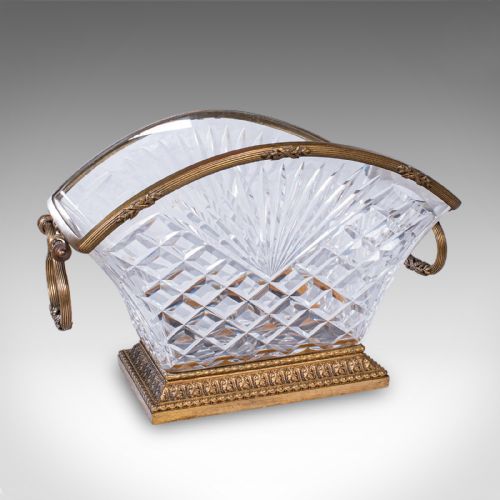
A French glass centrepiece brings dramatic presence to a dining table, combining heavy cut crystal or moulded opalescent glass with elaborate metal mounts.
French Glass Centrepiece
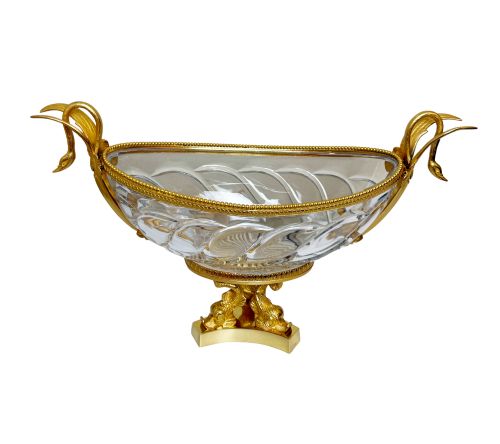
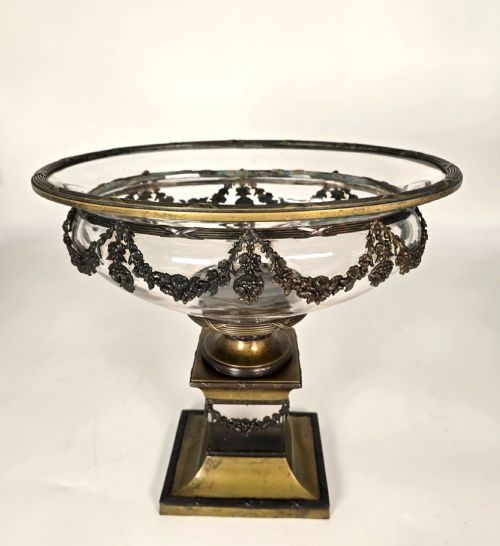
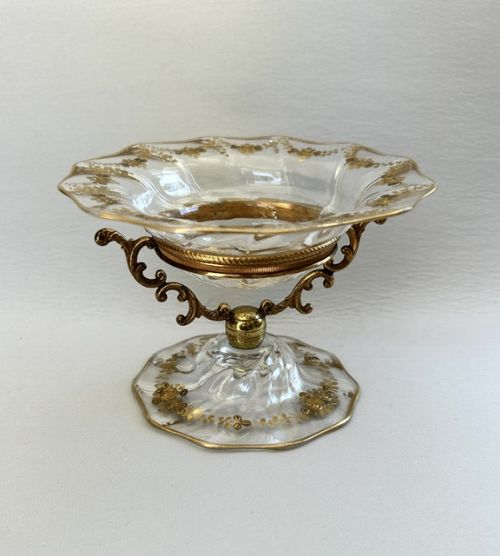
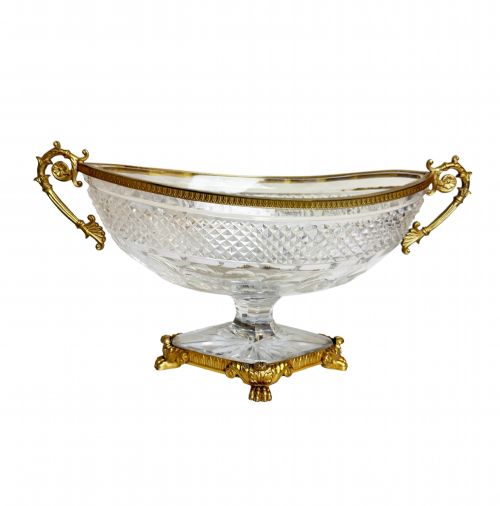
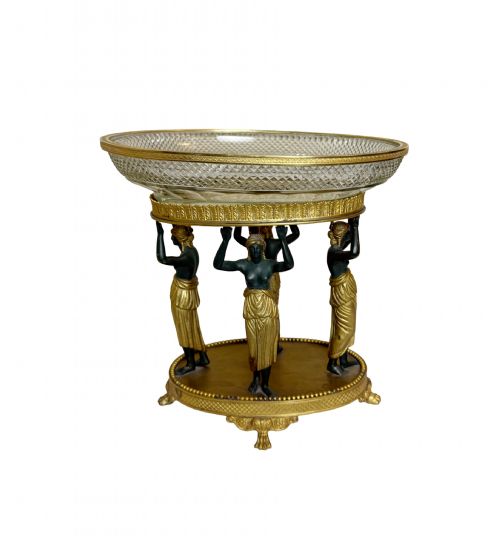
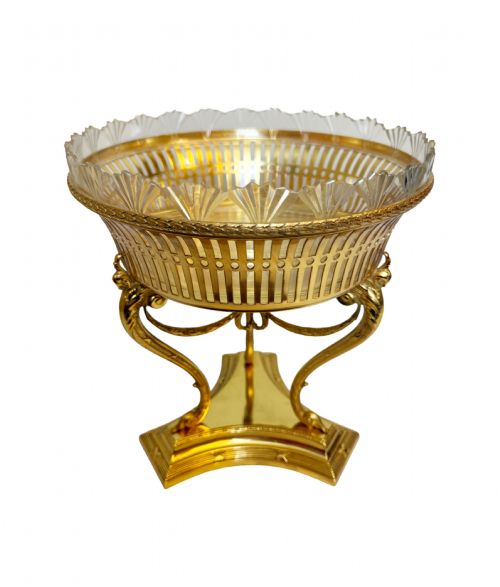
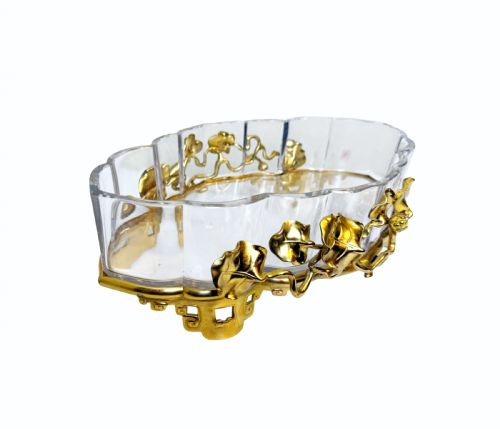
A french glass centrepiece is typically encountered as a decorative bowl, shallow coupe, or multi-trumpet epergne designed to anchor a formal table setting. These pieces combine glassware with cast metal mounts such as gilt bronze, ormolu, or silvered metal.
The objects span multiple aesthetic movements, appearing in ornate nineteenth-century revivals through to clean-lined Art Deco designs. Victorian and Edwardian examples sit alongside pieces from the Art Nouveau period and interwar modernism.
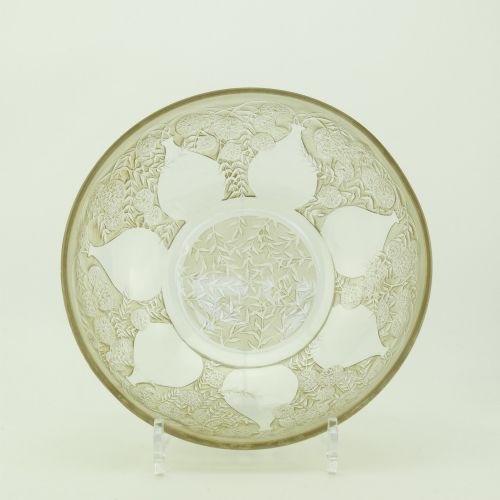
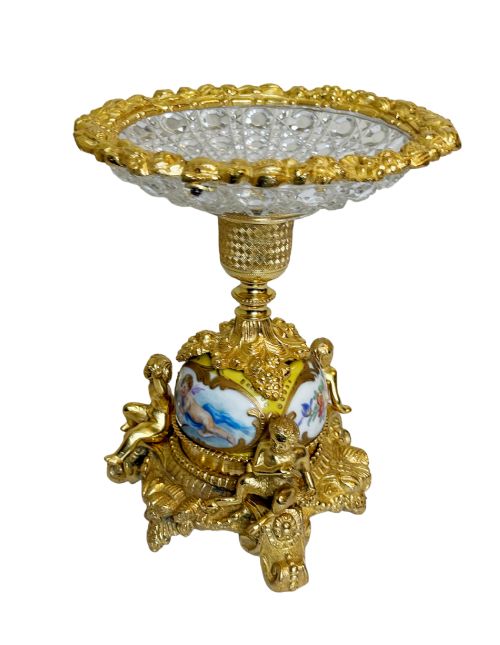
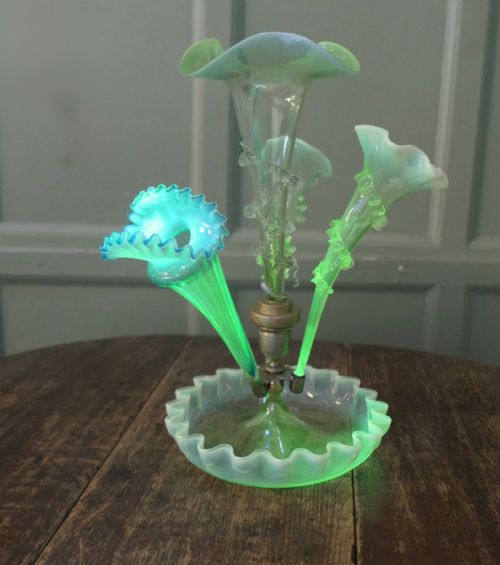
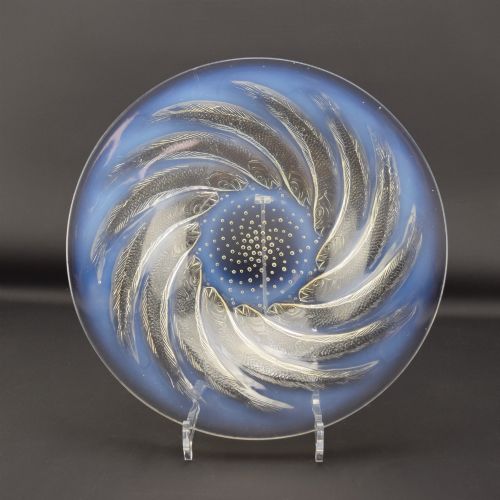
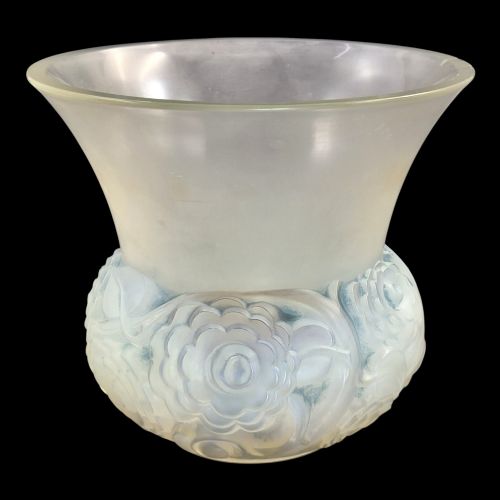
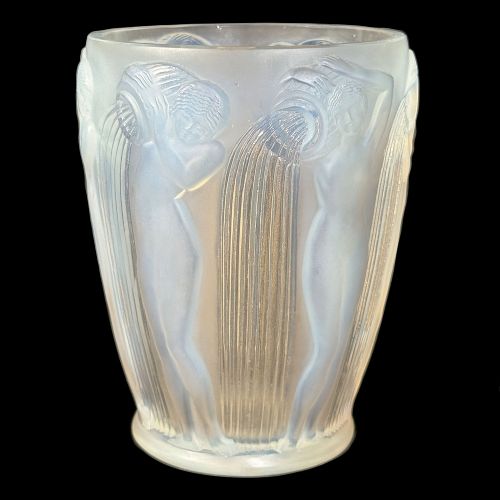
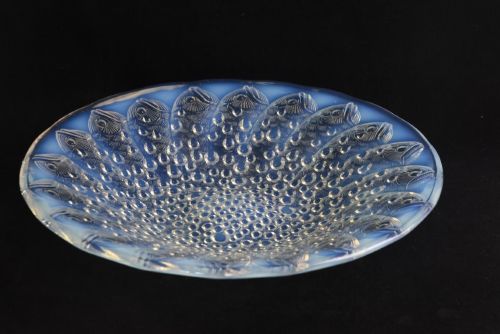
The glass component takes various forms, from hand-blown uranium glass and flashed crystal to heavily moulded opalescent bowls bearing distinct relief decoration. Metal frames often incorporate classical motifs, cherubs, or botanical patterns to support the glass vessel.
Evaluating craftsmanship
Quality reveals itself in the crispness of the metal cast and the weight and clarity of the glass insert. Superior bronze mounts display sharply chased details rather than soft, blurred edges from worn production moulds.
The relationship between metal and glass indicates the tier of manufacture; high-grade pieces feature custom-fitted mounts that follow the exact contours of the bowl without excess pinners or play.
Some centrepieces include dancing mermen or brass cherubs gripping the crystal so tightly they deserve a rest.
Rene Lalique·Daum France·Etling·Baccarat·St Louis glassworks
The French Glass Centrepiece Glossary
- Ormolu
- A gold-coloured bronze alloy used for decorative mounts and stands. It provides a rich, metallic contrast against clear or coloured glass.
- Opalescent glass
- Glass that diffuses light to display milky-blue or amber highlights across relief patterns. This effect is achieved through specific chemical additives during the cooling process.
- Epergne
- A tiered table centrepiece featuring a central bowl with branching trumpets or subsidiary dishes. They were traditionally used for serving fruit, sweetmeats, or displaying floral arrangements.
- Coupe ouverte
- An open bowl or shallow dish form frequently utilised in twentieth-century pressed and moulded glass designs. These pieces often feature deep relief decoration on the underside.
- Pâte de verre
- A glass-casting method where finely crushed glass is packed into a mould and fused in a kiln. This technique produces dense, semi-translucent objects with rich colour saturation.
French Glass Centrepiece: Frequently Asked Questions
How were centrepieces used originally?
These large vessels stood at the middle of formal dining tables during the nineteenth and early twentieth centuries. Hosts filled them with fresh fruit, sweetmeats, or elaborate floral displays to serve as visual focal points for guests.
Over time, their role shifted from functional service items to purely decorative objects displayed on sideboards, mantelpieces, or dedicated tables.
How do I distinguish Victorian from Art Deco pieces?
Victorian examples lean heavily into ornate revival styles, featuring elaborate gilt bronze mounts, cherubs, heavy cut crystal, and multi-stemmed epergnes. The aesthetic prioritizes historical pastiche, rich detail, and complex silhouettes.
Art Deco items, by contrast, focus on stylized geometry, frosted opalescent surfaces, and simplified metal framing. The decoration draws on flora or abstract relief rather than classical revival motifs.
Are the glass bowls removable from their stands?
Most metal frames are constructed to hold the glass vessel securely while allowing it to be lifted out for cleaning. Original mounts often use securing screws, folding tabs, or simply rely on gravity and precise sizing.
Care must be taken when separating the components, as older glass rims can chip against unyielding bronze if handled without caution.