



Blue Porcelain Centrepiece
A blue porcelain centrepiece serves as a striking table focal point, bringing historic artistry and rich cobalt decoration into a room.
Blue Porcelain Centrepiece
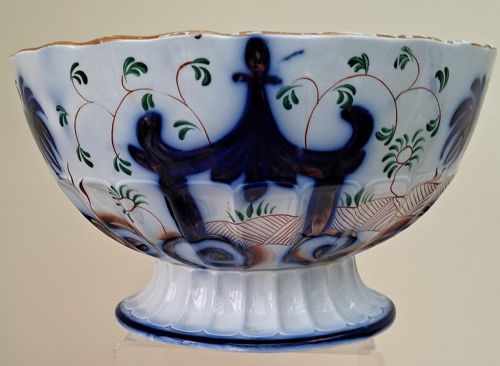
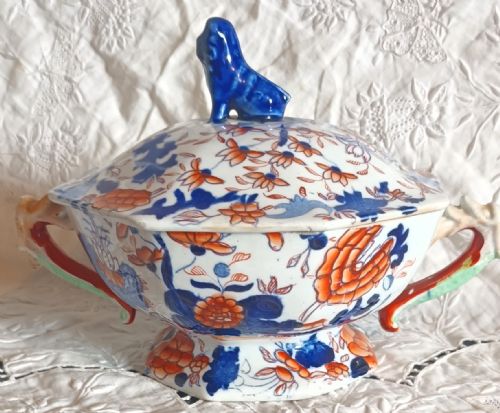
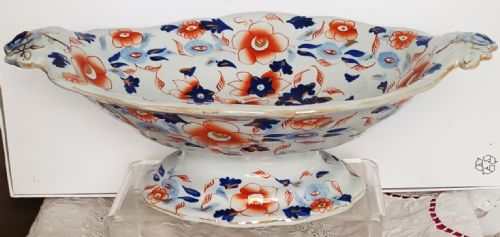
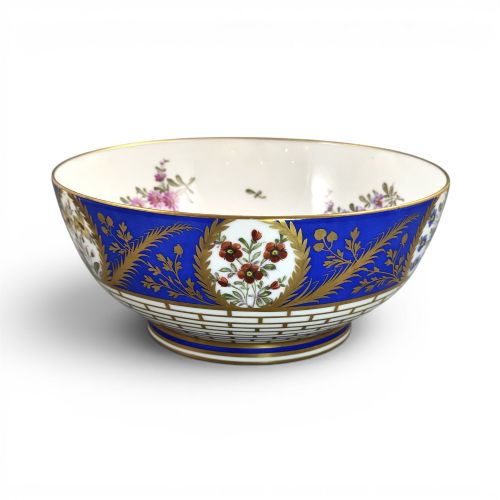
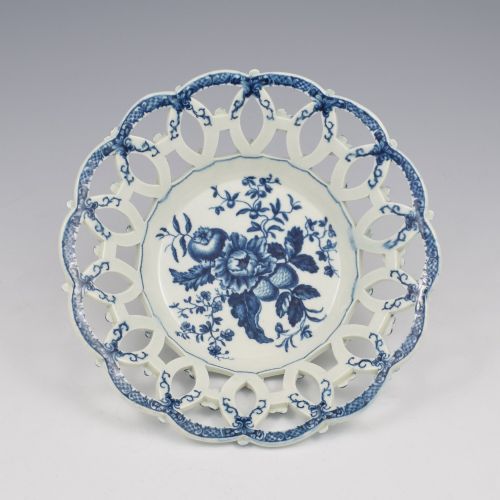
A blue porcelain centrepiece comprises large decorative bowls, comports, punch bowls, and tureens designed to anchor a dining table or cabinet. These items emerge from various periods, including the eighteenth and nineteenth centuries, spanning Georgian, Victorian, and Edwardian eras.
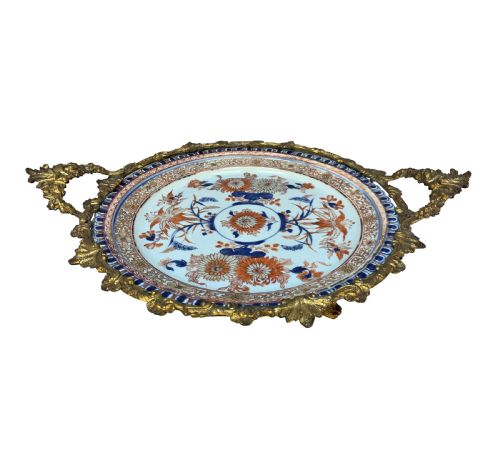
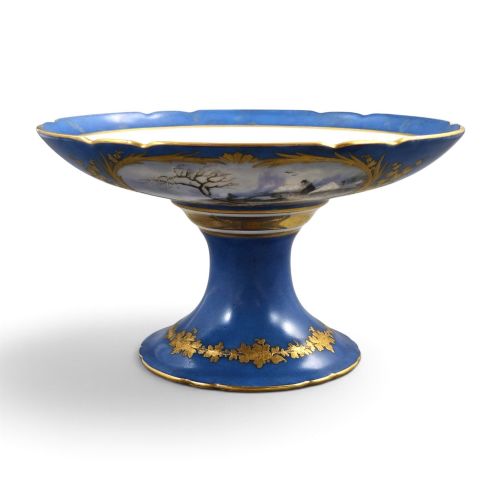
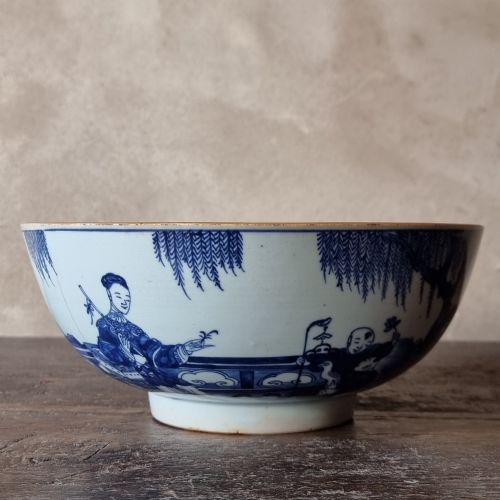
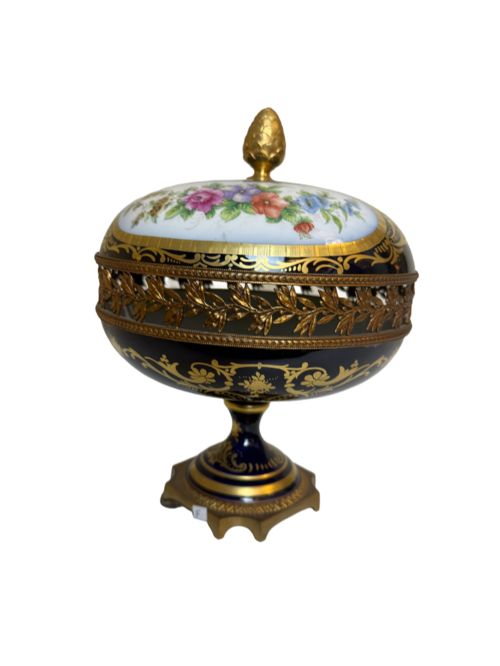
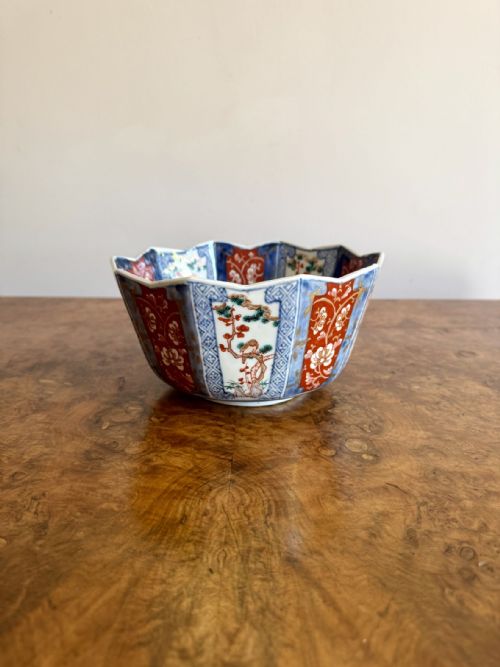
The selections on this page feature notable imports and domestic productions, ranging from Japanese Imari and Chinese Export wares to English ironstone and French porcelain. Buyers frequently encounter traditional scalloped bowls, footed comports, and lidded dishes decorated in rich cobalt tones.
Makers and regional styles shape the selection, with works attributed to factories such as Wedgwood, Royal Crown Derby, and Doulton Burslem alongside Asian export pieces. The forms serve both ornamental display and traditional serving functions within historic interiors.
What varies in quality
The refinement of the hand-painted cobalt motifs and the crispness of the porcelain moulding separate standard wares from superior examples. Pieces featuring detailed pictorial landscapes, hand-signed artist work, or complex gilding demonstrate greater artistic skill.
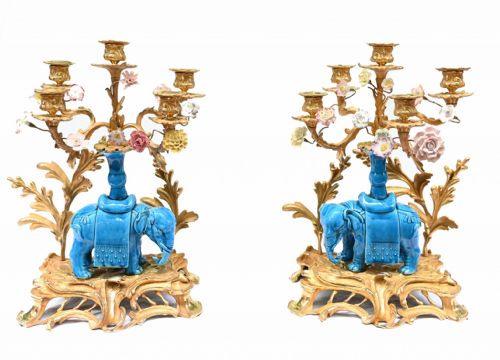
The integration of metal mounts, such as cast ormolu or gilt bronze fittings, influences the overall character of the piece. Heavier, more substantial porcelain bodies combined with secure, well-fitted metalwork indicate higher production standards.
Several bowls feature hand-painted American eagles and battling samurai, proving that historic porcelain makers delighted in global storytelling.
Doulton Burslem·Royal Crown Derby·Wedgwood·Samson Paris·Kinkozan Kyoto
The Blue Porcelain Centrepiece Glossary
- Comport
- A raised dish or bowl on a foot, typically used for serving fruit or sweets as part of a table service. These pieces frequently stand as the focal point of a dining arrangement.
- Imari
- A style of Japanese porcelain featuring a palette of cobalt blue and iron red, often highlighted with gold. The style found heavy imitation and appreciation across European factories.
- Ormolu
- Gilt bronze mounts applied to furniture and porcelain during the eighteenth and nineteenth centuries. The technique involves treating brass or bronze with a gold-mercury amalgam.
- Tureen
- A deep, large vessel with a cover, originally designed for serving soup or stews. Many examples double as decorative centrepieces on large dining tables.
- Tazza
- A shallow saucer-like dish mounted on a stem and foot. This Italian-derived form serves a similar display function to the comport.
Blue Porcelain Centrepiece: Frequently Asked Questions
What is a blue porcelain centrepiece used for?
These large vessels function primarily as decorative table centrepieces, fruit bowls, or ornamental display items within a dining room or parlour. Historically, punch bowls and tureens also served specific culinary purposes during formal meals.
Today, collectors place them on sideboards, tables, or cabinets to add historic colour and architectural presence to an interior space.
How do I date an antique porcelain bowl?
Dating relies on examining the glaze characteristics, the style of the cobalt blue decoration, and any factory marks stamped or painted on the base. Comparing the form against known periods like the Georgian or Victorian eras helps narrow the timeline.
Stylistic influences, such as Japanese Imari or French Rococo Revival mounts, also provide strong chronological indicators for the piece.
What is the difference between Imari and blue and white porcelain?
Blue and white porcelain relies exclusively on cobalt blue underglaze decoration against a white ceramic background. Imari porcelain incorporates this same blue tradition but adds contrasting iron red and gold leaf highlights.
This multi-coloured palette gives Imari pieces a distinct visual richness that sets them apart from standard blue and white wares.
How should I care for a porcelain centrepiece?
Dust the surface gently with a soft, dry cloth to prevent the accumulation of dirt within the glazed recesses. Avoid harsh chemical cleaners or abrasive scrubbing, which can damage hand-painted motifs, gold leaf, and delicate metal mounts.
Keep the piece away from direct sunlight and areas subject to sudden temperature fluctuations to protect the integrity of the glaze and metalwork.