
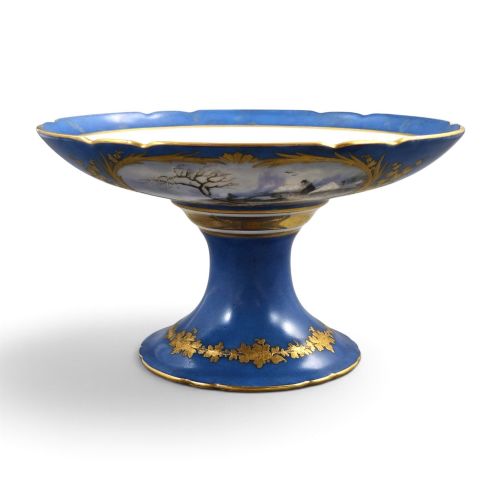
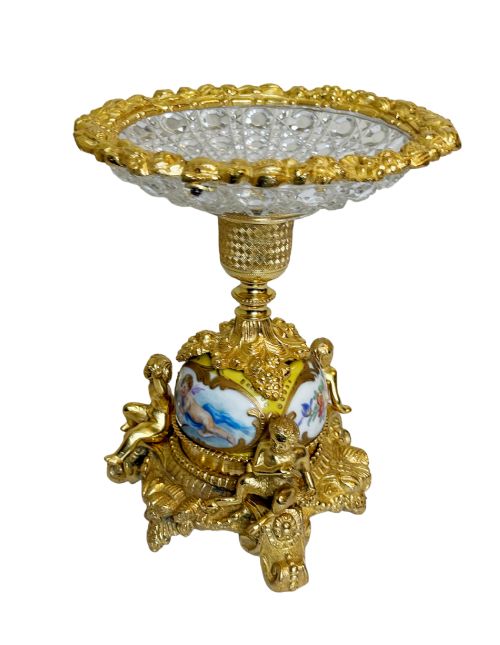


French Porcelain Fruit Bowl
A French porcelain fruit bowl brings nineteenth-century grandeur to the table through hand-painted porcelain and gilt bronze mounts.
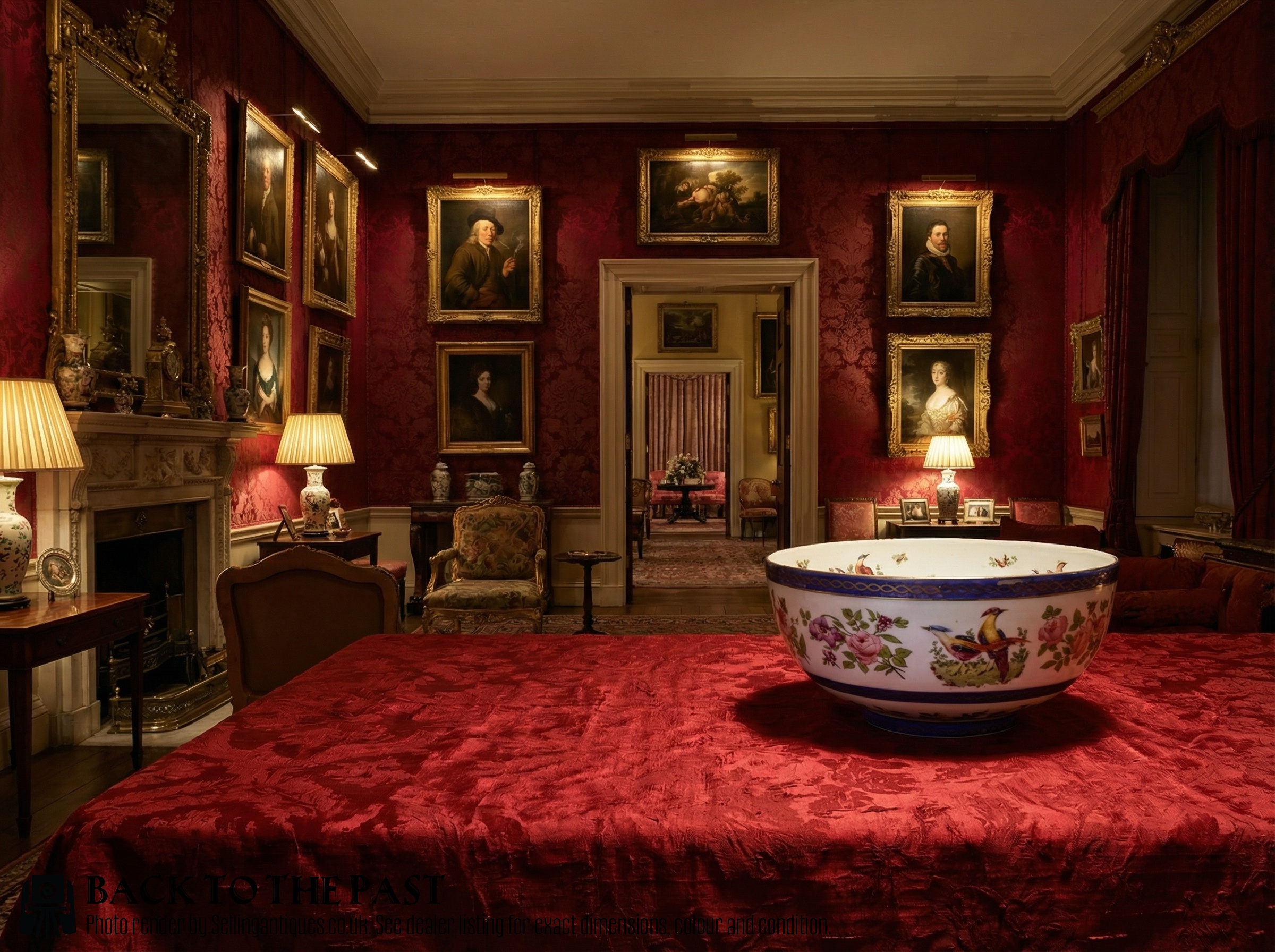
French Porcelain Fruit Bowl
When you search for a french porcelain fruit bowl, you are looking at nineteenth-century European serving vessels that often combine glazed porcelain with gilt bronze, ormolu, and cut crystal. The forms range from pedestal bowls and comports to baskets, tazzas, and large oval dishes.
You are most likely to meet pieces from the Victorian era and the late nineteenth century, including items made in the styles of the French Rococo Revival, Empire, and Restauration periods. Many of these decorative centrepieces incorporate detailed hand-painted scenes or armorial motifs.
Makers and workshops of the period, such as Sèvres, Samson of Paris, and Haviland, produced these bowls for grand table displays and formal interiors. They function as both structural comports and decorative centrepiece bowls for fruit or floral arrangements.
Materials and construction
The body of each piece relies on fired porcelain, frequently enhanced with coloured glazes, gold leaf, and enamel work. Artisans painted these surfaces by hand, depicting birds such as pheasants alongside classical or armorial subjects.
Metal mounts in gilt bronze, ormolu, and gold leaf provide structural support and decorative handles or feet for the porcelain basins. Cut crystal also appears in composite centrepieces, secured within cast metal frameworks.
Hand-painted pheasants peer out from porcelain basins while cherubs cling to gilt bronze mounts, watching over the fruit.
Judging the quality
The fineness of the hand-painted decoration separates standard production pieces from exceptional works, particularly in the precision of brushwork on avian and armorial subjects. Richness of enamel application and the depth of the blue ground colour also dictate distinction.
The weight and chasing of the gilt bronze or ormolu mounts indicate the standard of craftsmanship, where crisp casting and secure integration with the porcelain body matter most. Pieces bearing identifiable factory styles or Samson and Sèvres associations display greater artistic ambition.
Sèvres·Samson Of Paris·Haviland
The French Porcelain Fruit Bowl Glossary
- Comport
- A raised vessel on a pedestal or foot, used for serving fruit or sweets at formal dining tables. It forms a key part of nineteenth-century centrepiece arrangements.
- Ormolu
- Gilt bronze mounts applied to furniture and porcelain, cast and finished by hand to provide decorative handles, feet, or rims. This technique highlights the opulent style of French Empire and Rococo Revival pieces.
- Tazza
- A shallow saucer-like dish mounted on a stem and foot, originating from classical forms. It serves as an elevated presentation dish for fruit or confectionery.
- Armorial
- A design featuring heraldic coats of arms or crests painted onto the porcelain surface. These bespoke commissions reflect prominent family lineages and elite dining customs.
- Ground colour
- The primary background hue applied to porcelain before additional gilding or painted scenes are added. Classic examples include deep blue grounds seen on nineteenth-century Sèvres style pieces.
French Porcelain Fruit Bowl: Frequently Asked Questions
What is a french porcelain fruit bowl?
A french porcelain fruit bowl is a nineteenth-century decorative vessel designed for formal dining tables, often featuring hand-painted motifs and gilt bronze mounts. These pieces include comports, tazzas, and pedestal bowls.
Originating largely from the Victorian period, they reflect French design movements such as Rococo Revival and Empire style. Many incorporate painted scenes of birds or armorial crests.
How were these bowls used?
These bowls served as centrepieces on large dining tables for presenting fruit, comfits, or flowers during formal meals. Their elevated pedestals and basins added height and visual structure to the table setting.
Over time, many transitioned into pure display objects for sideboards and mantelpieces. Their decorative gilt bronze mounts and hand-painted porcelain made them focal points in nineteenth-century drawing rooms.
How do I live with a antique bowl?
Living with these pieces involves placing them on stable surfaces away from heavy foot traffic, as the porcelain and gilt bronze combinations are delicate. They work well as standalone decorative objects on tables or cabinets.
Cleaning requires gentle dusting with a soft dry cloth to protect the painted enamel and gold leaf. Avoid harsh chemical cleaners that can damage the delicate glaze or metal patination.