
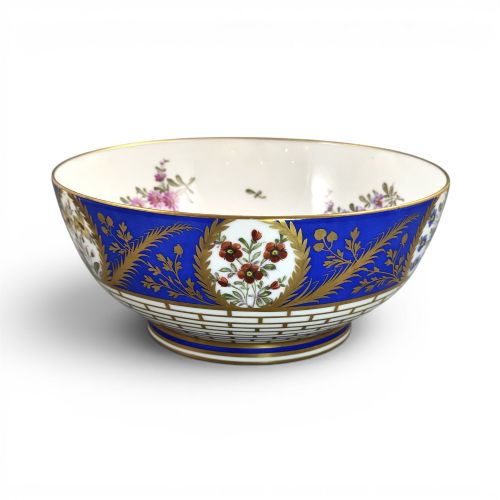


French Decorative Porcelain Bowl
A french decorative porcelain bowl brings nineteenth-century drawing-room elegance to a table, offering painted panels, gilt mounts, and decorative presence.
French Decorative Porcelain Bowl
A search for a french decorative porcelain bowl reveals nineteenth-century tablewares and display vessels, spanning the years from eighteen-eighty to nineteen-hundred. These items include comports, centrepieces, garniture sets, lidded dishes, and footed bowls designed for visual impact.
The objects derive largely from French production centres, including Limoges and Paris, alongside pieces created in specific revivals of earlier European ceramic traditions. Forms range from low decorative dishes to elevated centrepiece bowls mounted on stands.
Many examples appropriate styles such as French Rococo Revival and Chelsea-Derby Revival, while others incorporate Japonisme or French Chateau aesthetics. Buyers encounter both marked factory pieces and unmarked cabinet items intended for interior display.
How they were made
Makers shaped the porcelain bodies by hand or in moulds before firing, then applied detailed hand-painted scenes, floral motifs, or exotic birds such as pheasants. Enamel work, including champlevé techniques, added saturated colour and raised pattern work to the glazed surfaces.
Metal mounts in gilt bronze, ormolu, and gold leaf were cast and chased to frame the ceramic bodies, providing handles, rims, and supporting feet. These metal elements were then secured to the porcelain vessels with pins or screws.
Listings feature nineteenth-century materials including porcelain, enamel, gilt bronze, ormolu, gold leaf, and gilt metal.
What varies in quality
The standard of painting on the porcelain body sets one piece apart from another, distinguishing hurried factory decoration from delicate, individual brushwork. Fine examples display crisp detail in figurative scenes and rich saturation in background colours.
The execution and weight of the metal mounts contribute significantly to the overall merit of the object. Heavy, well-chased gilt bronze and ormolu mounts indicate a higher grade of production than thin or stamped gilt metal.
Samson Paris·Louis Pierre Malpass
The French Decorative Porcelain Bowl Glossary
- Comport
- An elevated dish or bowl used for serving fruit or sweets on a dining table. These vessels stand upon a central foot or pedestal base.
- Garniture set
- A matched group of three or five vases, urns, or bowls designed to sit together on a mantelpiece or cabinet top. They share decorative themes and materials.
- Ormolu
- Gilt bronze created by applying an amalgam of mercury and gold to a bronze object, then heating to drive off the mercury. This technique produces a deep, lasting golden finish.
- Champlevé
- An enamelling technique where troughs or cells are hollowed out in the metal surface and filled with vitreous enamel before firing. The metal partitions remain visible between the coloured enamel areas.
- Japonisme
- A nineteenth-century artistic style influenced by Japanese art and design, visible in asymmetrical compositions and specific subject matter. It reflects the broader European fascination with imported Eastern aesthetics.
French Decorative Porcelain Bowl: Frequently Asked Questions
What is a french decorative porcelain bowl used for?
These pieces served originally as centrepieces for dining tables or as decorative ornaments for drawing-room display. Owners placed them on side tables and mantelpieces to showcase painted scenes and gilt mounts.
Today, buyers use them in similar decorative schemes as focal points on sideboards, dining tables, or open shelving. They function primarily as decorative objects rather than utilitarian tableware.
How do you date a nineteenth century porcelain bowl?
Dating relies upon stylistic markers, factory marks, and the character of the metal mounts. Nineteenth-century pieces often incorporate specific revival styles or aesthetic movements like Japonisme.
The quality of the gilding and the composition of the porcelain body provide further clues to the decade of manufacture. Comparing the piece to documented factory output helps narrow the period.
What is the difference between Sèvres and Sèvres style?
Pieces marked as Sèvres were produced directly by the national French porcelain manufactory. These bear official factory ciphers that record the year of creation.
Items described in the style of Sèvres were made by other factories, such as Samson or independent Paris studios, to emulate the famous French aesthetic. These alternative pieces often use decorative motifs associated with the royal manufactory without carrying its marks.
How do you care for porcelain with gilt bronze mounts?
Care requires gentle dusting with a soft, dry cloth to prevent accumulation on the painted surfaces and metal mounts. Moisture and chemical cleaners can damage both the enamel and the gilt finish.
Handling should involve supporting the piece by its base rather than lifting it by decorative metal handles or mounts. Placing the object away from direct sunlight protects the painted colours from fading.