


Antique French Storage Chest
An antique french storage chest brings sturdy utility and refined proportions to a room, holding linens or garments while anchoring the space.
Antique French Storage Chest
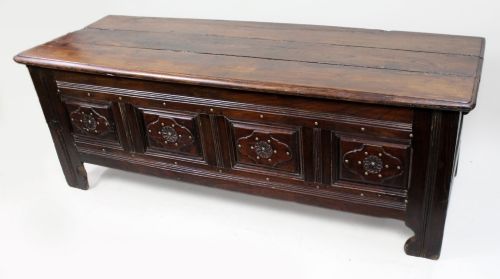
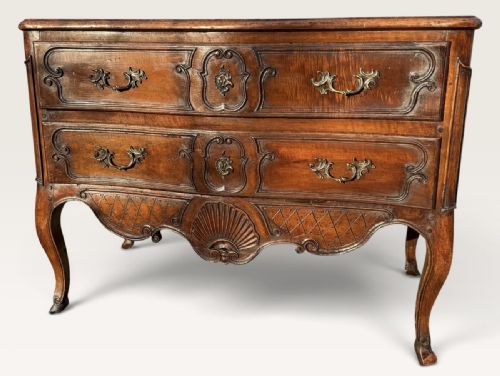
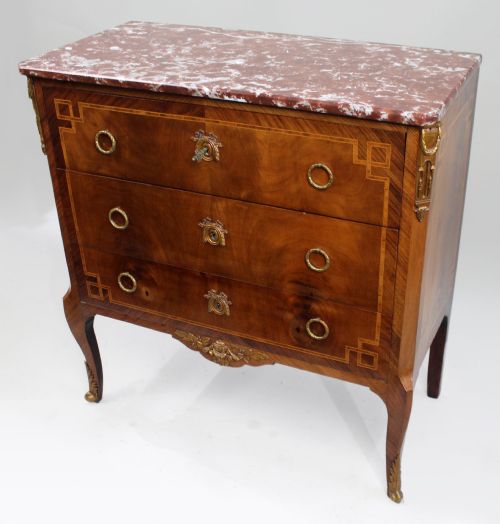
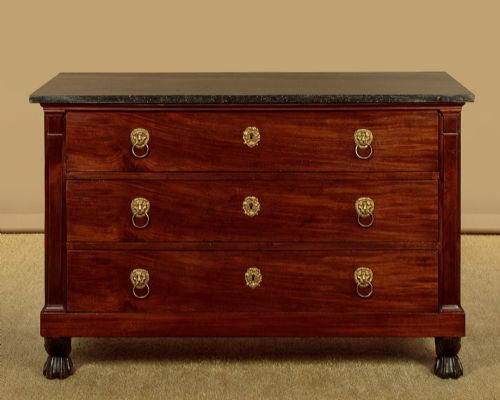
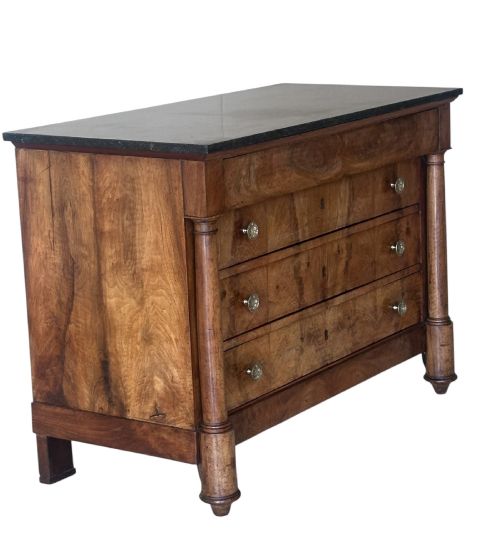
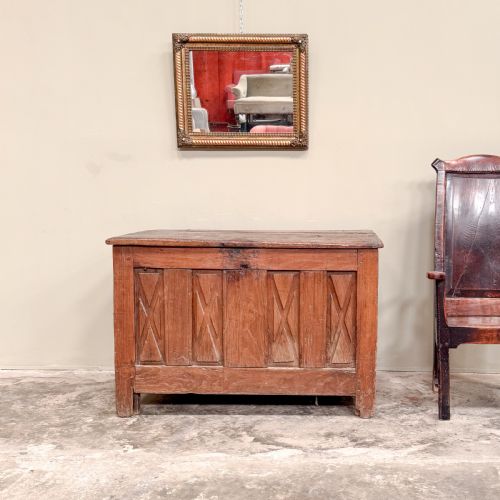
An antique french storage chest encompasses heavy oak coffers, walnut commodes, and fitted trunks designed to hold household goods. Buyers examining this category will find everything from rustic provincial blanket boxes to grand marble-topped commodes.
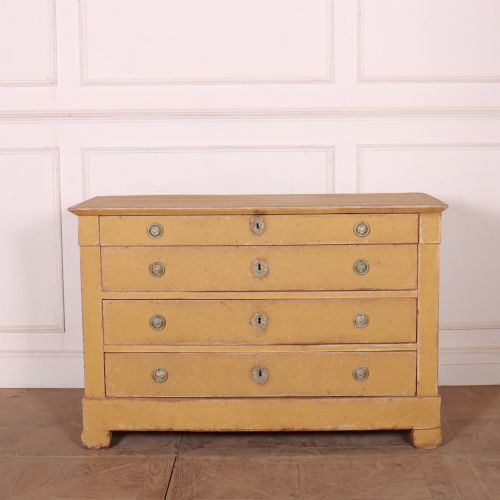
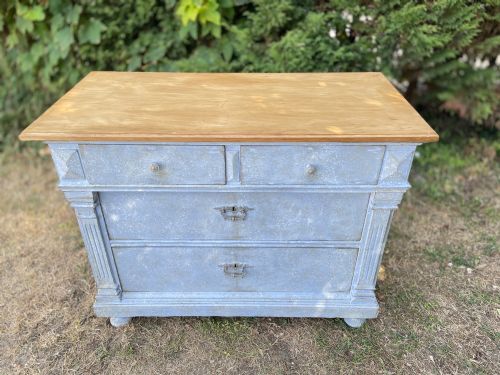
The pieces span the eighteenth, nineteenth, and early twentieth centuries, reflecting regional workshops and metropolitan cabinet-makers alike. Oak and walnut dominate the earlier utilitarian forms, while later examples incorporate mahogany, painted finishes, and elaborate veneers.
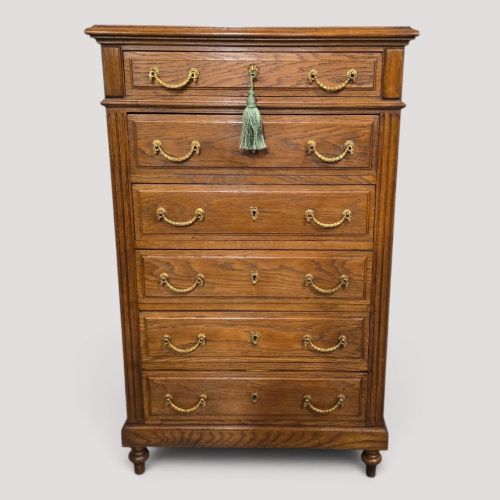
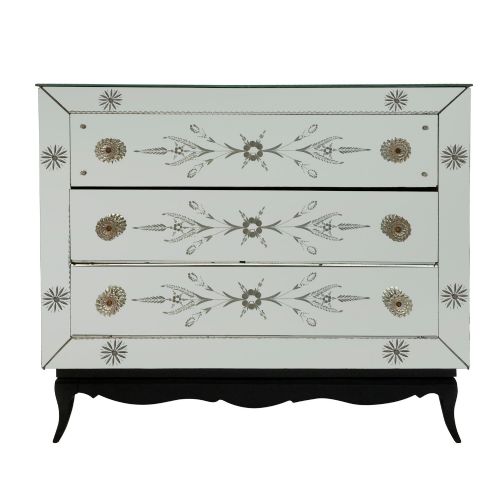
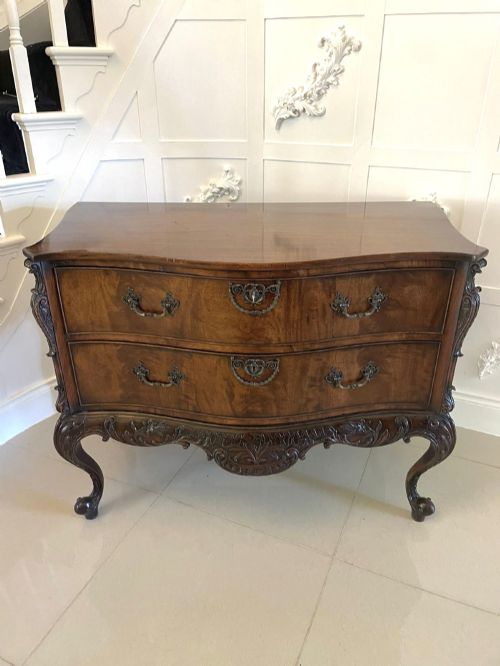
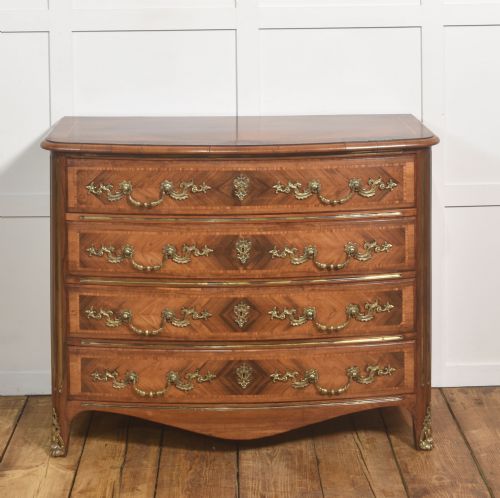
The selection ranges from plain panelled storage trunks built for domestic use to serpentine-fronted commodes and tall cabinets. Provincial coffers and commodes represent the most common encounters on this page, offering deep storage within distinctively continental silhouettes.
How they were made
Carpenters constructed these pieces using solid timbers such as oak, walnut, cherrywood, and pine, frequently employing traditional dovetail joints for drawer construction. Panels were fitted to allow for natural wood movement through seasonal humidity changes without splitting the primary structure.
Surface ornamentation relied on applied veneers, marquetry patterns, and painted finishes rather than plain timber alone. Finer examples added marble tops in grey or rouge varieties, secured directly to the wooden carcass, alongside cast brass and ormolu mounts.
Antique French Storage Chest Retail Price Guide 2026
Typical asking prices for french storage chest among the pieces listed under this phrase on Sellingantiques today, from the lower quarter to the upper quarter. They describe what is for sale here now, not the wider market.
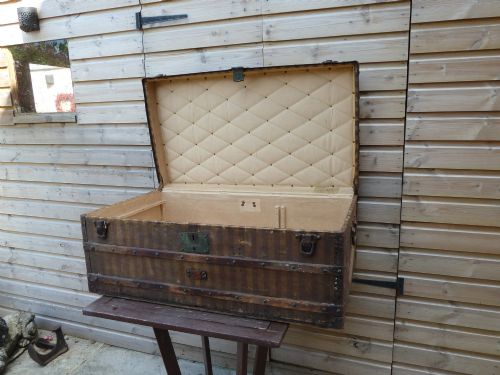
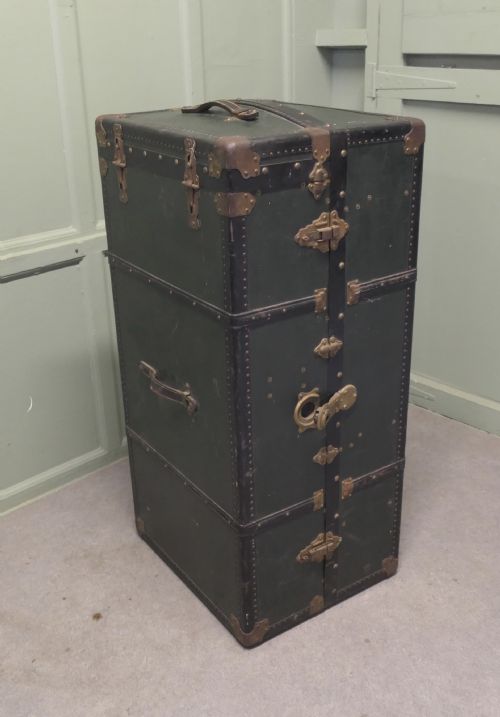
A solitary early trunk bears the scars of forgotten journeys across continental railways.
What varies in quality
The integrity of the timber selection and the precision of the joinery mark the difference between standard utilitarian pieces and superior cabinet-making. Thick, well-figured walnut veneers and hand-cut dovetails indicate workshops of higher standing.
The execution of decorative elements, from carved serpentine drawer fronts to chased ormolu mounts and fitted interiors, dictates the overall standard. Pieces retaining their original marble tops and functional locking mechanisms command greater regard among collectors.
Louis Vuitton
The Antique French Storage Chest Glossary
- Commode
- A low chest of drawers, often fitted with a marble top and decorative mounts. The form evolved in France during the seventeenth century from simple cupboards into highly ornate pieces.
- Coffer
- A heavy wooden box used primarily for storage, constructed with pegged joints and solid panels. These sturdy receptacles predate standard wardrobes and chests of drawers.
- Ormolu
- Gilt bronze mounts applied to furniture for decorative enrichment. The technique involves applying a mercury and gold amalgam to bronze before firing.
- Marquetry
- Inlaid patterns of contrasting wood veneers applied to a carcass to form pictorial or geometric designs. Skilled artisans cut delicate shapes to fit flush across the surface.
- Bombe
- A swollen or bulging convex shape characteristic of certain eighteenth-century case furniture. This curved profile requires exceptional skill in woodworking to maintain structural stability.
Antique French Storage Chest: Frequently Asked Questions
How do I date an old chest?
Examine the construction methods, tool marks inside the drawers, and timber species. Hand-sawn boards and pegged joints usually point to eighteenth-century or earlier provincial origins.
Later nineteenth-century pieces often display machine-sawn components and standardised fixings. Stylistic cues such as brass mounts and marble types help narrow down the decade further.
Were these chests used in bedrooms?
Commodes and drawer chests served primarily in bedchambers for holding linen, undergarments, and personal attire. Deeper coffers and trunks were often placed in hallways or landing spaces for bulky blankets.
Over time, many adapted to living rooms and dining spaces as decorative storage solutions. Their versatile proportions allowed them to transition easily between different domestic rooms.
How do I care for antique wood?
Keep wooden surfaces away from direct heat sources and strong sunlight to prevent the timber from drying out and cracking. Maintain a stable indoor humidity where possible.
Apply high-quality beeswax sparingly and buff gently with a soft cloth. Avoid modern silicone sprays that can penetrate the grain and damage older finishes.