



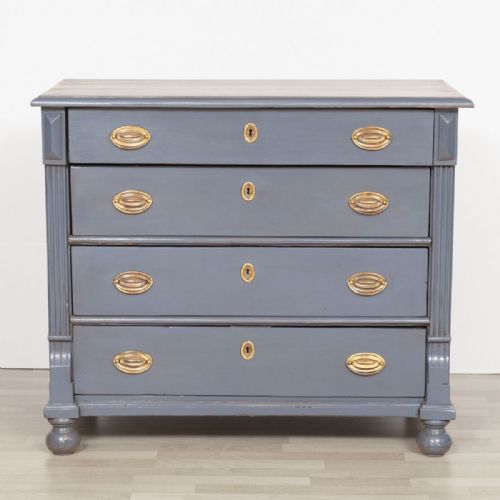
Neoclassical Chest of Drawers
A neoclassical chest of drawers brings architectural clarity and rich timber figure into a room.
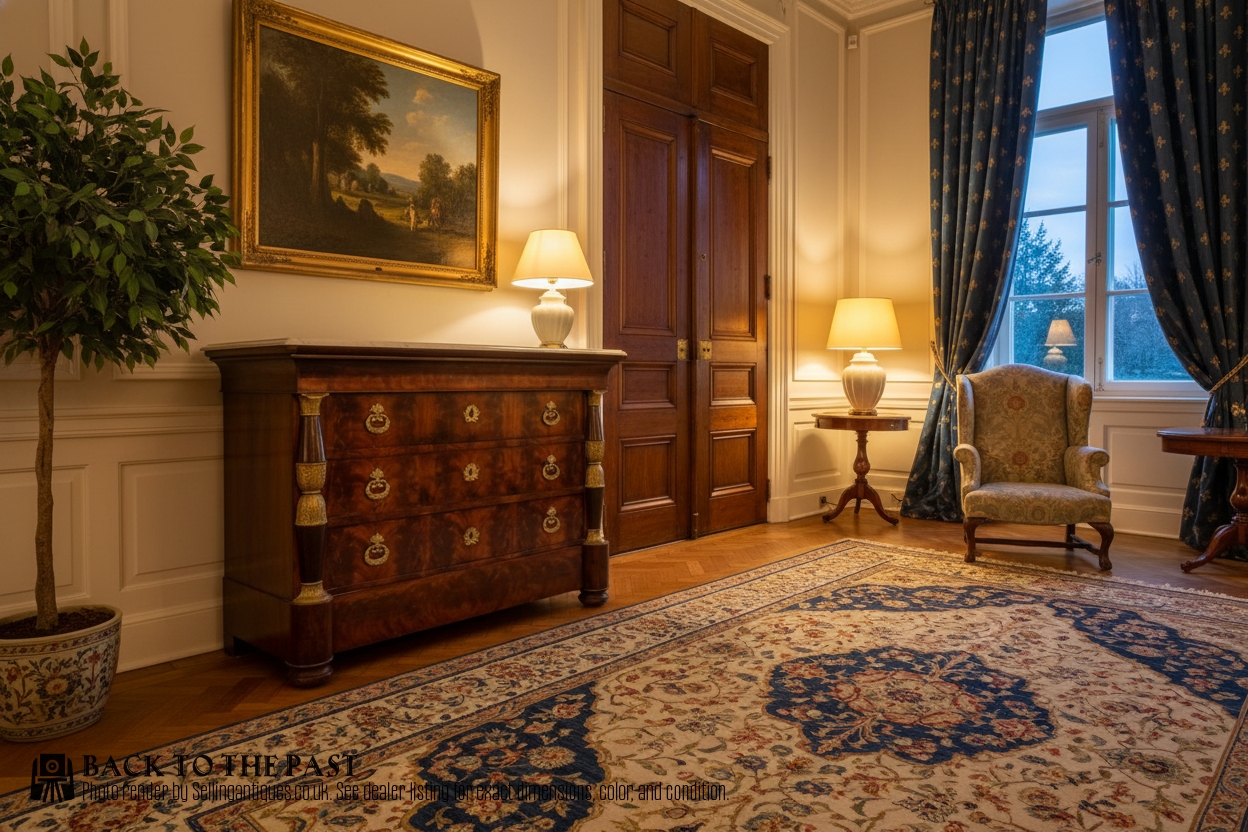
What a neoclassical chest of drawers is
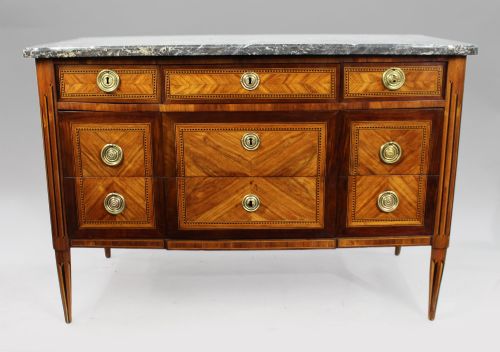
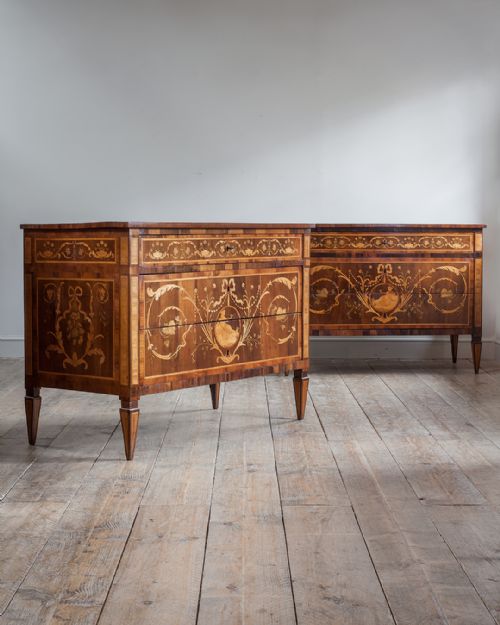
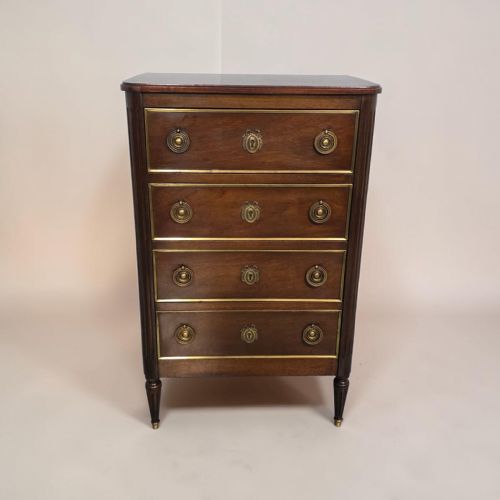
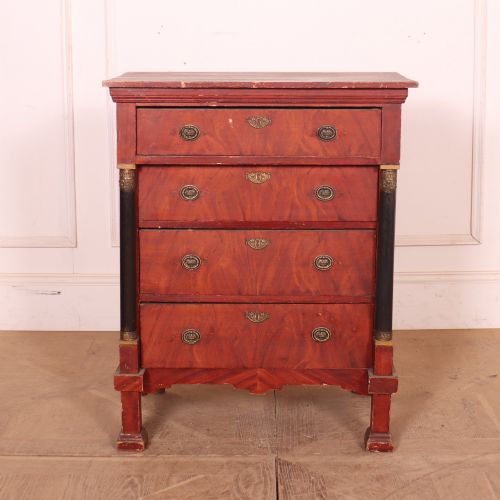
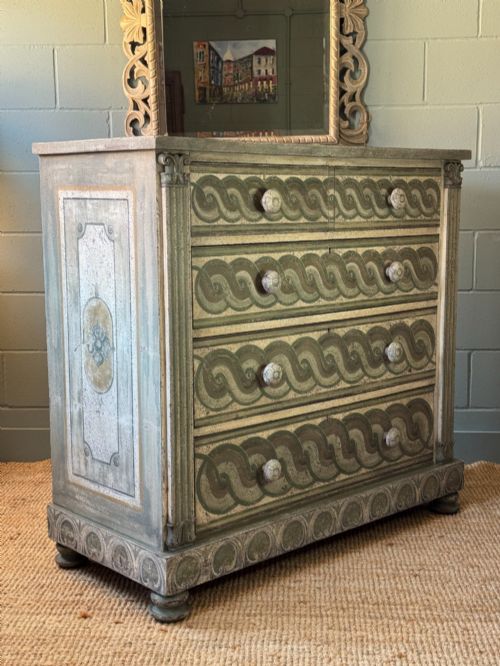
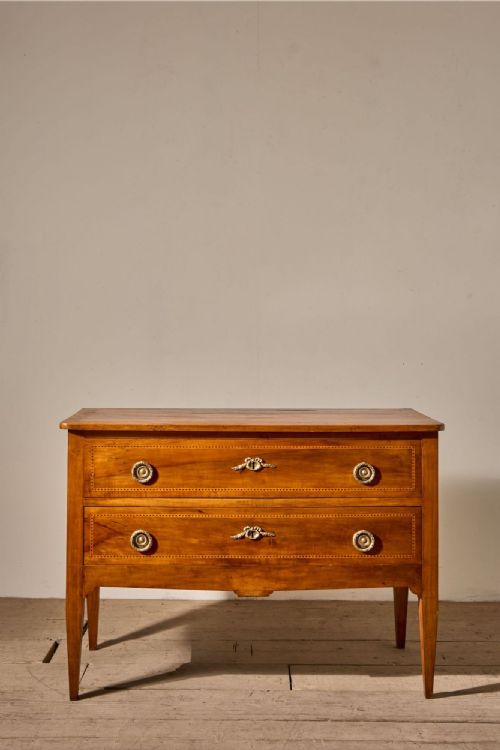
A neoclassical chest of drawers embodies the restrained symmetry and classic architectural vocabulary of the late eighteenth and nineteenth centuries. These pieces present clean rectilinear or bow fronted silhouettes that draw upon classical antiquity for inspiration.
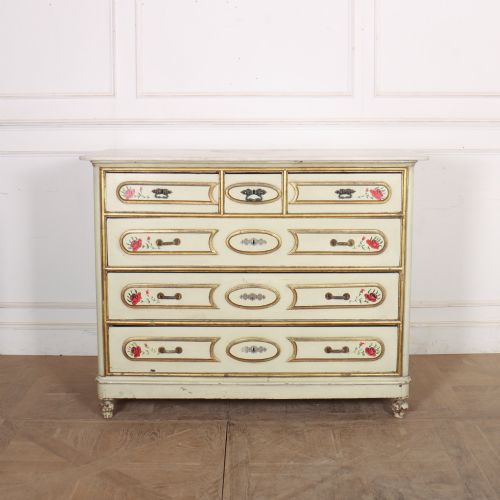
The versions most commonly met on this page span the eighteenth and nineteenth centuries, taking the form of commodes and chests of drawers. Originating from French, Dutch, Italian, and English workshops, they demonstrate regional interpretations of the neoclassical style.
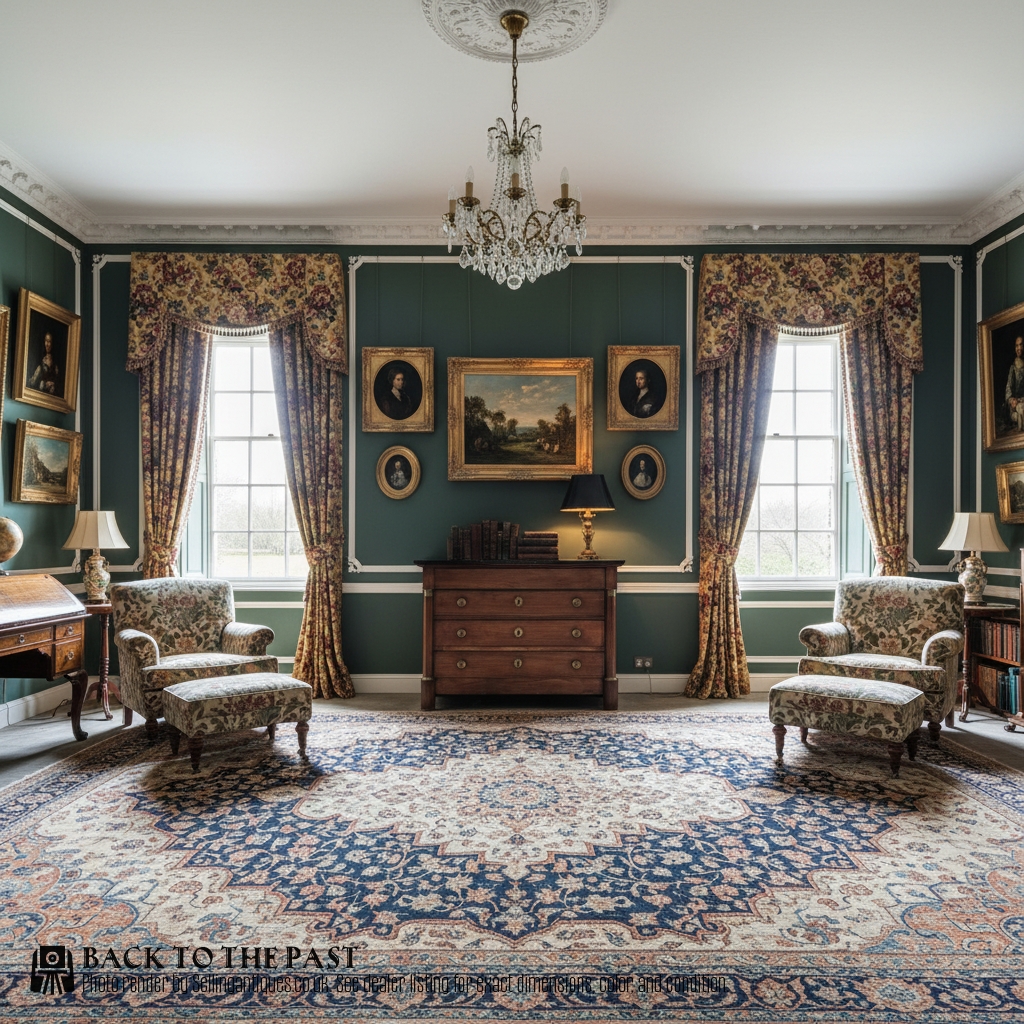
How they were made
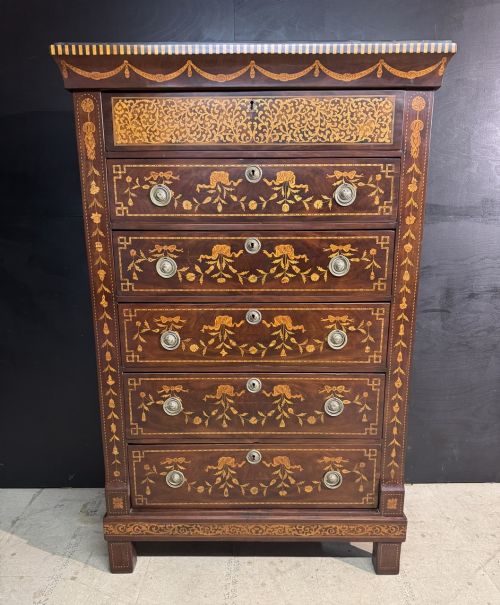
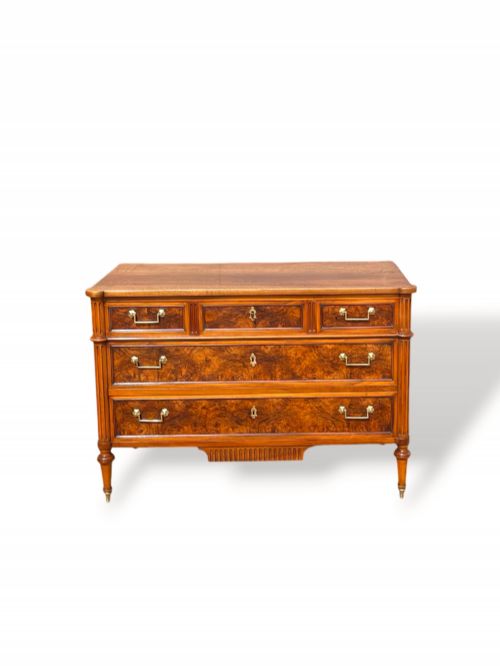
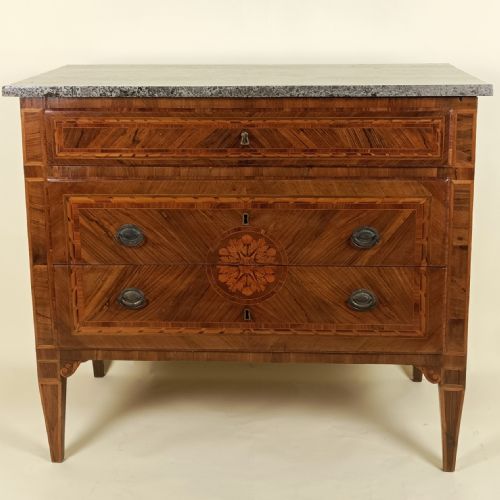
Cabinet makers constructed these pieces using solid timbers such as mahogany, walnut, cherrywood, and ebonised wood as foundational structures. Surfaces frequently display figured veneers including burr walnut and flame mahogany, carefully matched to create harmonious grain patterns.
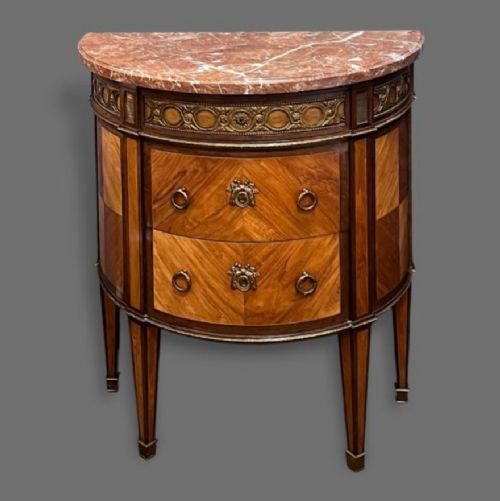
Decorative schemes incorporate inlaid marquetry and contrasting brass mounts that accent the structural lines of the carcase. Tops are often finished with polished marble slabs that provide a durable and luxurious surface.
Retail Price Guide 2026
Typical UK retail prices for neoclassical chest of drawers, calculated from the Sellingantiques database of over a million retail prices indexed since 2003. This retail price guide relies exclusively on Sellingantiques data; no external sources or auction records are used, so the figures do not describe the wider market.
The site's records show pieces spanning the eighteenth and nineteenth centuries, utilising mahogany, walnut, marble, and brass.
What varies in quality
The distinction between standard examples and superior pieces rests upon the selection of timber and the precision of the veneer work. Master cabinet makers chose exceptionally figured flame mahogany or burr walnut, arranging the grain to create symmetrical visual impact across the drawer fronts.
Refinement in quality also shows in the integration of secondary materials such as marble tops and cast brass mounts. Superior examples feature crisp casting and secure fitting of mounts that complement rather than overwhelm the architectural lines of the commode.
The Neoclassical Chest of Drawers Glossary
- Commode
- A low chest of drawers or cabinet originating from French furniture design. This term often describes neoclassical chests with decorative mounts and marble tops.
- Marquetry
- The art of applying decorative pieces of veneer to a structure to form intricate designs or pictures. It appears on neoclassical pieces in geometric or floral patterns.
- Veneer
- A thin layer of superior wood applied to a base of common timber. Burr walnut and flame mahogany are typical examples seen on these drawer fronts.
- Ebonised
- Wood treated to imitate ebony through a staining and finishing process. This technique creates a dark, uniform surface used for contrast on neoclassical furniture.
- Bow fronted
- A convex curved front contour found on certain chests of drawers. This shape softens the rigorous geometry typical of neoclassical design.
Frequently Asked Questions
How do I identify French Empire style?
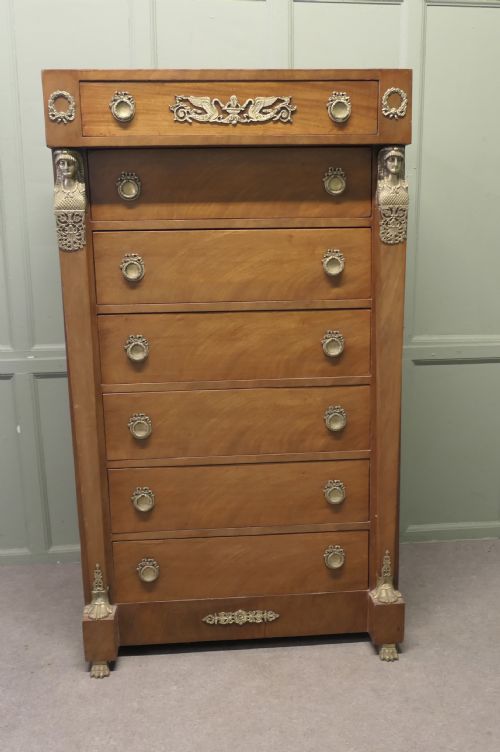
French Empire style furniture displays monumental proportions, dark wood veneers, and distinct classical bronze or brass mounts.
These commodes emphasise architectural dignity and draw directly upon ancient Roman and Greek motifs.
Where were these chests made?
The pieces recorded in these archives originate from various European centres including France, Italy, England, and the Netherlands.
Each region applied local timber preferences and regional craftsmanship to the overarching neoclassical aesthetic.
How do I care for marble tops?
Marble tops require gentle cleaning with a damp cloth and mild soap to preserve the polished stone surface.
Avoid acidic substances and abrasive cleaners which can etch or dull the marble finish over time.