






White Marble Top Commode
These white marble top commode pieces combine heavy stone with rich timber to anchor a room.
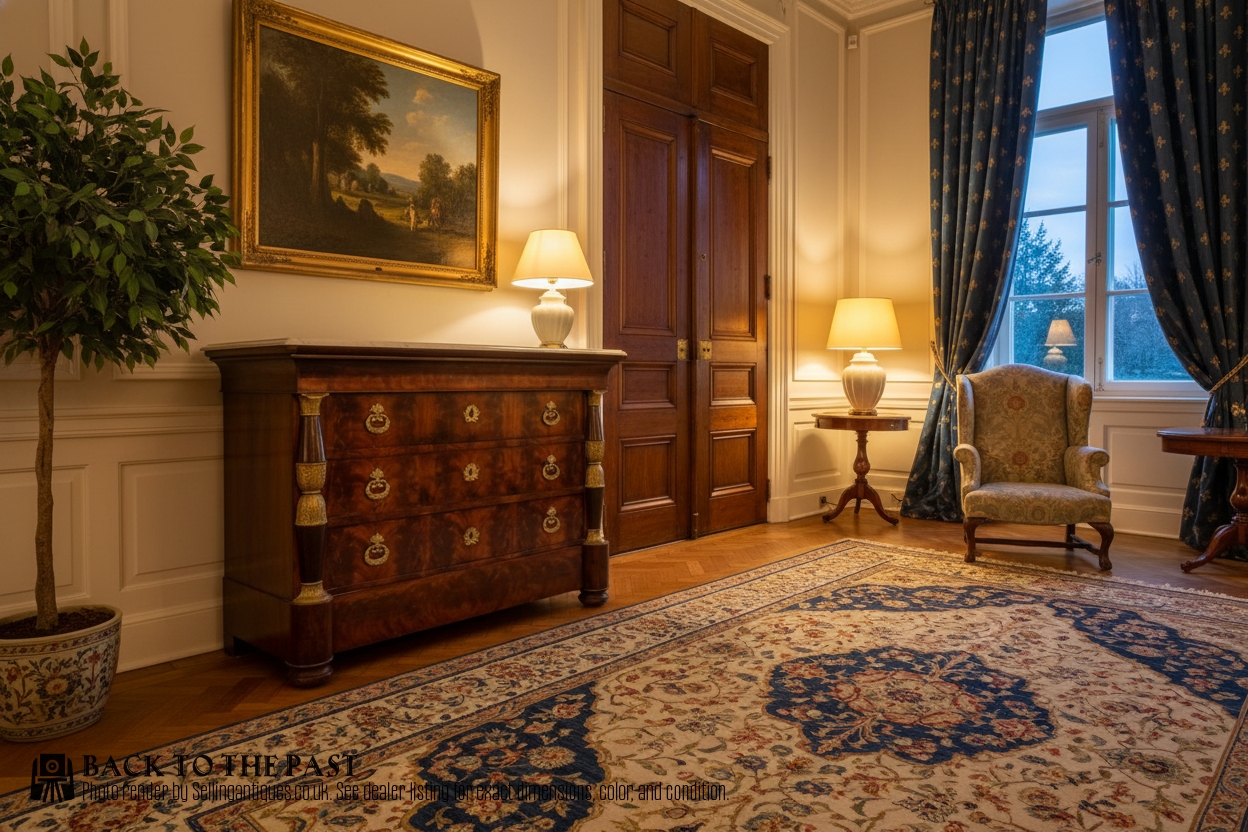
White Marble Top Commode
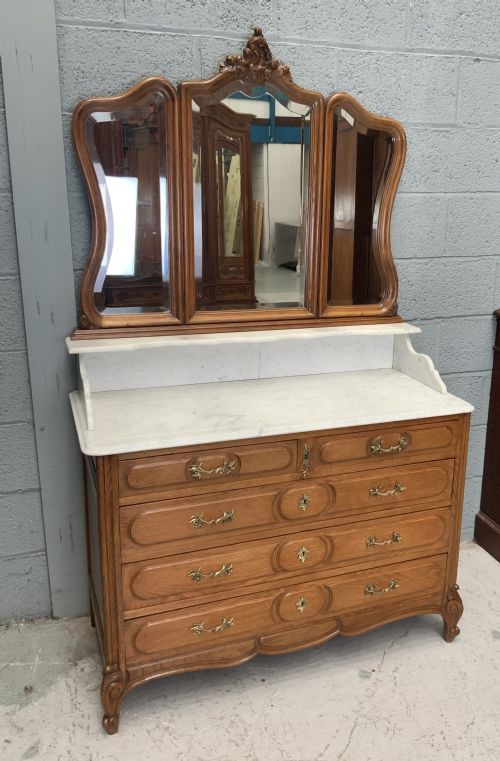
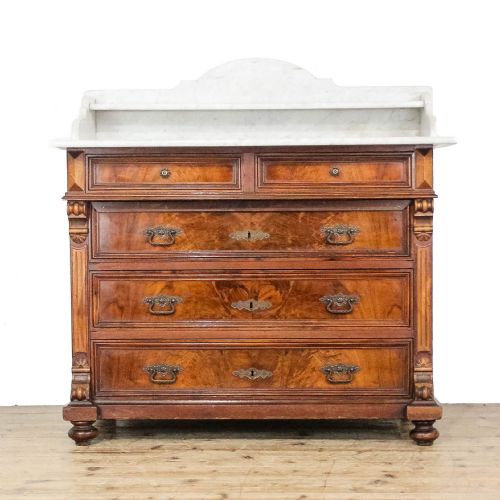
A white marble top commode offers a solid stone surface set above timber drawer chests, side cabinets, and washstands. These pieces serve practical storage roles while bringing continental decorative styles into domestic spaces.
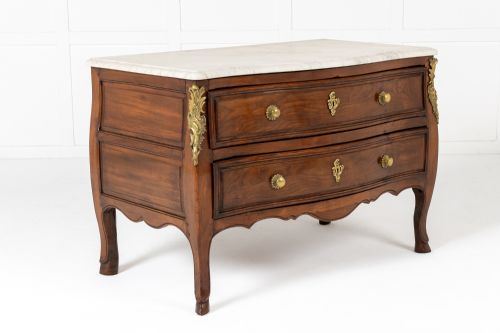
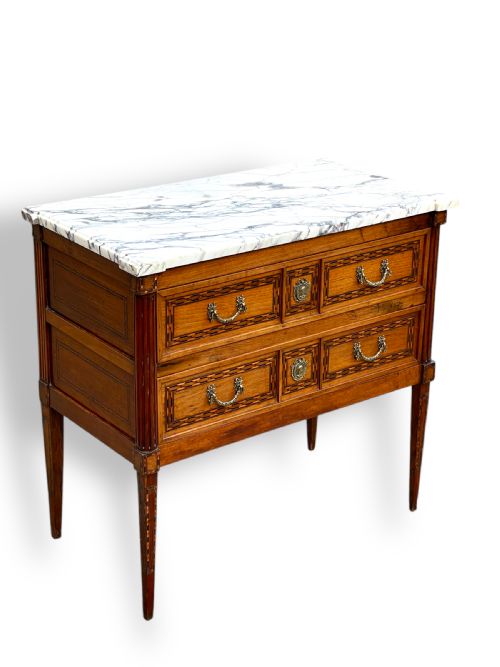
The selection on this page centres heavily on French provincial and revival forms spanning the eighteenth century through to the early twentieth century. Buyers encounter serpentine fronts, bow fronts, and rectilinear carcases alongside regional washstand variations.
Timbers range from walnut and mahogany to oak, cherrywood, and painted wood surfaces. Each example balances the cold weight of the stone against warm wood grains and decorative mounts.
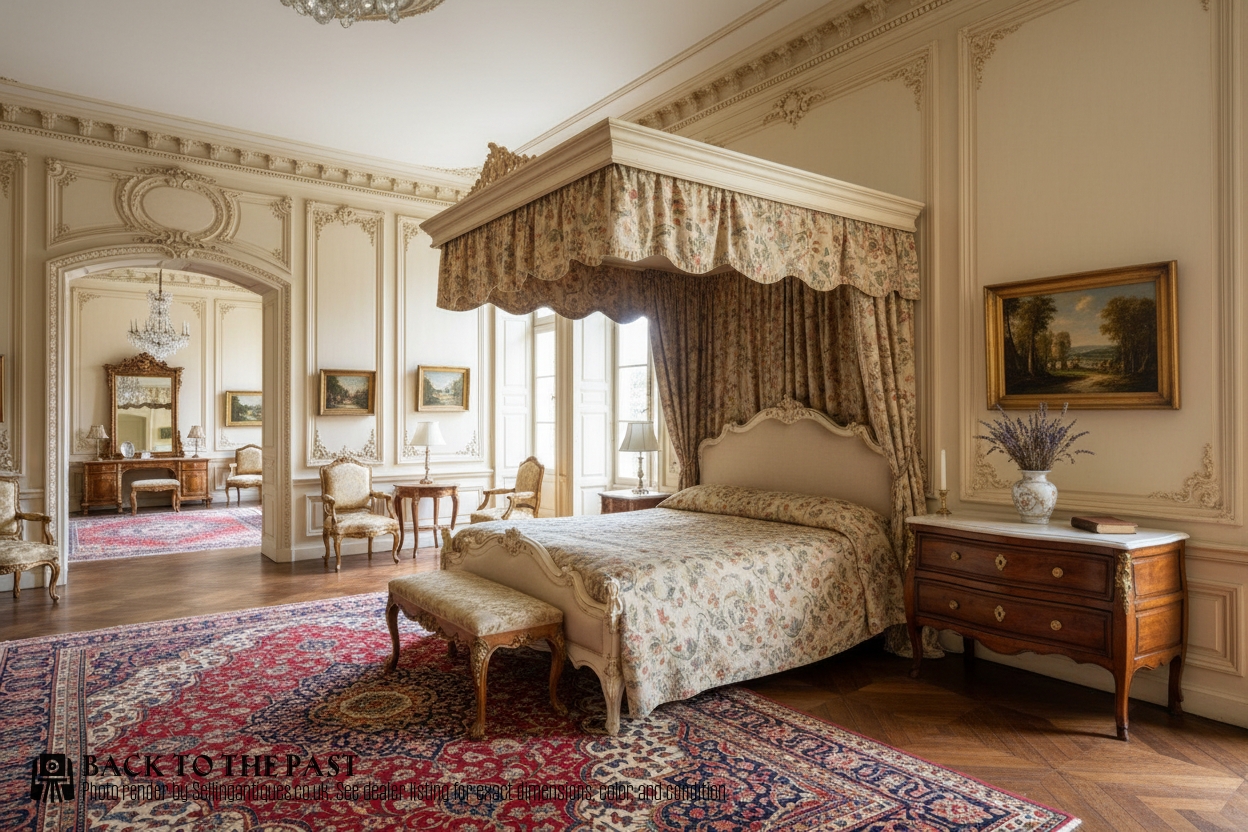
How they were made
Maker construction relies on solid timbers and veneers applied to carcases of oak, walnut, or mahogany. Carved details, floral marquetry, and shaped mouldings shape the structural timber bodies.
Heavy marble slabs, including Carrara varieties, are cut and polished to fit the exact profile of each commode top. Ormolu and brass mounts are then cast and fitted to frame drawers, corners, and legs.
Materials across these listings span marble, brass, walnut, ormolu, painted wood, glass, oak, and mahogany.
What varies in quality
Quality rests in the harmony between the heavy stone slab and the timber base beneath it. Superior pieces exhibit precise joinery in serpentine or bow front drawers that match the exact contours of the marble above.
The refinement of the decorative additions also separates standard examples from finer ones. Crisp ormolu mounts, detailed floral marquetry, and carefully carved oak or walnut elevate the presence of the piece.
The White Marble Top Commode Glossary
- Ormolu
- Gilded bronze mounts applied to furniture for decoration. This technique adds metallic highlights to wood and marble surfaces.
- Marquetry
- Inlaid wood veneers arranged to form decorative patterns. Floral designs appear across cabinet doors and drawer fronts.
- Serpentine
- A wave-like curved shape that bends inward and outward. This contour frequently defines eighteenth-century commode fronts.
- Carrara
- A type of white marble sourced from Italy. It provides durable and bright surfaces for furniture tops.
- Commode
- A low chest of drawers used for storage. The term covers various continental storage forms.
White Marble Top Commode: Frequently Asked Questions
How are these marble tops cleaned?
Clean the stone using warm water and a soft cloth to avoid scratching the polished surface. Harsh chemicals dull the finish over time.
Dry the marble thoroughly after washing to prevent water marks settling into the porous stone.
Can these pieces be used as washstands?
Several examples function as washstands alongside standard drawer chests. The marble surface naturally resists water spills.
Check the interior configuration to see if original basin holes or fittings remain present.
What styles do these commodes feature?
The selection includes French provincial, Rococo revival, Louis styles, and Empire designs. Regional continental pieces also appear.
Carvings, mount types, and leg shapes help distinguish one regional style from another.
How do I date an older commode?
Examine the timber construction, drawer linings, and hardware styles. Eighteenth-century pieces often use cherrywood and serpentine drawer fronts.
Later nineteenth and twentieth-century examples incorporate oak, walnut, and machine-cut elements alongside revival motifs.