
Antique French Porcelain Pair
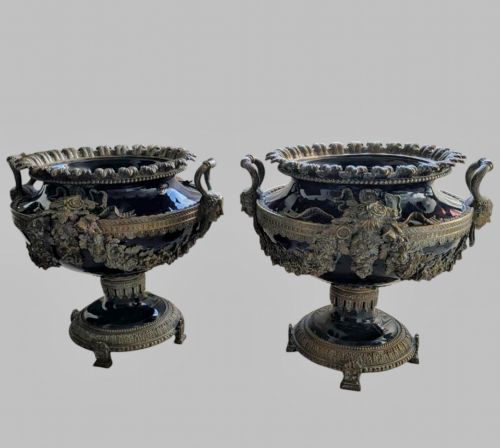
When you select an antique french porcelain pair, you acquire matching decorative objects designed in historical European styles to balance a mantelpiece, sideboard or table.
Antique French Porcelain Pair
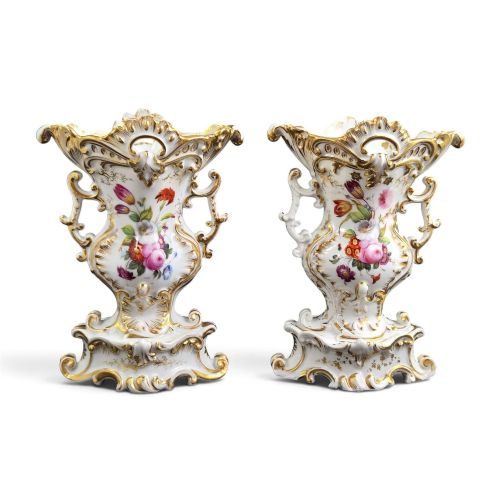
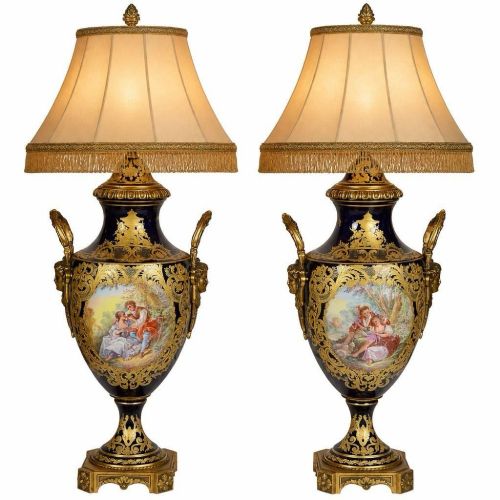
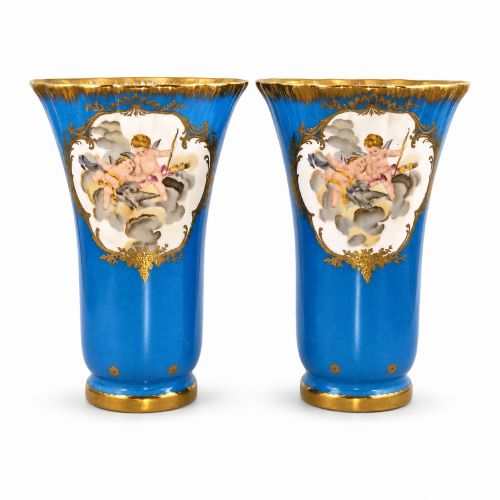
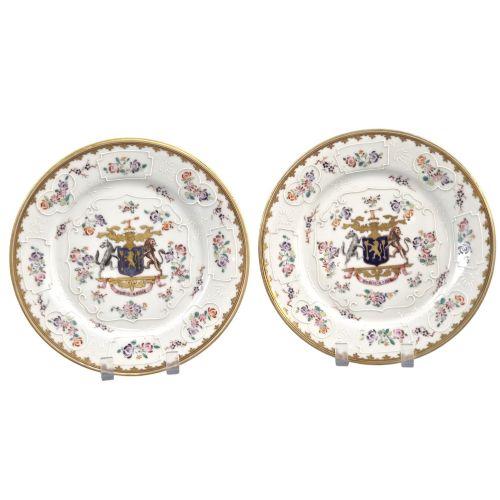
An antique french porcelain pair typically comprises matching vases, urns, figures or lamps produced during the nineteenth century. These objects reflect various historical revivals including Rococo, Empire and Neoclassical designs.
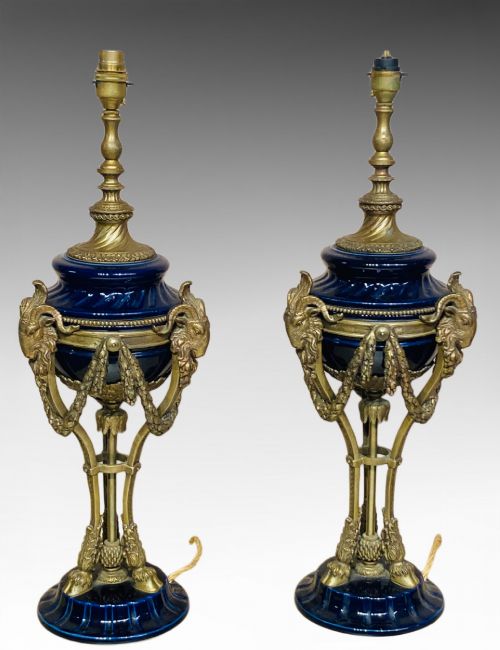
The selection ranges from decorative vessels mounted with metal trim to figural groups and table lamps. Matching pairs were originally intended to create symmetry in formal interiors.
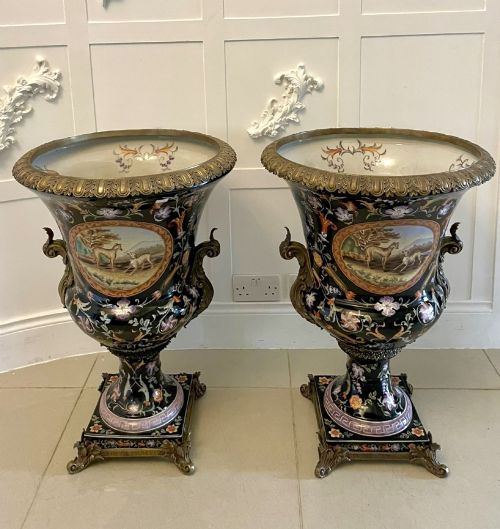
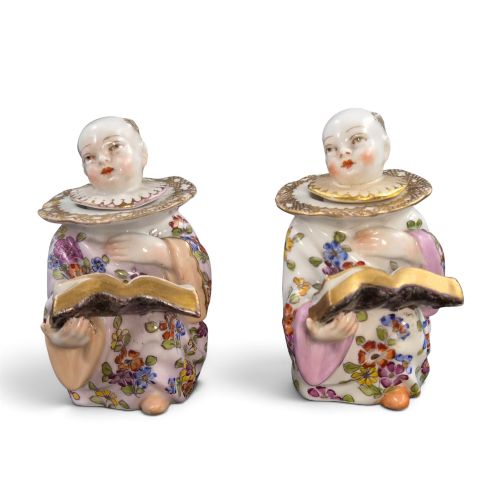
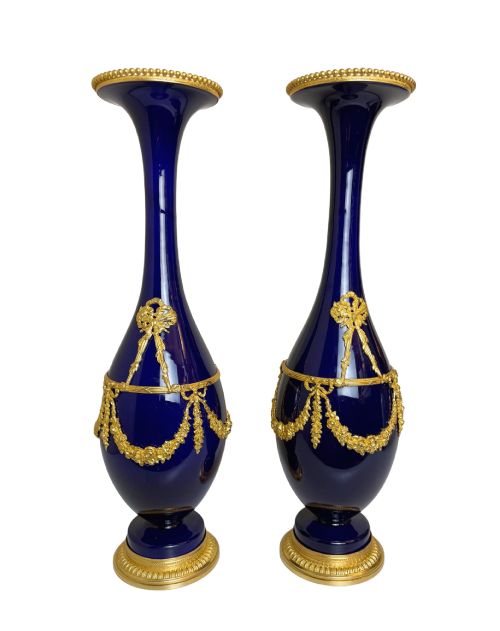
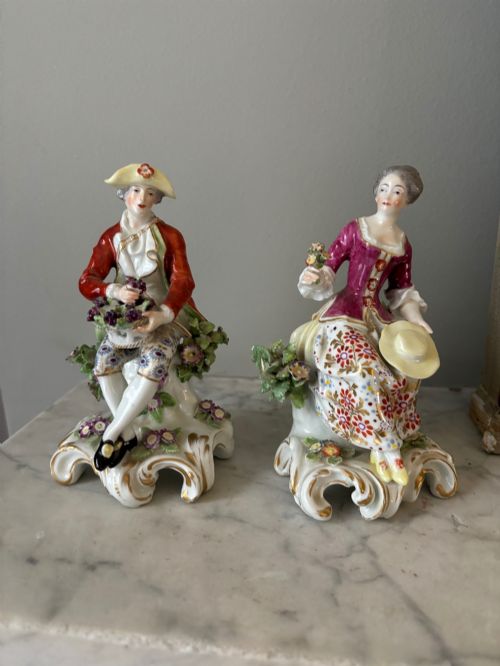
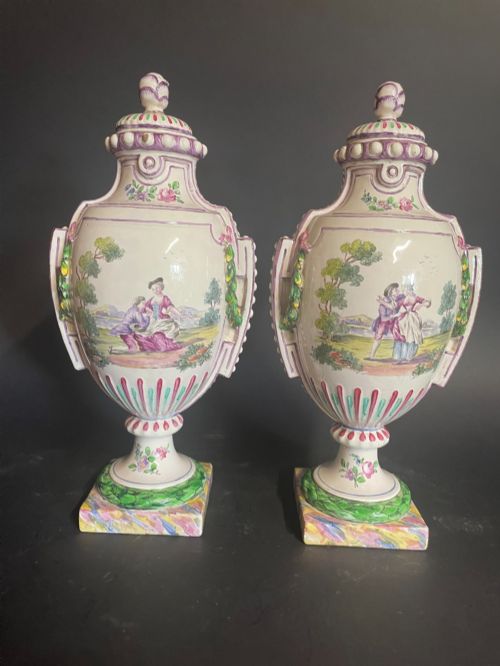
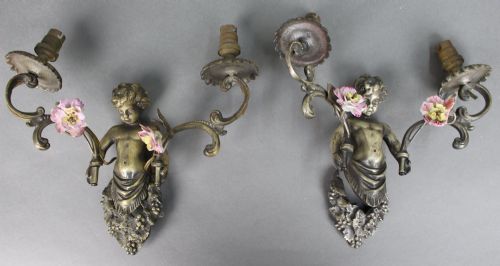
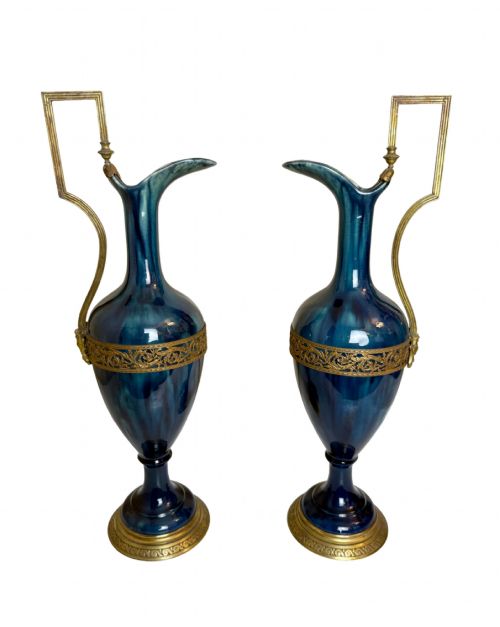
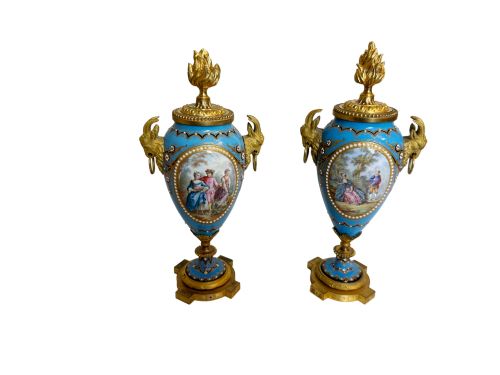
Vessels often feature painted scenes, hand-applied glazes in cobalt blue or turquoise, and gilt highlights. Figural subjects include gallant couples, cherubs and historical characters.
Materials and Technique
Production combined ceramic body fabrication with decorative surface treatments such as hand painting, enamelling and glazing. Firing methods produced both hard-paste porcelain and softer earthenware or faience bodies.
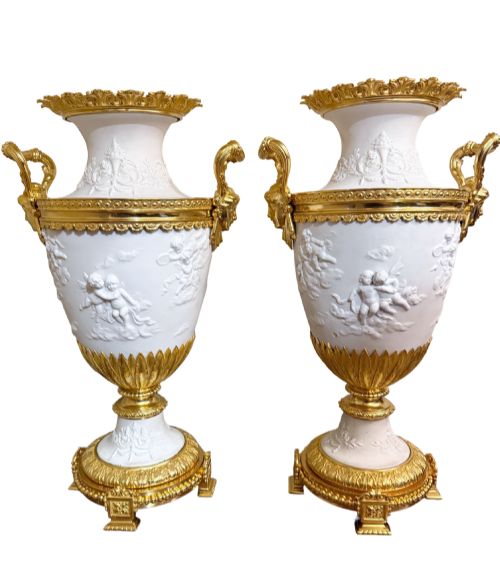
Metal components such as ormolu, gilt bronze and brass were cast and mounted to frame or support the ceramic elements. Gilding techniques applied gold leaf or gold paint to accentuate rims, handles and bases.
Spot the tiny painted insects hiding among the floral bouquets on nineteenth-century cabinet plates.
Assessing Quality
The weight, chasing and finish of the ormolu or gilt bronze mounts also distinguish finer examples. Heavy, well-cast metal mounts that fit the ceramic body precisely separate superior decorative pieces from standard production.
Jacob Petit·Edmé Samson·Sceaux Faience·Letu & Mauger·Darte Brothers·Vion & Baury·La Coutille Factory
The Antique French Porcelain Pair Glossary
- Ormolu
- Gilded bronze used for mounts and decorative trim on ceramic objects. It provides a metallic contrast to the glazed porcelain surface.
- Faience
- Tin-glazed earthenware produced in France. This material offers an opaque, whitish background for painted decoration.
- Bleu Celeste
- A bright turquoise blue glaze colour frequently utilised on decorative vases. It is particularly associated with Sèvres style porcelain.
- Biscuit porcelain
- Unglazed white ceramic with a matte finish. This technique highlights sculptural detail on figures and busts.
- Jardiniere
- An ornamental ceramic pot or urn designed to hold plants or flowers. These items often feature matching stands or pedestals.
Antique French Porcelain Pair: Frequently Asked Questions
How were these pairs displayed originally?
Matching pairs were placed symmetrically on mantelpieces, flanking clocks or mirrors, or positioned on pedestals in formal drawing rooms. They served to create visual balance and demonstrate the owner's taste.
In modern interiors, these pieces perform the same decorative function on sideboards, cabinets or tables. Their balanced proportions make them focal points within a room.
Can these lamps be wired for modern use?
Many porcelain urns and vases were converted into table lamps during later periods. These adaptations usually incorporate ormolu or brass fittings to support electrical components.
Buyers should examine the existing wiring for safety and consult a professional electrician if rewiring is necessary. The original ceramic body is typically preserved during this process.
How do I identify Paris porcelain?
Paris porcelain encompasses items produced by numerous independent workshops and factories operating in the Paris region during the nineteenth century. These pieces often display fine hand painting and gilt trim.
While some factories used specific painted or impressed marks, many unmarked examples are attributed through stylistic similarities and manufacturing techniques.