
Antique French Glass Vase
An antique french glass vase brings sculptural weight and rich colour to a room, ranging from delicate floral cameo work to bold geometric art deco designs.
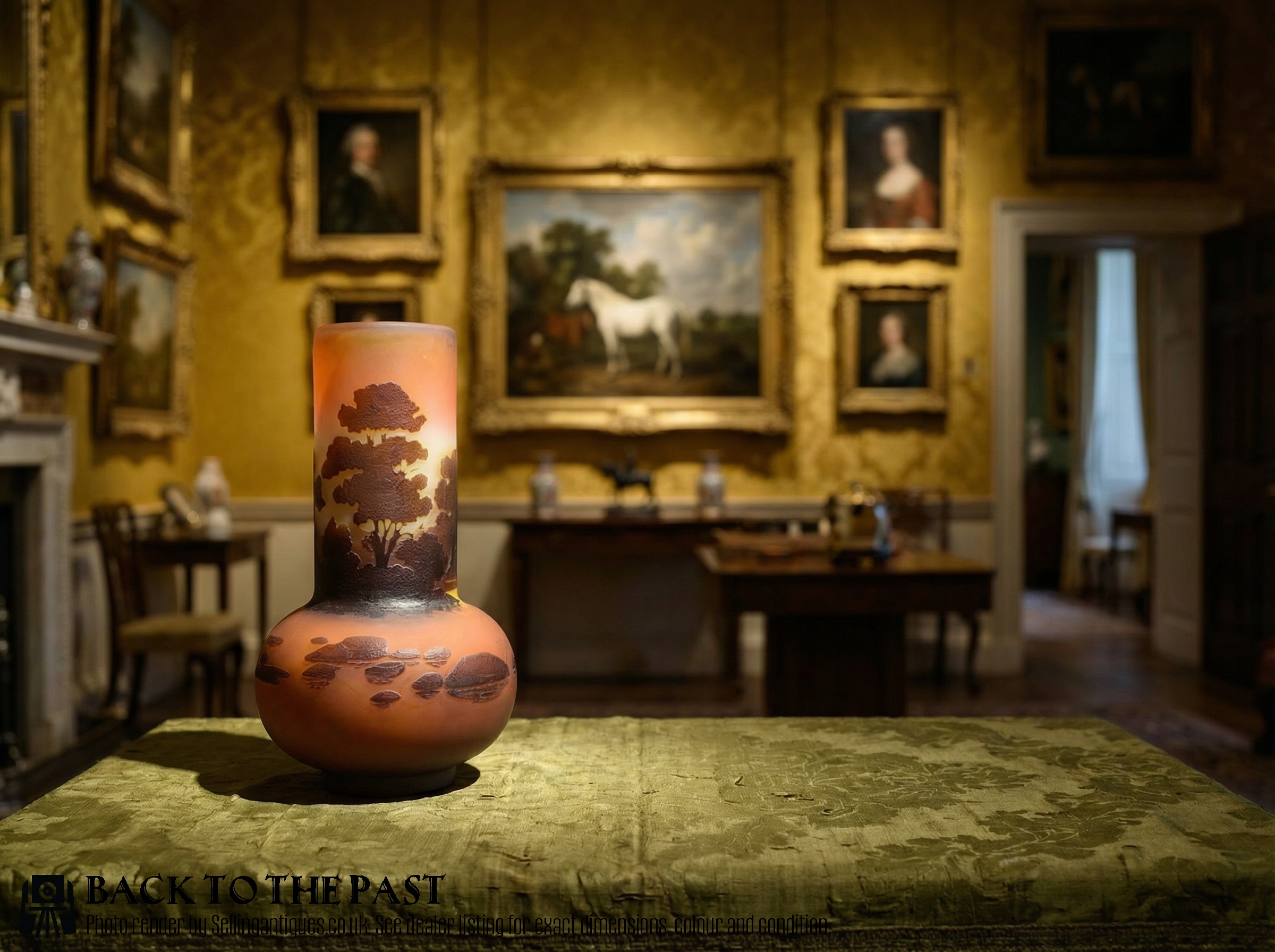
Antique French Glass Vase
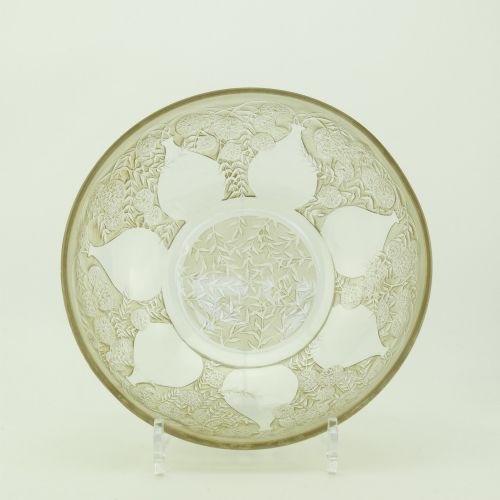
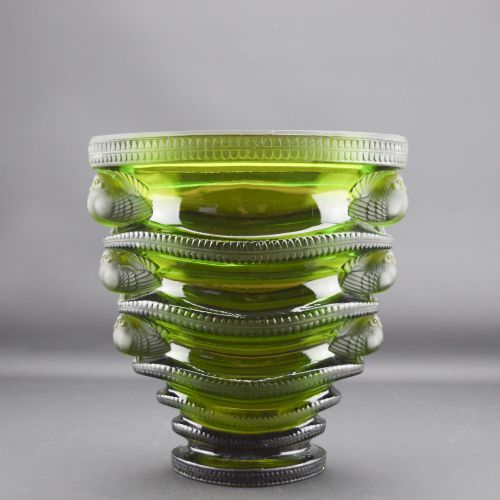
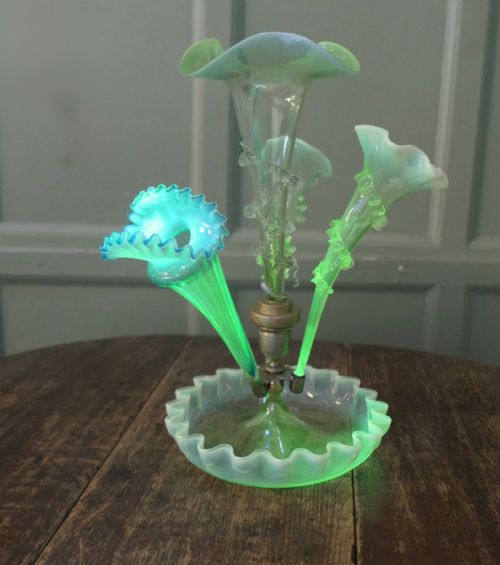
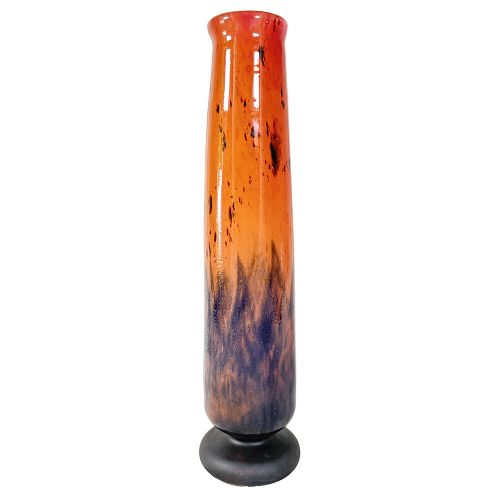
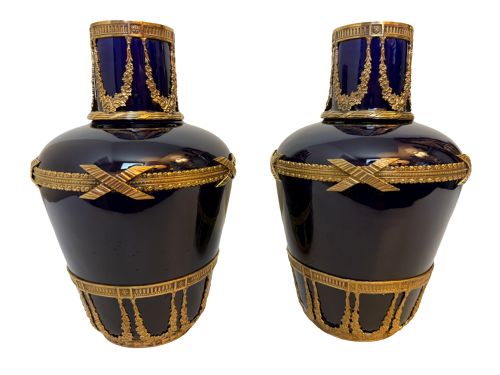
When searching for an antique french glass vase, collectors encounter pieces spanning the nineteenth and twentieth centuries, with a heavy concentration of items from the art nouveau and art deco periods. The selection on this page covers everything from ornate nineteenth-century opaline vessels with gilt trim to sculptural moulded glass centrepieces and tall cameo glass cylinders.
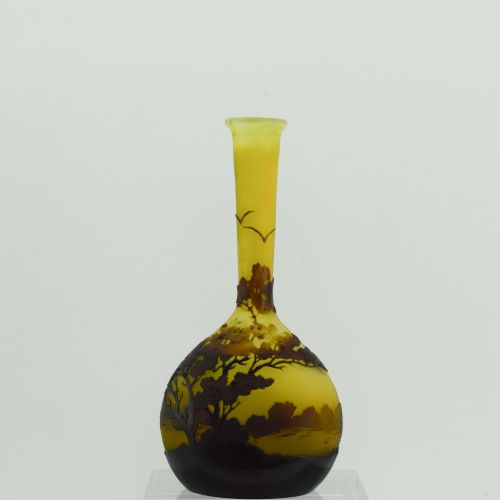
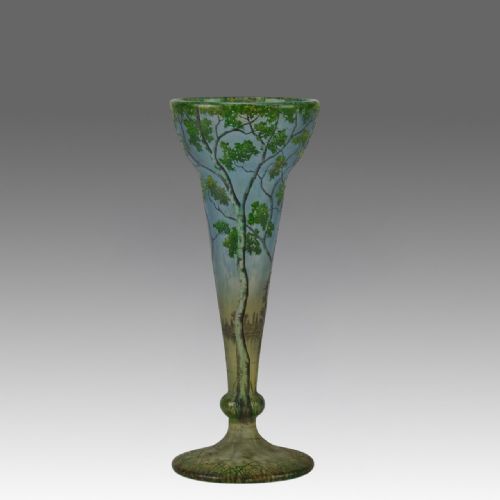
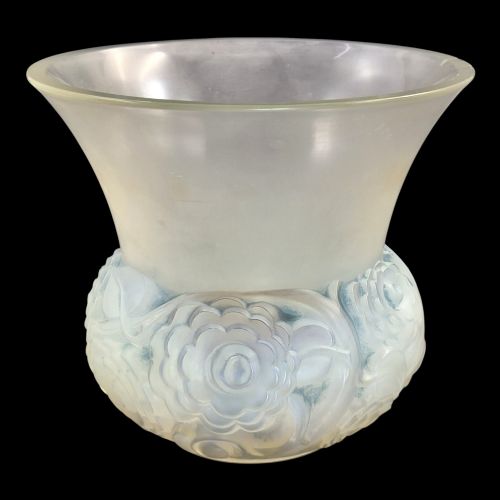
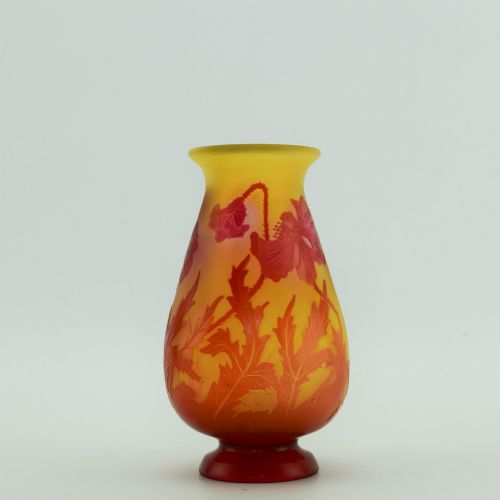
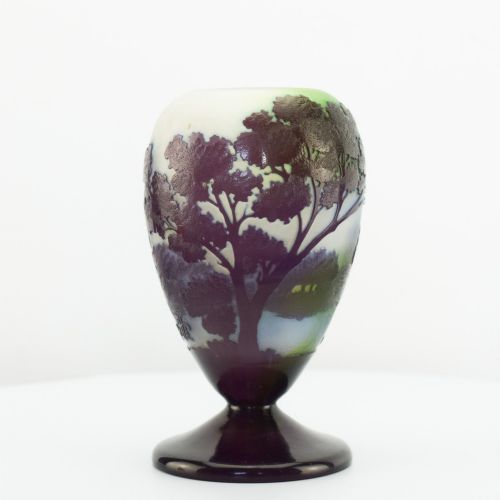
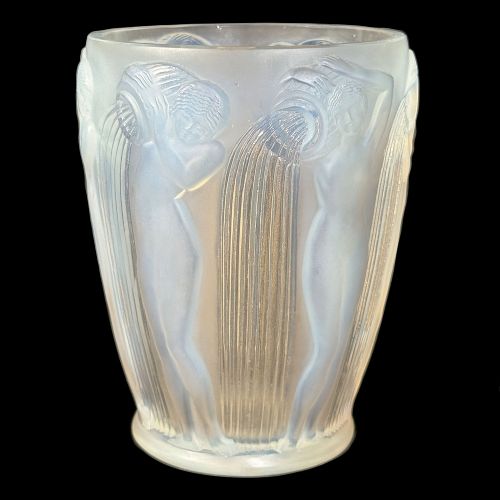
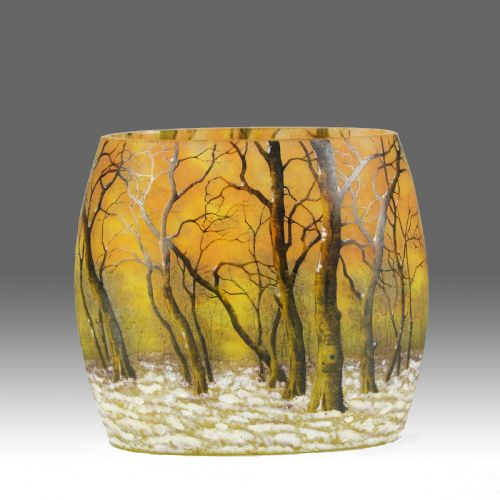
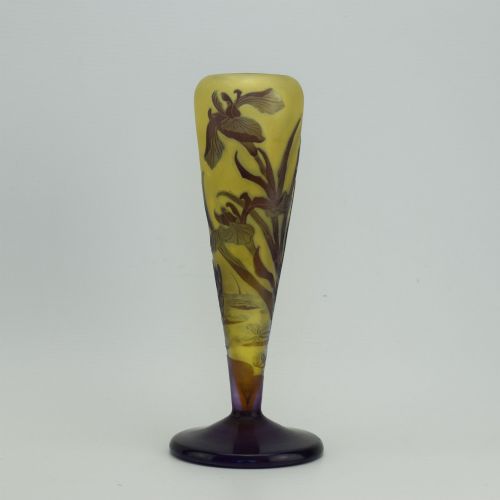
The most common discoveries include floral and landscape cameo glass vessels by makers working in Nancy and Paris, alongside clear, frosted and opalescent moulded crystal. Forms range from simple cabinet vases to large table centrepieces, epergnes mounted in ormolu, and heavy decorative ewers.

Materials and methods
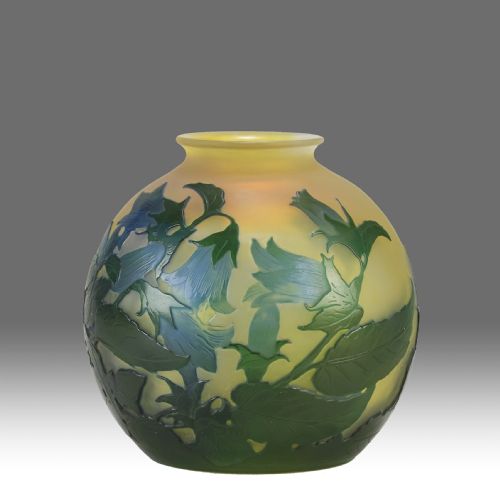
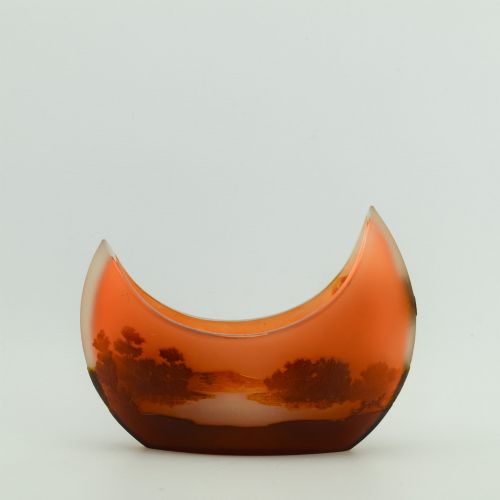
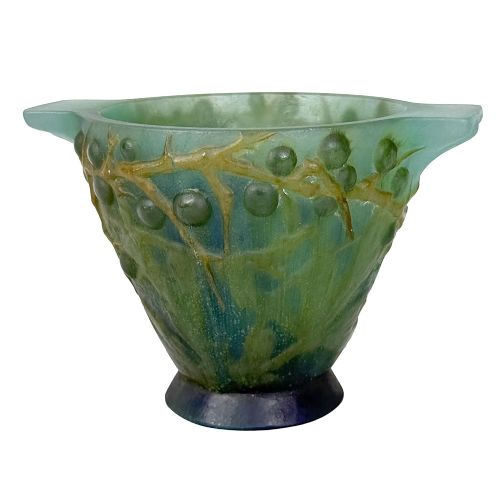
Makers utilised complex layering techniques for cameo glass, acid-etching multiple tiers of coloured glass down to a contrasting background to reveal intricate botanical or scenic motifs. Others employed pate de verre methods, packing finely ground glass into moulds to fuse under intense heat into dense, textured vessels with rich opacity.
Production also drew heavily on hand-blown crystal and opaline glass, frequently embellished with surface details such as applied gold leaf, enamel painting, or structural mounts in wrought iron, ormolu, and bronze.
Antique French Glass Vase Retail Price Guide 2026
Typical asking prices for french glass vase among the pieces listed under this phrase on Sellingantiques today, from the lower quarter to the upper quarter. They describe what is for sale here now, not the wider market.
Listings feature pieces spanning the 1850s to the 1930s, encompassing Victorian opaline glass, Art Nouveau cameo works, and Art Deco crystal bowls.
Judging the range
Quality in these vessels rests on the depth of execution, the crispness of the acid-etching or mould work, and the harmony between the glass body and any metal mounts or surface enamelling. Pieces at the higher end display precise control over colour gradients and tactile surface textures, whereas simpler production items rely on standard moulded patterns without hand-finished detailing.
The reputation of the studio or designer heavily influences distinction, as master glassmakers achieved levels of sculptural relief and chromatic subtlety that lesser workshops could only approximate.
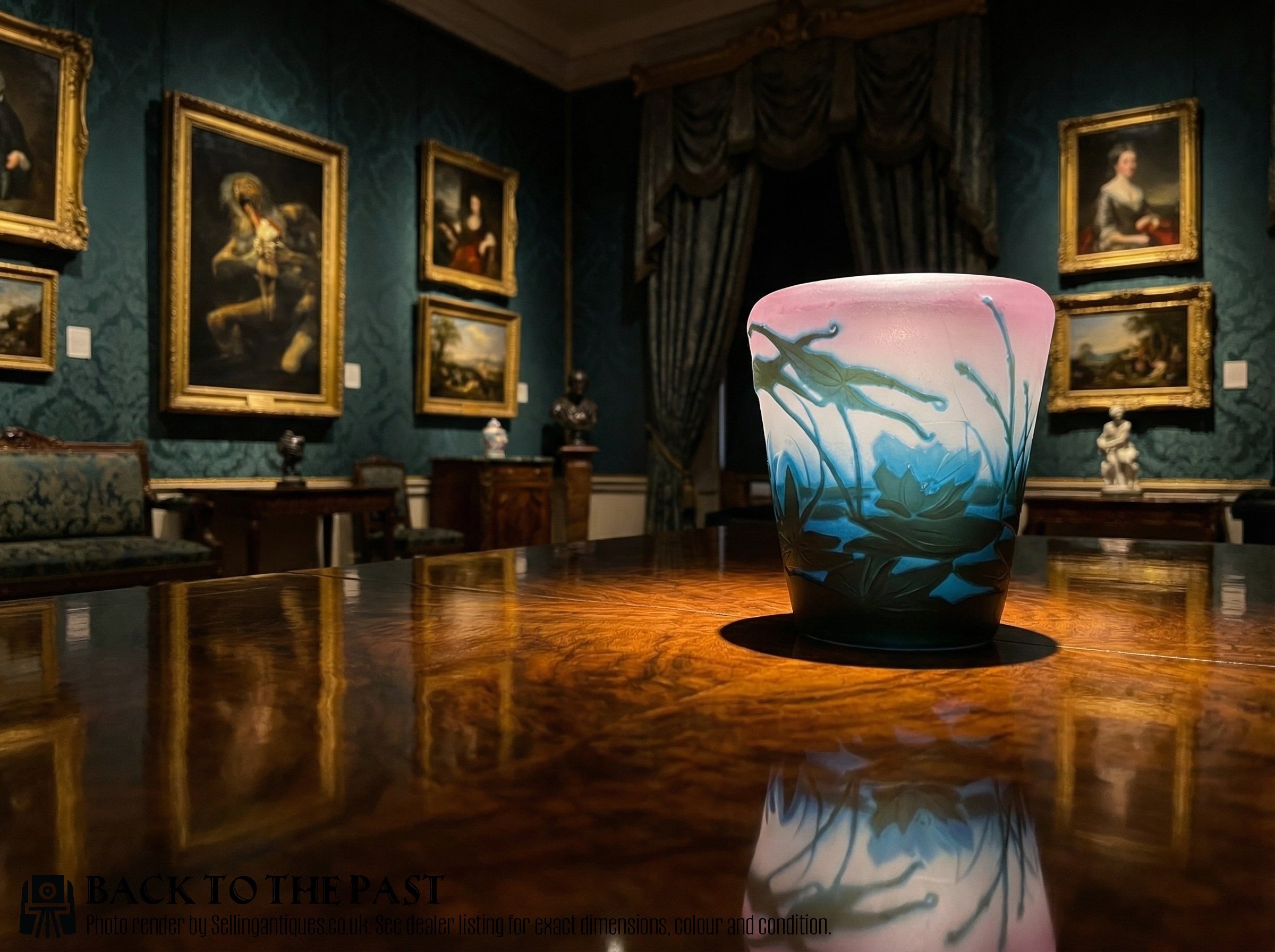
Rene Lalique·Emile Gallé·Daum Frères·Legras·Baccarat·Amalric Walter·St Louis glassworks·Schneider
The Antique French Glass Vase Glossary
- Cameo Glass
- A vessel formed of multiple fused layers of different coloured glass, carved or acid-etched to create a raised design against a contrasting background. This technique demands immense precision from the glassmaker to avoid cutting through the delicate outer strata.
- Pate de Verre
- A kiln-cast glass method where powdered glass is mixed with a binding agent, packed into a mould, and fused. The resulting objects possess a distinctive sugary texture and deeply saturated, mottled colours.
- Opalescent Glass
- Glass that has a milky, semi-translucent appearance with shimmering highlights that shift between blue and amber tones when the light catches the surface. It became a defining medium for twentieth-century French decorative arts.
- Epergne
- A large table centrepiece featuring a central trumpet vase surrounded by smaller detachable arms or hanging baskets for fruit and flowers. These multi-part constructions often feature delicate blown glass fitted into ornate metal frames.
- Acid-Etched
- A decoration technique using hydrofluoric acid to eat away exposed areas of glass surfaces. It allowed makers to produce intricate frosted patterns and deep relief carvings rapidly compared to hand-grinding.
Antique French Glass Vase: Frequently Asked Questions
How do I date an antique french glass vase?
Dating relies on stylistic markers such as sinuous naturalistic motifs for nineteenth-century art nouveau pieces, or strict geometric symmetry for 1920s art deco items. Signatures, etched studio marks, and production techniques also help anchor the piece to a specific era.
Studying the weight, base wear, and manufacturing methods provides further context for when the vessel was blown or moulded.
What is cameo glass?
Cameo glass is created by fusing two or more distinct layers of coloured glass together before carving or acid-etching the outer layer away. This exposes the contrasting background colour to form detailed pictorial or floral reliefs.
The process requires extraordinary skill to maintain consistent depth and prevent errors across the multi-layered surface.
How should I display a heavy art deco vase?
Large moulded crystal and heavy art deco vessels require sturdy surfaces capable of supporting substantial weight, particularly when pieces exceed ten kilograms. Placing them away from high-traffic zones prevents accidental knocks.
Positioning the glass near natural light sources enhances the translucent qualities of opalescent finishes and coloured crystal bodies.
Are signed pieces more desirable?
Signed pieces bearing the factory mark or artist signature generally carry stronger collector interest because attribution is clear. Signatures range from acid-stamped ciphers to hand-engraved monograms on the base or side of the vessel.
Unsigned pieces can still demonstrate exceptional craftsmanship, though historical attribution remains more speculative without a verified mark.