
Antique French Cane
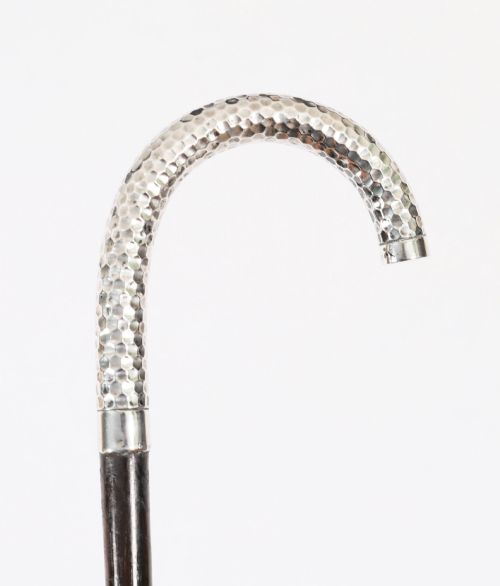
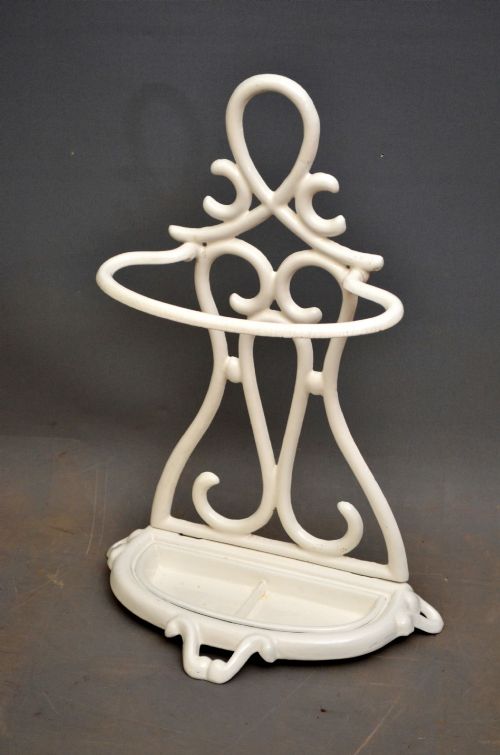
An antique french cane selection includes gentleman's walking sticks with silver mounts, woven seating like bergère armchairs, and hallway umbrella stands.
Antique French Cane
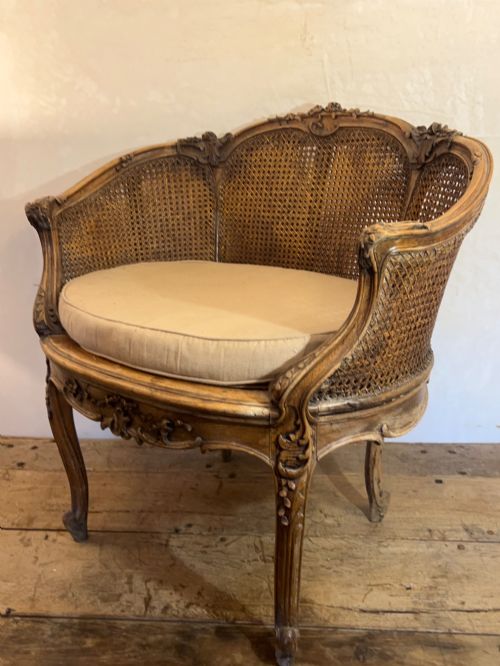
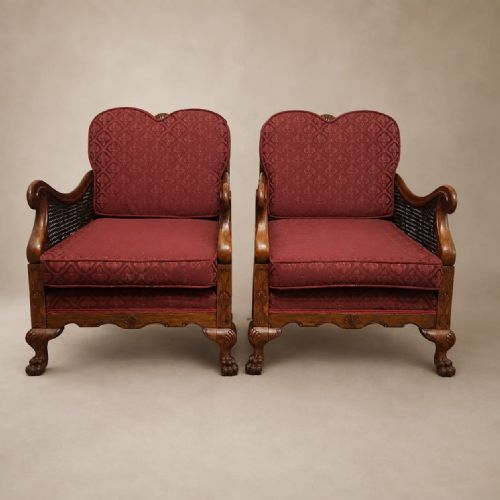
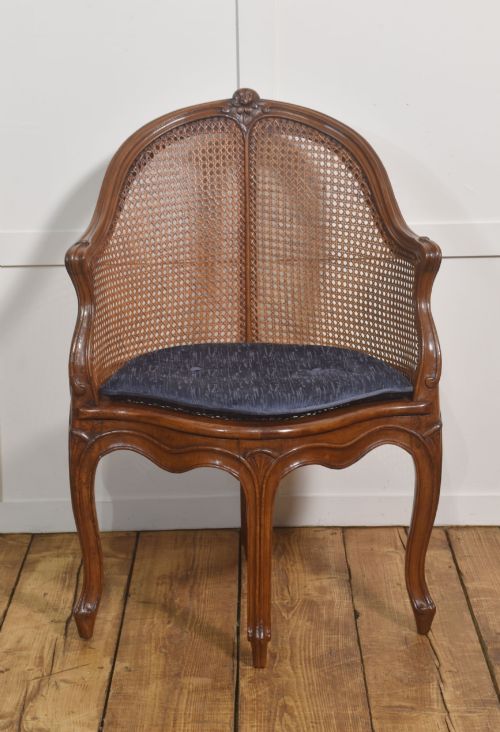
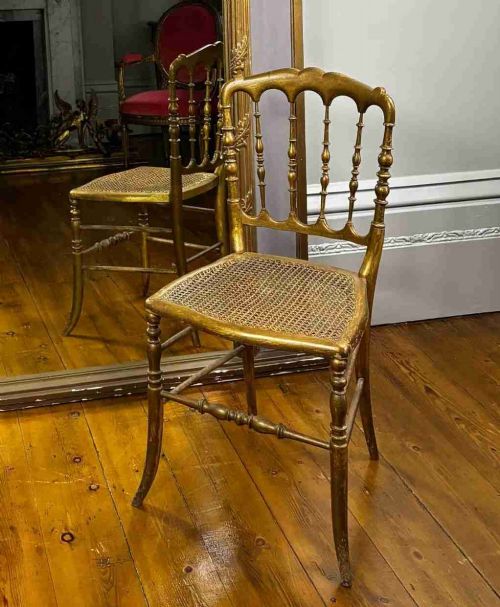
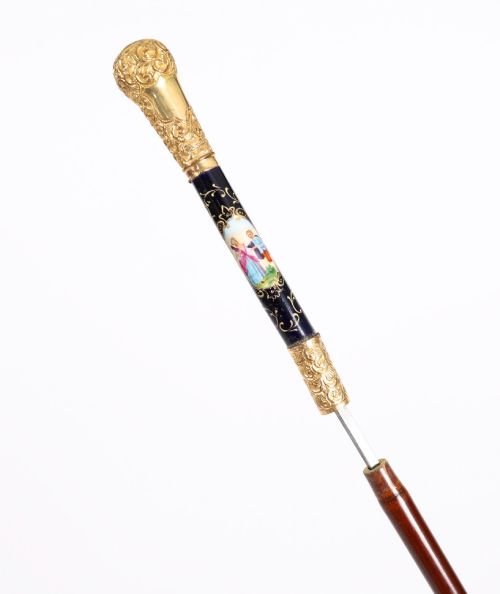
The category of antique french cane encompasses two distinct groupings: personal walking canes with silver or metal handles, and seating furniture incorporating woven cane panels.
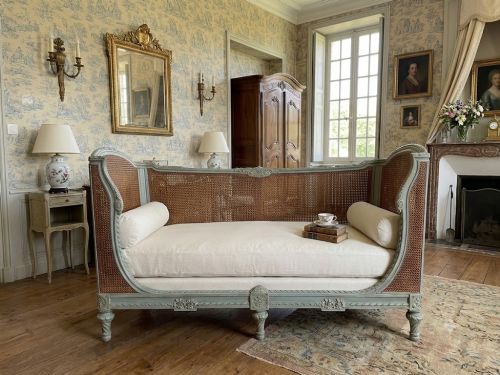
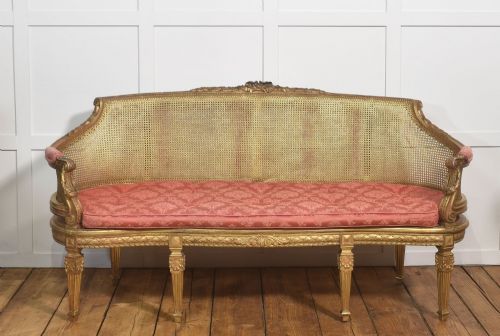
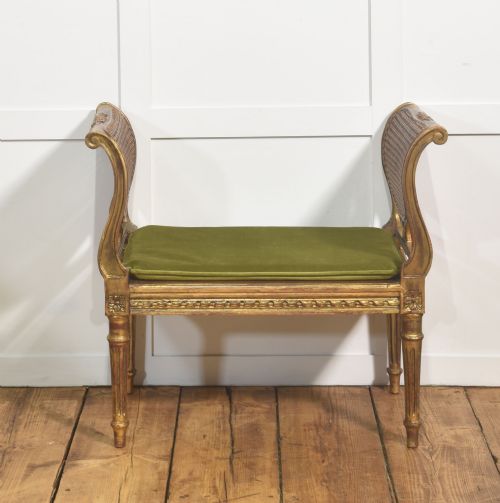
Seating forms span bergère armchairs, tub chairs, daybeds, and settees executed in Louis XV or Louis XVI styles, alongside matching window stools.
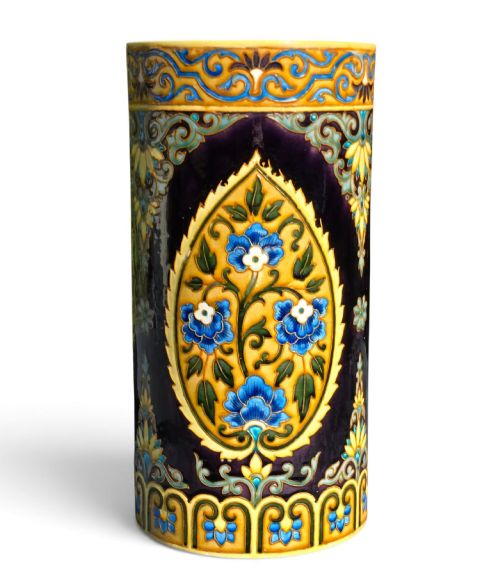
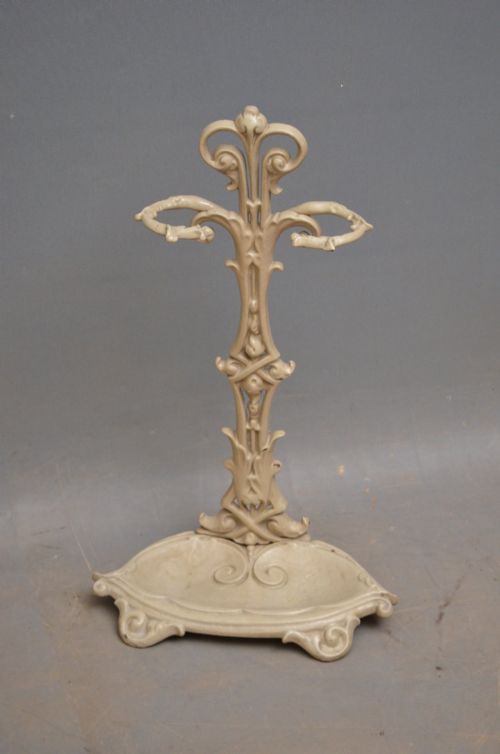
Hallway accessories such as cast iron or ceramic umbrella stands and stick racks also appear frequently in this category alongside walking sticks.
How they were made
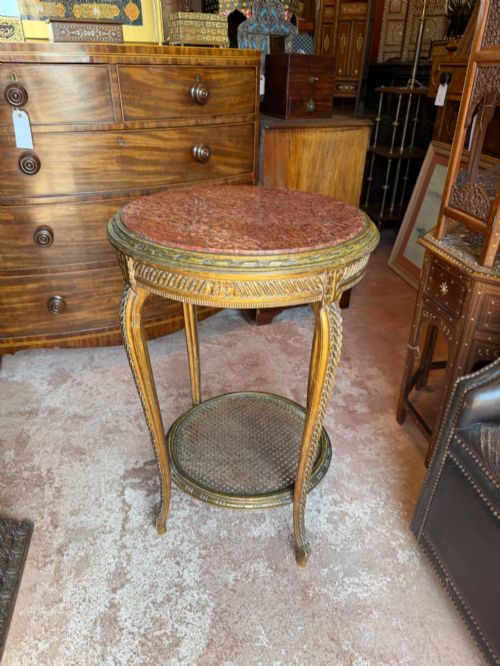
Frames for seating utilise traditional timbers such as walnut, beech, and mahogany, often enhanced with paint, gilding, or ebonisation.
Walking sticks pair wooden shafts in ebony or cane with cast silver, gold plate, or ormolu handles, occasionally concealing hidden sword blades.
Stand structures incorporate cast iron with faux bois bamboo designs or ceramic bodies from makers like Théodore Deck.
What varies in quality
The standard of carving on wooden frames determines the decorative refinement of chairs and daybeds, ranging from simple mouldings to detailed floral motifs.
Metalwork intricacy on walking stick handles separates standard production from superior examples featuring figural animal heads, sirens, or intricate chased ornamentation.
The tightness and uniformity of the woven cane panels dictate the overall durability and finish of bergère seating and daybeds.
Théodore Deck
The Antique French Cane Glossary
- Bergère
- An enclosed upholstered armchair with wooden framing and woven cane sides or back panels. This form originated in France during the eighteenth century.
- Canapé
- A French decorative sofa or settee, often built in matching suites with armchairs. Examples frequently display carved woodwork and cane backing.
- Giltwood
- Timber treated with a thin layer of gold leaf applied over a prepared ground. It appears widely on decorative salon furniture from the nineteenth century.
- Ormolu
- Gilded bronze ornamentation applied to furniture mounts or walking cane handles. The technique creates a bright metallic finish resembling solid gold.
- Faux bois
- An artistic imitation of wood grain applied to materials such as cast iron. This technique appears on nineteenth-century hallway umbrella stands.
Antique French Cane: Frequently Asked Questions
What periods do these pieces date from?
Most items originate from the nineteenth century, extending into the early decades of the twentieth century. Specific decades represented include the 1850s, 1880s, and the Art Nouveau period around 1900.
Craftsmanship aligns with historical French design revivals, referencing Louis XV and Louis XVI aesthetics alongside later Art Deco forms.
How do I care for cane furniture?
Woven cane panels require gentle cleaning with a soft brush and occasional light moisturising to prevent brittleness in dry environments. Avoid placing these pieces in direct sunlight or near heat sources.
Wooden and gilded frames benefit from dusting with a dry cloth rather than liquid polishes, preserving the original finish and structural integrity.
Where should I place an umbrella stand?
Hallway stands made from cast iron, brass, or ceramics suit entryways for storing walking sticks, umbrellas, and fireplace irons. Their durable materials withstand daily retrieval of wet items.
Designs featuring faux bois bamboo or Iznik-revival ceramics serve as decorative focal points while remaining entirely practical for everyday storage.