
French Stick
When gathering a french antique stick, collectors discover works combining practical utility with fine nineteenth-century design.
French Stick
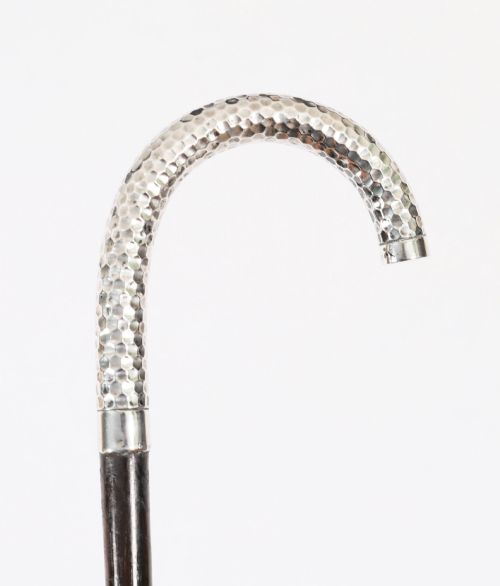
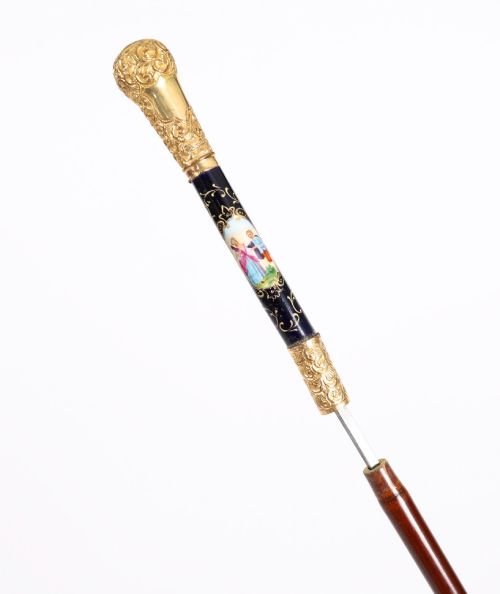
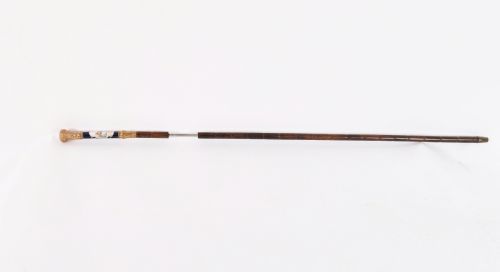
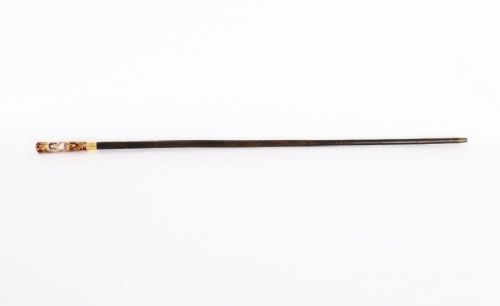
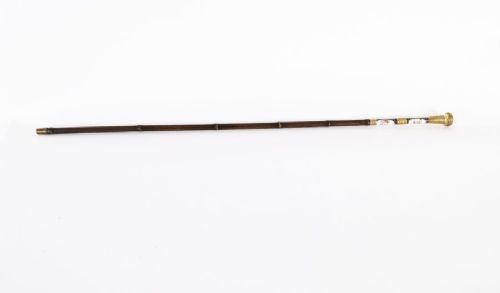
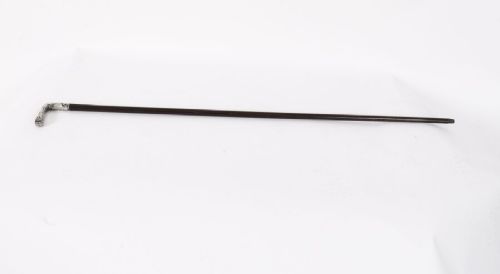
The term french antique stick spans several distinct domestic categories, primarily dividing into walking supports and lighting holders. Walking canes and sword sticks frequently display detailed silver, gold-plated, or porcelain mounts from the nineteenth century.
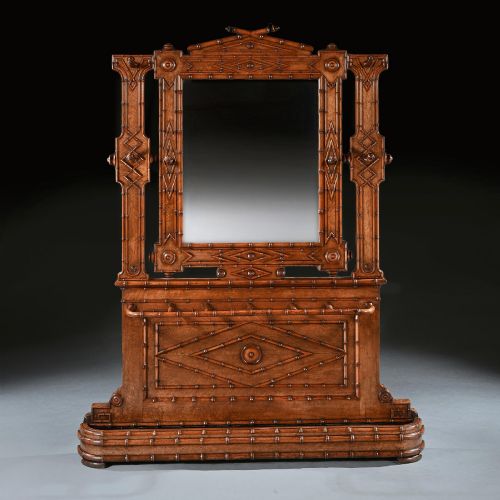
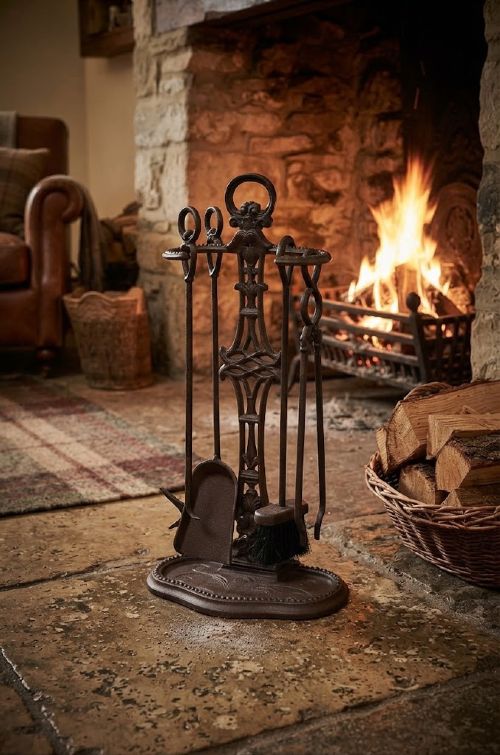
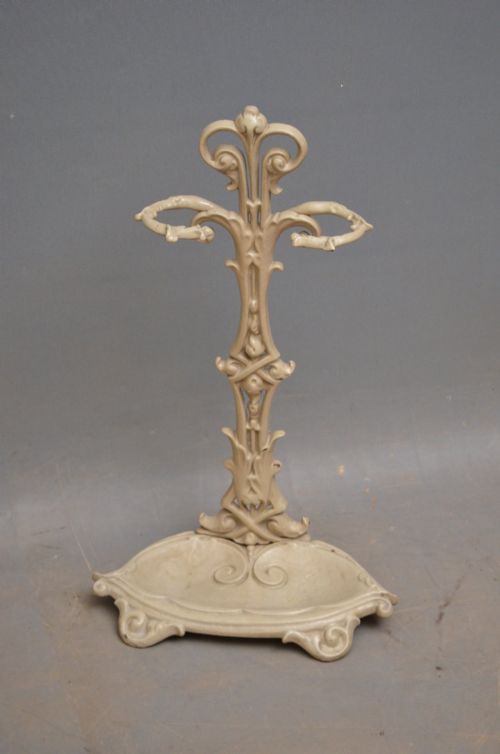
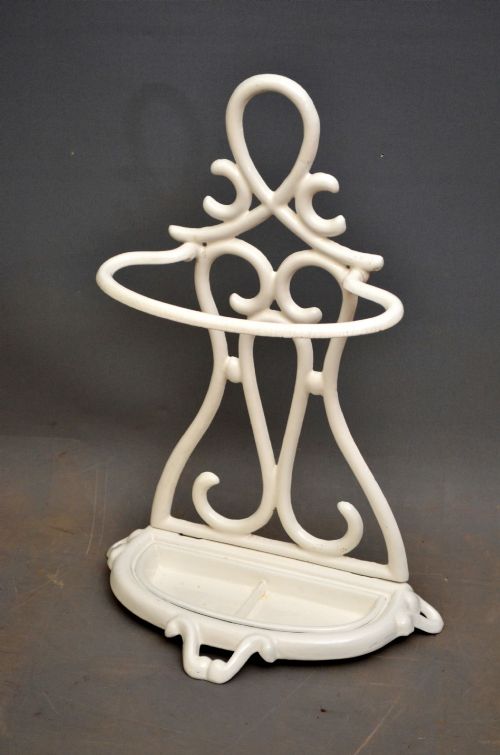
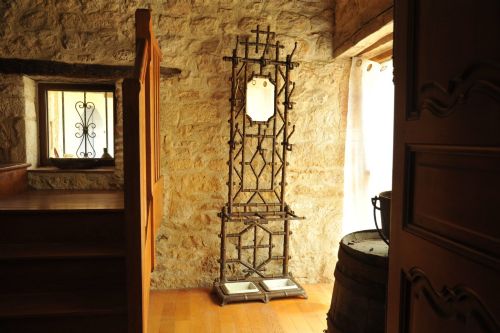
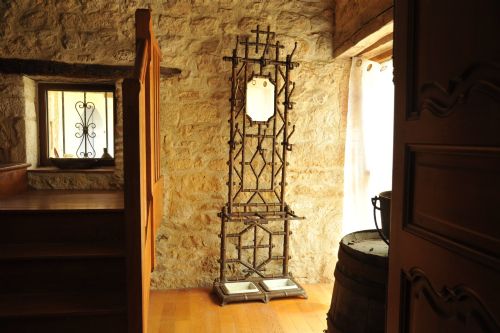
Beyond personal accessories, the phrase captures larger architectural items designed for the hallway. Umbrella stands, hall stands, and fire tool holders made from cast iron or faux bamboo appear regularly.
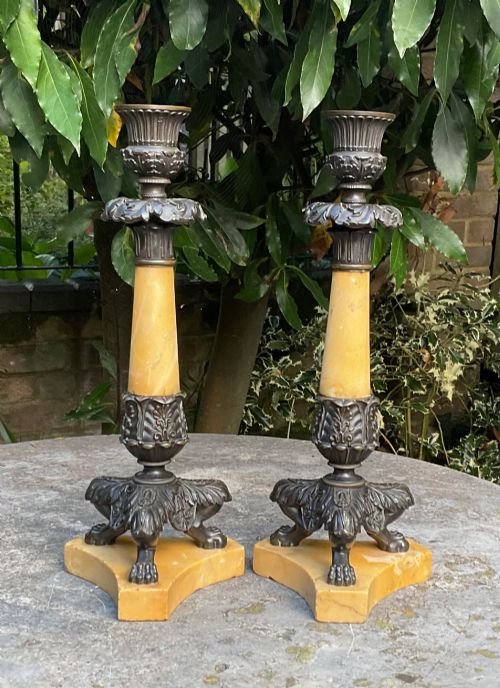
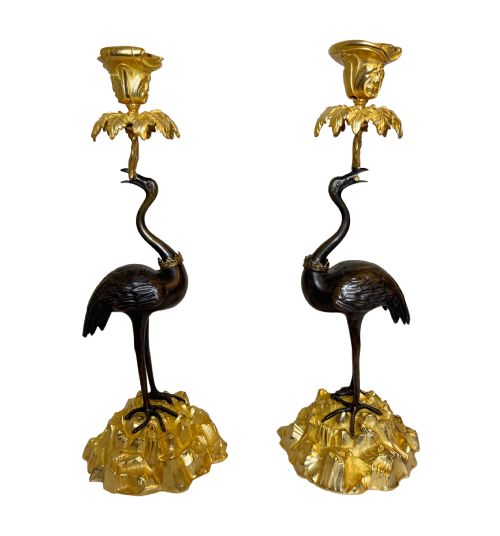
Candlesticks and candelabras also form a major component of this selection. These lighting pieces emerge from periods spanning the Regency era through the Art Nouveau movement, often shaped from brass, bronze, and gilt metal.
Materials and construction
Makers utilised rigid natural materials including hardwoods, horn, antler, and snakeskin for cane hafts, pairing them with cast metal handles. Silver and gold plating were applied to mounts, while porcelain sections from Sèvres introduced painted detail.
Foundry work dominated larger hall and umbrella stands through the use of cast iron and cast brass. Artisans frequently shaped these metal frames into organic motifs imitating bamboo, vines, or flora.
Lighting items relied heavily on bronze, brass, and gilt bronze. Workshops cast these components in sections before assembling and finishing them with chased surface details or marble bases.
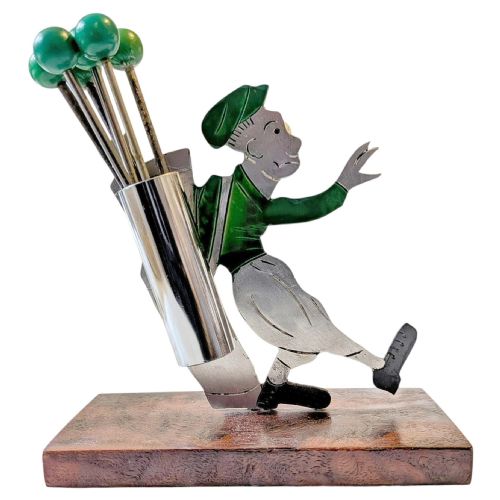
Comical golfing men and cherry figures serve as cocktail sticks.
Quality and craftsmanship
The integrity of combined materials dictates the standard of execution. High-grade walking sticks securely join precious metals, porcelain inserts, and exotic woods with tight joints and well-balanced proportions.
Artistic collaboration elevates specific pieces above standard domestic wares. Items bearing documented studio attribution or specialised novelty mechanisms command greater interest through their distinct sculptural ambition.
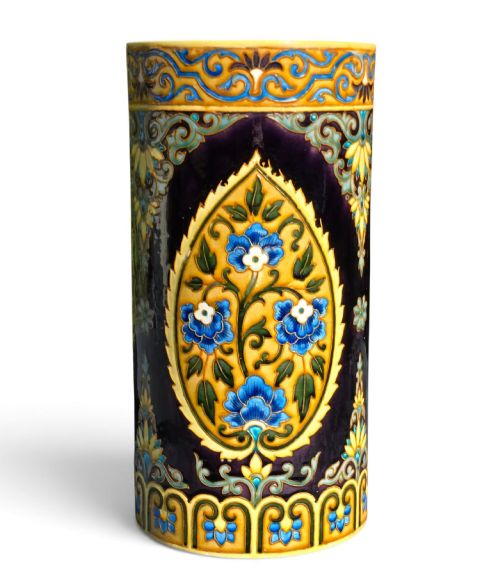
Théodore Deck·Sudre
The French Stick Glossary
- Faux bamboo
- A decorative finish carved or cast into wood or metal to imitate natural bamboo stems. This technique gained popularity during the Aesthetic Movement and late nineteenth century.
- Sword stick
- A walking cane concealing a functional blade within its wooden or metal shaft. The handle typically secures the internal locking mechanism.
- Ormolu
- Gilt bronze produced by applying a finely ground high-carat gold-mercury amalgam to a bronze object. The piece was then fired to drive off the mercury, leaving a rich golden coating.
- Candelabra
- A branched lighting fixture holding multiple candles. These objects often incorporate classical revival motifs and heavy cast bases.
- Sevres
- Porcelain produced by the royal French manufactory. Pieces intended for mountings frequently feature delicate hand-painted decoration.
French Stick: Frequently Asked Questions
How do I care for antique walking canes?
Keep wooden shafts conditioned with appropriate wax and store metal mounts in stable humidity. Avoid exposing vintage materials like horn or snakeskin to direct sunlight.
Handle silver and gold-plated sections gently with soft cloths to preserve the original plating without abrasive polishing.
Were sword sticks carried for protection?
Nineteenth-century gentlemen often carried concealed blade sticks as a standard part of formal attire for personal defence. The designs balanced discreet appearance with rapid access.
Many examples feature locking collars or threaded screw mechanisms to secure the blade safely inside the shaft during routine transit.
How do I date a cast iron umbrella stand?
Examine the casting texture and the specific design motifs present on the frame. Aesthetic Movement and Art Nouveau examples from the late nineteenth century frequently utilise organic plant forms and faux bamboo.
Heavier industrial casting combined with white enamel interiors typically points towards production around eighteen ninety to nineteen hundred.