


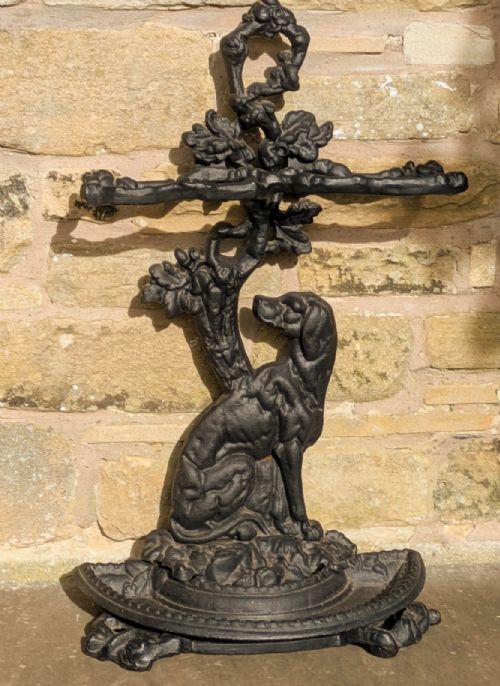


Black Walking Stick
A black walking stick offers practical support and hidden utility, spanning nineteenth-century silver-topped dandy canes and rugged Irish blackthorn sword sticks.
Black Walking Stick
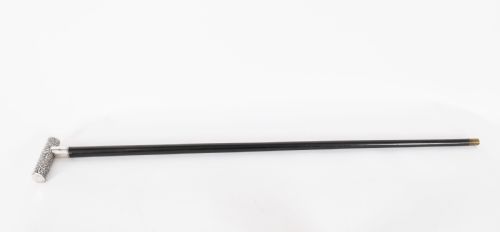
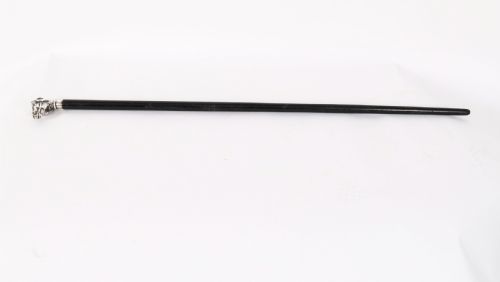
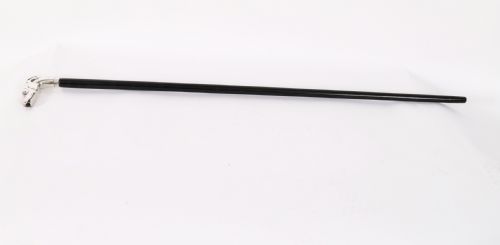
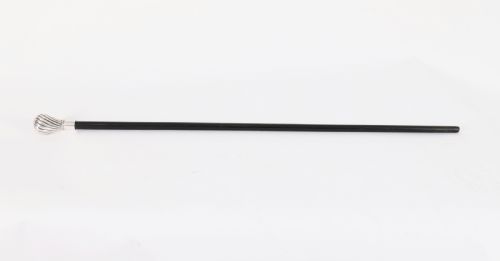
A black walking stick encompasses functional support aids, gentlemanly accessories, and concealed blade weapons produced across the nineteenth and early twentieth centuries. Buyers seeking a black walking stick frequently encounter ebonised timber shafts paired with metal, horn, or carved wooden handles.
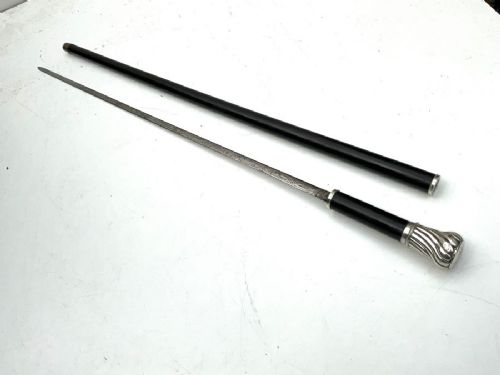
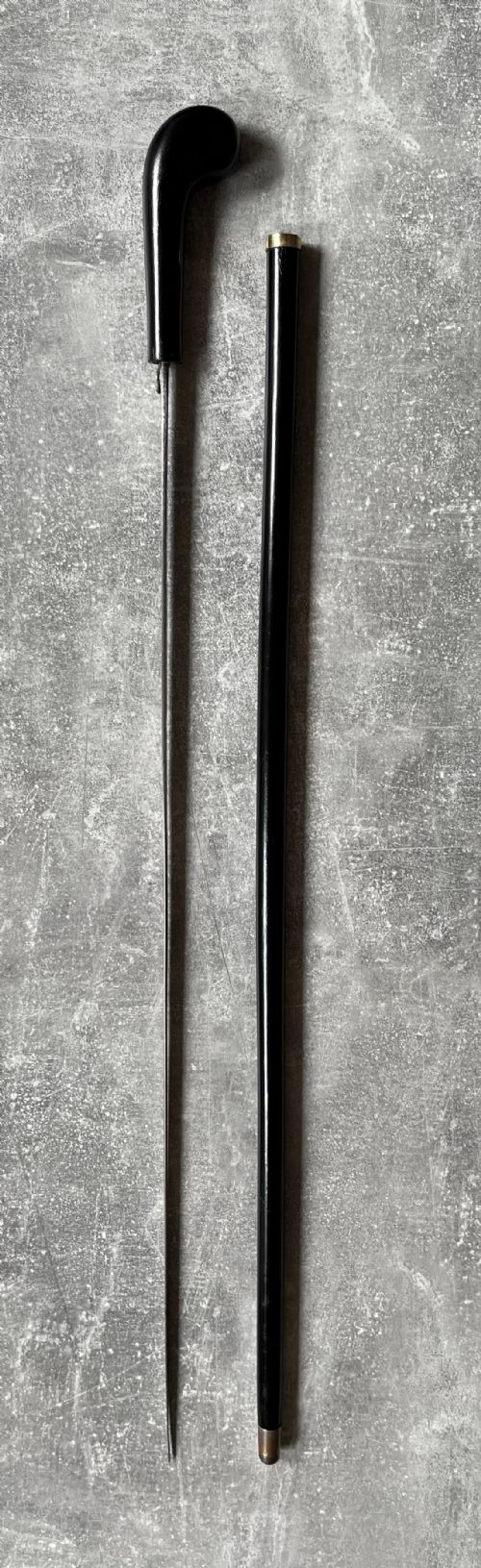
The selection ranges from Victorian ebonised wood and blackthorn roots to intricately carved Black Forest animal heads and silver-mounted novelties. Many incorporate hidden Toledo blades, transforming a standard walking aid into a gentleman's sword stick.
Origins span British workshops, Irish country districts, French silver studios, and German Black Forest carvers. These pieces served as urban dandy accessories, rural companions, and martial self-defence tools.
How they were made
Shafts are constructed from dense natural woods such as oak and blackthorn, or finished with black lacquer and ebonisation to achieve a dark surface. Artisans fitted these wooden lengths with silver, brass, or steel collars and ferrules.
Handles involve diverse craftsmanship, ranging from cast iron and whalebone to detailed silver repoussé work and hand-carved wooden animal forms like dogs and bears. Concealed steel blades, including Toledo steel, were fitted securely within hollowed wooden sections.
Listings feature Victorian and Edwardian periods, utilising materials like silver, ebonised wood, whalebone, and cast iron.
What varies in quality
Quality rests upon the integrity of the materials, the crispness of handle carvings, and the original pairing of components. Fine examples display robust silver hallmarks, tightly fitted blade mechanisms, and expressive hand-carved detail in bone or timber.
Lesser items show crude metal plating, loose internal blades, or replacement ferrules that disrupt the historical cohesion of the stick.
The Black Walking Stick Glossary
- Ebonised
- Wood treated with a dark stain or finish to imitate true ebony. This technique was widely utilised on Victorian walking canes.
- Blackthorn
- A dense, tough wood derived from the sloe bush, traditionally used for Irish walking sticks and root-handled cudgels.
- Ferrule
- The protective metal cap fitted to the bottom of a walking stick to prevent wear. It absorbs ground impact during daily use.
- Sword stick
- A walking cane containing a concealed blade within the shaft. These required secure locking mechanisms for safety.
- Repoussé
- Metalworking technique where a design is hammered into relief from the reverse side. Silver handles frequently display this ornamentation.
Black Walking Stick: Frequently Asked Questions
Are these sword sticks legal to own?
Regulations regarding concealed blades vary by region and jurisdiction. Buyers must check local laws concerning historical weapons.
Ownership of antique pieces often involves specific exemptions for collectors, but carrying them in public places is generally restricted.
How do I care for ebonised wood?
Maintain the dark finish by avoiding excessive moisture and direct sunlight. Gentle dusting preserves the original surface.
Applying a light microcrystalline wax protects the wood and metal components without harming historical patination.
What is Black Forest carving?
Black Forest work originates from nineteenth-century German and Swiss woodcarvers specialising in realistic animal forms. Bears and dogs dominate these detailed cane handles.
Master carvers captured lifelike textures in the fur and expressions of the animals.
How do I date a silver-mounted stick?
Examine the metal components for official silver hallmarks and date letters stamped by assay offices. These stamps indicate the exact year of manufacture.
Unmarked silver or plated mounts require stylistic comparison with documented Victorian and Edwardian examples.