

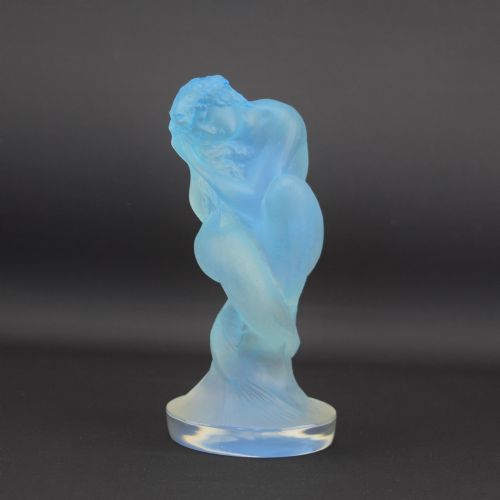


Antique French Art Deco Ornament
An antique french art deco ornament captures the bold geometry and kinetic energy of the interwar period, bringing striking modernist animal and human figures into your interior.
Antique French Art Deco Ornament
When you search for an antique french art deco ornament, you encounter figurative sculptures, glass car mascots, heavy paperweights, and decorative vases dating primarily from the nineteen twenties and nineteen thirties. These objects embody the modernist aesthetic of the period through streamlined animal forms, dancers, and allegorical figures.
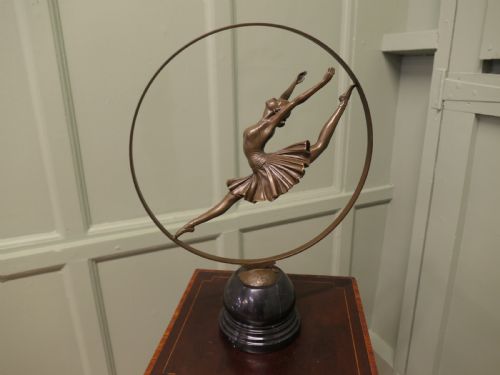
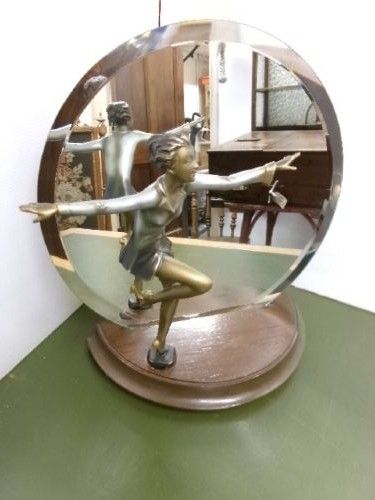
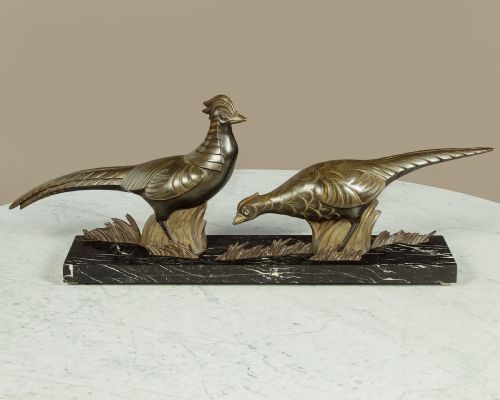
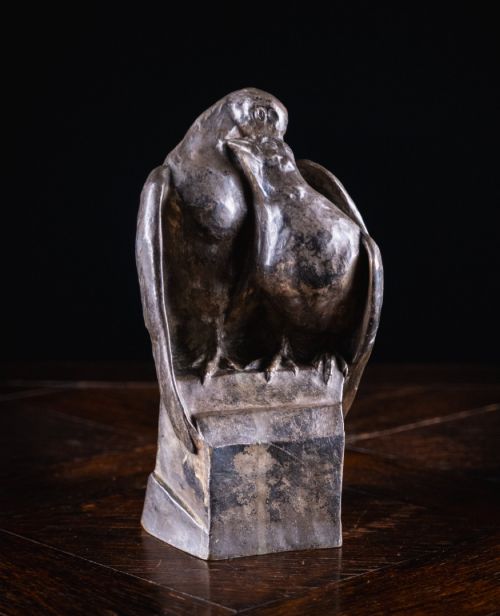
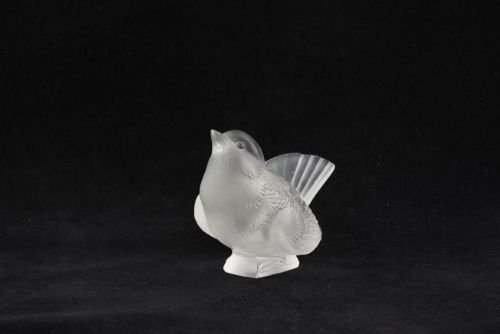
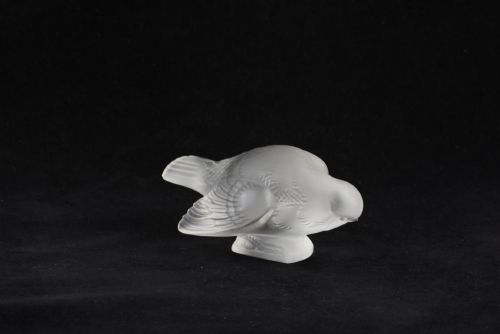
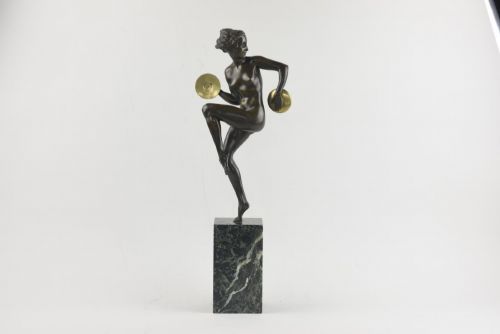
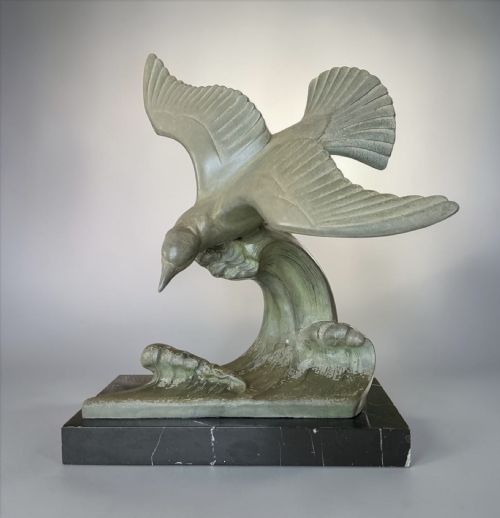
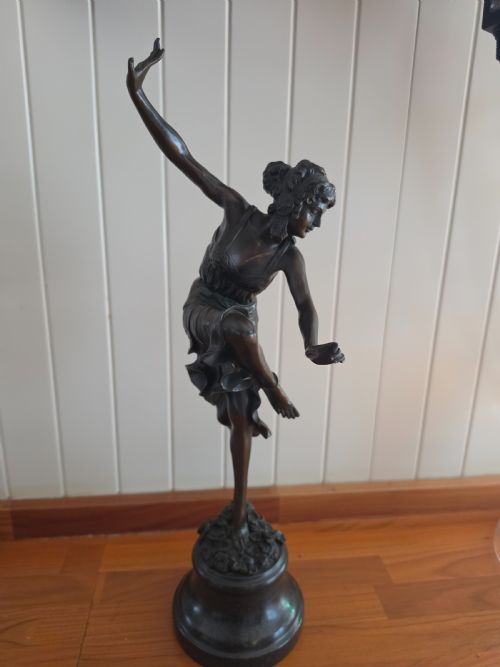
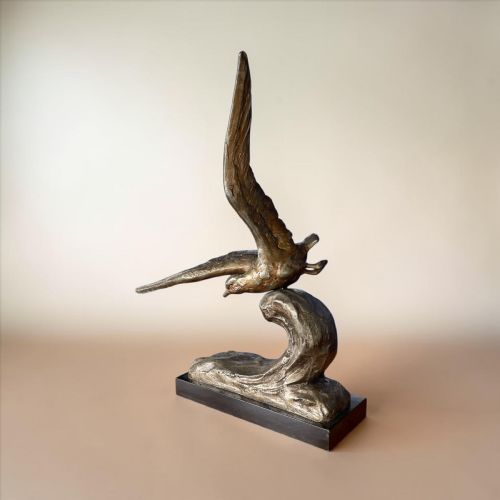
The items range from substantial bronze and marble figural groups to delicate opalescent glass figures and moulded glass ornaments. Animal subjects such as panthers, birds, and stags appear alongside dancers captured mid-movement in bronze, spelter, or chryselephantine compositions.
The most common formats on this page are bronze or spelter sculptures mounted on marble and onyx bases, alongside pressed glass pieces designed by prominent makers. These works served as decorative centrepieces or functional car mascots during the height of the modernist movement.
How they were made
Foundries utilised traditional lost-wax casting methods to produce detailed patinated bronze and silvered bronze figures, often combining metal with carved ivory in chryselephantine works. Spelter served as a more accessible metallic alternative for figurative sculptures, frequently paired with contrasting black marble or onyx plinths.
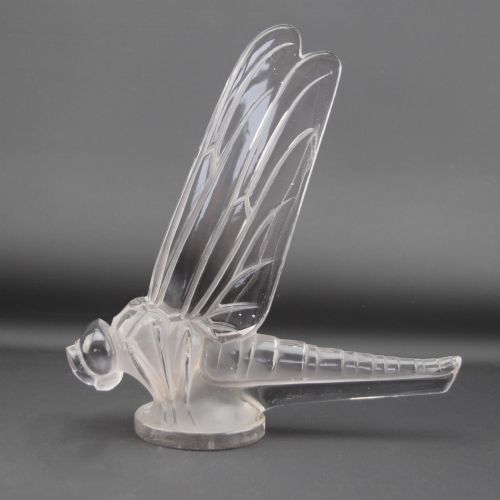
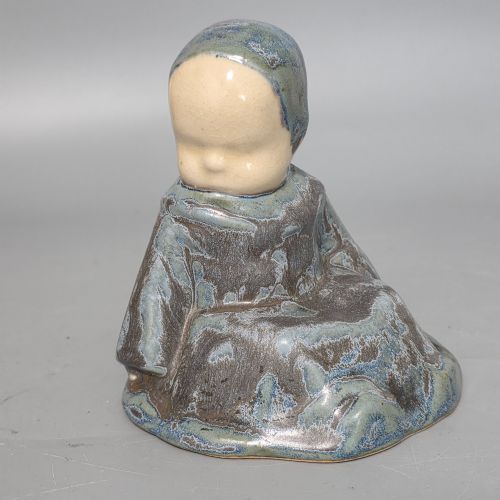
Glass ornaments and car mascots relied on specialised moulding and press techniques, capturing opalescent, frosted, or cameo effects in orange and purple tones. Stoneware and cameo glass production involved firing coloured layers that were subsequently acid-etched or hand-finished to create sharp textural contrast.
Elephants, cats, and leaping frogs join racing drivers and dancers as whimsical interwar companions for the mantelpiece.
What varies in quality
The refinement of the casting and the crispness of the chisel work distinguish superior bronzes from standard commercial productions, particularly in the rendering of facial expressions and drapery. In glass ornaments, the depth of the opalescence and the precision of the surface polish determine the distinction between mass-market items and masterworks.
The choice of base materials significantly influences the overall integrity of the piece, with dense veined marble and contrasting onyx elevating the stature of metal figures. Maker attribution and documented signatures provide the primary measure of distinction among figural sculptures and glass mascots.
Rene Lalique·Demetre H. Chiparus·Pierre Le Faguays·Claire Colinet·Berthe Savigny·Schneider
The Antique French Art Deco Ornament Glossary
- Spelter
- A zinc alloy commonly utilised as a cost-effective substitute for bronze in interwar decorative figures. It accepts patination well but possesses a lighter weight and softer durability than bronze.
- Chryselephantine
- A composite sculptural technique combining metal and ivory to depict flesh and garments. This method appeared frequently in dancer figures from the nineteen twenties.
- Car Mascot
- A sculptural ornament mounted on the radiator caps of luxury automobiles during the early twentieth century. Many glass and bronze examples were later removed and mounted on bases for interior display.
- Opalescent Glass
- Glass formulated to display a milky, iridescent quality that shifts in appearance under changing light conditions. This technique defined many decorative paperweights and mascots.
Antique French Art Deco Ornament: Frequently Asked Questions
What materials make up these ornaments?
These ornaments utilise a range of materials including patinated bronze, spelter, marble, onyx, and various forms of moulded, frosted, or opalescent glass. Some advanced works incorporate carved ivory alongside metal elements.
Foundries often mounted metal animal and human figures upon heavy stone bases, creating stable contrasts between the dark marble and the metallic surface.
How do I display a car mascot?
Car mascots were originally manufactured to mount onto automobile radiator caps during the interwar period. Today, collectors typically display them on custom metal or wooden stands that elevate the piece.
Placing these glass or bronze ornaments near a natural light source enhances the opalescent qualities and highlights the moulded surface details.
How can I distinguish bronze from spelter?
Bronze objects feel heavier and exhibit a resonant metallic quality, whereas spelter is softer and more prone to surface scratching. Spelter figures often show a lighter grey metal underneath worn patination.
Foundries used spelter as an economical alternative to bronze for large animal and human figures during the nineteen thirties.
What subjects are most common?
Animal studies, including panthers, birds, stags, and fish, form a substantial portion of these modernist decorative objects. Human figures, particularly dancers and athletes captured in motion, are equally prevalent.
These subjects reflect the dynamic energy and streamlined aesthetic favored by designers during the interwar decades.