
Antique Floral Gilt Vase
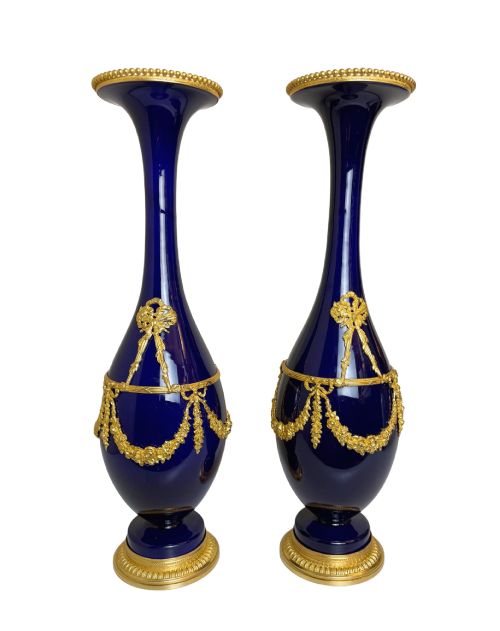
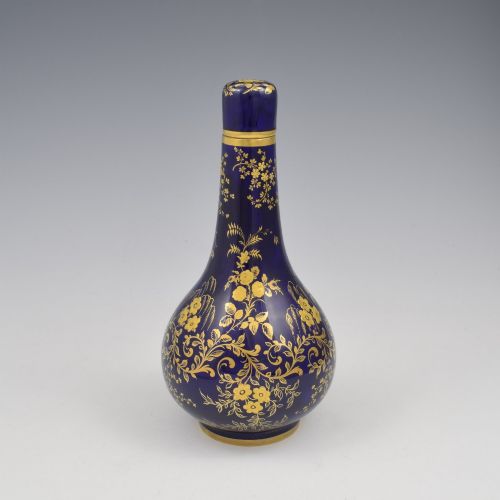
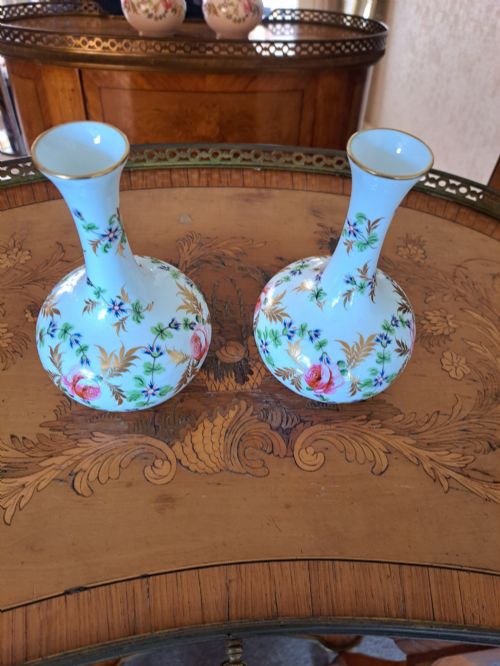
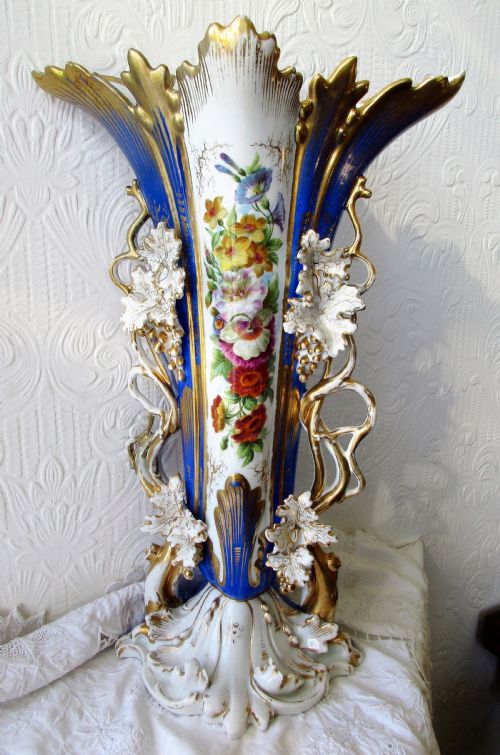
An antique floral gilt vase brings together hand-painted botanical motifs and gleaming metal leaf on porcelain, earthenware or bronze.
Antique Floral Gilt Vase
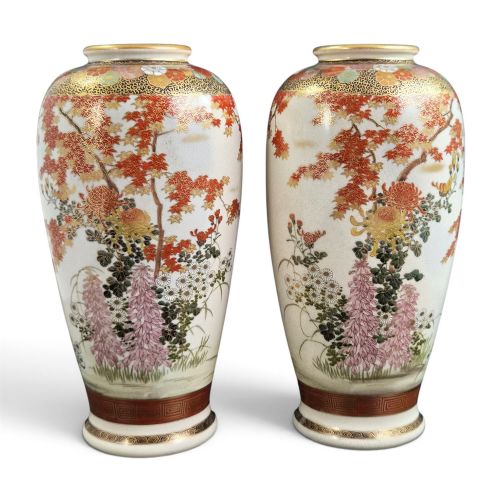
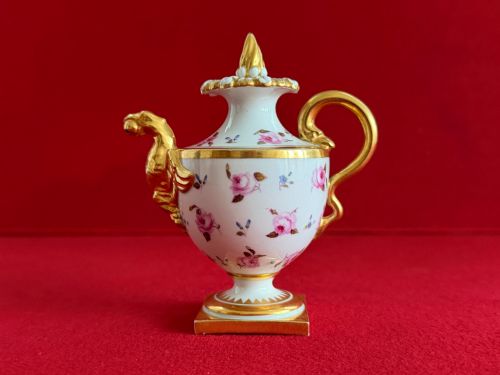
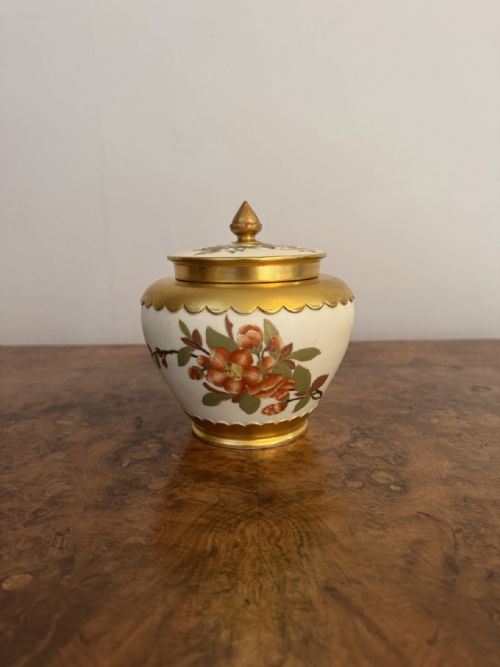
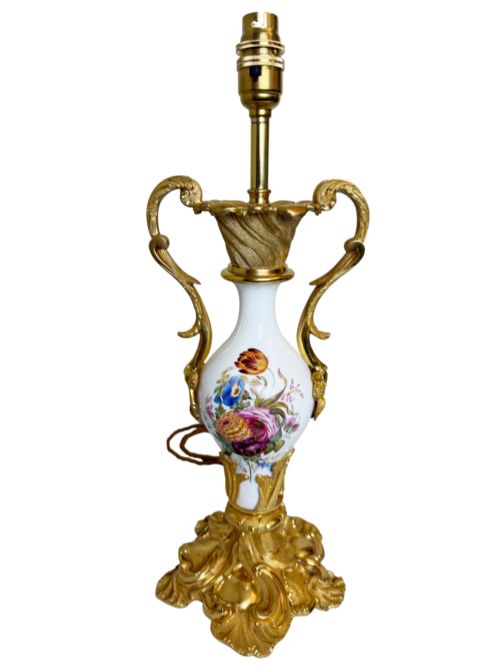
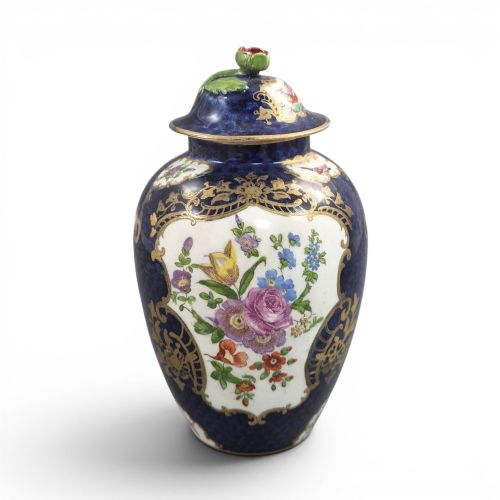
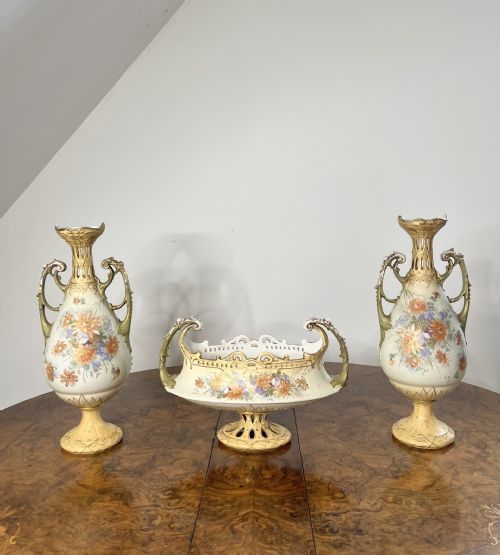
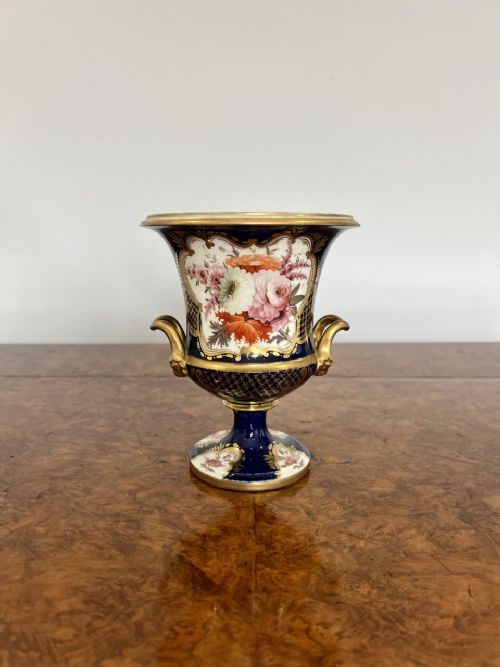
When searching for an antique floral gilt vase, buyers encounter a diverse selection spanning the nineteenth and early twentieth centuries. These vessels take the form of traditional mantle urns, campana shapes, lidded potpourri pots, and table lamps.
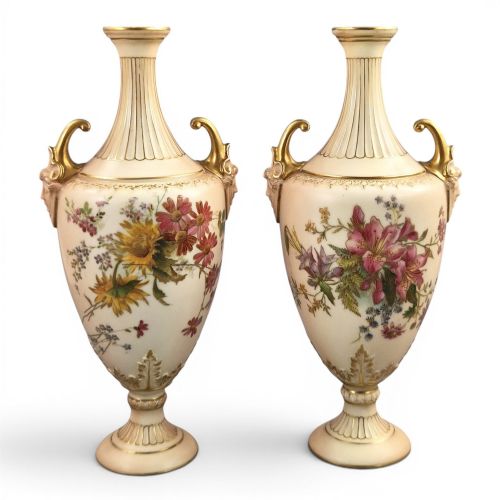
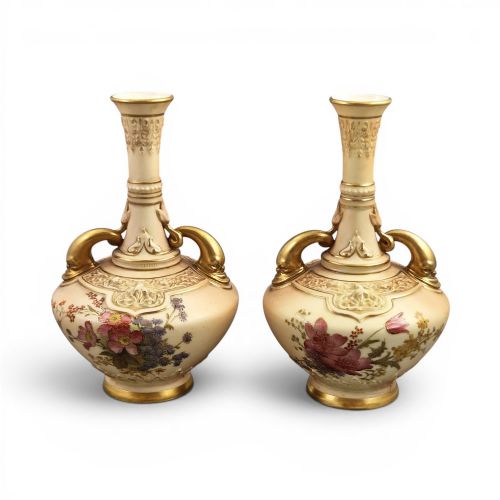
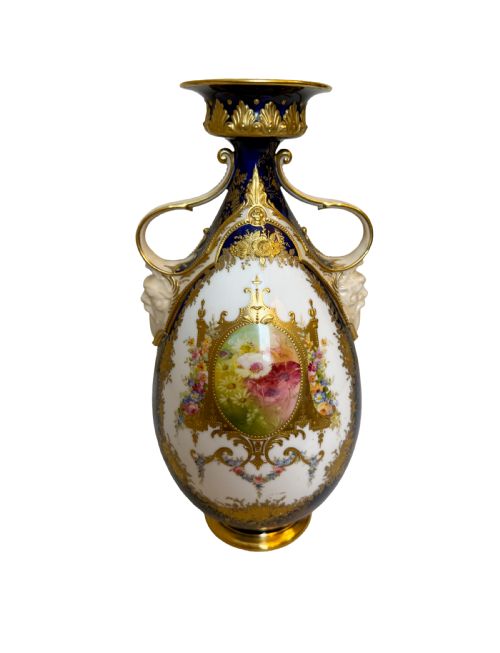
The assortment on this page draws heavily from English factories like Royal Worcester, Spode, and Derby, alongside continental European porcelain and Japanese Satsuma ware. Examples range from modest cabinet pieces to large pairs with intricate hand-painted floral panels and gilt enrichment.
Materials and construction
Makers shaped these vessels from high-fired ceramic bodies including hard-paste porcelain, earthenware, and bone china, often mounting them with cast and gilt bronze trim. Artisans applied enamel colours by hand to depict naturalistic flowers, foliage, and exotic birds.
Surface embellishment relied on gold leaf, gilding, and specialised techniques like pâte-sur-pâte, where successive layers of slip build up a low-relief design before firing. Glazes varied from clear glossy formulas to blush ivory matt surfaces.
Listings feature 19th Century, Edwardian, and Victorian periods alongside Japanese Satsuma and English porcelain.
Judging execution and finish
Quality rests upon the precision of the brushwork in the floral panels and the crispness of the moulded details in the ceramic body and bronze mounts. Superior pieces display finely shaded petals and leaves executed by skilled ceramic painters rather than stencilled transfers.
The application of the gilding also distinguishes the work, with burnished gold leaf offering a deeper lustre than flat metallic paints. Harmony between the porcelain form, the enamel palette, and the gilt trim defines the finer productions.
Royal Worcester·Spode·Crown Derby·Royal Vienna·Kinkozan
The Antique Floral Gilt Vase Glossary
- Gilt
- Covered thinly with gold leaf or gold paint. This metallic embellishment highlights handles, rims, and borders.
- Satsuma
- Japanese earthenware pottery featuring a crackle glaze and elaborate polychrome and gilt decoration. These pieces frequently depict gardens and floral scenes.
- Campana
- An inverted bell-shaped urn or vase design originating in classical antiquity. 19th-century makers revived this symmetrical neoclassical form.
- Pâte-sur-pâte
- A ceramic decorating technique where wet white slip is painted layer by layer onto a darker body. This builds a cameo-like relief before the piece is glazed and fired.
- Potpourri
- A vase or jar with a pierced cover designed to hold dried scented plant material. These lidded vessels often feature extensive floral painting and gilt details.
Antique Floral Gilt Vase: Frequently Asked Questions
How do I care for my vase?
Dust ceramic and bronze surfaces gently with a dry, soft cloth to prevent scratching the enamel and gilding.
Avoid using water or liquid cleaning agents, particularly around painted panels and exposed gold leaf.
Were these vases used for flowers?
Many smaller examples served primarily as decorative chimney-piece ornaments or cabinet displays rather than functional water holders.
Lidded pieces often held dried potpourri mixtures rather than fresh stems.
How are English and Japanese vases different?
English factories like Worcester and Spode relied on translucent porcelain bodies with neoclassical or botanical painting.
Japanese Satsuma works used an earthenware body with a fine crackle glaze and dense pictorial gilt scenes.
What does blush ivory mean?
This term describes a matt cream-coloured ceramic ground developed by Royal Worcester in the late nineteenth century.
It provided a soft background for delicate hand-painted floral sprays and raised gold details.