


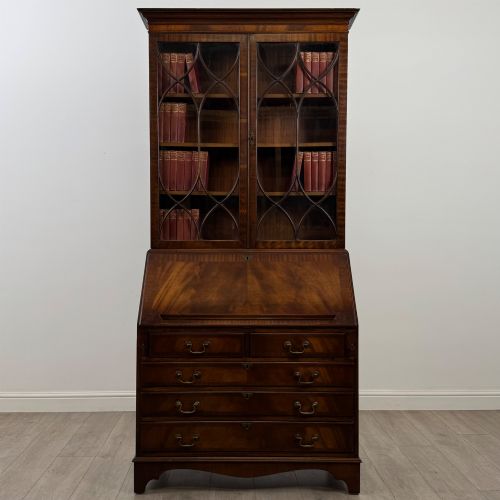
Antique Fall Front Cabinet
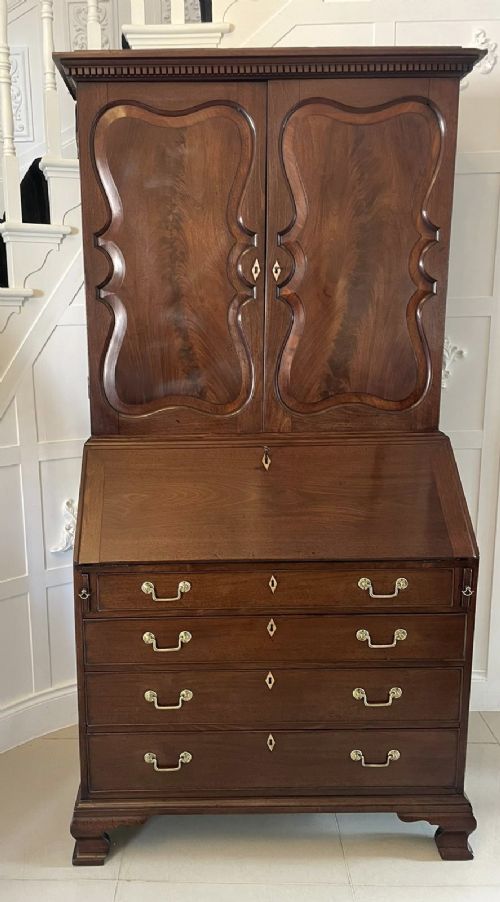
An antique fall front cabinet conceals a fitted writing space behind a dropping panel, offering a blend of concealed storage and display.
Antique Fall Front Cabinet
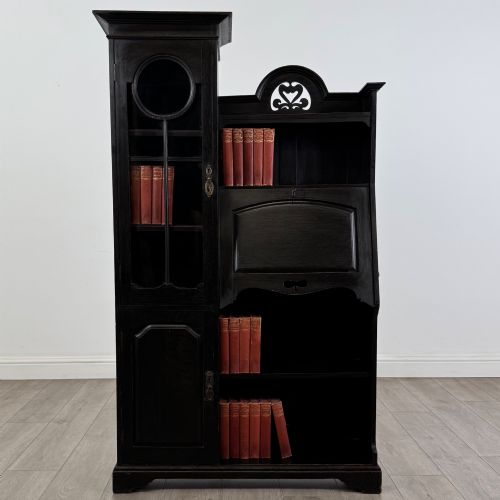
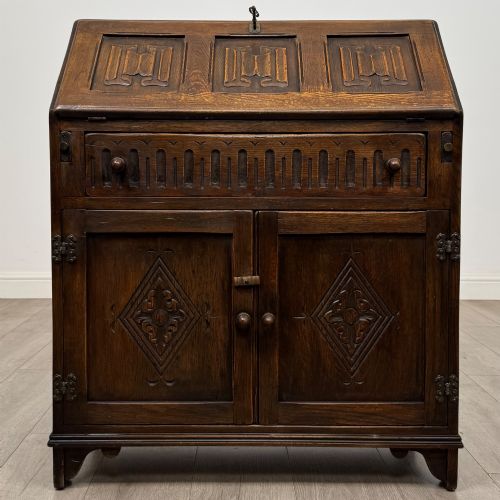
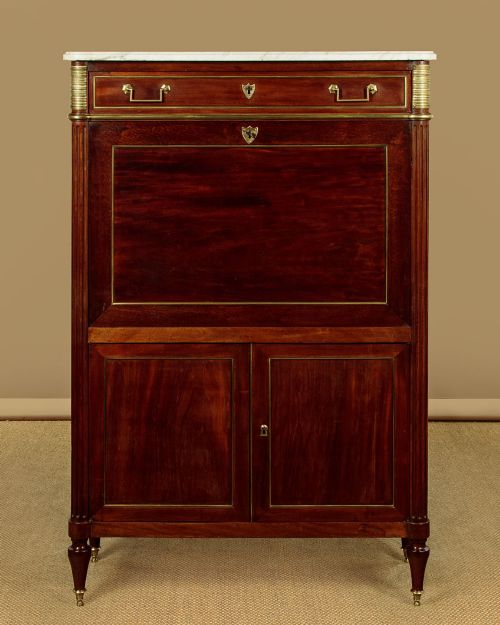
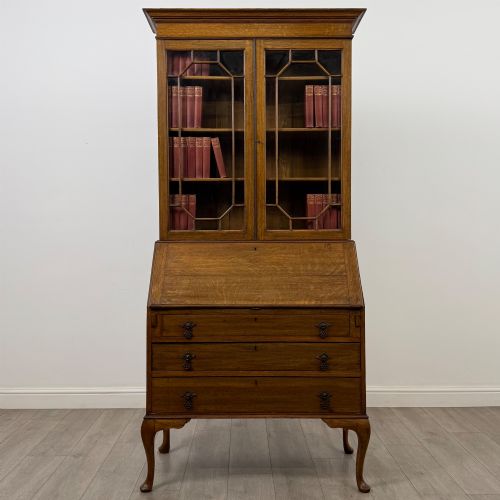
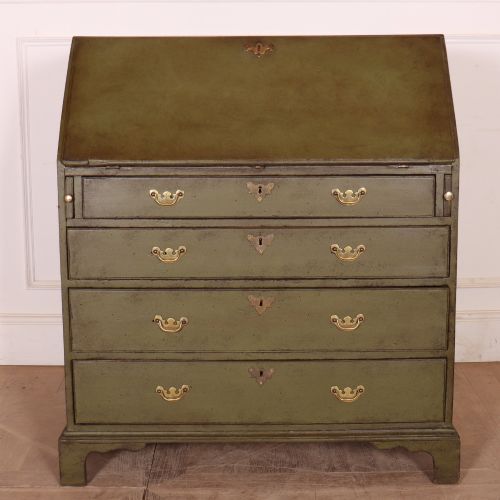
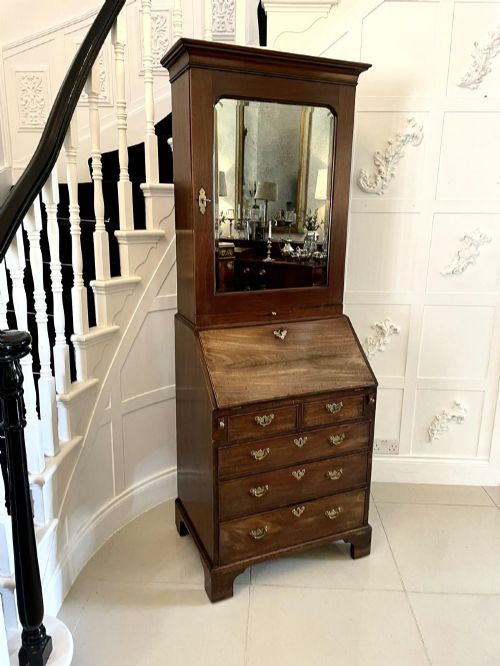
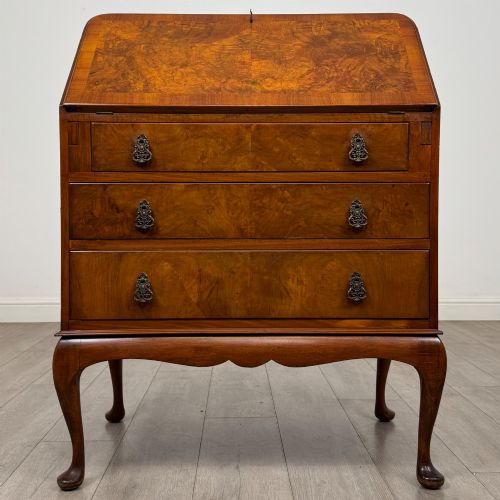
An antique fall front cabinet combines a vertical storage unit with a folding writing surface that opens toward the user. These pieces appear in forms such as bureau bookcases, secretaire abattants, and writing bureaux across periods from the seventeenth century through the Edwardian era.
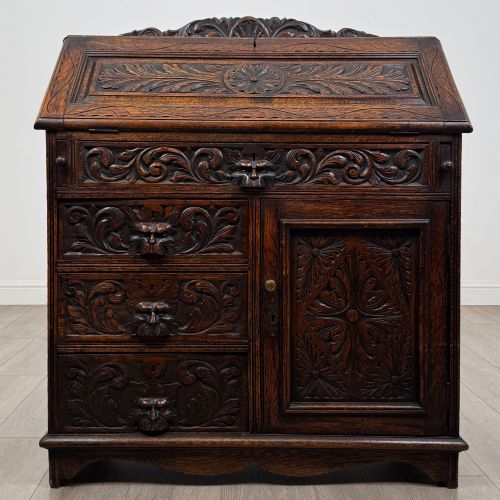
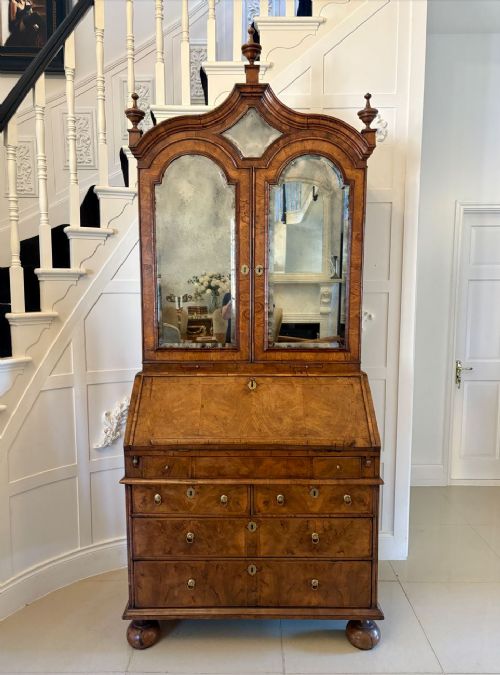
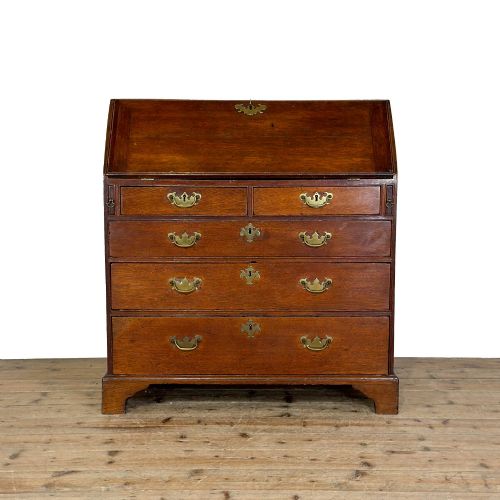
The selection ranges from early oak and walnut examples spanning the seventeenth and eighteenth centuries to later mahogany and Edwardian oak designs. Bureau bookcases add upper shelving or glazed display sections above the fall front, while compact writing desks focus solely on the lower writing compartment.
Makers and craftsmen utilised varied regional styles, including Georgian, Queen Anne, Arts and Crafts, and French Restoration designs. Buyers frequently encounter Edwardian oak and walnut versions alongside earlier Georgian pieces.
Materials and Construction
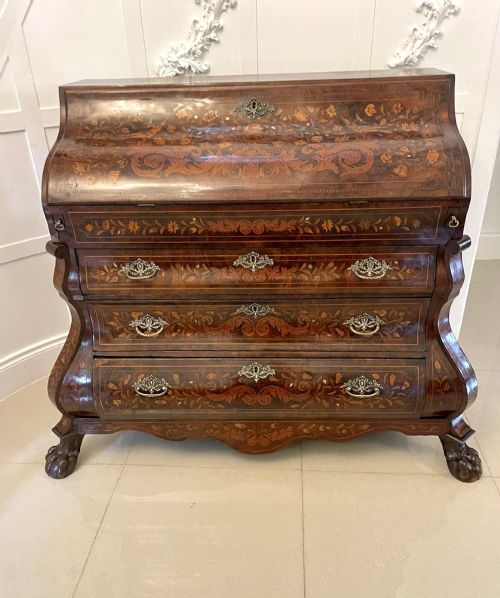
Cabinetmakers constructed these pieces using solid timbers like oak, walnut, and mahogany, often applying burr walnut veneers, floral marquetry, or herringbone inlay to external surfaces. Brass handles, escutcheons, and hinges secure the drawers and support the folding writing flap.
Internal compartments incorporate pigeonholes, small drawers, and stepped interiors designed to hold stationery and documents. Some French and later examples integrate marble tops or mirrored sections within the upper cabinet layout.
One early oak bureau bookcase has been adapted to hold a television.
Craftsmanship and Proportion
Quality rests in the selection of figured wood veneers, the crispness of marquetry or carving, and the precise alignment of internal drawers. Superior examples maintain balanced proportions and retain original brass hardware and fitted writing surfaces.
The execution of secondary timbers, dovetail joints on internal drawers, and the stability of the fall front hinges distinguish standard production from exceptional cabinet work.
ARTHUR BASIL REYNOLDS·LARKIN
The Antique Fall Front Cabinet Glossary
- Fall front
- A hinged writing flap that drops down to form a horizontal desk surface. It conceals internal pigeonholes and small drawers when closed.
- Secretaire abattant
- A tall, vertical cabinet with a drop-front writing desk compartment. This form originates from French design traditions.
- Bureau bookcase
- A dual-purpose piece combining a lower fall front writing desk with an upper shelving or cabinet section. These units often feature glazed doors.
- Marquetry
- Decorative veneer patterns formed by fitted pieces of coloured wood, shell, or ivory. Craftsmen applied these designs to drawer fronts and fall panels.
- Featherbanding
- A type of inlay using matched veneers cut diagonally to resemble a bird feather. It frames the borders of drawer fronts and cabinet doors.
Antique Fall Front Cabinet: Frequently Asked Questions
What is a fall front cabinet?
A fall front cabinet is a piece of furniture featuring a hinged panel that folds down to create a desk surface. Behind this flap, makers constructed compartments for writing materials and letters.
When closed, the cabinet presents a clean vertical front that conceals the workspace and protects documents from dust.
How do I date an antique cabinet?
Dating relies on examining the timber species, construction methods, and hardware styles. Earlier pieces often display solid oak or walnut with hand-cut dovetails, while later Edwardian examples utilise machine-cut joints and different secondary woods.
Stylistic markers such as bracket feet, cornice designs, and inlay techniques also help narrow down the period of manufacture.
Where should I place this cabinet?
These cabinets suit studies, living rooms, or hallways where vertical storage is required without occupying excessive floor space. Ensure adequate clearance in front of the unit for the fall front panel to open fully.
Keep the timber away from direct heat sources and strong sunlight to protect wood finishes and prevent veneer cracking.
How do I care for walnut veneer?
Maintain walnut veneer by dusting regularly with a soft, dry cloth and avoiding silicone-based polishes. Applying occasional traditional wax feeds the wood and preserves the grain.
Maintain stable room humidity levels to prevent the wood beneath the veneer from expanding or contracting.