



Late 17th Century Desk
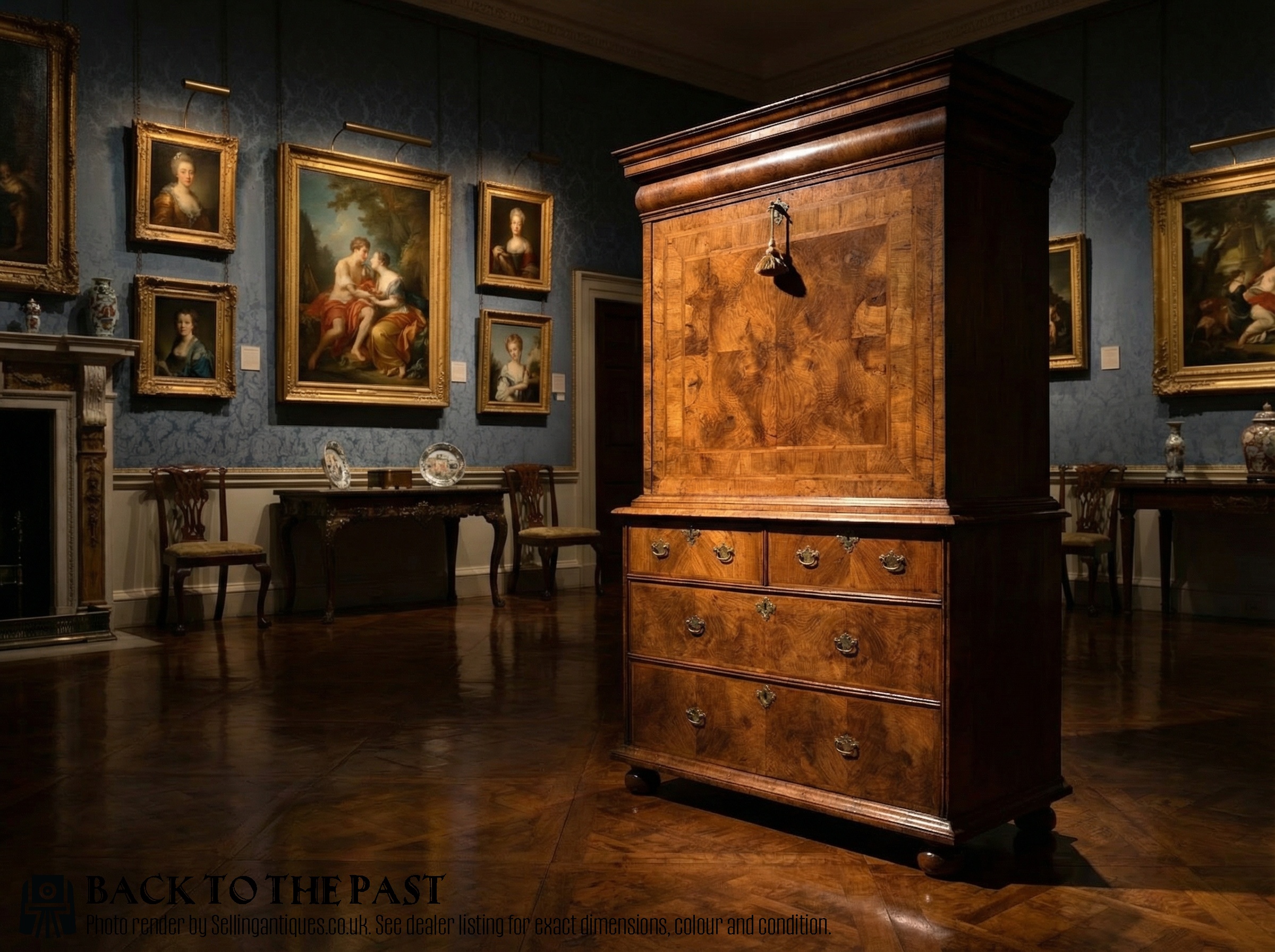
A late 17th century desk brings solid walnut, oak and kingwood structure to a room through writing cabinets, slant front bureaus and fitted desk boxes.
Late 17th Century Desk
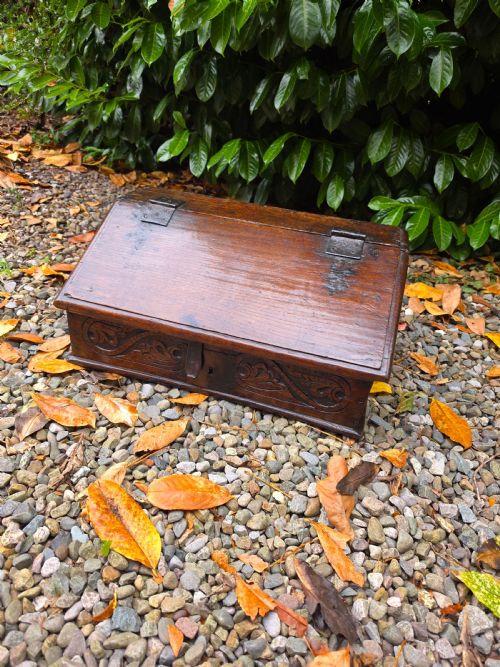
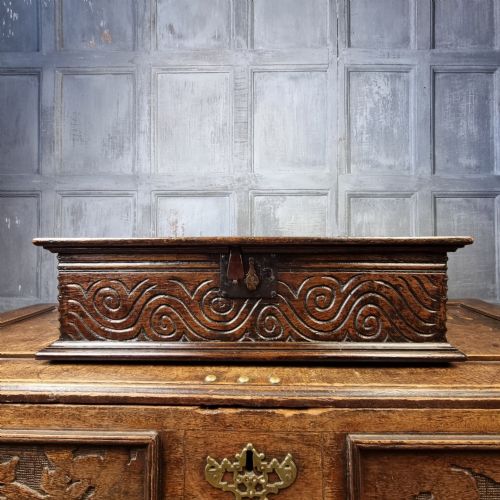
When you search for a late 17th century desk, you encounter forms that evolved from portable slant front Bible boxes and deed boxes resting on tables into integrated writing cabinets and bureaus. These pieces represent a pivotal era in domestic writing furniture, moving from lidded table boxes to standing furniture with internal drawers and pigeonholes.
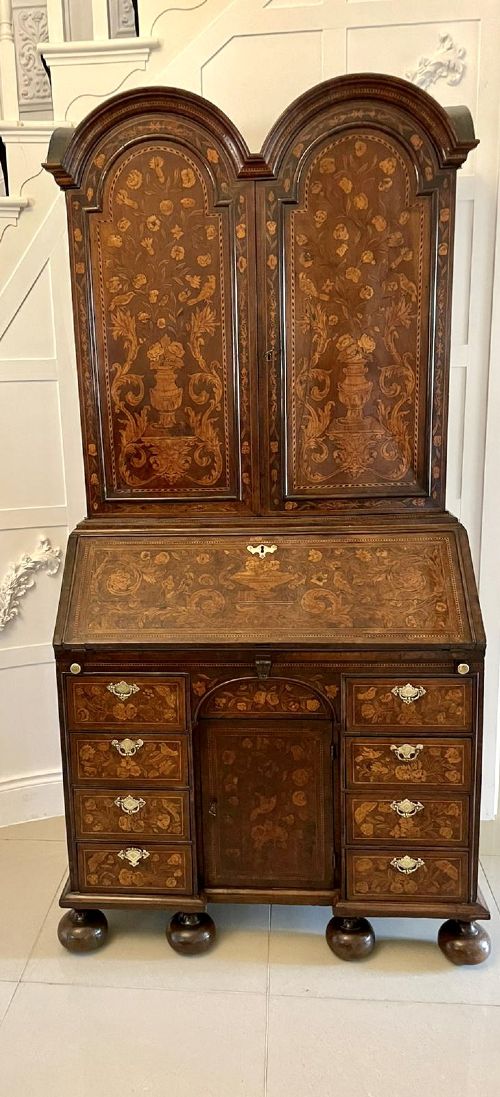
On this page, the most common form is the oak or walnut slant front bureau and the compact escritoire, alongside smaller portable desk boxes. These pieces often display the distinctive influence of the William and Mary style, characterised by figured veneers and geometric parquetry work.
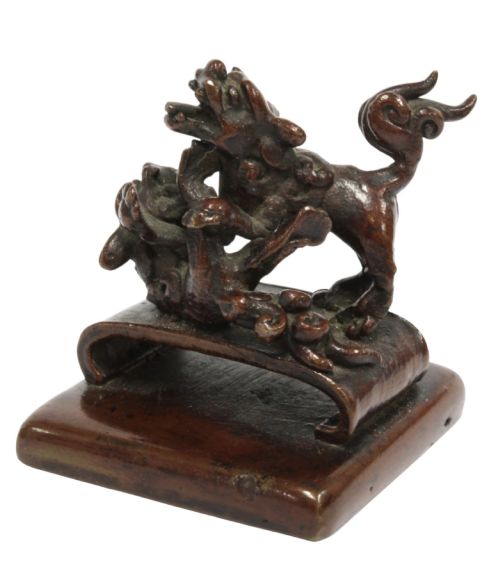
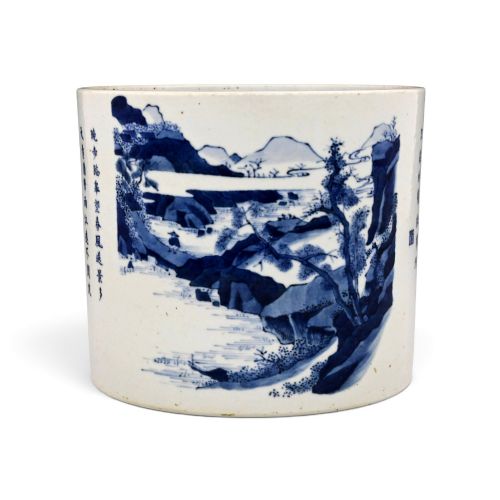
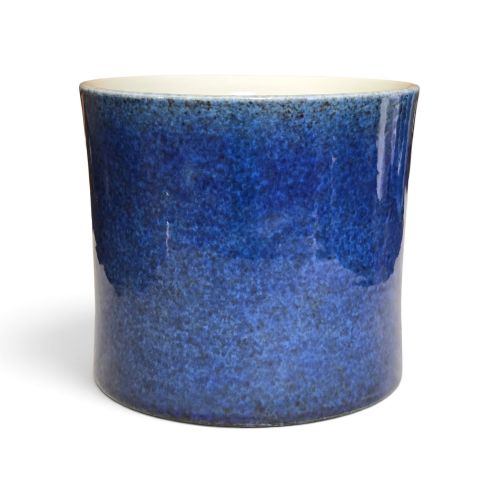
The materials reflect the transition from sturdy regional timbers like English oak to exotic veneers such as kingwood and burr walnut. Alongside these writing pieces, related accessories like brush pots and desk blotters appear from the same period, illustrating the broader material culture of seventeenth-century writing.
Materials and construction methods
Carpenters built the primary carcases of these desks using solid English oak for regional pieces, while employing walnut and kingwood as face veneers on finer urban furniture. Craftsmen laid these decorative veneers in geometric parquetry patterns across fall fronts and drawer facades.
Hardware played a functional and decorative role, with brass hinges, escutcheons and drop handles securing lids and drawers. Iron fastenings also reinforced internal compartments within portable desk boxes and Bible boxes.
Listings for this phrase include oak, walnut, burr walnut and kingwood pieces executed in William and Mary and Carolean styles.
Factors of quality and execution
Quality in a late 17th century desk rests on the selection and matching of timber veneers, particularly how figured walnut or kingwood grain flows across the fall front and drawer fronts. Superior examples exhibit precise parquetry alignment and meticulous timber preparation.
The interior fit-out distinguishes standard pieces from exceptional ones, marking quality through the complexity of concealed drawers, pigeonholes and sliding wells. Structural integrity, including original brass mounts and period dovetail joints, determines the standing of each piece.
The Late 17th Century Desk Glossary
- Escritoire
- A writing cabinet featuring a fall-down front that reveals a fitted interior of small drawers and pigeonholes. It typically stands on a raised base or frame.
- Parquetry
- A geometric mosaic of wood veneers arranged in decorative patterns such as cubes or herringbones. Cabinetmakers applied this technique to the exterior surfaces of high-status furniture.
- Slant front
- A sloping lid hinged at the bottom that opens downwards to form a writing surface. This feature defines the transition from portable boxes to standing bureaus.
- Bible box
- A small, lidded wooden box used originally for holding sacred texts and documents. These pieces frequently double as portable writing desks when placed upon a table.
Late 17th Century Desk: Frequently Asked Questions
How do I use a late 17th century desk today?
These pieces function well as writing surfaces or laptop workstations in modern studies and living rooms. Their compact proportions make them adaptable for rooms with limited space.
Internal compartments and small drawers also suit the storage of modern stationery, letters and small documents.
Are desk boxes the same as bureaus?
Desk boxes are portable containers designed to sit on top of tables or side desks for writing tasks. Bureaus are freestanding items of furniture built as a single unit.
Desk boxes represent an earlier, more mobile tradition of writing furniture before integrated standing desks became common.
Which woods were used for these desks?
Cabinetmakers primarily used native oak for regional and utilitarian pieces, while turning to walnut and burr walnut for fashionable urban furniture. Exotic veneers like kingwood also appeared on high-status examples.
Brass and iron hardware supplemented these timbers for hinges, locks and decorative escutcheons.