



Period Walnut Bureau
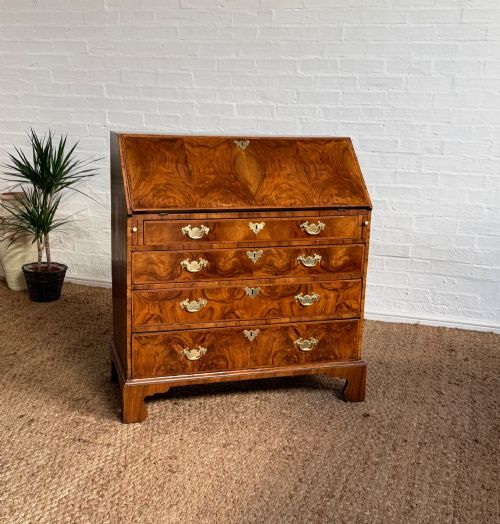
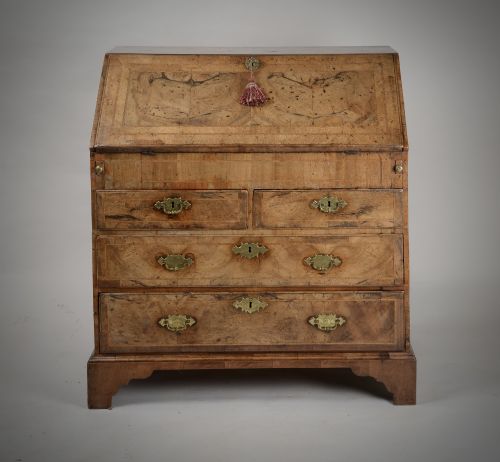
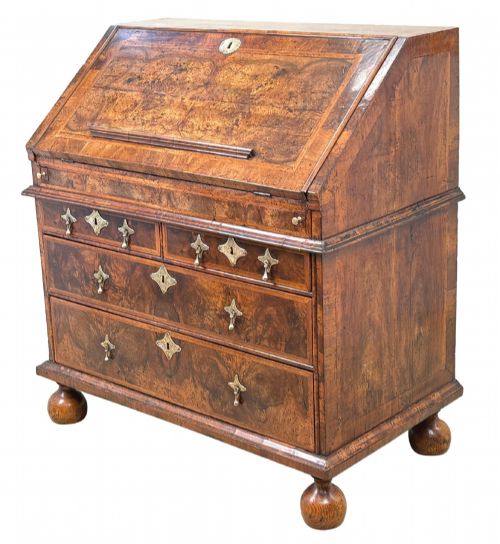
A period walnut bureau is a writing desk with a sloping fall-front that opens to reveal internal compartments, prized for its figured timber and fitted interior.
Period Walnut Bureau
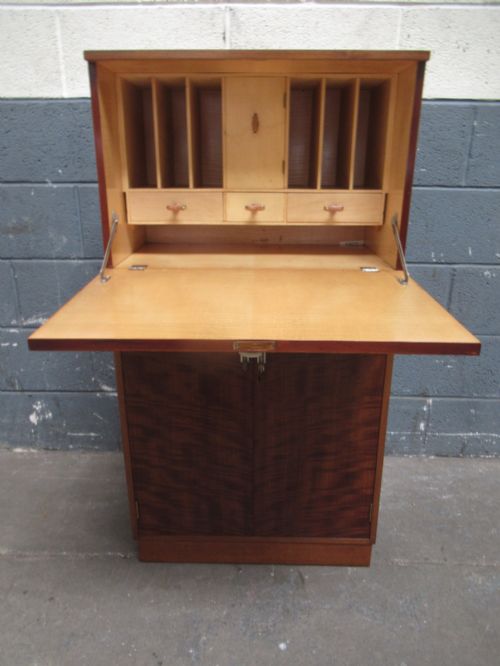
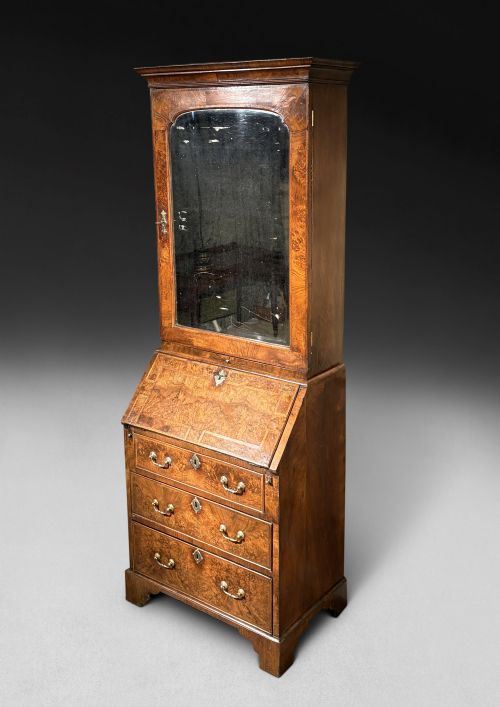
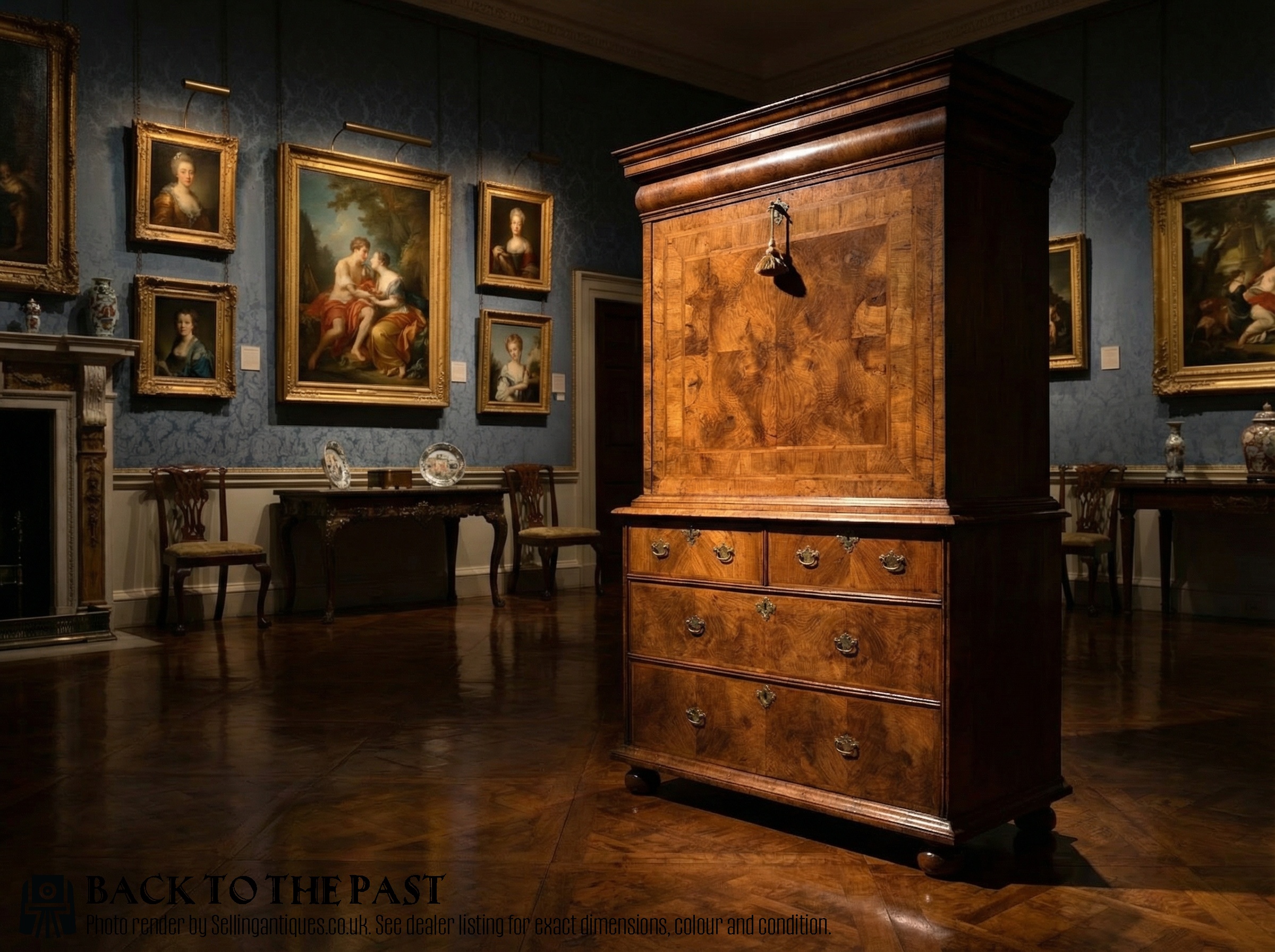
A period walnut bureau serves as a writing desk with a hinged flap that conceals drawers and pigeonholes for correspondence and documents. When searching for a period walnut bureau, buyers encounter various forms including slant-front desks, bureau bookcases with upper glazed or mirrored cabinets, and larger escritoire cabinets from the late seventeenth and eighteenth centuries.
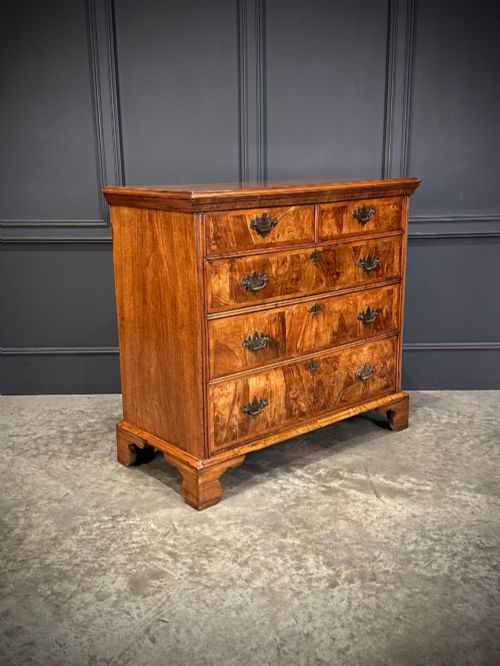
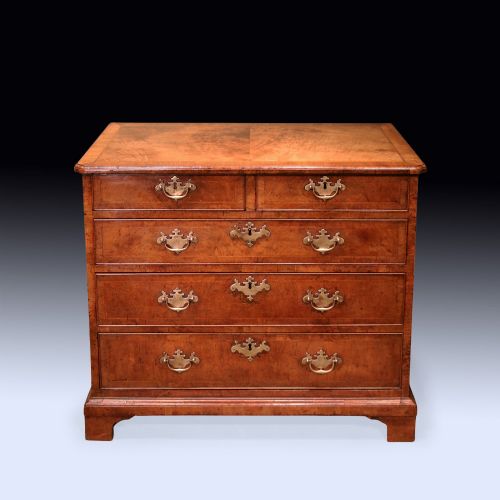
The pieces on this page span several stylistic eras, featuring George I, George II, Queen Anne, and William and Mary designs alongside later twentieth-century Art Deco interpretations. Walnut and burr walnut dominate the materials, frequently accompanied by oak secondary timbers and brass hardware.
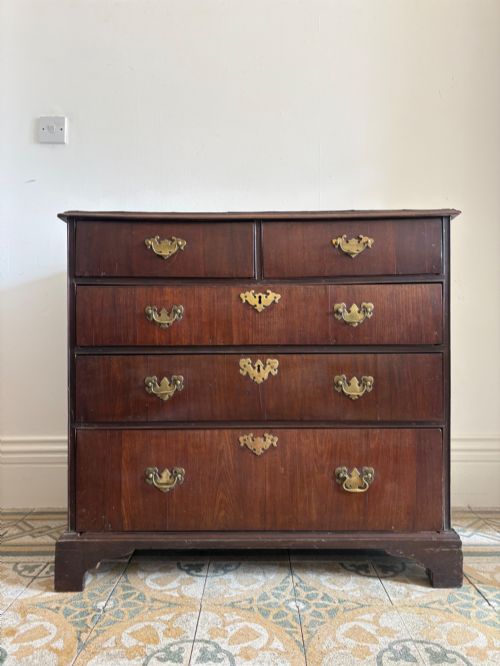
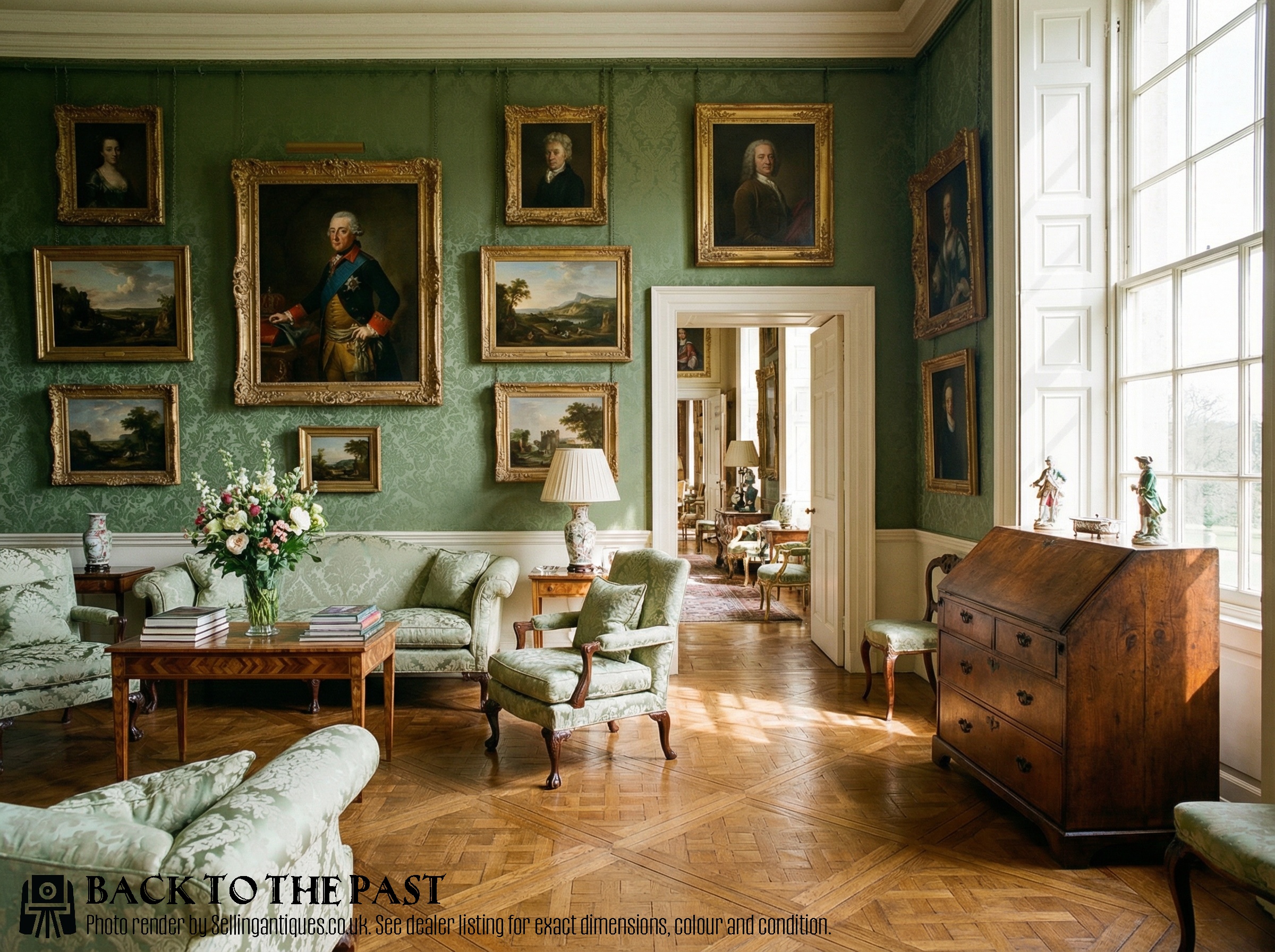
Most examples originate from the eighteenth century, presenting fitted interiors behind the fall-front flap and standing on bracket feet or cabriole legs. Buyers find both compact single-piece writing desks and towering bureau bookcases designed to store books and display valued objects behind glass doors.
What varies in quality
The visual impact of the timber figure dictates much of the value, with rich burr walnut and book-matched veneers commanding higher regard than plain grain. The quality of the feather-banding and cross-banding execution reveals the skill invested by the original cabinet maker.
Interior complexity separates standard writing desks from exceptional bureau bookcases, particularly when secret compartments, well-fitted pigeonholes, and original mirrored doors remain intact. The survival of original brass handles and surface patination further distinguishes superior examples.
Proportion and scale influence desirability, as smaller bureau cabinets and diminutive kneehole desks demonstrate greater technical difficulty in construction than standard larger chests.
Listings feature walnut, burr walnut, oak, brass, and glass across Georgian, William and Mary, and Art Deco styles.
Gillows
The Period Walnut Bureau Glossary
- Bureau
- A desk with a sloping hinged lid that drops down to form a writing surface, hiding a collection of small drawers and pigeonholes. This term applies to both simple writing desks and those integrated into larger cabinet furniture.
- Burr walnut
- Timber obtained from the burl growths of walnut trees, displaying swirling and knotted grain patterns prized for decorative veneer work. Cabinet makers applied thin slices of this wood to drawer fronts and fall-front flaps.
- Feather-banding
- A decorative inlay technique using two strips of veneer cut diagonally to form a herringbone pattern resembling a feather. This technique bordered drawer fronts and desk flaps on eighteenth-century pieces.
- Escritoire
- A writing cabinet featuring a fall-front writing flap that drops forward, common in late seventeenth-century William and Mary furniture. These tall cabinets often concealed elaborate interior compartments.
- Kneehole desk
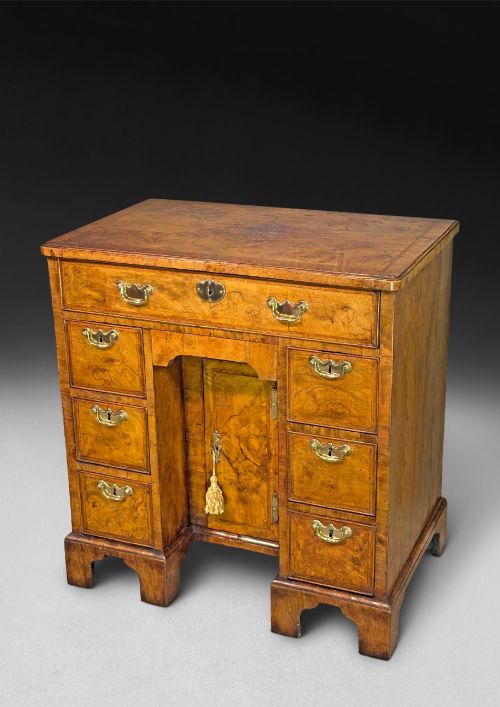
- A compact desk with a central recessed space for the legs, flanked by pedestals of small drawers. George I period examples frequently utilise figured walnut timbers across these facades.
- Marquetry
- The art of applying pieces of veneer to a structure to form decorative patterns and pictures. Seventeenth-century pieces on this page utilise this technique alongside walnut.
Period Walnut Bureau: Frequently Asked Questions
How do I tell a George I bureau from a George II bureau?
George I pieces generally date from the early eighteenth century and frequently display herringbone feather-banding and rich burr walnut veneers. Their proportions remain compact and elegant.
George II examples often incorporate bolder figuring and sometimes feature carved cabriole legs or bracket feet as styles shifted towards heavier classical proportions.
How were bureau bookcases used?
Bureau bookcases served as multifunctional furniture for reading, writing, and storing personal papers and books. The upper section held volumes behind glass or mirrored doors, while the desk flap provided a writing surface.
Upper cabinets also functioned to display valued collections and porcelain behind secure locked doors in wealthy households.
How do I live with an antique walnut bureau?
Living with an antique bureau involves placing it away from direct sunlight and heat sources to prevent the walnut veneer from drying out. Regular dusting with a soft cloth maintains the timber surface.
The fall-front flap provides a practical writing surface for modern use while offering concealed storage for stationery and laptops.