
Antique English Serving Dish
An antique English serving dish brings centuries of ceramic and metal craft to the dining table, offering both decorative presence and practical utility.
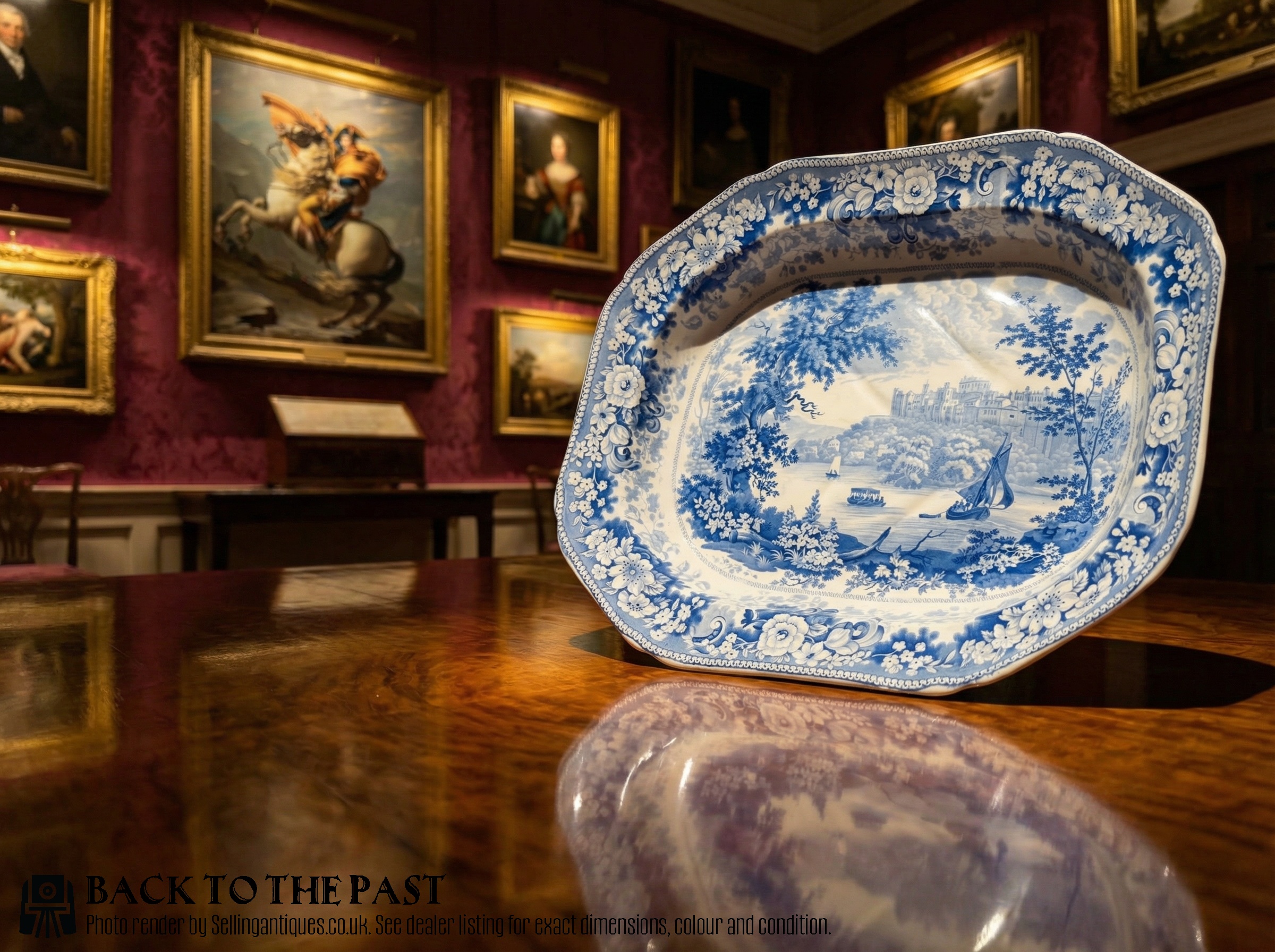
Antique English Serving Dish
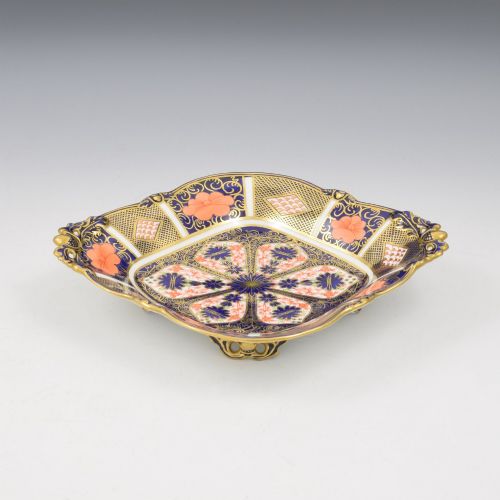
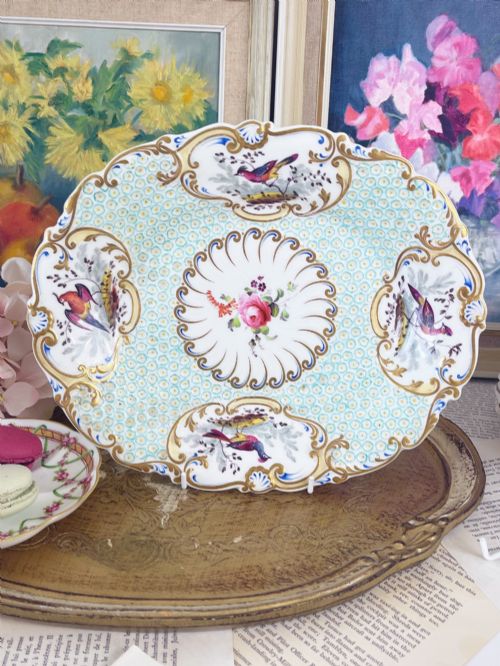
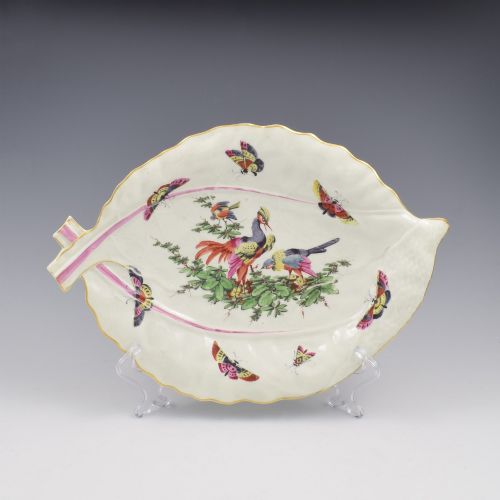
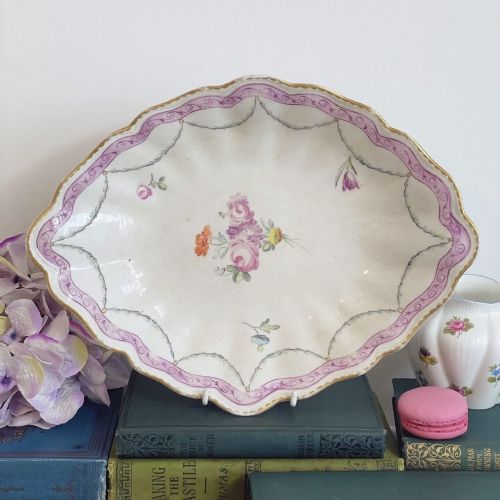
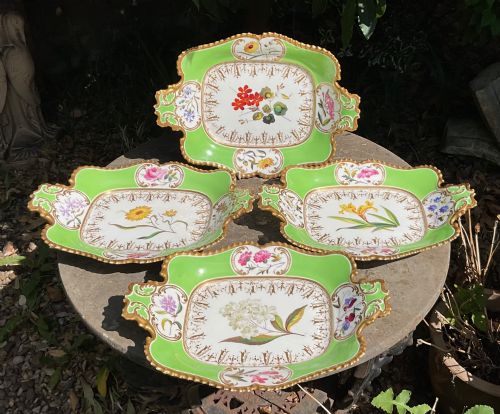
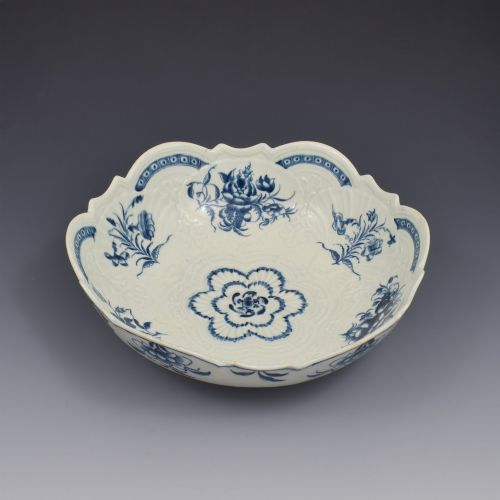
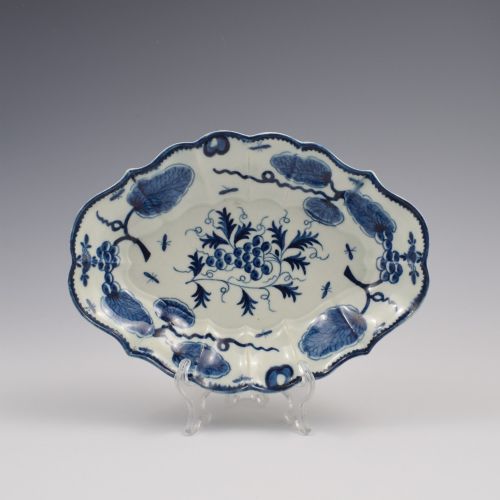
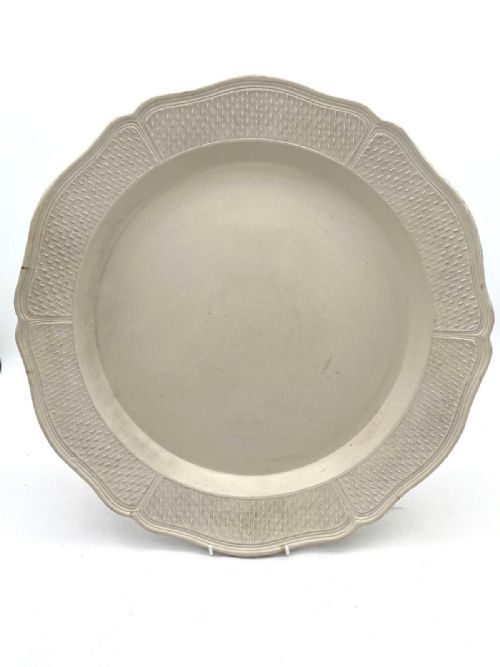
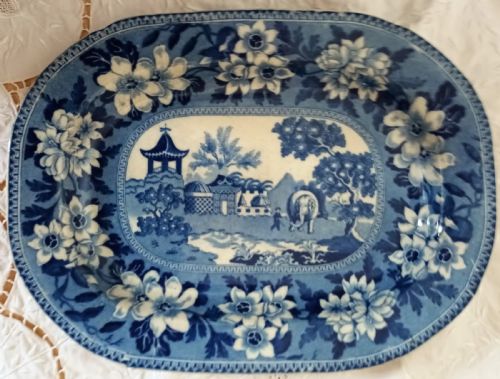
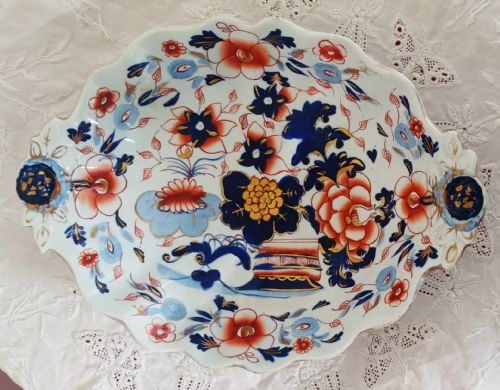
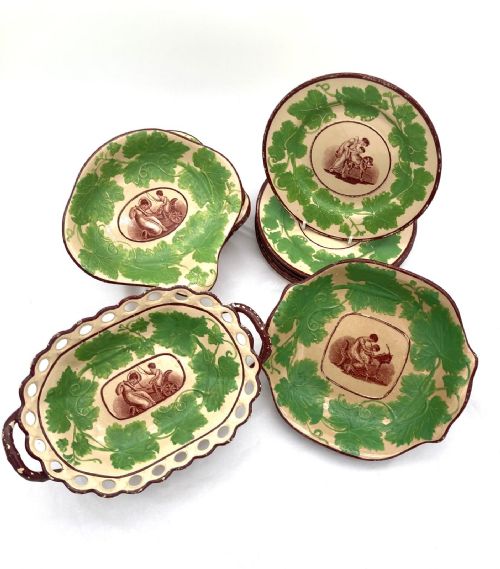
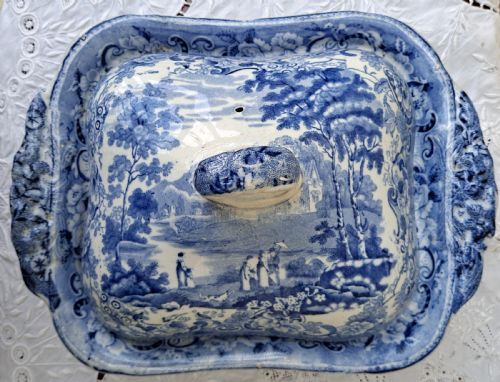
When searching for an antique English serving dish, collectors encounter a diverse range of forms spanning the eighteenth, nineteenth, and early twentieth centuries. These pieces encompass large meat platters, deep vegetable tureens with covers, leaf-shaped dessert dishes, and multi-piece services intended for elaborate dining tables.
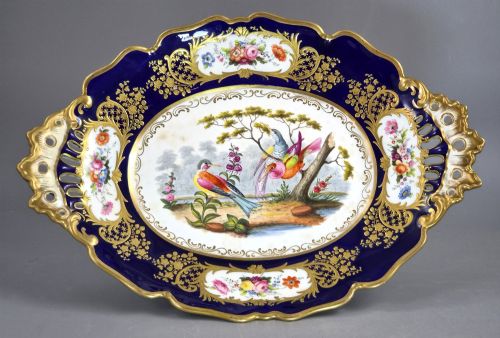
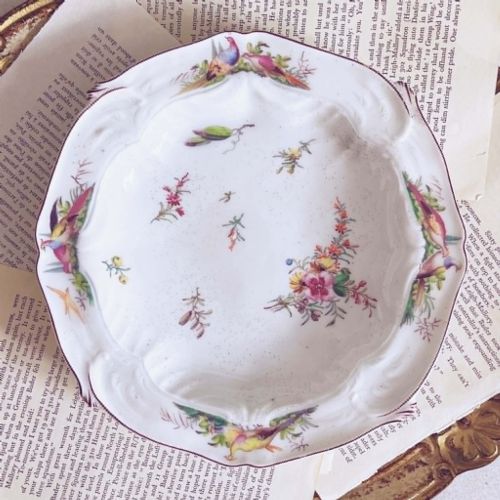
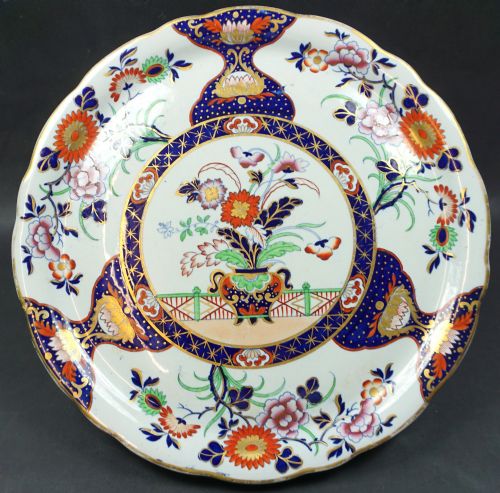
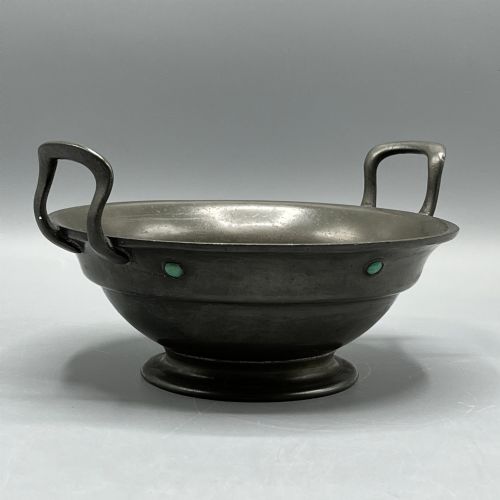
The material palette is equally varied, moving from early salt-glazed stoneware and soft-paste porcelain to ironstone, earthenware, pewter, and silver plate. Georgian and Regency examples often feature intricate blue and white transfer printing or hand-painted botanical motifs, while later Victorian iterations display rich gilding and moulded relief.
Originating from renowned potting regions like Staffordshire and Worcester, alongside metropolitan metalwork studios, these dishes reflect the shifting domestic habits and dining fashions of historic British households.
Materials and Manufacturing Techniques
Pottery and porcelain production relied on shaping clay bodies - such as refined earthenware, ironstone, or bone china - either by hand throwing or pressing into moulds, followed by high-temperature kiln firing. Artisans then applied underglaze blue transfer prints or hand-painted enamel colours using brushes before a final glazing process locked the design.
Metal vessels utilised pewter casting, silver plating over copper bases, or the Sheffield plating technique where thin sheets of silver were fused to copper ingots. Silversmiths hammered, spun, or pierced the metal to create reticulated rims, decorative handles, and fitted glass liners for specialised dishes.
Certain nineteenth-century dining tables featured revolving breakfast dishes so guests could serve themselves without interrupting polite conversation.
Distinctions in Quality and Execution
The standard of a piece rests heavily on the crispness of its manufacture, whether in the depth of a transfer-printed landscape or the precision of hand-painted polychrome brushwork. Superior items exhibit careful attention to detail, such as finely modelled handles, unblemished glazes, and well-balanced forms that sit true on a flat surface.
The reputation of the maker or pottery also dictates standing within the range, as established factories employed master decorators whose artistry elevated functional tableware into genuine works of fine art.
Royal Crown Derby·Dr Wall Worcester·H & R Daniel·Coalport·Spode·Mason's Ironstone·Flight Barr & Barr·Mappin & Webb
The Antique English Serving Dish Glossary
- Transferware
- Earthenware or porcelain decorated by applying a monochrome printed design from a copper plate onto paper, which was then transferred to the unglazed ceramic body.
- Ironstone
- A dense, durable type of heavy earthenware patented in the early nineteenth century as a robust alternative to true porcelain.
- Tureen
- A deep, covered bowl specifically designed for serving soups, stews, or vegetables at the dining table.
- Soft-paste porcelain
- An early ceramic composition fired at lower temperatures than hard-paste porcelain, prized by collectors for its warm, slightly creamy glaze texture.
- Comport
- A decorative footed dish or bowl raised above the table surface, traditionally used for serving fruit or sweets during dessert courses.
Antique English Serving Dish: Frequently Asked Questions
How were antique serving dishes used?
These vessels were central to historic dining rituals, used to present meats, vegetables, fruit, and sauces at grand family meals or formal banquets.
Larger platters carried roasts, while covered tureens kept dishes warm until service at the table.
Can I use an antique dish for food?
While many ceramic and metal dishes remain structurally sound, centuries-old glazes and metal compositions require careful consideration before serving acidic or greasy foods.
Most collectors prefer to use them for dry items, display, or gentle hand washing rather than daily dining service.
How do I identify the period of a piece?
Dating relies on combining clues from ceramic backstamps, factory marks, glaze characteristics, and the specific chemical composition of the clay body.
Stylistic markers such as transfer print subjects and potting weights also help narrow down the decade of manufacture.
What is the difference between earthenware and ironstone?
Earthenware is a porous, lower-fired ceramic body that requires a complete glaze to remain waterproof and functional for dining.
Ironstone contains slag and feldspar, creating a much heavier, vitreous, and durable material designed to withstand heavy household use.