



Georgian Porcelain Platter
These georgian porcelain platter items are tablewares shaped for serving, bringing eighteenth and nineteenth-century ceramic artistry straight to your dining room.
Georgian Porcelain Platter
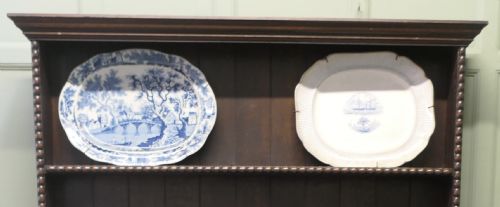
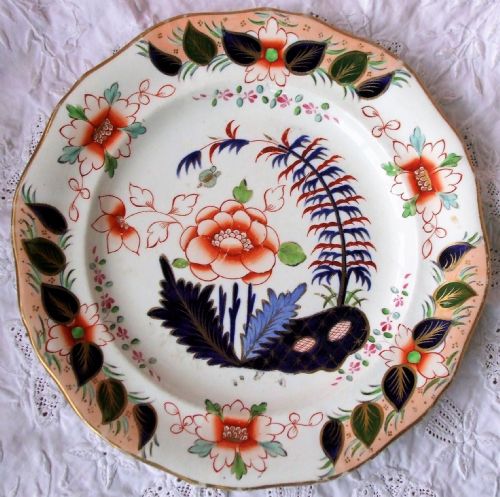
A georgian porcelain platter search reveals large serving dishes, chargers, and decorative plates created during the eighteenth and early nineteenth centuries. You are most likely to encounter examples featuring hand-painted polychrome florals, blue and white transfer printing, or Imari patterns from prominent English potteries.
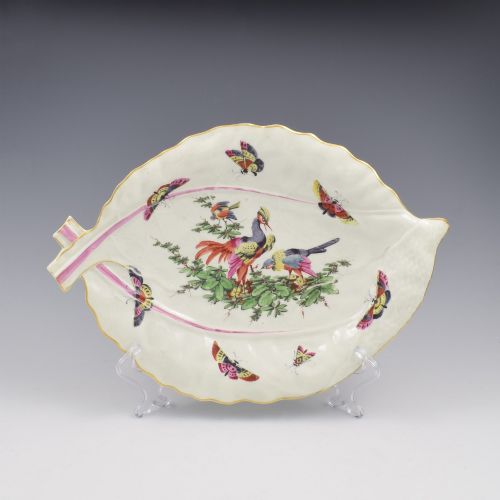
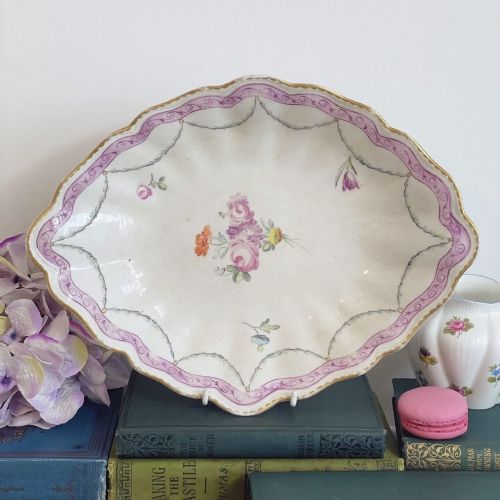
The objects span periods from the eighteenth century through the Regency era and into the nineteenth century, including soft-paste porcelain, ironstone, and pearlware. Forms range from leaf dishes and octagonal serving vessels to expansive oval platters meant for formal dining tables.
Materials and construction
Potters utilised porcelain, ceramic, earthenware, and ironstone, often applying a glossy glaze to seal the body before decoration. Soft-paste porcelain and felspar porcelain provide the refined white surfaces seen across many of these serving dishes.
Makers applied enamel paints by hand, incorporated gold leaf highlights, or transferred blue and white designs onto the clay bodies. Firing in kilns fixed the polychrome pigments and underglaze prints permanently into the ceramic surface.
Listings feature pieces spanning the 18th Century, Regency, 19th Century, and Victorian periods in porcelain, ironstone, and earthenware.
Assessing quality in ceramic wares
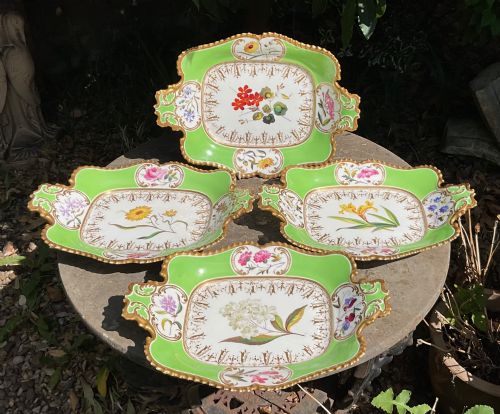
Quality rests on the crispness of the hand-painting and the complexity of the pattern applied to the surface. Finely executed botanical studies, intricate Chinoiserie motifs, and careful gilding separate standard production pieces from superior works.
The sophistication of the ceramic body itself, such as the translucency of early Worcester porcelain or the robust weight of refined ironstone, defines the upper tier of the range.
Chamberlains Worcester·Hicks & Meigh·John Davenport of Longport·Rockingham Pottery·Spode·Coalport·Hicks Meigh & Johnson·Caughley·Mason·Bow Porcelain·Ridgway·Barr Flight & Barr
The Georgian Porcelain Platter Glossary
- Ironstone
- A heavy, durable type of earthenware patented in the nineteenth century to imitate true porcelain. It stands up well to daily use while retaining crisp decorative transfers.
- Soft-paste porcelain
- An artificial porcelain composition fired at lower temperatures than hard-paste, common in eighteenth-century English factories. It possesses a warm tone and a slightly softer glaze.
- Pearlware
- A fine earthenware developed in the late eighteenth century with a bluish glaze that pooled in recesses to create a bright white appearance. It served as a cheaper alternative to porcelain.
- Imari
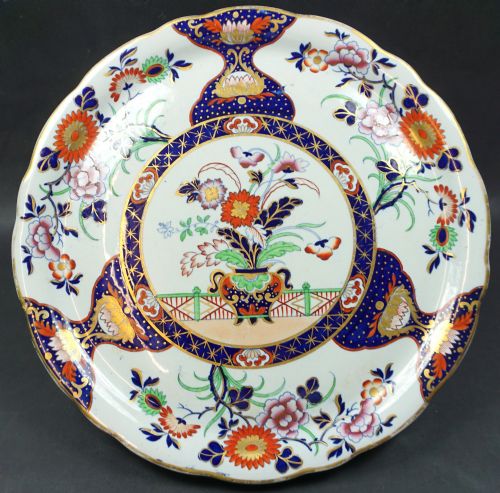
- A decorative style inspired by Japanese export wares featuring iron red, cobalt blue, and gold. English potteries adopted this palette enthusiastically for dessert services and plates.
Georgian Porcelain Platter: Frequently Asked Questions
How were these platters used?
These platters served food at formal dining tables, holding meats, fish, or desserts for guests to share.
Over time, many transitioned into decorative display pieces mounted on walls or placed on sideboards.
Can I use them for serving food?
Most buyers choose to display these historic pieces rather than use them for heavy everyday dining.
Hand-washing gently is essential if you decide to serve food on them occasionally.
How do I tell periods apart?
Eighteenth-century pieces often feature hand-painted soft-paste bodies with botanical or bird motifs.
Nineteenth-century examples frequently utilise ironstone, transferware printing, and more robust ceramic bodies.
What is an Imari pattern?
An Imari pattern combines underglaze cobalt blue with iron red and gold enamel highlights.
English potteries borrowed this aesthetic from Japanese ceramics imported through trade ports.