

English Ceramic Serving Platter
An english ceramic serving platter brings both history and utility to the table, spanning centuries of skilled domestic craft.
English Ceramic Serving Platter
An english ceramic serving platter encompasses large flat vessels, oval plates, and deep dishes designed for presenting food at the table. These items emerge from various periods including the Georgian, Regency, and Victorian eras, alongside early twentieth-century examples.
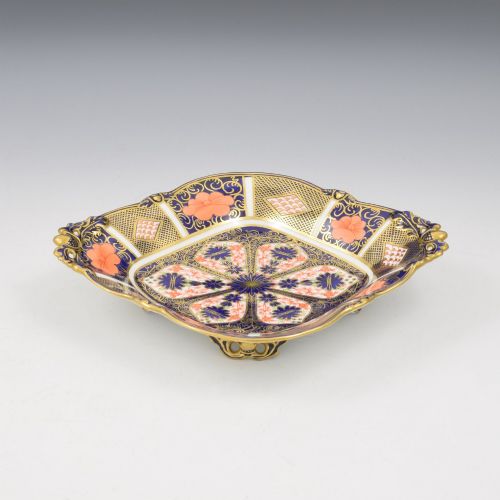
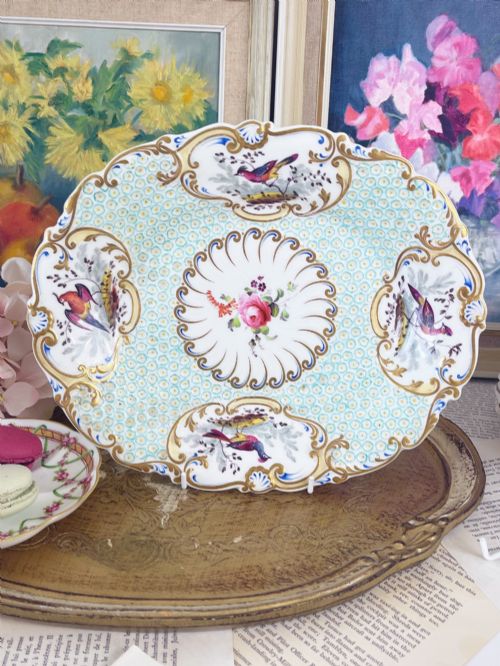
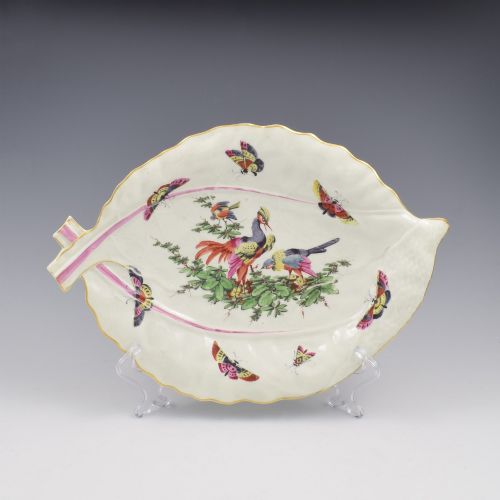
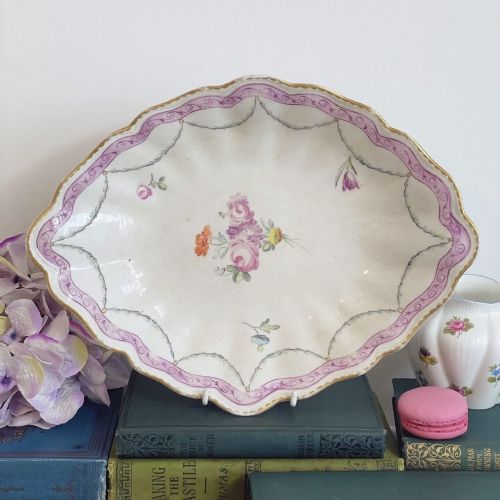
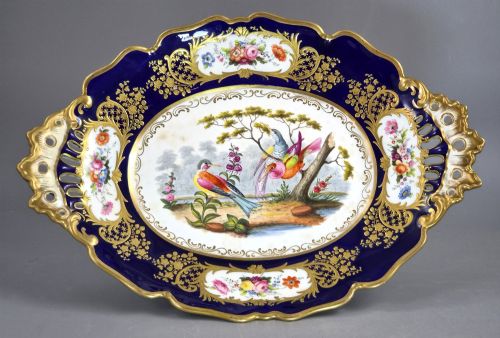
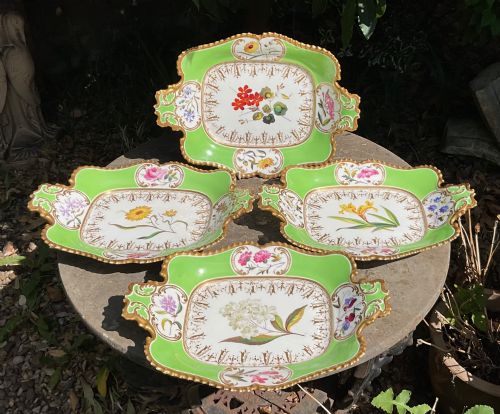
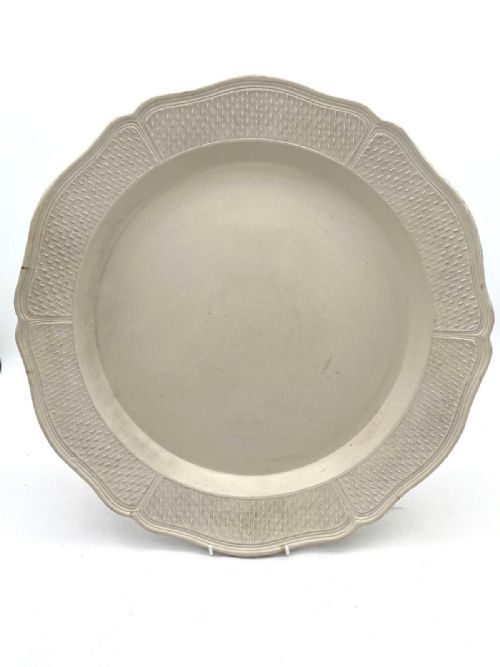
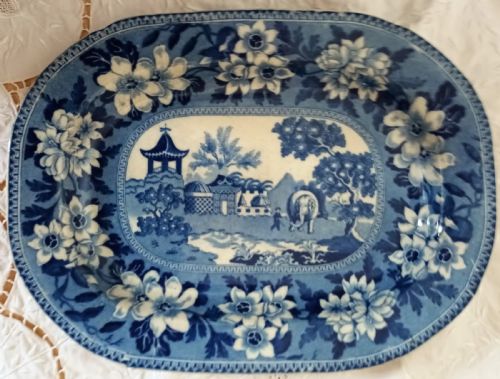
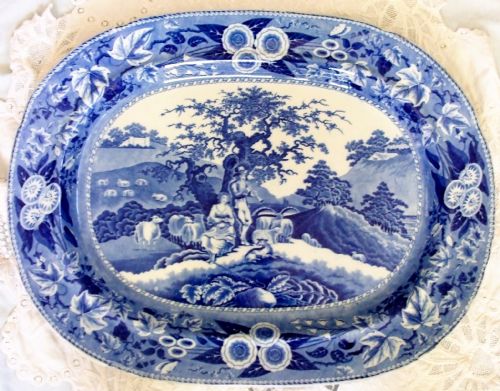
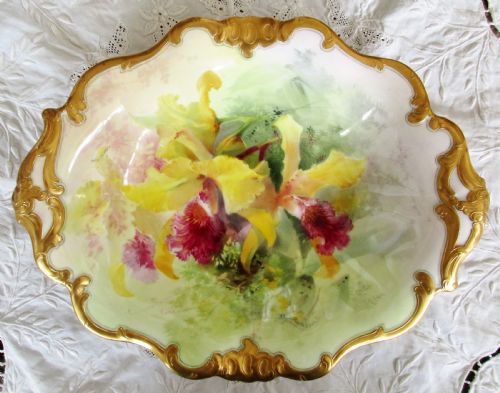
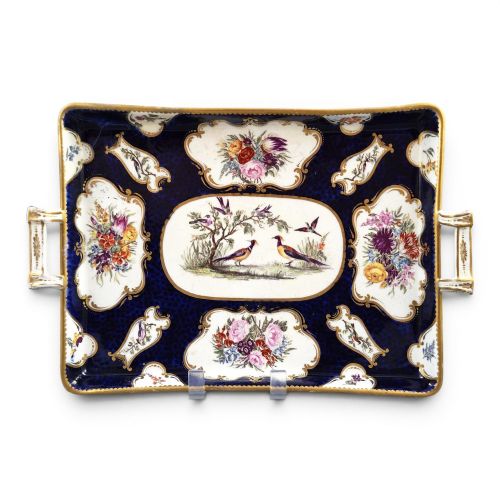
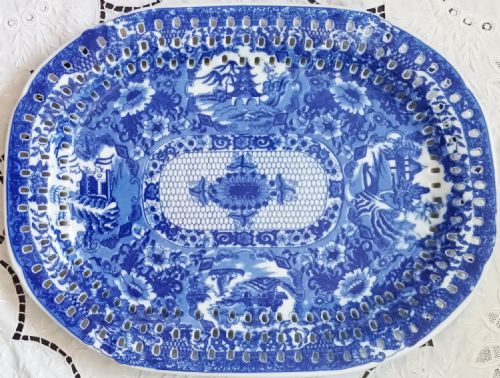
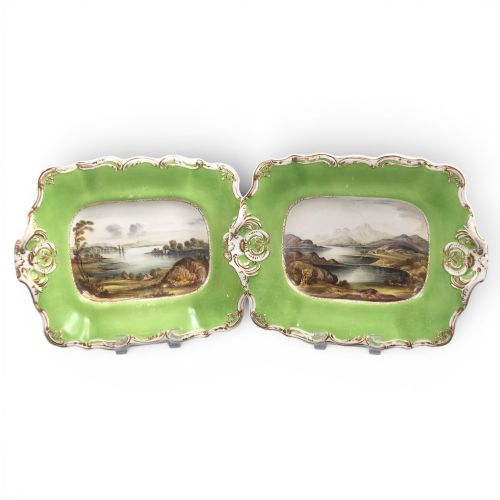
The forms range from saltglazed chargers and blue and white transferware platters to fine porcelain dessert dishes and ironstone drainage trays. Buyers will frequently encounter earthenware and porcelain pieces adorned with botanical studies, exotic birds, or classical transfer patterns.
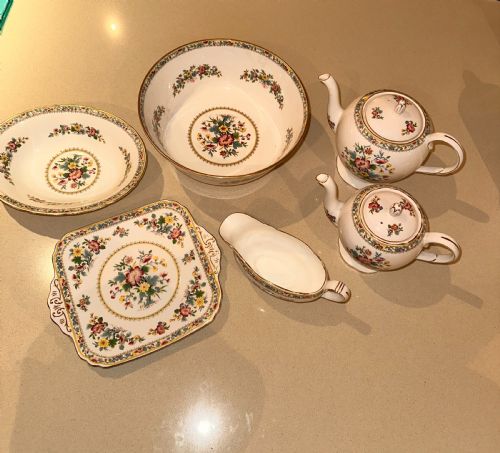
Originating from renowned potteries and domestic manufacturers, these platters served practical roles in dining services before becoming decorative display items today. The selection includes twin-handled serving dishes, well and tree platters, and octagonal shapes intended for substantial feasts.
How They Were Made
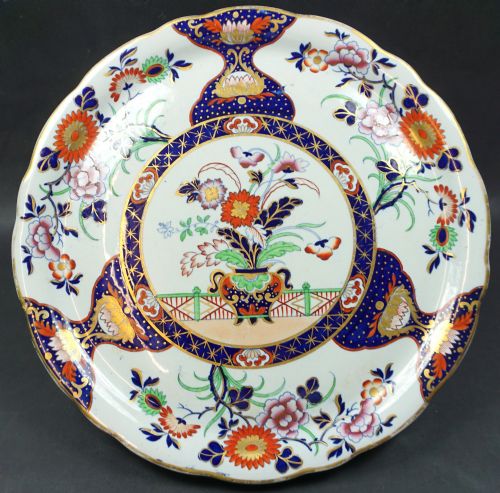
Potters shaped these items using earthenware, pearlware, ironstone, and porcelain, applying glazes and enamel to seal the ceramic body. Many plates and platters received hand-painted polychrome decoration, transfer printing in blue and white, or gilded accents in gold leaf.
Makers utilised moulded techniques for shaped rims and pierced borders, while painters executed detailed scenes of birds, flowers, and architectural views by hand. Kiln firing fixed the underglaze transfers and enamel colours onto the ceramic surface, creating durable finishes for daily use.
Some nineteenth-century platters depict exotic birds with remarkably confident expressions that seem to supervise the Sunday roast.
What Varies in Quality
The standard of a piece rests upon the crispness of the transfer print or the precision of the hand-painted brushwork. Superior items exhibit delicate polychrome detailing, well-defined moulded reliefs, and balanced proportions without heavy warping from the kiln.
The choice of body material also dictates the grade, as fine felspar porcelain and early period porcelains demand greater technical skill than standard earthenware. Artistic execution in specialised patterns elevates certain platters above utilitarian kitchenware.
Royal Crown Derby·H & R Daniel·Coalport·Chamberlains Worcester·Hicks & Meigh·John Rogers & Son·David Dewsberry·James Giles·Copeland & Garrett·Booths·Spode·Delft·Mason Ironstone·Royal Worcester·Don Pottery·Minton·Ridgway·Barr Flight & Barr·Thomas Lakin
The English Ceramic Serving Platter Glossary
- Transferware
- Earthenware or pottery decorated by applying a printed design from an engraved copper plate to the ceramic surface. This technique allowed intricate pictorial scenes, such as classical ruins or landscape views, to be produced in volume.
- Ironstone
- A heavy, durable type of earthenware patented in the nineteenth century to imitate Chinese porcelain. It resists chipping and staining effectively, making it suitable for large meat platters and heavy dining service sets.
- Well and Tree
- A specialised platter design featuring a channel running around the edge and a recessed well at one end to collect meat juices during carving. Large serving platters often utilised this layout for roasts and poultry.
- Pearlware
- A refined form of earthenware developed in the late eighteenth century featuring a subtle bluish glaze that pooled in crevices. It bridged the gap between creamware and later white ironstone bodies.
- Enamel
- A glass-like substance fused to the ceramic body through firing to add vibrant colours and metallic details. Artisans painted these pigments over the glaze for rich pictorial effects.
English Ceramic Serving Platter: Frequently Asked Questions
How were serving platters used historically?
These large vessels held roasted meats, fish, vegetables, or desserts at the centre of the dining table for family service. Servants brought them from the kitchen to present the food before individual plates were filled.
Over time, many of these platters transitioned from active dining service to decorative display cabinets or wall hangings within English homes.
Can I use antique platters for serving food?
Most ceramic serving dishes from the eighteenth and nineteenth centuries remain structurally sound for presenting dry foods or fruits. However, historical glazes and materials may require careful hand washing rather than automated cleaning.
It is wise to check each piece for stability and avoid exposing antique enamel or gold leaf to harsh acidic foods.
How do I identify the period of a platter?
Makers marks, backstamps, and pattern names stamped or painted on the reverse provide direct clues to the date of manufacture. Stylistic indicators like blue and white transfer designs point to the Georgian era, while later Victorian pieces often show heavier moulded borders.
Comparing the ceramic body type, such as early pearlware versus later ironstone, also helps narrow down the production decade.
What is the difference between earthenware and porcelain?
Earthenware is an opaque, porous ceramic body fired at lower temperatures, commonly used for heavy domestic transferware platters. Porcelain is a finer, vitrified material that appears translucent when held to the light and rings when struck.
Porcelain pieces typically accommodated delicate hand-painted botanical or bird studies, whereas sturdier earthenware suited bustling dining rooms.