


Georgian Polychrome Dish
When you handle a georgian polychrome dish, you hold centuries of vibrant hand-painted ceramic artistry that instantly brightens any room.
Georgian Polychrome Dish
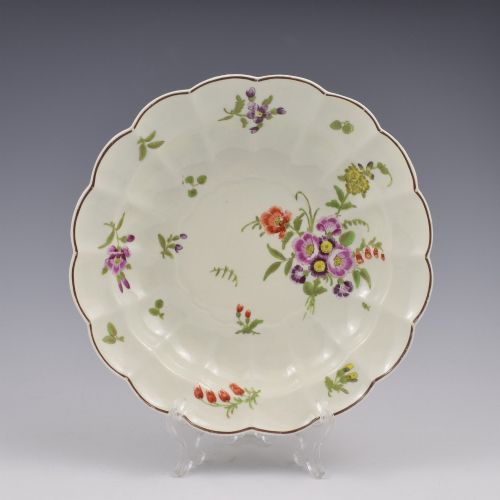
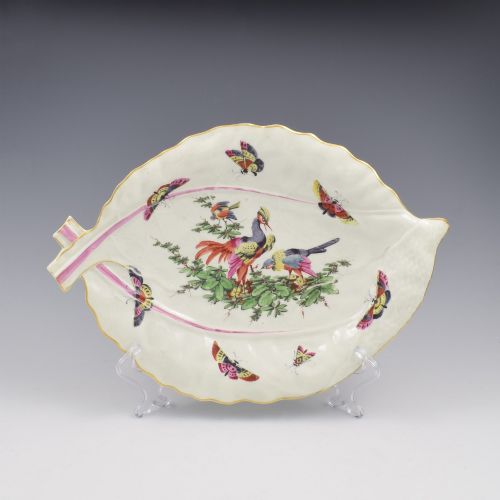
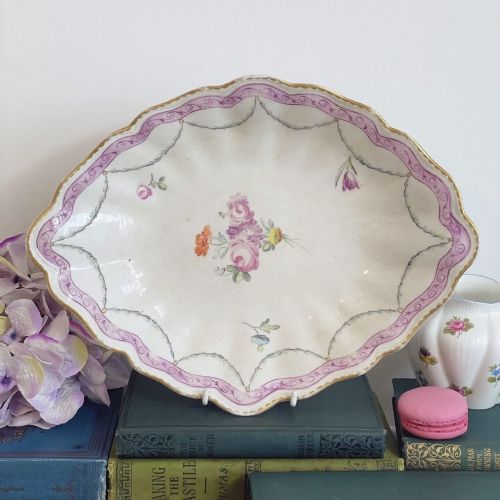
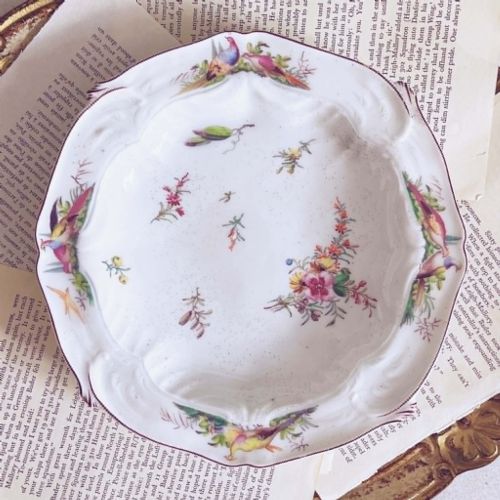
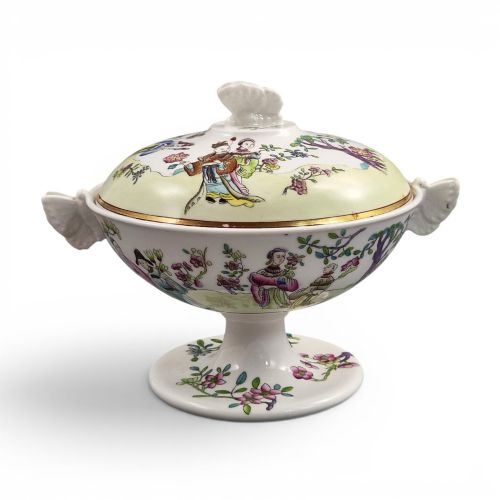
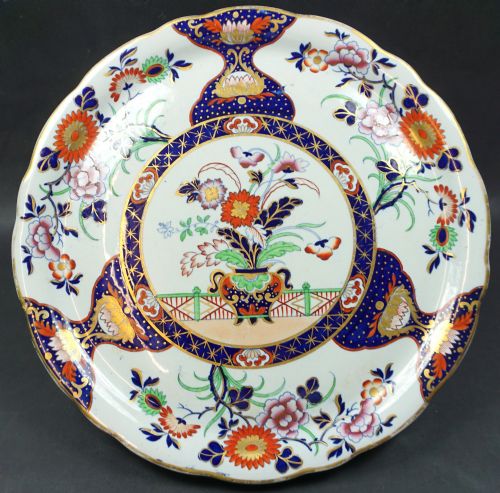
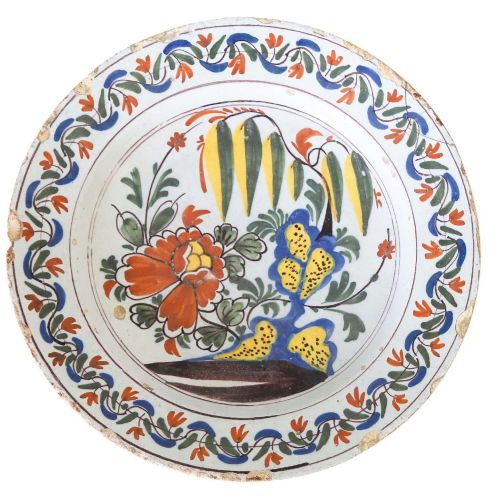
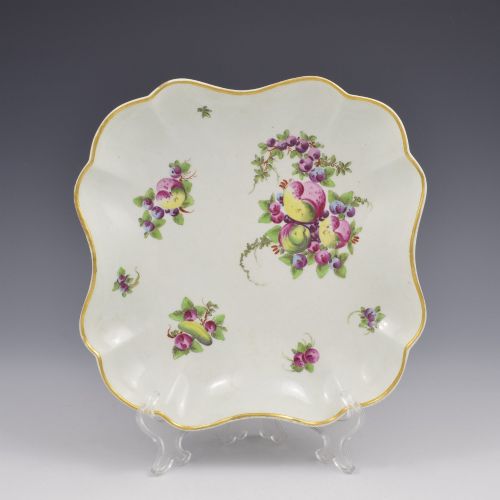
A georgian polychrome dish encompasses a diverse selection of brightly painted plates, chargers, tureens, and serving vessels originating primarily during the eighteenth and early nineteenth centuries. These pieces display rich, multi-coloured hand-painted decoration ranging from floral motifs and botanical studies to Chinoiserie scenes and armorial crests.
Forms vary widely from lobed dessert plates and leaf-shaped dishes to large chargers and lidded tureens. Each object demonstrates the period's preference for combining functional utility with elaborate visual display.
How They Were Made
Potters shaped these vessels using traditional throwing and moulding techniques, often utilising specialised forms such as shell-moulded or fluted blanks before applying white tin-glazes or porcelain bodies. Artisans then painted the intricate multicoloured designs by hand directly onto the surface using mineral pigments.
High-temperature firing fixed the underglaze cobalt blues, while subsequent low-heat muffle kilns set the delicate enamel colours like iron red, green, yellow, and gold leaf. Ironstone pieces benefited from durable ceramic formulations patented to withstand heavier daily usage.
Certain plates bear exotic bird patterns affectionately titled "Crazy Cow" or "Bengal Tiger" by whimsical factory decorators.
What Varies in Quality
Quality rests upon the precision and complexity of the hand-painted brushwork, distinguishing standard factory output from master-painter commissions with detailed birds, figures, or armorial crests. Superior examples maintain crisp enamel colours and clean glaze surfaces without excessive firing speckling.
The sophistication of the moulded body shape and the prestige of the manufacturing source heavily influence the standing of each piece. Surviving examples with unbroken provenance or scarce pattern names represent the upper tier of the market.
Dr Wall Worcester·Chelsea·Derby·Mason·Spode·Chamberlain Worcester·Leeds
The Georgian Polychrome Dish Glossary
- Polychrome
- Decoration executed in multiple colours. This technique defines ceramics featuring a vibrant palette of hand-painted enamels.
- Ironstone
- A heavy, durable type of earthenware patented in the early nineteenth century. It offered a robust alternative to porcelain.
- Chinoiserie
- European decorative art reflecting Chinese artistic styles. Artisans applied whimsical Asian-inspired landscapes and figures to British ceramics.
- Soft-paste porcelain
- An artificial porcelain composition fired at lower temperatures than hard-paste. Eighteenth-century English factories relied extensively on this material.
Georgian Polychrome Dish: Frequently Asked Questions
How do I identify a Georgian dish?
Look for characteristic eighteenth-century potting weights, hand-painted polychrome enamel palettes, and period-specific kiln marks or pattern numbers.
Familiarity with shapes like lobed dessert plates and tin-glazed delft bodies helps confirm the historic era of manufacture.
Were these dishes used daily?
Many fine porcelain and delftware pieces served primarily for display or dessert courses in wealthy households. Sturdier ironstone platters and tureens saw more practical dining room use.
Heavier everyday service meant that durability varied significantly across different ceramic types.
How should I clean my dish?
Dust gently with a soft dry cloth and avoid harsh modern cleaning agents or abrasive scrubbers. Enamels and gold leaf applied over the glaze require delicate handling.
Hand washing in lukewarm water with mild soap is necessary if cleaning becomes unavoidable.
What does Chinoiserie mean?
Chinoiserie describes European interpretations of Chinese artistic motifs popular during the Georgian period. Artisans painted imaginative landscapes, pagodas, and figures onto plates and bowls.
This aesthetic bridged Eastern export traditions with Western ceramic production.