


Regency Floral Platter
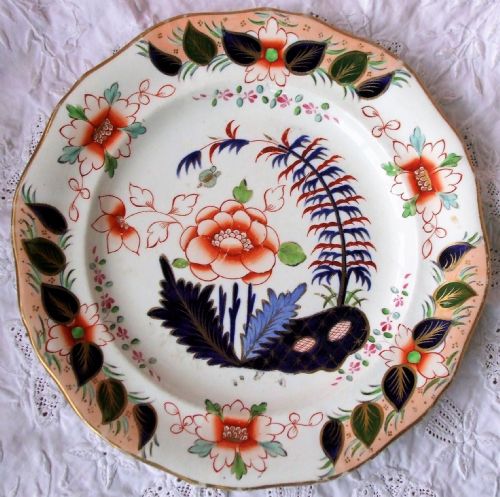
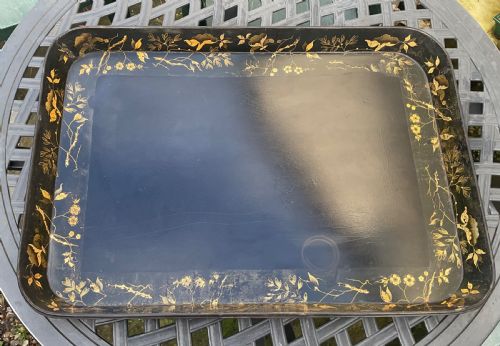
These regency floral platter examples bring together hand-painted ceramics and papier-mâché trays from the early nineteenth century to centre a dining table.
Regency Floral Platter
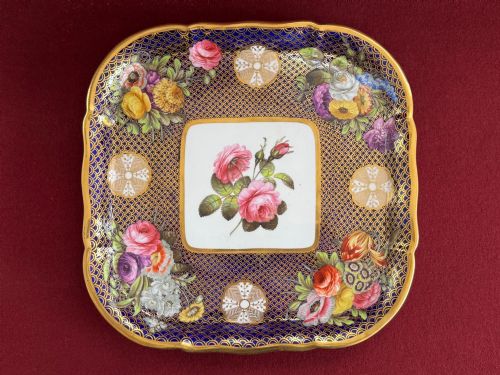
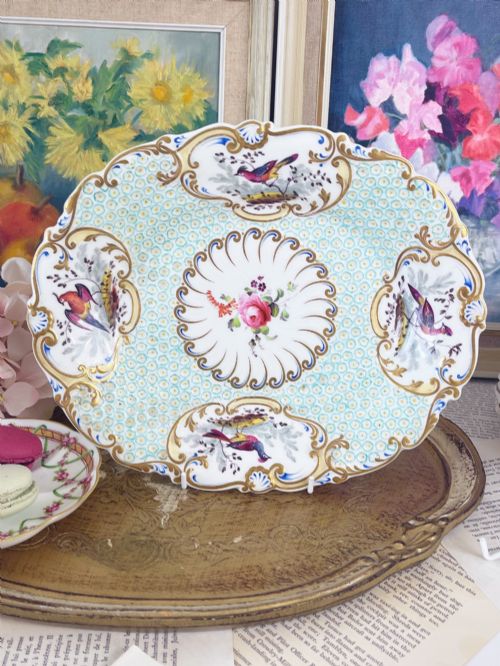
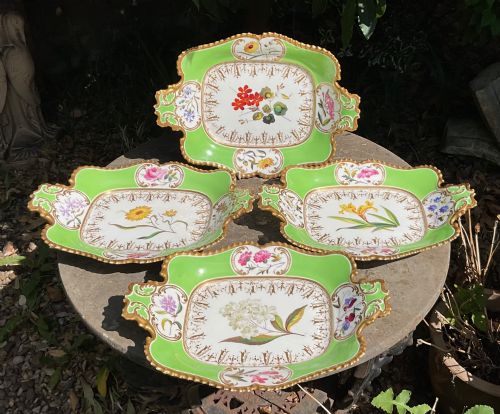
A regency floral platter encompasses serving dishes, decorative plates, and large trays produced during the Georgian and Regency periods. These pieces serve functional dining roles while displaying botanical motifs and hand-painted bird designs across ceramic, porcelain, ironstone, and papier-mâché bodies.
Most examples found on this page date from the early nineteenth century, specifically between 1810 and 1830. Makers utilise diverse forms including oval plates, dessert shapes, and large serving trays suited for formal presentation.
The aesthetic of a regency floral platter relies on transfer-printed or hand-coloured patterns such as the Mayflower, Union, and London Bridge designs. Collectors encounter various materials ranging from fine porcelain to durable ironstone and lacquered papier-mâché.
Materials and manufacture
Potters formed these items using porcelain, earthenware, and ironstone bodies moulded into specific serving shapes. Artisans applied hand-painted details, hand-colouring, and gold leaf highlights to enhance the botanical and pictorial motifs.
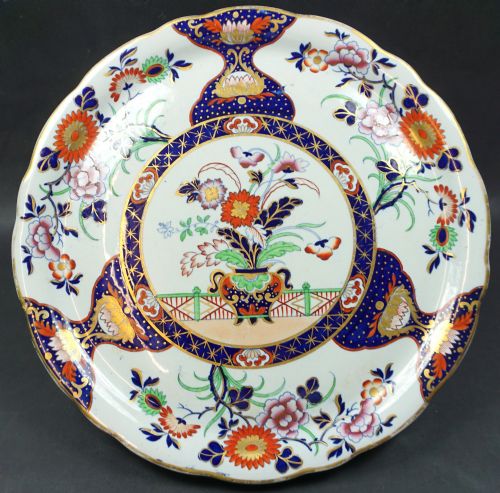
Papier-mâché trays required multi-layered paper construction finished with lacquer and paint. Workshops such as those in Worcester, Coalport, and Staffordshire employed skilled painters to execute complex patterns like the Imari style.
Listings feature items from the 19th century, Regency, and Georgian periods, utilising materials such as porcelain, ironstone, and papier-mâché.
Factors of quality
The standard of a regency floral platter depends on the precision of the hand-painting and the complexity of the glaze or lacquer work. Finer pieces exhibit delicate brushwork on botanical subjects and carefully applied gilding that remains crisp.
Body material also dictates the grade, with translucent porcelain and substantial ironstone representing distinct manufacturing tiers. Well-preserved surfaces on papier-mâché trays demonstrate superior lacquer durability over time.
H & R Daniel·Chamberlains Worcester·Hicks & Meigh·John Davenport of Longport·Coalport·Ridgway·Spode
The Regency Floral Platter Glossary
- Ironstone
- A heavy, durable type of earthenware developed in the nineteenth century to resist chipping during daily use. It provides a robust surface for printed and painted transfer patterns.
- Papier-mâché
- A composite material made from paper pulp or layers of paper pasted together, dried, and coated with lacquer. It offers a lightweight yet strong base for large serving trays.
- Imari Pattern
- A decorative style inspired by Japanese export porcelain, featuring a palette of iron red, underglaze blue, and gold. English factories adopted this aesthetic widely during the Georgian era.
- Porcelain
- A ceramic material made by heating raw materials, generally including clay in the form of kaolin, to high temperatures. It yields a white, vitrified body capable of fine detail and translucency.
Regency Floral Platter: Frequently Asked Questions
What materials were used for these platters?
Makers utilised porcelain, ironstone, earthenware, and papier-mâché to produce these serving pieces. Each material offered different properties for durability and surface decoration.
Ceramics allowed for intricate hand-painted botanical designs and gilding, while papier-mâché provided a sturdy base for large lacquered serving trays.
How do I date a regency piece?
Dating relies on stylistic markers, factory marks, and the specific material composition recorded across the pieces. Most examples date from the early nineteenth century during the Regency and late Georgian eras.
Pattern numbers and specific factory names stamped or painted on the reverse help narrow the production window.
Were these items used for dining?
These pieces functioned primarily as serving dishes, dessert plates, and large trays for the dining table. Their decorative motifs suited formal presentation during the early nineteenth century.
Larger trays also served to carry tea and beverages across the drawing room.
How should I care for papier-mâché trays?
Papier-mâché requires gentle handling and protection from moisture and direct heat sources. Cleaning should involve only a soft, dry cloth to preserve the lacquer and painted surface.
Displaying them away from damp environments ensures the material remains stable.