





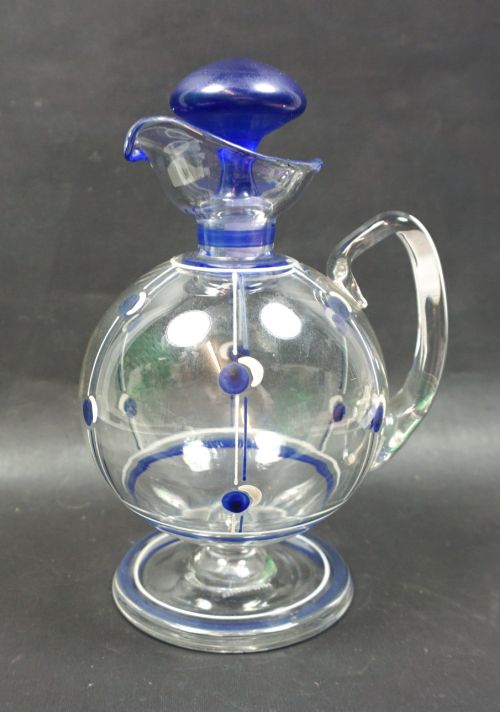

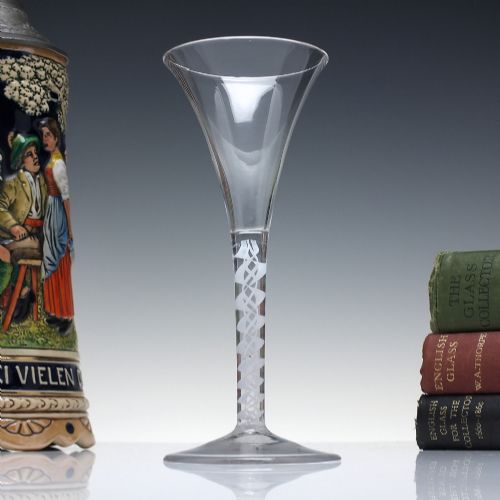




Antique Enamel Wine Glass
An antique enamel wine glass brings vivid colour and historic technique to the table, combining clear glass forms with detailed painted decoration.
Antique Enamel Wine Glass
When searching for an antique enamel wine glass, collectors encounter a fascinating cross-section of European glassmaking traditions spanning several centuries. The pieces on this page range from Georgian twist stems to Victorian armorial goblets and brightly decorated continental hock glasses.
Most items meeting this description take the form of traditional wine glasses, hock glasses, or roemers designed for formal dining and social occasions. Buyers frequently find sets alongside individual collector's pieces.
How they were made
Glassmakers utilised lead glass, crystal, and blown glass techniques to shape the bowls and stems before applying any surface decoration. Molten metal was gathered, blown, and manipulated by hand to create ogee bowls, flutes, and delicate stems.
Enamel decoration involved fusing powdered glass pigments onto the cooled vessel in kilns, producing raised or flat coloured motifs. Artisans added further detail using gold leaf, polychrome paints, and intricate heraldic designs.
Antique Enamel Wine Glass Retail Price Guide 2026
Typical asking prices for enamel wine glass among the pieces listed under this phrase on Sellingantiques today, from the lower quarter to the upper quarter. They describe what is for sale here now, not the wider market.
Heraldic roemers let you toast like a medieval baron while sipping hock from 1900.
What varies in quality
The refinement of the enamel work dictates much of the visual distinction between pieces, separating simple trade output from high artistic achievement. Crisp lines, stable pigment adherence, and complex polychrome layering elevate certain vessels above standard production items.
The clarity and weight of the underlying glass structure also influence the grade of a piece, particularly in crystal hock glasses and coloured goblets. Hand-finished details and the precision of applied gilding distinguish workshop masterworks from ordinary glassware.
Thereisenthal·Lobmeyer·Archibald Knox for Liberty·Frits Hechert·Moser
The Antique Enamel Wine Glass Glossary
- Roemer
- A traditional Germanic drinking vessel featuring a large bowl atop a cylindrical studded stem. These glasses often display polychrome enamel heraldic motifs.
- Opaque Twist
- An English glassmaking technique where white or coloured glass rods are twisted inside the transparent stem. This method produces intricate internal threads visible beneath the bowl.
- Hock Glass
- A tall wine glass traditionally used for German white wines, frequently coloured green or amber. They often carry elaborate enamel decoration across the wide bowl.
- Armorial
- A style of decoration incorporating family crests, coats of arms, or heraldic shields. Makers applied these designs in enamel to denote specific lineages.
- Ogee Bowl
- An S-curve profile shaping the upper portion of a wine glass. This curved form provides an ideal canvas for painted enamel scenes.
Antique Enamel Wine Glass: Frequently Asked Questions
How do I clean an antique enamel wine glass?
Wash these fragile pieces by hand in warm water using mild soap, avoiding abrasive sponges or harsh chemicals that can damage the delicate surface pigments.
Dry them immediately with a soft cloth to prevent water spots from forming on the glass or the fired enamel.
Can I drink wine from an antique enamel wine glass?
Many collectors use their glassware for special occasions, provided the pieces are handled carefully during pouring and washing.
Check the surface condition first to ensure the enamel decoration remains stable and free from flaking before filling the vessel.
How do I distinguish German and English pieces?
English pieces from the eighteenth century typically rely on internal glass twists rather than exterior paint for visual interest.
Continental vessels from the Victorian era and later frequently feature rich polychrome enamel and gilding directly on the outer bowl.
What period does the term roemer refer to?
Roemers appear across various nineteenth and twentieth-century revivals, particularly within German Historicism and Jugendstil movements.
These heavy green or clear vessels adapt older Renaissance drinking forms for contemporary dining tables.