



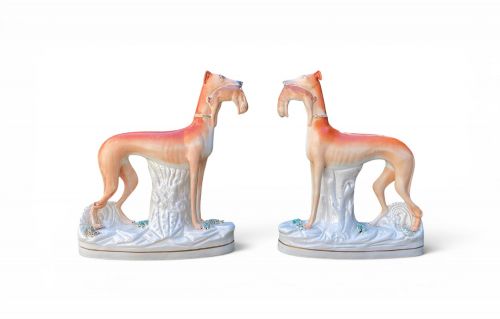
Antique Earthenware Ornament
An antique earthenware ornament brings character to a room through figurative ceramic modelling and hand-painted detail.
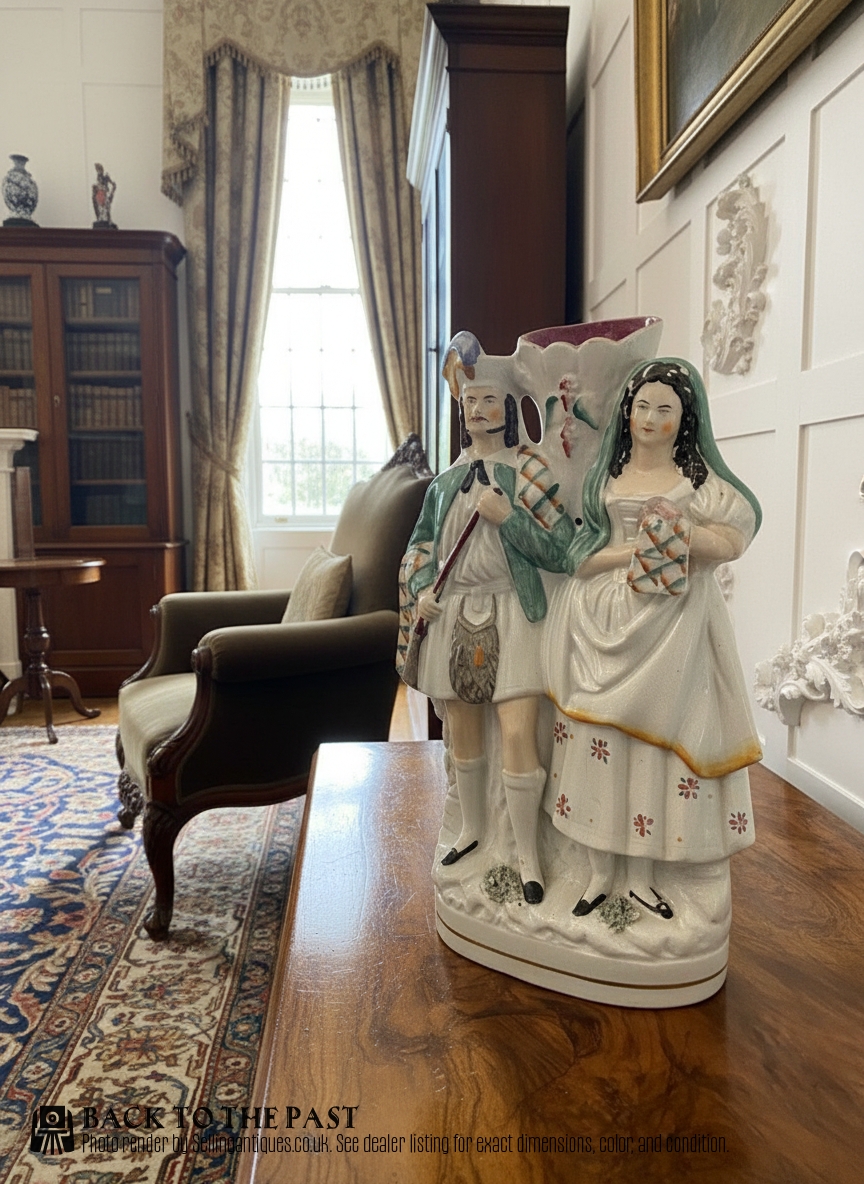
Antique Earthenware Ornament
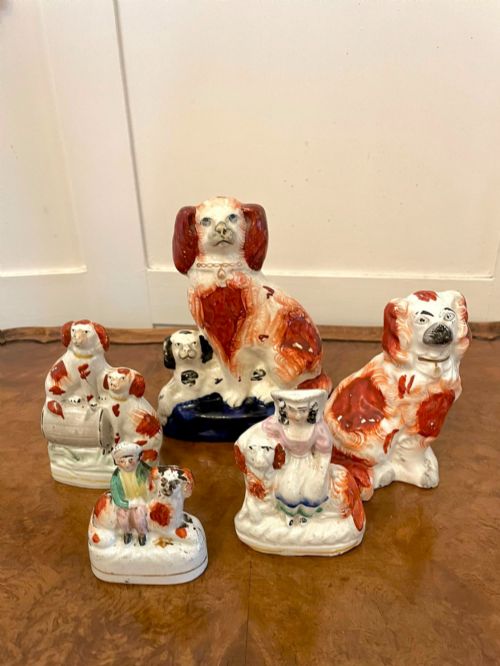
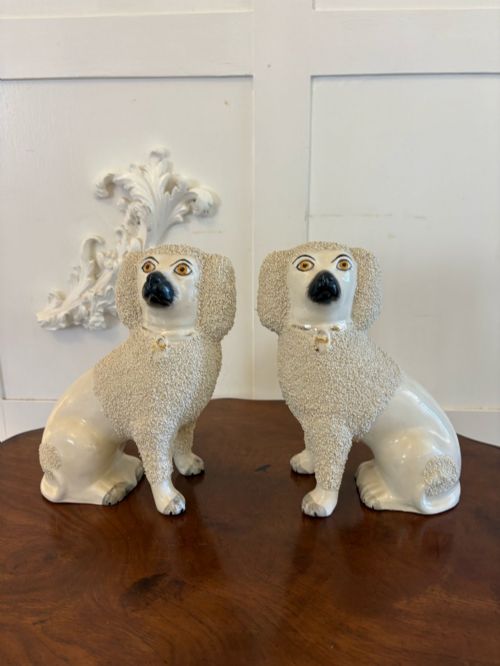
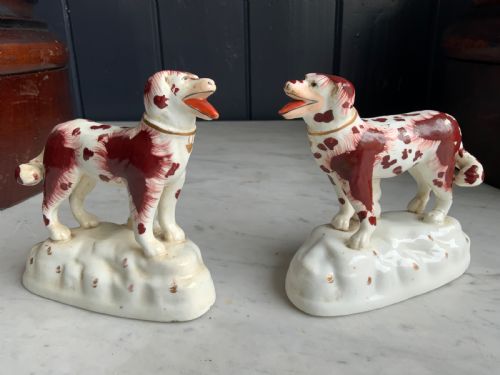
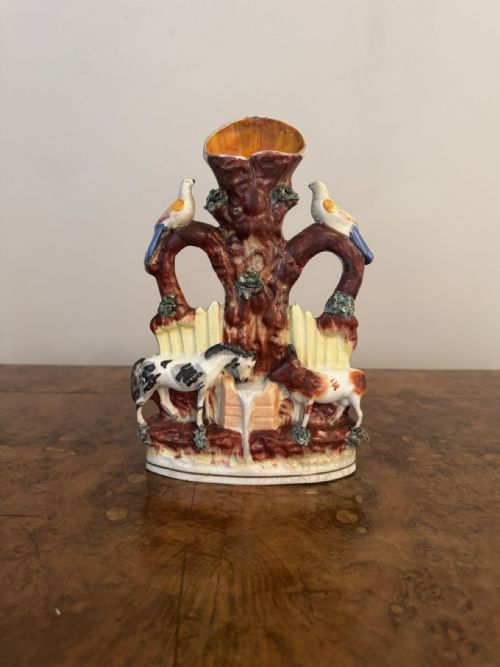
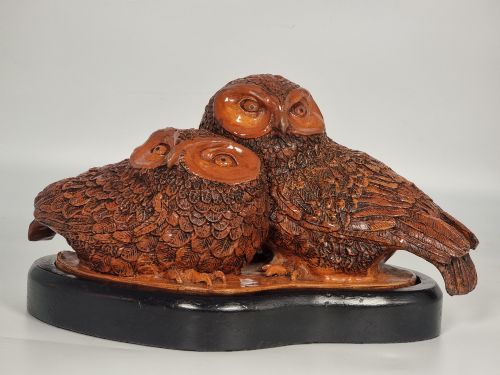
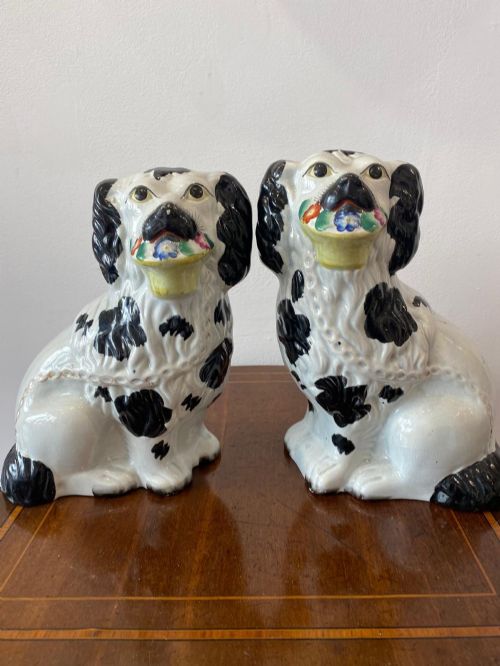
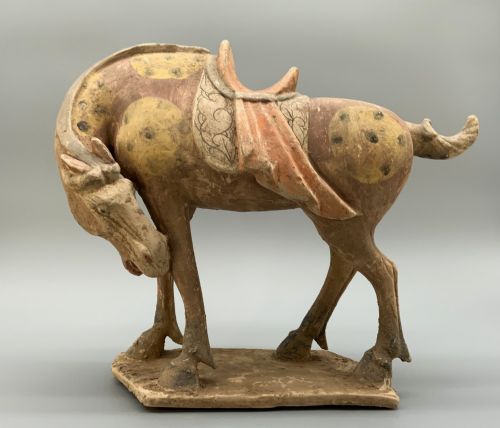
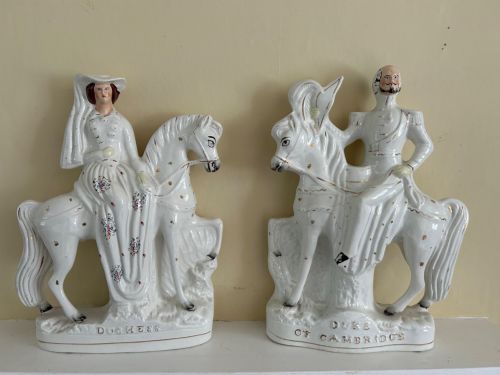
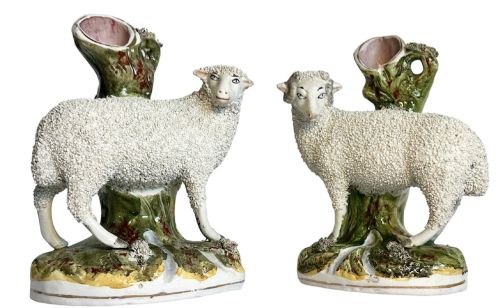
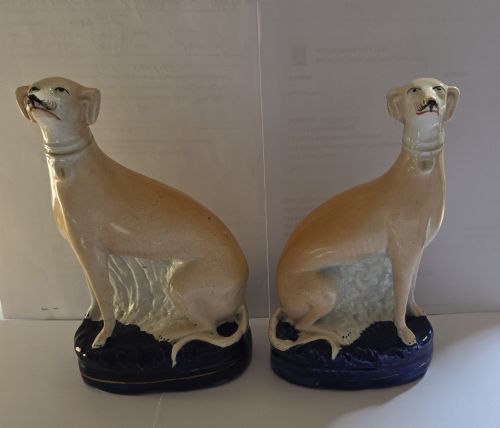
An antique earthenware ornament primarily takes the form of figurative ceramics, portrait figures, and decorative animal groups produced during the nineteenth century. Buyers searching this phrase meet domestic Staffordshire figures, spill vases, and pairs of dogs most frequently among the listings.
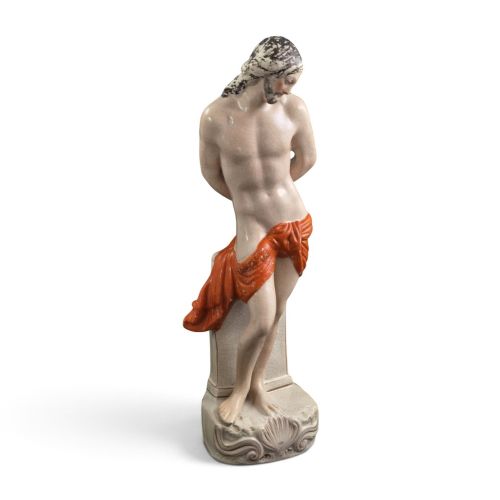
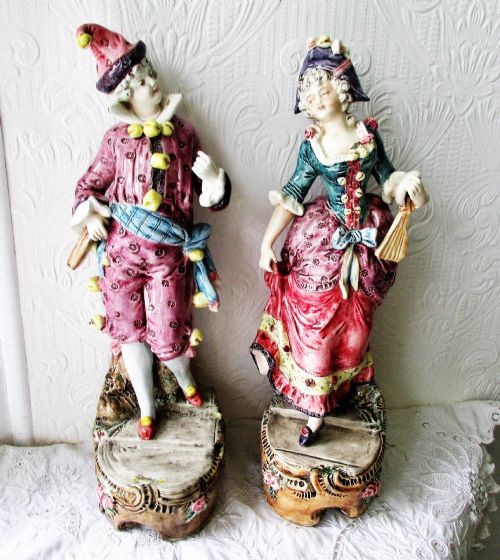
The selection extends from Victorian flatback figures depicting historical events and theatrical characters to French faience and studio pottery figurines. Production spans the nineteenth and early twentieth centuries, encompassing domestic English works alongside continental examples.
Makers and regional potteries shape the variety on offer, from Staffordshire spaniels to Dutch Delftware cows and French Carnival figurines. Each piece functions as a decorative object, capturing human portraits, literary scenes, or domestic animals in ceramic form.
How they were made
Potters shaped these earthenware ornaments using moulds or hand-modelling techniques, producing hollow forms and flatbacks designed to sit against mantelshelves. The clay body received an initial firing before artisans applied underglazes, lead glazes, or enamels.
Antique Earthenware Ornament Retail Price Guide 2026
Typical asking prices for earthenware ornament among the pieces listed under this phrase on Sellingantiques today, from the lower quarter to the upper quarter. They describe what is for sale here now, not the wider market.
Listings feature nineteenth-century Staffordshire pottery alongside twentieth-century studio pottery earthenware figures.
What varies in quality
The precision of the modelling separates standard decorative output from finer portrait and studio pieces, particularly in the rendering of facial expressions and anatomical details. Crisp moulding preserves the intended likeness of historical figures or the texture of animal coats.
Hand-painting quality influences the visual success of each ornament, distinguishing carefully brushed enamel details and clean glaze application from hurried factory decoration. The presence of original gilt or gold leaf enrichment adds a further layer of refinement to the finished surface.
Charles Vyse·HB Quimper
The Antique Earthenware Ornament Glossary
- Flatback
- A figure moulded with a finished front and a plain, unglazed or partially glazed flat reverse designed for placement against a wall.
- Spill vase
- A hollow cylindrical ceramic vessel attached to a figure, intended to hold wooden spill splints for lighting fires.
- Earthenware
- A porous, non-vitreous pottery body fired at lower temperatures, requiring a glaze layer to hold liquids or protect the surface.
- Faience
- European tin-glazed earthenware decorated with opaque metallic oxides over a white ground, commonly associated with French and continental workshops.
- Pearlware
- A refined fine-grained earthenware developed in the late eighteenth century featuring a thin glaze with a faint bluish tinge.
Antique Earthenware Ornament: Frequently Asked Questions
What are Staffordshire flatbacks?
Staffordshire flatbacks are earthenware figures designed with unadorned backs to sit flush against walls on nineteenth-century mantelpieces.
Potteries produced them in large numbers to commemorate contemporary news events, royalty, theatrical performers, and domestic animals.
How were spill vases used?
Spill vases combined a decorative ceramic figure with an integrated holder designed to store wooden spill tapers.
Users drew thin strips of wood from the vase to transfer flames from a hearth fire to candles or pipes.
How do I identify period pieces?
Dating relies on stylistic clues, subject matter referencing historical conflicts or personalities, and the characteristics of the earthenware body.
Nineteenth-century examples often display typical crazing in the lead glaze and hand-applied enamel colours suited to Victorian domestic interiors.
Are these ornaments waterproof?
Most antique earthenware ornaments feature porous clay bodies finished with lead glaze or enamel rather than fully vitrified porcelain.
While spill vases held wooden tapers, regular exposure to standing water can penetrate the glaze and risk damaging the historic ceramic substrate.