


Antique Earthenware Figure
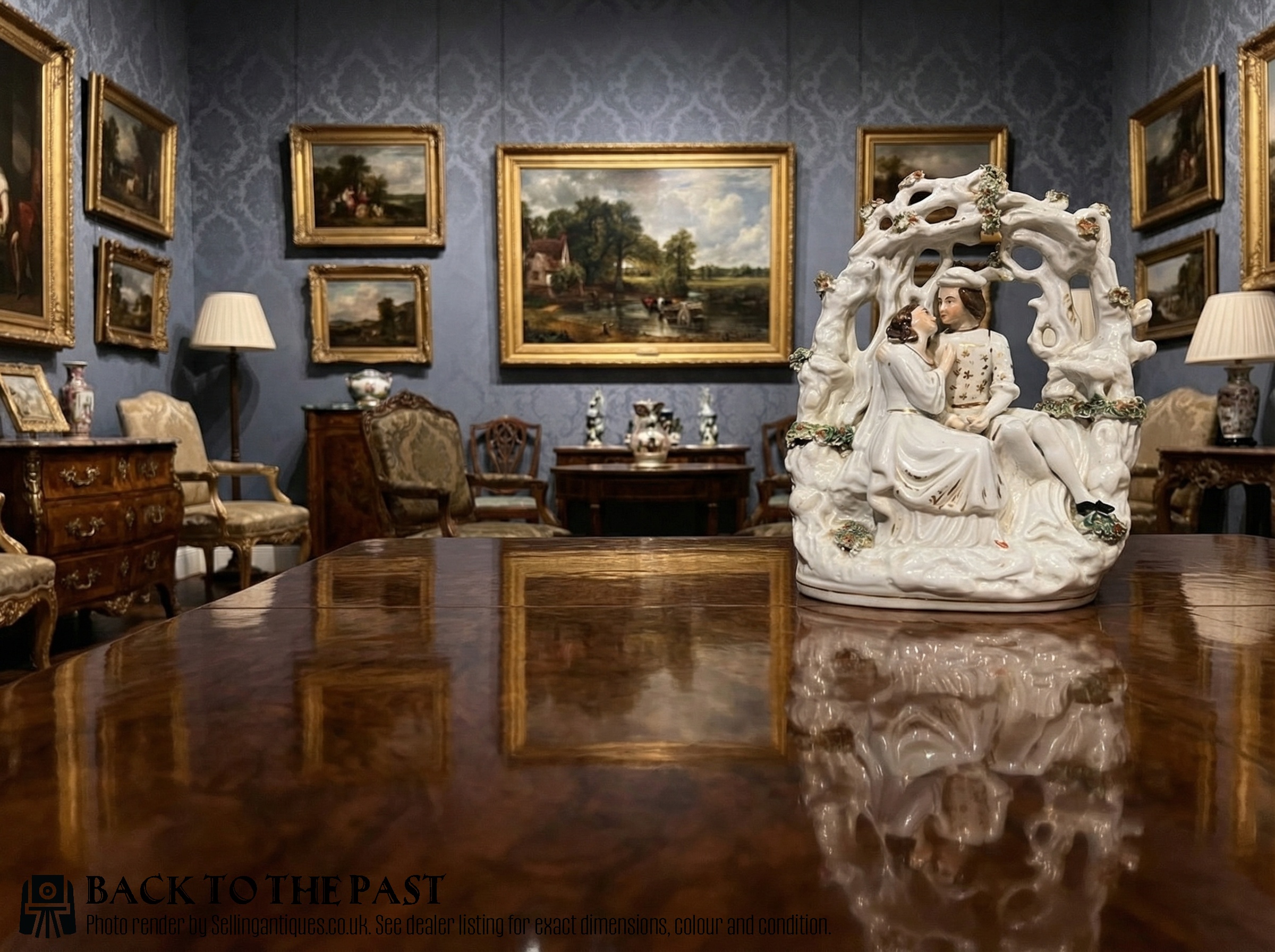
An antique earthenware figure brings character to a room through modelled clay and painted glaze.
Antique Earthenware Figure
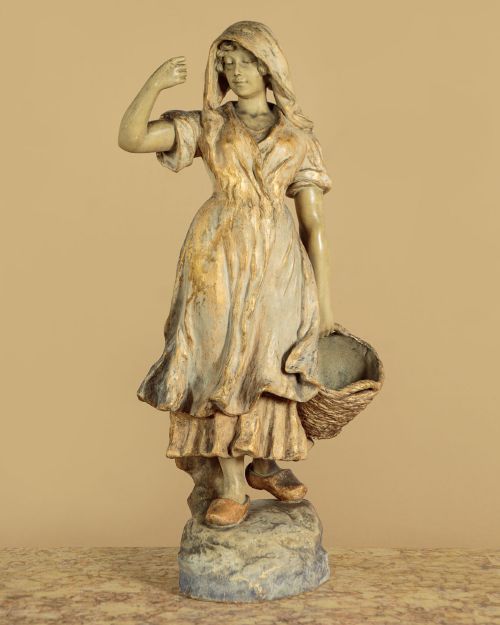
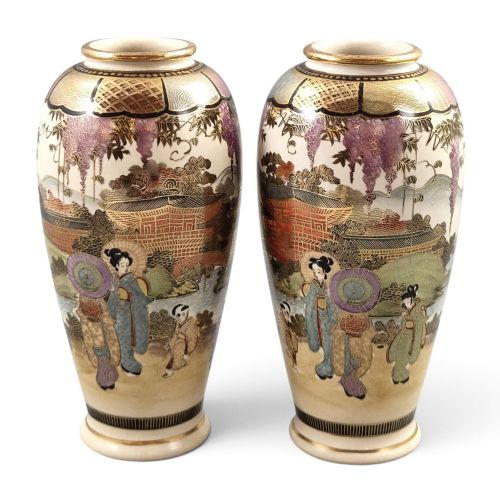
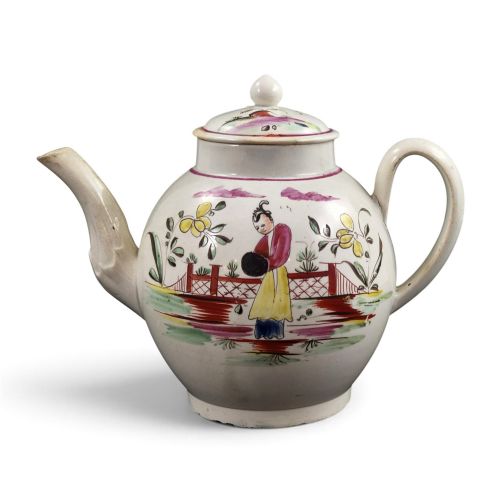
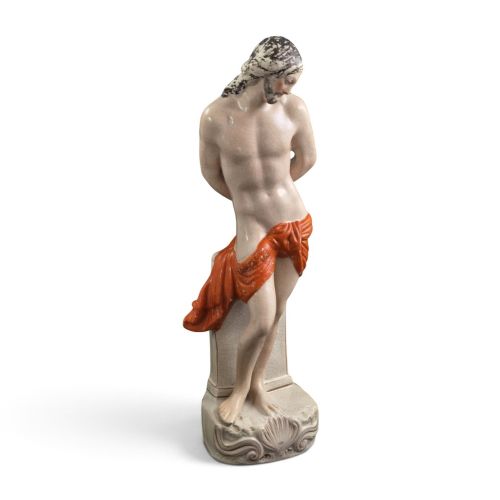
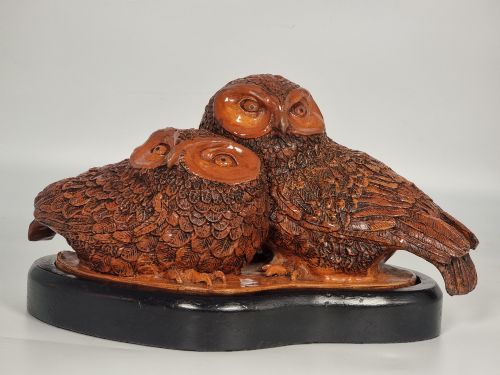
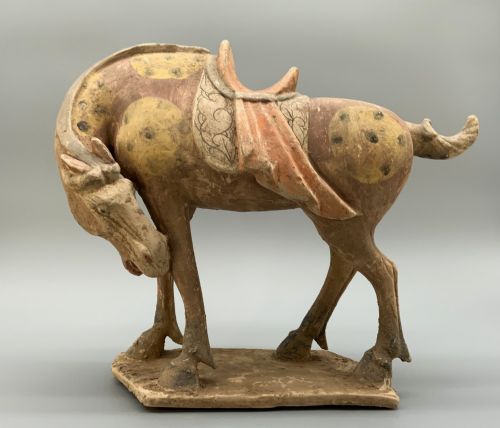
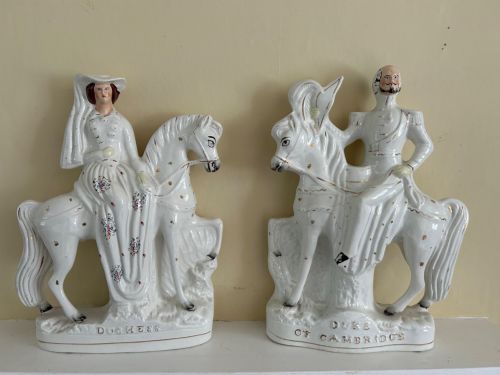
When searching for an antique earthenware figure, buyers encounter a diverse range of modelled ceramics spanning multiple centuries and geographic origins. The selection on this page includes domestic English pottery from Staffordshire, continental European earthenware, and ancient terracotta artefacts.
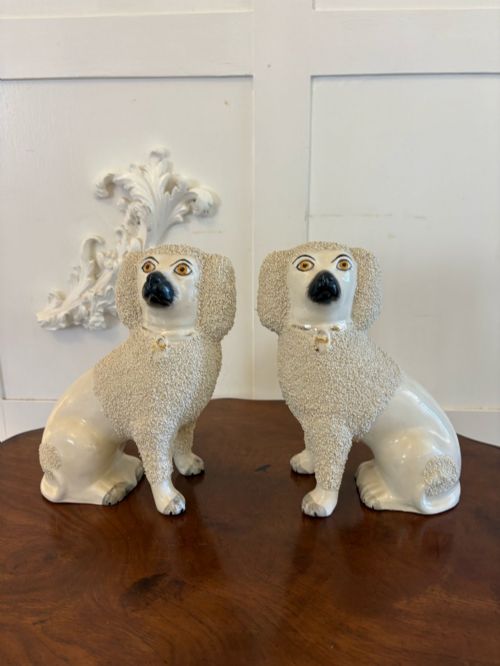
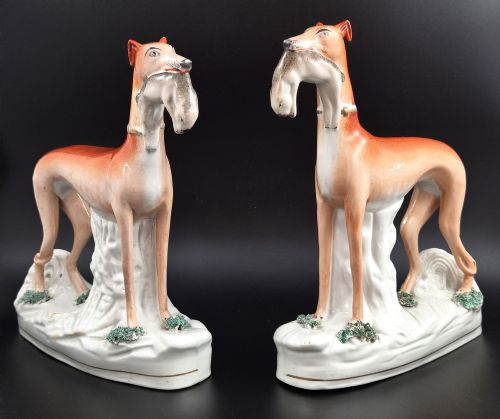
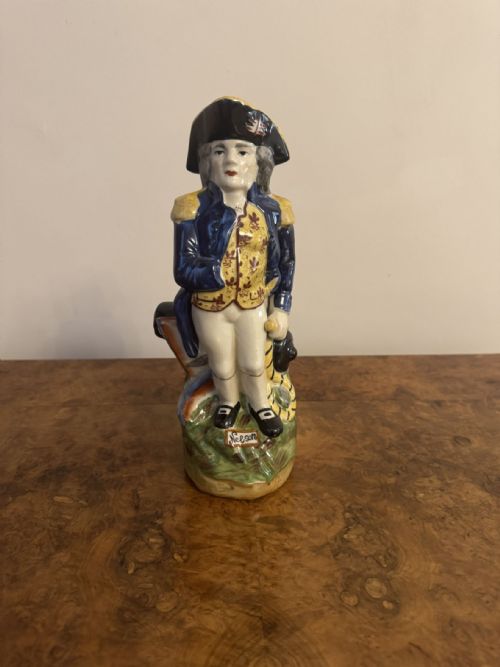
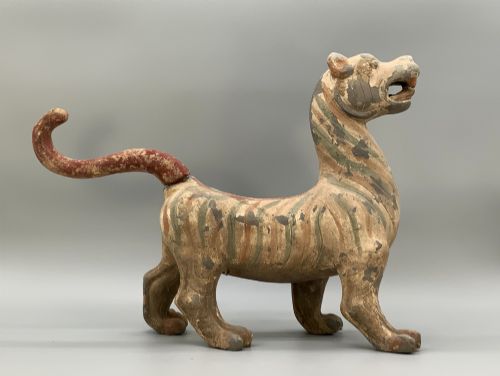
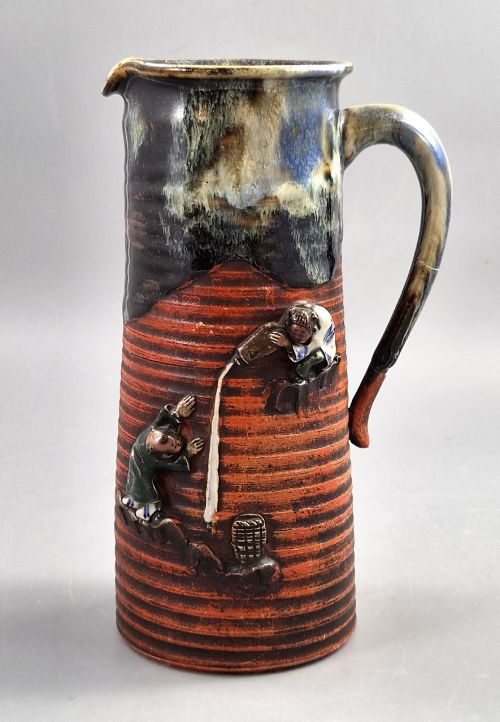
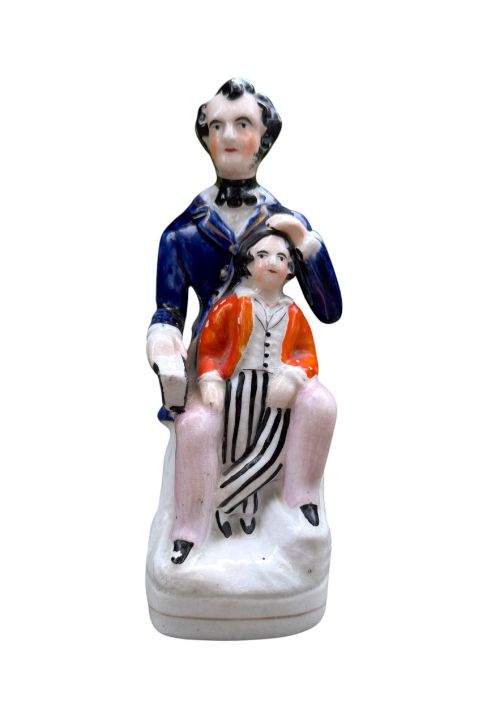
Domestic Staffordshire figures dominate the selection, often taking the form of portrait subjects, animals such as spaniels and greyhounds, or theatrical pairs. Alongside these sit French figurines, Japanese earthenware vessels, and early Chinese burial pieces made from terracotta and painted pottery.

Materials and Construction Techniques
The objects listed utilise porous earthenware, terracotta, and creamware bodies shaped by hand or pressed into moulds. Artisans then applied lead glazes, enamel colours, and occasional touches of gold leaf to surface details before firing.
Staffordshire potters typically utilised slip-casting or press-moulding for figures like spaniels and toby jugs, finishing them with underglaze or overglaze painting. Earlier pieces, such as Han and Tang Dynasty examples, rely on moulded terracotta with mineral pigments applied directly to the unglazed clay body.
Antique Earthenware Figure Retail Price Guide 2026
Typical asking prices for earthenware figure among the pieces listed under this phrase on Sellingantiques today, from the lower quarter to the upper quarter. They describe what is for sale here now, not the wider market.
Materials represented across the selections include lead glaze, terracotta, enamel, creamware, and gold leaf.
Distinctions in Quality and Execution
The sophistication of the modelling separates standard decorative wares from exceptional examples. Works by named makers or studio potters demonstrate greater anatomical precision in animal and human figures.
Goldscheider·Charles Vyse·Inoue Ryōsai
The Antique Earthenware Figure Glossary
- Earthenware
- Porous pottery fired at relatively low temperatures that requires a glaze to become impermeable to liquids.
- Terracotta
- Unglazed, brownish-red earthenware fired to a hard state, frequently utilised for classical sculptures and ancient burial figures.
- Staffordshire figure
- A pottery figurine produced by potteries in the English county of Staffordshire, commonly depicting animals, royalty, or literary characters.
- Toby jug
- A pottery jug modelled in the form of a stout, jovial man wearing a tricorn hat, often associated with English domestic pottery.
- Spill vase
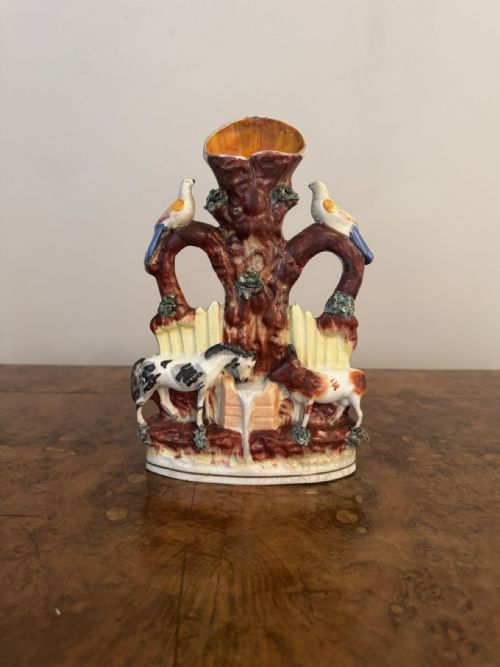
- A hollow ceramic figure incorporating a small cylindrical holder designed to store wooden spills used for lighting fires or pipes.
- Pearlware
- A refined type of earthenware developed in the late eighteenth century featuring a subtle bluish glaze over a pale body.
Antique Earthenware Figure: Frequently Asked Questions
What is an earthenware figure?
An earthenware figure is a three-dimensional ceramic object modelled from clay and fired at a moderate temperature. These pieces are typically glazed or painted to depict human subjects, animals, or mythological scenes.
Such figures range from domestic English Staffordshire mantel ornaments to ancient terracotta tomb guardians. Each piece reflects the moulding and painting techniques of its specific period of production.
How do I date a Staffordshire figure?
Dating a Staffordshire figure involves examining the characteristics of the clay body, the palette of the enamel colours, and the style of the base. Earlier nineteenth-century examples often feature finer pearlware bodies and more restrained painting.
Subject matter also provides chronological clues, as portrait figures typically commemorate contemporary political events, theatrical performances, or public figures of a specific decade. Craze lines in the glaze and overall wear patterns further indicate age.
Where were Staffordshire figures displayed?
Staffordshire figures were traditionally displayed on mantelpieces, sideboard tops, and chest of drawers in nineteenth-century homes. Pairs of dogs, such as spaniels or greyhounds, were arranged symmetrically at either end of a fireplace.
These decorative objects served as accessible ornaments for middle-class domestic interiors. Their colourful glazes brightened modest living spaces.
Are ancient pottery figures fragile?
Ancient pottery figures require careful handling due to the porous nature of terracotta and earthenware bodies. Unfired or low-fired ancient pigments can be sensitive to moisture and abrasion.
Owners should place these pieces in stable indoor environments away from direct sunlight and high humidity. Gentle dusting with a soft brush is generally sufficient for maintenance.