
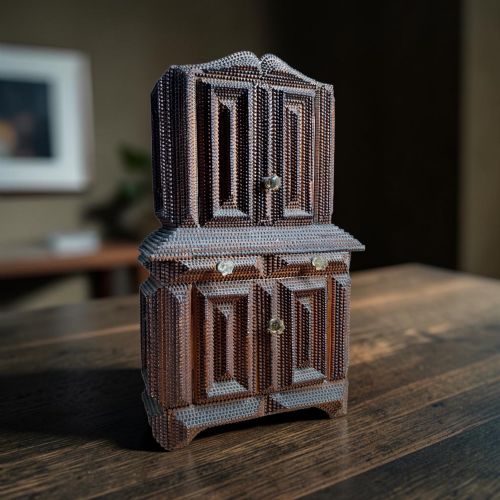
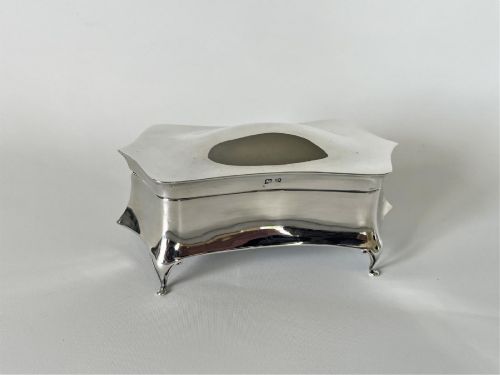
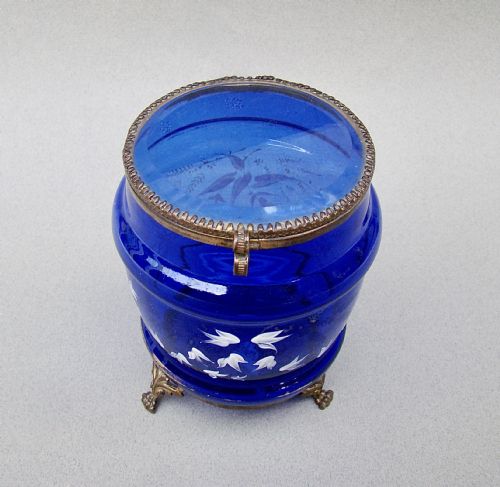
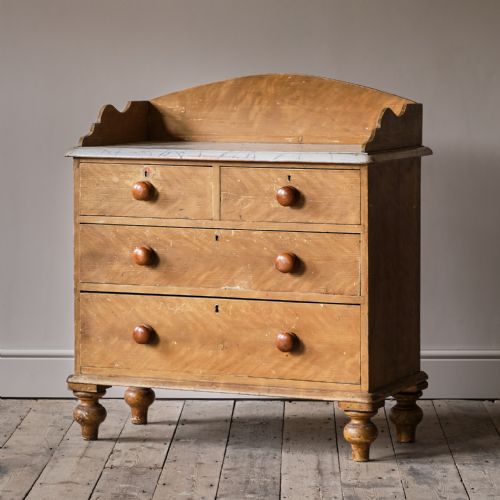
Antique Dresser Box
These antique dresser box pieces are compact repositories for small valuables and trinkets, collected for their intricate metalwork and decorative glass.
Antique Dresser Box
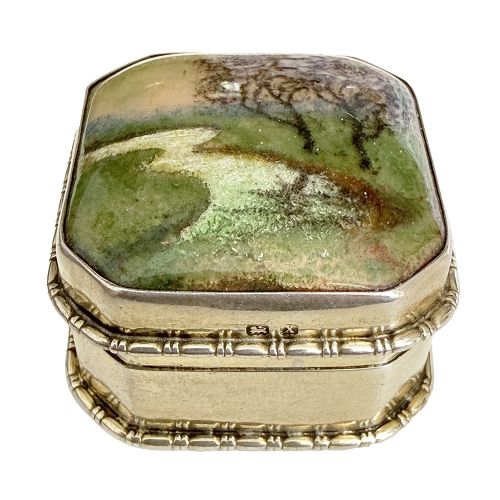
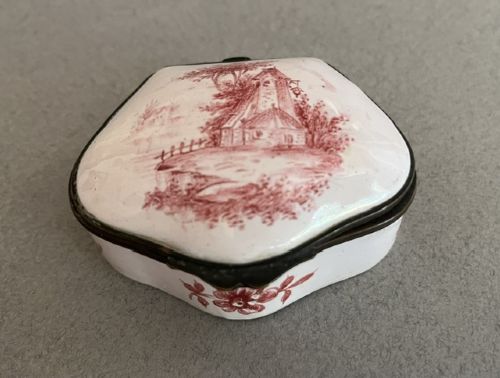
An antique dresser box encompasses a range of small storage forms including trinket pots, jewellery caskets, and powder boxes designed for the dressing table. The pieces found here span the Victorian, Edwardian, and Art Deco periods, originating from British workshops and French makers alike.
While the search term occasionally captures larger items of furniture like chests of drawers, the focus rests firmly on the smaller containers intended to hold personal items. Sterling silver, brass, porcelain, and coloured glass dominate the selection, often taking circular, heart, or rectangular shapes.
Materials and construction methods
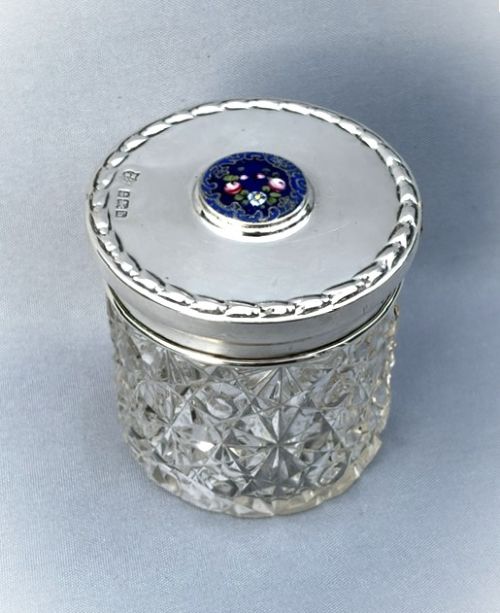
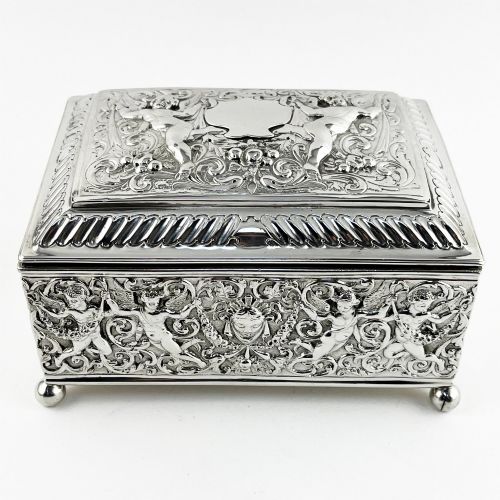
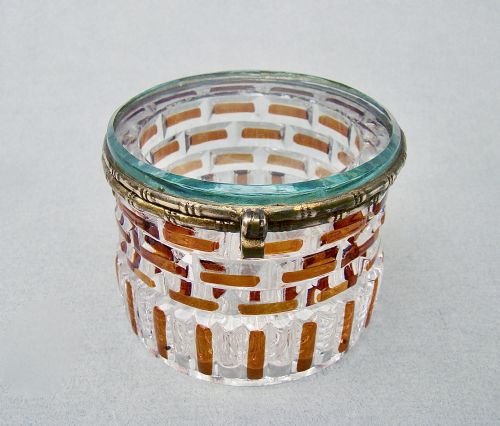
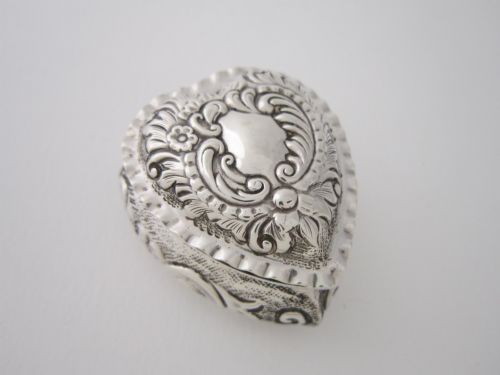
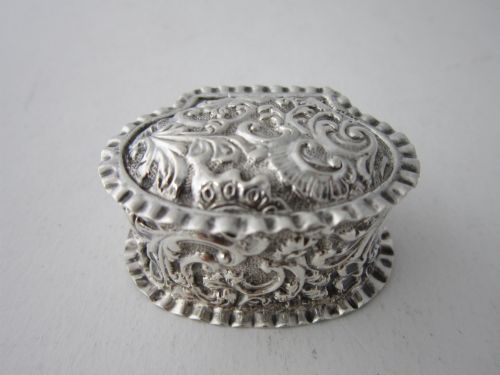
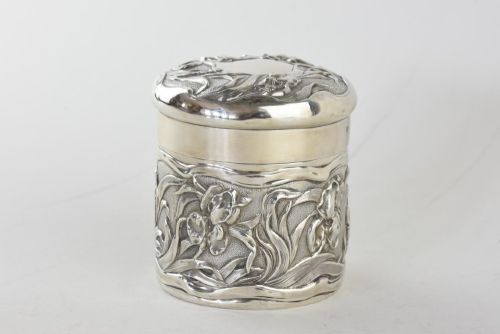
Silversmiths constructed many of the metal boxes using sterling silver, frequently employing repoussé techniques to hammer raised decorative patterns into the lids. Glass vessels utilised mould-blown and cut methods, sometimes paired with gilt-metal mountings or overlaid with enamel.
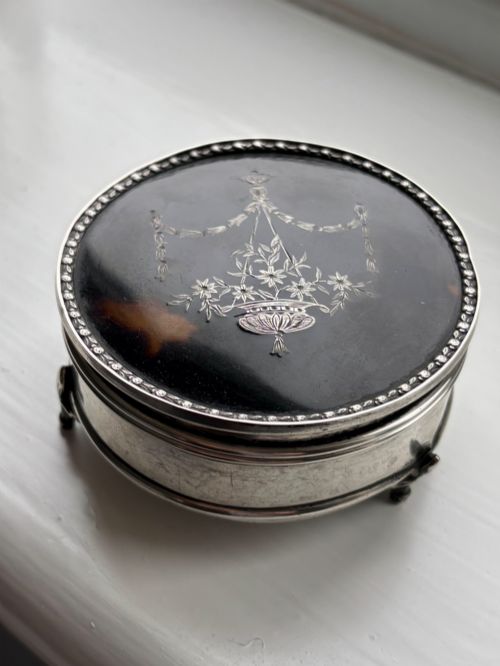
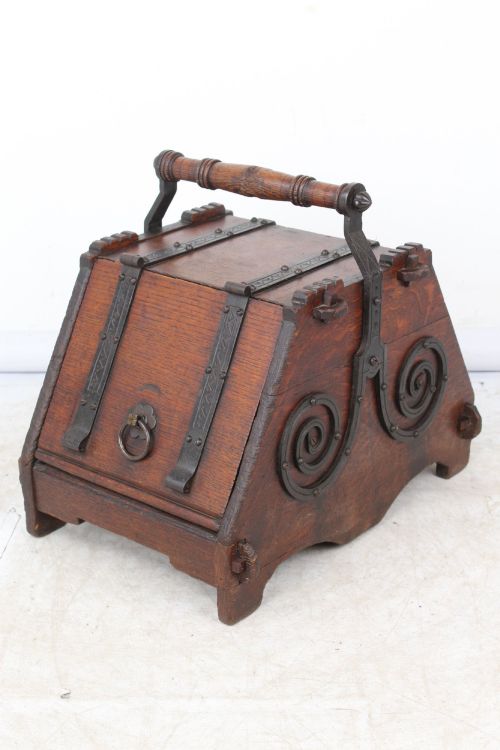
Makers integrated organic and ceramic materials such as tortoiseshell, porcelain, and oak into frames, securing components with precise hinges and clasps. Hand-painted details and gilt interiors completed the construction of these vanity items.
The listings show materials ranging from sterling silver and oak to Baccarat glass and Sevres porcelain across the 19th and 20th centuries.
Distinguishing quality in dresser boxes
The refinement of the decorative detail separates standard containers from superior examples, particularly in repoussé silver work and hand-painted porcelain panels. Crisp definition in cast metal mounts and well-fitted, sturdy hinges indicate higher craftsmanship.
The choice of materials also influences the standing of a piece, with heavy gauge sterling silver, undamaged enamelling, and clear, resonant crystal or Baccarat glass representing superior manufacture.
Ollivant and Botsford·Christopher Dresser·Goldsmiths and Silversmiths Company·Fleetwood Varley·Lalique·A and J Zimmerman Ltd
The Antique Dresser Box Glossary
- Repoussé
- A metalworking technique where the artisan hammers the design from the reverse side to form a raised pattern on the front. This method appears frequently on Victorian and Edwardian silver dresser boxes.
- Ormolu
- Gilded bronze or brass mounts applied to decorative objects, particularly French glass and porcelain caskets. The process involves coating the base metal with a mercury and gold amalgam.
- Faux tortoiseshell
- A synthetic material created to imitate the mottled brown and amber shell of the hawksbill turtle. It occurs often under glass or silver grillwork on early twentieth-century dressing table pieces.
- Trinket box
- A small lidded container intended for holding rings, pins, and other personal jewellery. These objects form the majority of vanity items found on dressing tables.
Antique Dresser Box: Frequently Asked Questions
What is an antique dresser box used for?
These small containers held personal items such as rings, brooches, powder, and hairpins on a Victorian or Edwardian dressing table.
Today, they serve the same practical function for storing everyday jewellery while adding period character to a modern interior.
How do I date a silver dresser box?
British silver boxes carry hallmarks that indicate the assay office, standard of metal, and the specific year of manufacture.
Comparing stylistic cues like Art Nouveau curves or Edwardian proportions alongside these stamps provides an accurate date.
How do I clean antique glass boxes?
Glass and crystal components require gentle washing with warm, soapy water and a soft cloth to avoid scratching the surface.
Harsh chemical cleaners should stay away from any gilt metal mounts, painted porcelain, or delicate enamel panels.