


Clear Glass Vanity Jar
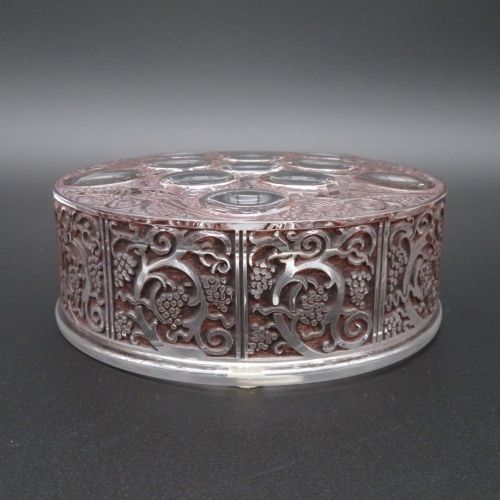
These clear glass vanity jars hold the everyday scents and powders of dressing tables past, combining heavy crystal with precious metal mounts.
Clear Glass Vanity Jar
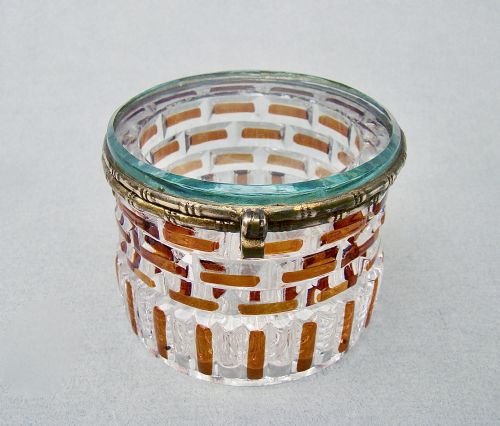
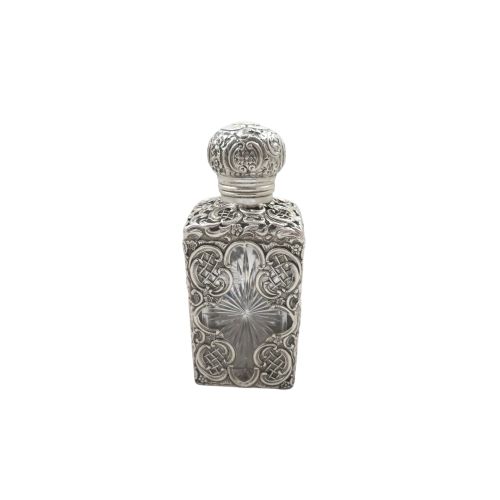
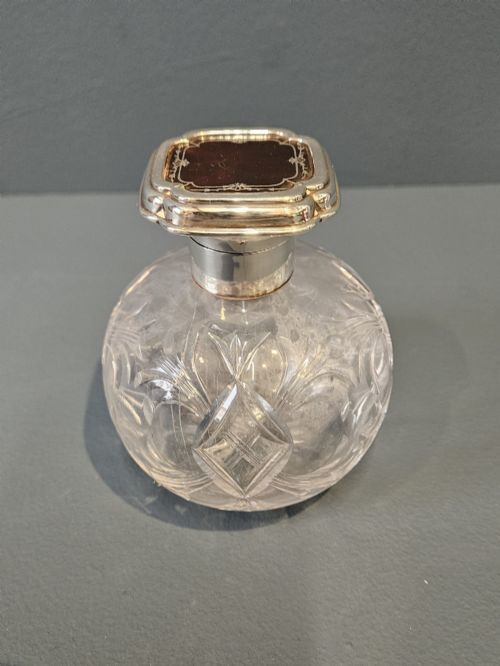
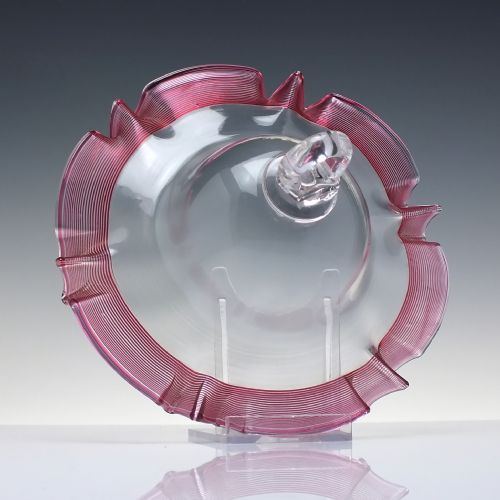
When you search for a clear glass vanity jar, you encounter dressing table essentials that span from the Georgian period through the Victorian and Edwardian eras into the Art Deco years. The selection here encompasses scent bottles, perfume globes, powder boxes, trinket boxes, dressing table domes, and glue pots, reflecting the varied containers once kept on a dressing table.
Most examples pair cut glass or lead crystal bodies with fitted silver, silver gilt, brass, or tortoiseshell lids and mounts. French and English pieces dominate, ranging from the ornate work of the French Belle Epoque to British hallmarked pieces from Birmingham and Sheffield.
How they were made
The glass bodies are formed from heavy cut glass, lead crystal, or cut crystal, often featuring deep hand-cut facets that catch the light. This heavy glass provides the necessary stability for daily use on a dressing table.
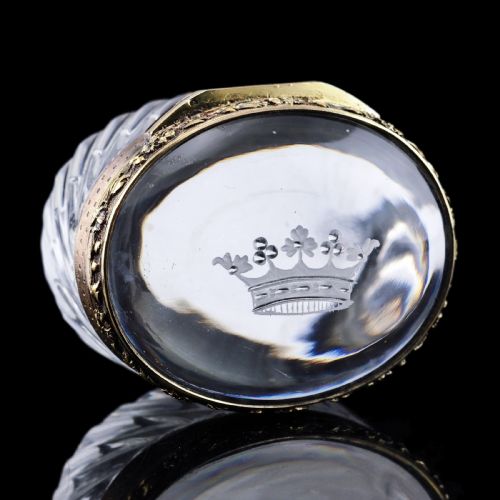
Mounts and lids utilise sterling silver, silver gilt, and brass, frequently paired with natural tortoiseshell. Silversmiths worked these metals to fit snugly over the glass rims, often incorporating detailed hallmarks or coronet motifs.
Listings feature items from the Victorian, Edwardian, and Art Deco periods, alongside French Belle Epoque and 19th-century works.
What varies in quality
Quality rests upon the weight and clarity of the crystal, alongside the crispness of the hand-cut facets. Finer vessels display sharper geometric or floral cutting that runs deep into the glass rather than sitting merely on the surface.
The distinction also lies in the metalwork of the mounts, where solid silver and detailed silver gilt outshine simpler plated alternatives. Maker marks, clear hallmarks, and integrated materials like tortoiseshell elevate the overall execution.
Barnsley & Co·Adie Brothers Ltd·Asprey·Baccarat·Lalique
The Clear Glass Vanity Jar Glossary
- Cut glass
- Glass shaped and patterned by holding it against a rotating wheel to grind away the surface. This technique creates deep facets that refract light through the vessel.
- Sterling silver
- An alloy containing a high proportion of pure silver, widely used for the lids and collars of dressing table pieces. British examples typically display official assay office hallmarks.
- Lead crystal
- Glass containing lead oxide, which increases the weight, brilliance, and clarity of the material. It allows for sharper cutting than standard glass.
- Silver gilt
- Silver that has been coated with a thin layer of gold on its surface. This treatment provides a warm golden finish to mounts and lids.
- Tortoiseshell
- The mottled shell of certain turtle species used historically for decorative inlays on vanity items. It appears paired with silver mounts on period pieces.
Clear Glass Vanity Jar: Frequently Asked Questions
What is a vanity jar used for?
These jars held powders, creams, and pins on dressing tables during the nineteenth and early twentieth centuries. They kept grooming items tidy while adding a decorative element to the room.
Today, they serve a similar decorative purpose and can hold small modern accessories, cotton wool, or jewellery in a bathroom or bedroom.
How do I identify the date of a silver mounted jar?
British pieces often feature hallmarks stamped into the metal mounts, indicating the assay office, maker, and a specific year letter. Birmingham and Sheffield marks are common on these items.
Stylistic cues, such as the geometric lines of Art Deco or the heavier ornamentation of Victorian pieces, help narrow down the period when hallmarks are absent.
Are French and English vanity jars different?
French pieces from makers like Baccarat and Lalique often emphasise artistic glass design, ornate crystal boxes, and gilded mounts. They lean towards Belle Epoque or Art Deco aesthetics.
English pieces frequently showcase precise sterling silver hallmarking from regional assay offices combined with traditional cut crystal bodies.
How should I clean a cut glass vanity jar?
Wash the glass gently in warm, soapy water using a soft cloth to avoid scratching the surface or damaging any cut facets. Avoid harsh abrasives that might dull the crystal.
Keep silver and tortoiseshell mounts dry and polish the metal separately with a suitable silver cloth, ensuring polish does not enter the interior of the jar.