


Edwardian Glass Trinket Dish
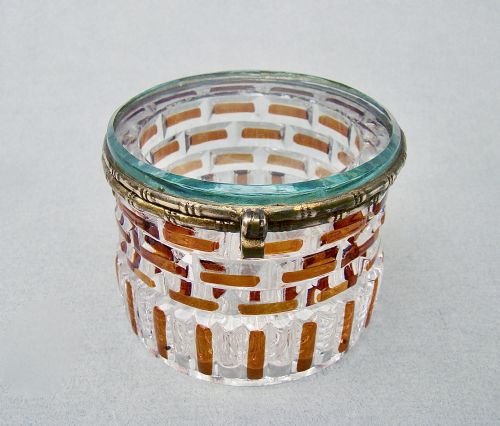
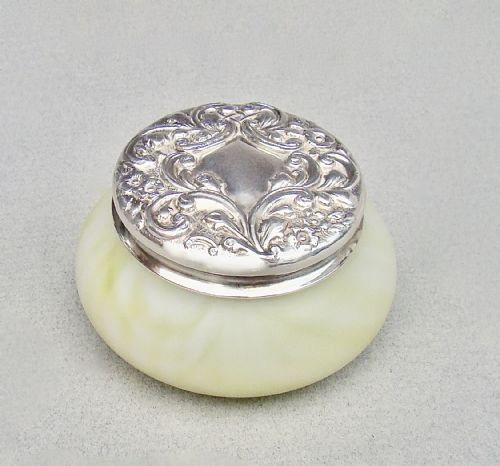
An edwardian glass trinket dish brings small-scale cut crystal and coloured glass into daily service, capped with hallmarked silver or enamel lids.
Edwardian Glass Trinket Dish
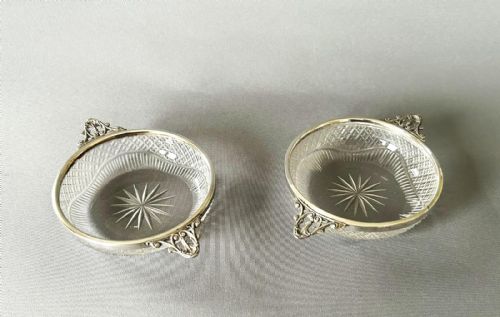
When searching for an edwardian glass trinket dish, buyers encounter small vessels designed for dressing tables, desks and boudoirs to hold pins, rings and small keepsakes. These pieces combine pressed or hand-cut glass bodies with fitted metal mounts, most frequently sterling silver lids or rims.
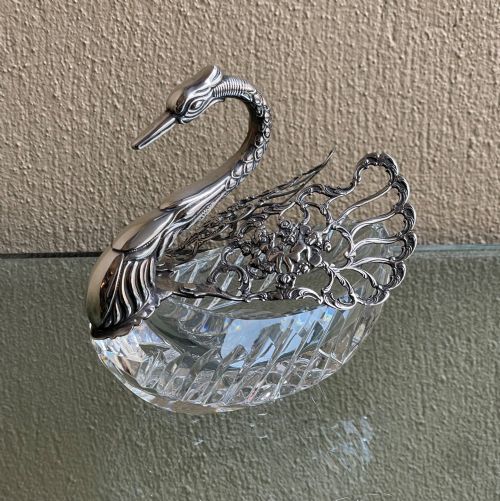
The selections span distinct periods and aesthetics, featuring genuine Edwardian creations alongside Victorian precursors and later 20th-century revivals. Forms range from simple open bonbon dishes and heart-shaped boxes to swing-handled potpourri baskets and lidded bowls.
Makers utilised various glass types including amber, cranberry, cobalt blue, satin glass and heavy lead crystal. Many pieces incorporate decorative metalwork, such as blue enamel tops, tortoiseshell inserts or brass fittings, adding colour and texture to the transparent or tinted glass bases.
Materials and Construction
Glass bodies were produced through heavy cutting, moulding or blowing, creating deep facets and textured surfaces that catch the light. Lead crystal and coloured glass varieties required precise furnace work, while satin glass achieved its characteristic velvety surface through acid-etching.
Silver components, including hinged lids and swing handles, were shaped from sterling silver or silver plate and frequently bore Birmingham assay marks and maker's stamps. Enamel panels and tortoiseshell inserts were carefully fitted into the metal mounts, requiring skilled metalworking and assembly.
Listings feature Edwardian, Victorian, and mid-20th century pieces, utilising cut glass, sterling silver, enamel, and tortoiseshell across various box and basket forms.
Quality and Craftsmanship
The standard of cutting on the glass vessel marks the primary distinction between ordinary production and finer workshop output. Crisp, deep facets and heavy lead crystal indicate superior material and skilled hand-polishing.
The integration of the metal mount to the glass body demonstrates the level of care taken during manufacture. Secure hinges, intact enamel work and clear hallmarks from established silversmiths elevate the standing of the piece.
A. Bromet & Co·William Comyns·French Baccarat
The Edwardian Glass Trinket Dish Glossary
- Cut Glass
- Glass shaped and patterned by holding it against a rotating abrasive wheel. This technique produces sharp facets that refract light intensely.
- Sterling Silver
- An alloy consisting of pure silver and other metals, typically copper, standardised for durability. Items made from this metal often display official assay office hallmarks.
- Satin Glass
- Glass treated with an acid bath to produce a matte, velvety surface texture. It appears frequently in pieces from the late 19th and early 20th centuries.
- Potpourri Basket
- A small, open or lidded vessel featuring pierced metalwork or a swing handle, traditionally filled with dried scented plant material. These items combined decorative glass with functional metal mounts.
- Enamel
- A glassy substance melted onto metal surfaces at high temperatures to add colour and pattern. It provides a smooth, glossy finish on silver lids and mounts.
Edwardian Glass Trinket Dish: Frequently Asked Questions
What were glass trinket dishes used for?
These small dishes and boxes served on dressing tables and desks to hold personal items like rings, pins and small keepsakes.
Their lidded variants kept delicate items protected from dust while displaying the cut crystal and silver mounts.
How do I identify an Edwardian piece?
Edwardian items often feature specific hallmarks indicating assay offices and dates from the early 1900s alongside characteristic floral or rococo revival motifs in the silver mounts.
Comparing the glass cutting styles and coloured glass tones with documented pieces from the period helps confirm the date of manufacture.
Are all these dishes made of crystal?
The listings include a variety of glass types, ranging from heavy lead crystal and cut glass to moulded satin glass and coloured glass in amber, cranberry and cobalt blue.
Metal components like sterling silver, silver plate, enamel and brass are frequently combined with these glass bodies.
How should I clean silver and glass dishes?
Glass components can be washed gently in warm soapy water using a soft cloth, avoiding harsh abrasives that might scratch satin or enamelled surfaces.
Silver mounts require specialised silver polish applied carefully around the glass to prevent staining the surrounding material.