





French Vanity Pot
These French vanity pot pieces are dressing table essentials designed to hold powder, trinkets, and cosmetics in style.
French Vanity Pot
A french vanity pot covers an array of dressing table accessories including powder boxes, trinket boxes, and dressing table jars. You will regularly encounter items spanning the nineteenth century, Belle Epoque, Art Nouveau, and Art Deco periods.
Origins trace directly to France, taking distinct shape through nineteenth-century revival styles, early twentieth-century moulding, and Art Deco geometry. These containers served daily grooming rituals on dressing tables and washstands.
Materials and construction methods
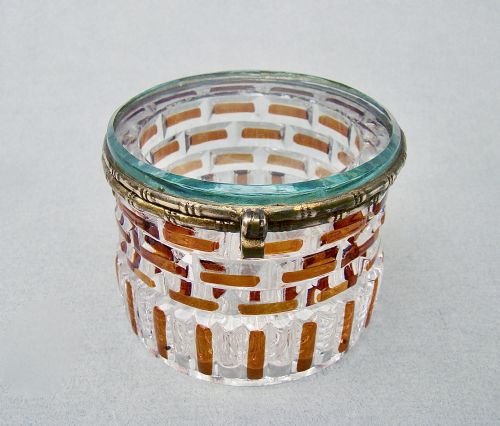
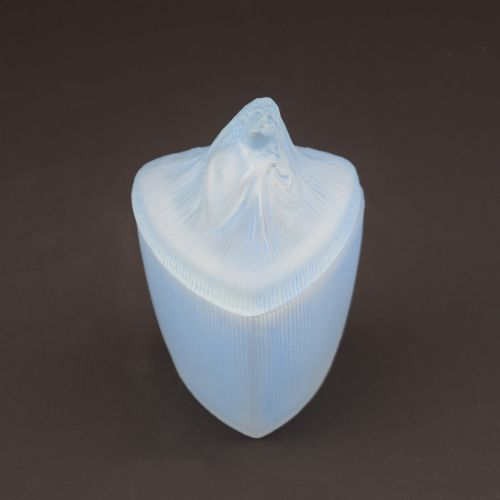
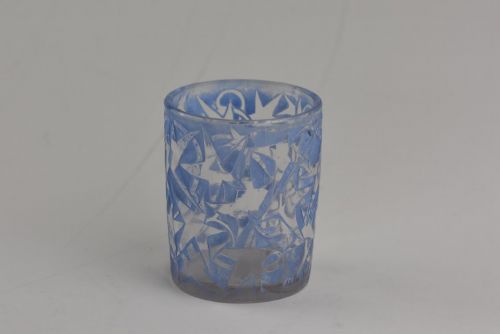
Makers utilised glass and porcelain as primary bodies, often finishing them with hand-painted details, enamel, and gilt ornamentation. Moulded techniques gained prominence in later decades, particularly with frosted and stained finishes.
Metal mounts in brass and solid silver gilt frequently secure glass and porcelain vessels, occasionally incorporating engine-turned guilloche designs. Lids and collars provide structural closure to fragile ceramic and glass containers.
Several pots were specifically designed to hold scented salts for reviving anyone overcome by tight Victorian corsets.
Factors that separate examples
Quality rests upon the refinement of the material and the crispness of decoration, whether hand-painted porcelain or moulded lead crystal. The presence of precious metal mounts and named maker execution elevate specific pieces above standard domestic wares.
The complexity of surface design distinguishes ordinary containers from superior examples. Hand-applied enamelling, detailed gilt work, and sophisticated frosted glass moulding demonstrate higher degrees of period craftsmanship.
Rene Lalique·Henri Lapeyre·Limoges
The French Vanity Pot Glossary
- Guilloche
- A decorative mechanical engraving technique producing precise, intricate repetitive patterns on metal surfaces. It frequently appears beneath translucent enamel on late nineteenth-century silver gilt items.
- Clichy glass
- Glassware produced in the nineteenth-century French factory town known for distinctive colours and layered techniques. It is often found mounted in silver on dressing table jars.
- Lead crystal
- A heavy glass variety containing metal oxides to increase brilliance and clarity. It allows for deep, sharp cutting and moulding characteristic of fine vanity items.
- Etui
- A small ornamental cylindrical case designed to hold needles, cosmetics, or small instruments. These portable containers reflect the refined personal habits of nineteenth-century owners.
- Belle Epoque
- A period of French artistic and cultural confidence lasting from the late nineteenth century to the First World War. Objects from this era display ornate decoration and delicate hand-painted motifs.
French Vanity Pot: Frequently Asked Questions
What were french vanity pots used for?
These containers held loose face powder, scented salts, pins, rings, and small cosmetic items on a dressing table. They kept personal grooming accessories organised and protected within decorative porcelain or glass vessels.
Ladies utilised them during daily toiletry routines, displaying them prominently on bedroom dressing stations alongside brushes and perfume bottles.
How do I identify Art Deco vanity pots?
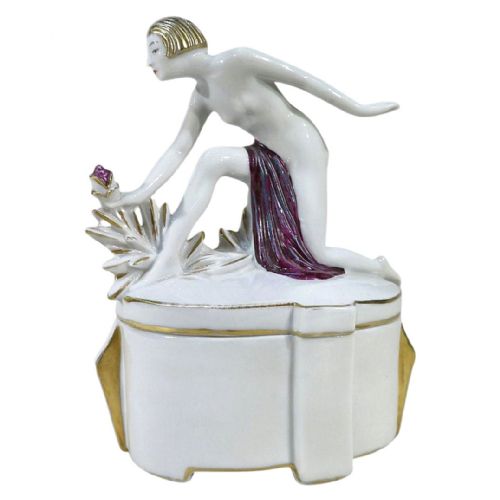
Art Deco pieces typically date from around 1930 and feature geometric shapes, stylised figures such as flapper girls, and clean ceramic or moulded glass bodies. They move away from the organic curves of earlier styles.
Makers like Limoges produced ceramic powder bowls during this era that embraced bold, modern silhouettes while retaining practical dressing table functions.
What materials are common in these jars?
Glass and porcelain form the majority of the vessels, often enhanced with brass or solid silver gilt mounts. Enamel detailing, hand-painted floral motifs, and frosted finishes frequently decorate the surfaces.
Lead crystal and specialised glass types like Clichy glass also appear, paired with hinged or lift-off metal collars.
How should I clean antique glass jars?
Gentle cleaning with warm water and mild soap suits glass and porcelain components best, avoiding harsh abrasives that might damage hand-painted details or gilt accents. Metal mounts require care to preserve original patination.
Take caution around enamel work and delicate silver gilt surfaces to prevent unintended wear during maintenance.