




Victorian Gilt Casket
A victorian gilt casket brings nineteenth-century weight and shine to a dressing table, holding small treasures with considerable decorative presence.
Victorian Gilt Casket
When you search for a victorian gilt casket, you encounter heavily ornamented containers designed for jewellery, trinkets, stationery, or scent bottles. These pieces stem predominantly from nineteenth-century British, French, and Italian workshops, reflecting the ornate tastes of the period.
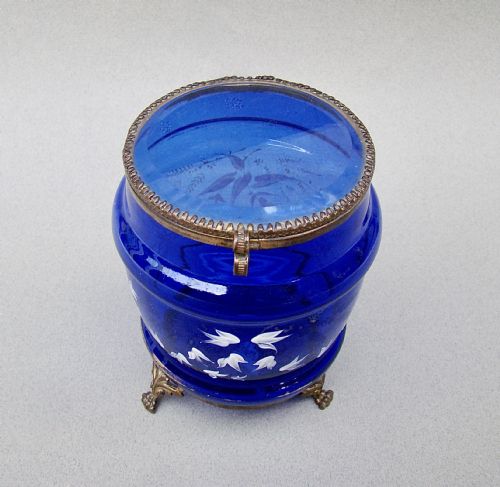
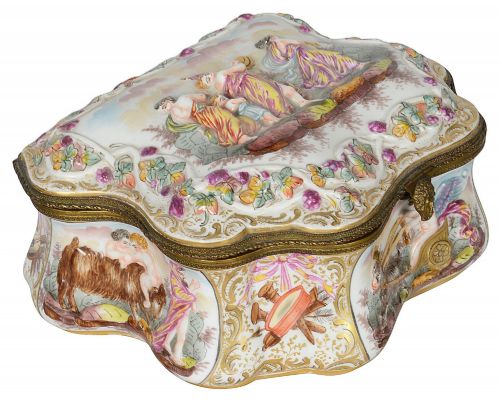
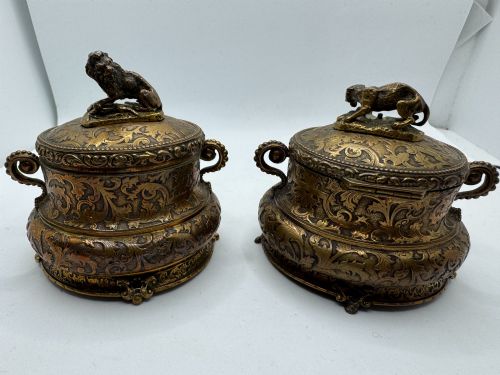
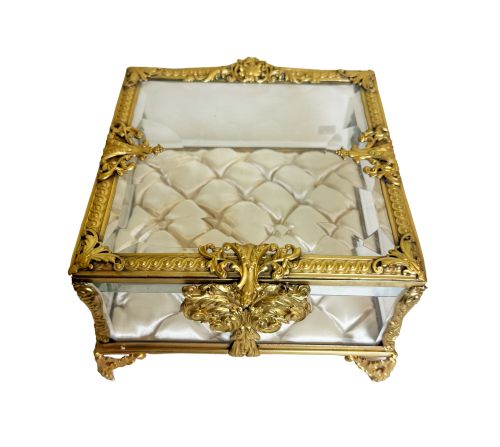
The selections on this page span diverse forms, from porcelain-set boxes and glass caskets to heavy bronze and brass receptacles. French Napoleon III and Rococo Revival styles dominate the visual landscape, bringing intricate metalwork to domestic interiors.
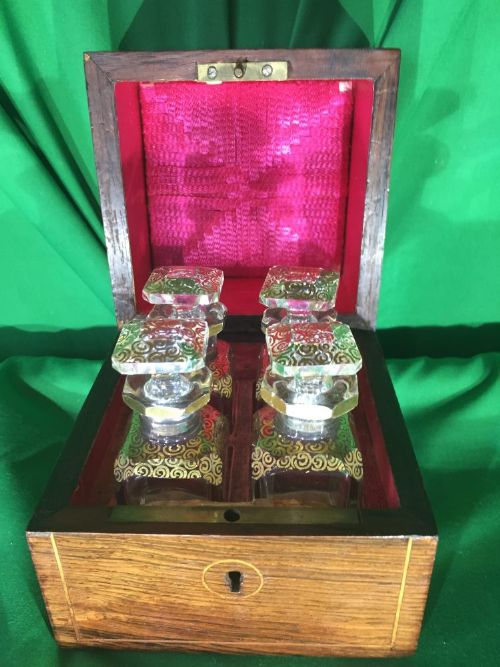
Buyers meet objects ranging from small porcelain table caskets to substantial stationary boxes lined with silk. Each piece serves primarily as a decorative container for personal valuables, utilising rich surface decoration to catch the light.
Materials and Construction
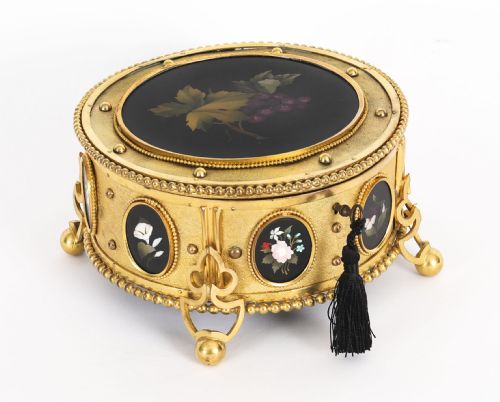
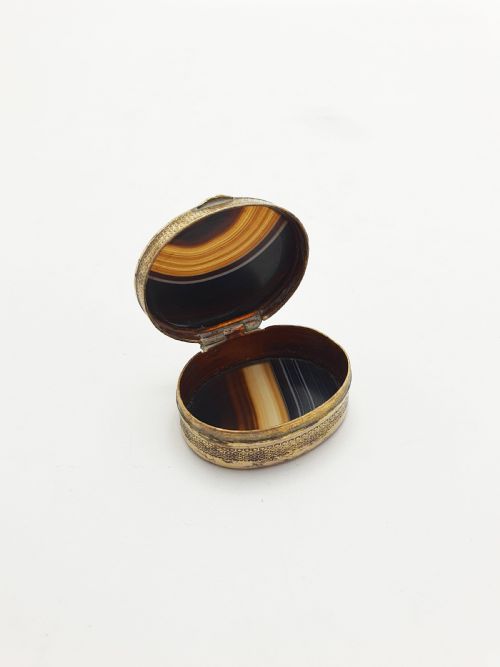
The foundational structures rely on cast brass, ormolu, gilt bronze, and gilded copper, formed through traditional foundry work and electro-forming. Metal components often surround inset panels of Sevres or Capodimonte porcelain, painted glass, marble, or polished stone such as malachite and agate.
Surface embellishments include applied gold leaf, hand-painted ceramic plaques, miniature portraits, and detailed chased patterns. Interiors frequently incorporate fitted linings of silk or velvet to cradle delicate items safely.
Construction techniques combine mechanical fasteners with soldered joints and intricate hinges, supporting heavy lids mounted with decorative finials or cabochons. Artisans integrated diverse media, pairing dark wood or papier-mâché with metallic mounts.
Miniature brass carriages and coaches transport tiny treasures inside novelty trinket boxes.
Evaluating Craftsmanship
Quality rests heavily on the crispness of the metal casting and the depth of the gilding. Finer pieces demonstrate sharp, hand-chased details in the ormolu or gilt brass, whereas simpler examples rely on softer, mass-produced stampings.
The integration of secondary materials defines the upper tier of the range. Hand-painted porcelain panels, flawless bevelled glass panels, and genuine hardstone insets indicate higher workshop standards than plain metal boxes.
Structural integrity and the survival of delicate internal silk linings influence the standing of an individual piece. Retaining original glass, unrubbed gilding, and functioning latches separates superior examples from heavily restored or worn alternatives.
A & J Zimmerman Ltd
The Victorian Gilt Casket Glossary
- Ormolu
- Gilded bronze or brass used for decorative mounts on furniture and boxes. It provides a bright golden finish through an amalgamation of mercury and gold or electroplating.
- Pietra dura
- An artistic technique using cut and fitted polished coloured stones to create geometric or pictorial images. It appears on the lids of select nineteenth-century containers.
- Cabochon
- A gem or stone shaped and polished as a rounded convex form rather than faceted. These decorative elements often stud the exterior mounts of caskets.
- Napoleon III style
- A heavily eclectic nineteenth-century French design movement drawing inspiration from Renaissance, Rococo, and Louis XIV aesthetics. It favours rich ornamentation and mixed media.
- Sevres
- A famous French porcelain manufactory known for high-quality painted panels and distinct blue grounds. Pieces bearing these plaques command strong interest.
Victorian Gilt Casket: Frequently Asked Questions
What were these caskets used for?
Victorian households utilised these ornamental containers to safeguard jewellery, letters, visiting cards, and delicate glass scent bottles. They sat prominently on dressing tables, mantelpieces, and drawing-room desks as both practical storage and displays of taste.
Because personal valuables required secure yet accessible placement, these boxes offered velvet-lined interiors to protect contents from dust and damage while enhancing the room's decor.
How do I date a gilt casket?
Dating relies on identifying stylistic markers, manufacturing techniques, and occasional stamped hallmarks or registration marks. French pieces often align with the Napoleon III or Second Empire periods through heavy cast mounts and porcelain inserts.
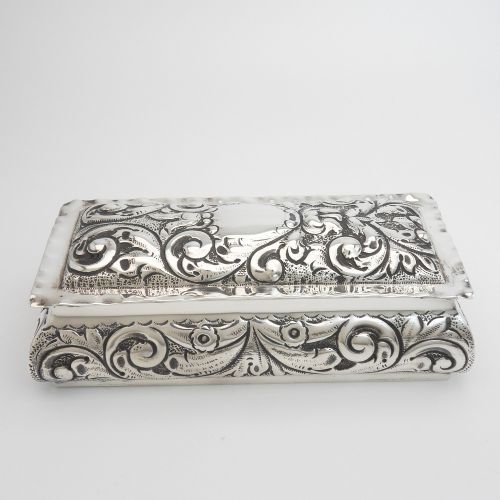
British examples sometimes feature silver hallmarks that pinpoint the exact year of production. Examining the construction of hinges, locks, and internal linings also helps establish the era.
How do I care for gilt metal?
Gilt surfaces require gentle treatment to preserve the thin layer of gold leaf or ormolu. Dusting with a soft, dry cloth prevents the accumulation of grime without abrading the finish.
Avoid chemical polishes, water, and abrasive cloths entirely, as these substances strip away the gilding and expose the base brass or bronze underneath.
Are French and British caskets different?
French caskets from the nineteenth century typically lean towards exuberant Rococo Revival forms, featuring elaborate ormolu frames, hand-painted porcelain plaques, and bevelled glass. They prioritise ornate decorative impact over strict utility.
British productions frequently emphasise sturdy construction using rosewood, papier-mâché, or brass, occasionally incorporating silver fittings with traceable assay office marks. British pieces often focus on functional stationery or scent bottle storage.