

Antique Dog Painting
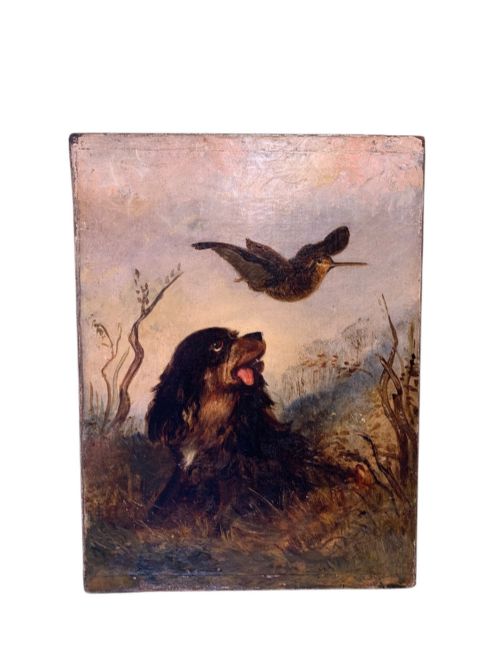
Every antique dog painting captures the distinct personality of a cherished canine companion through the careful eye of past portraitists.
Antique Dog Painting
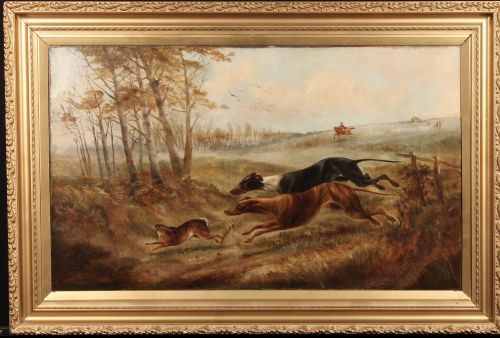
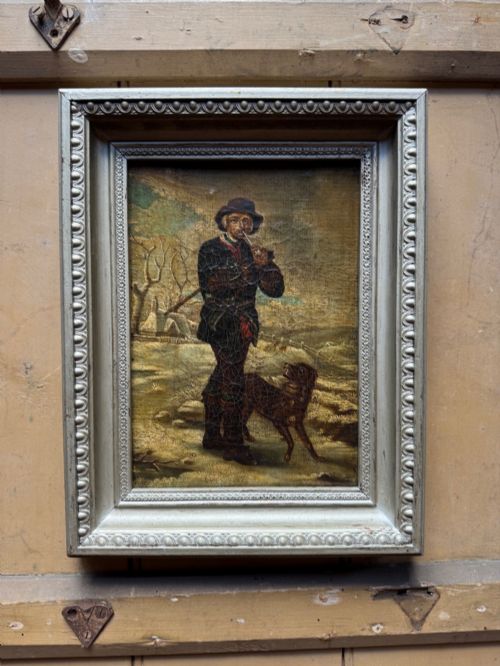
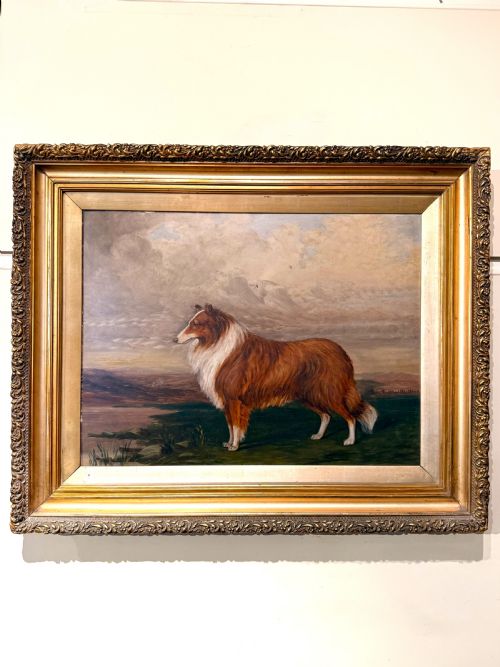
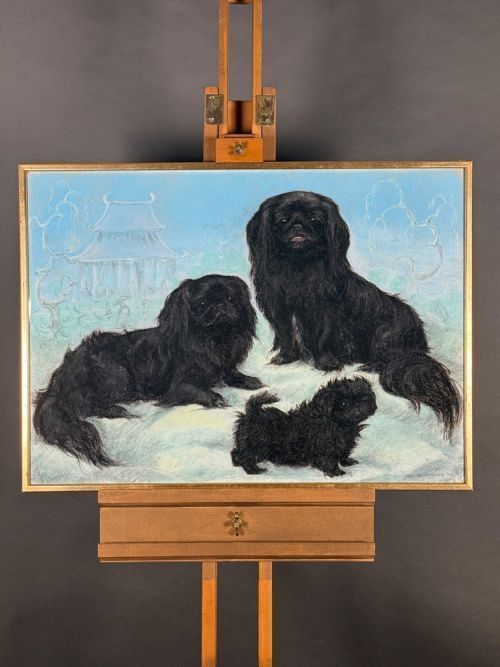
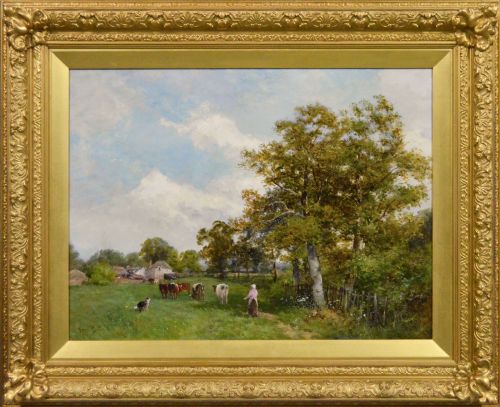
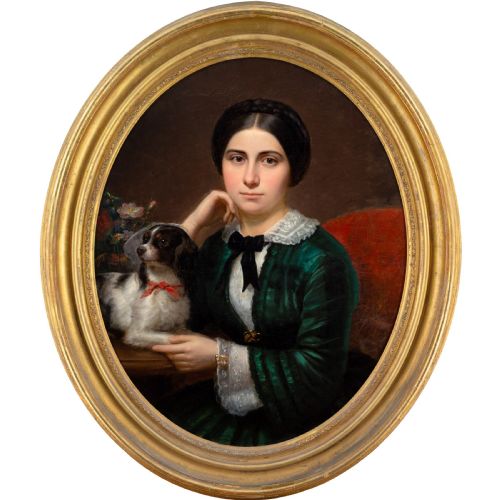
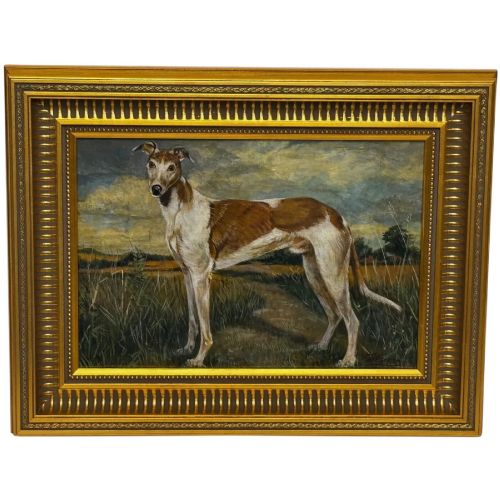
An antique dog painting brings centuries of canine portraiture into focus, ranging from individual character studies to sporting scenes set in sweeping rural landscapes. Buyers searching for an antique dog painting will encounter works spanning the Georgian, Victorian, and Edwardian eras, executed by both named artists and anonymous provincial painters. Oil on canvas and oil on board predominate throughout the collection, often housed within their original giltwood frames.
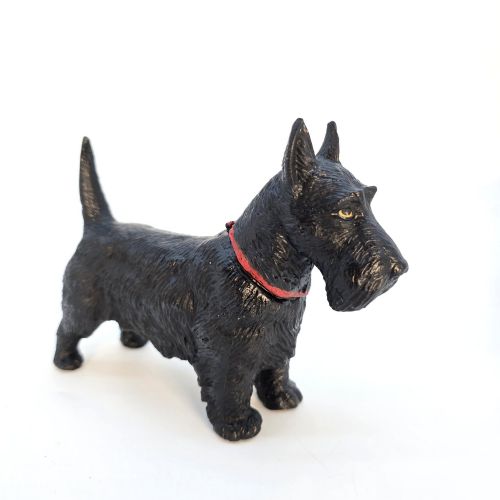
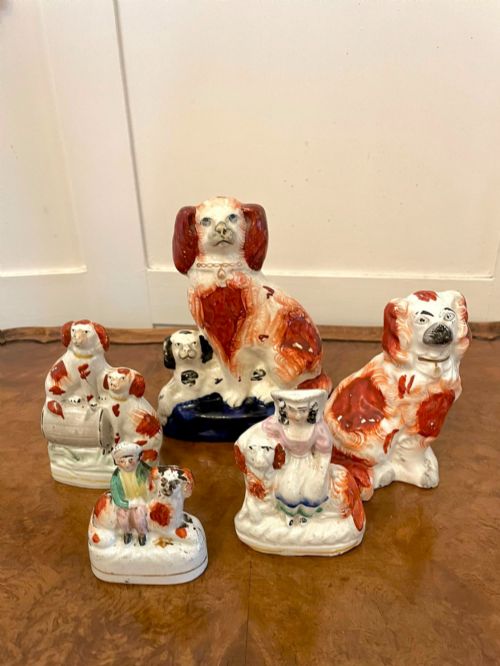
Portraits of specific breeds like spaniels, terriers, setters, and hounds appear frequently alongside narrative compositions featuring dogs working alongside their masters. These pieces reflect changing domestic attitudes towards pets, transforming animals from working farm assets into beloved family members whose likenesses deserved preservation on canvas.
Materials and methods
Artists relied primarily on oil paint applied to stretched canvas or wooden panels, building up layers of pigment to render the texture of fur, glinting eyes, and natural light. Pigments were mixed by hand in earlier centuries, leading to rich, stable earth tones that have aged with deep patination.
Framing forms an integral part of the physical object, utilising carved wood and giltwood surrounds that often date directly to the period of the painting itself. Board supports and canvas stretchers reveal period construction methods, from hand-forged tacks to wedge-keyed frames.
Antique Dog Painting Retail Price Guide 2026
Typical asking prices for dog painting among the pieces listed under this phrase on Sellingantiques today, from the lower quarter to the upper quarter. They describe what is for sale here now, not the wider market.
One determined Saint Bernard comes carved entirely from wood, forever ready to rescue travellers from imaginary alpine snowdrifts.
Assessing the work
Quality rests upon the artist's ability to render anatomical accuracy, bone structure, and individual expression rather than a generic canine silhouette. Master painters capture the intelligent gleam in an eye and the specific curl of a coat with confident, economy of brushstroke.
Condition of the pigment layer, stability of the ground, and preservation against past overpainting dictate the integrity of the surviving image. Original period framing that complements the scale and palette of the artwork adds significantly to the visual harmony of the piece.
Valentine T. Garland·David Bates·Martin Theodore Ward·John Sargent Noble·Sir Edwin Henry Landseer·Franz Bergman·C R Breytle·John Emms·John Frederick Herring Senior·Thomas Hicks·Alfred Pollentine·Mary Beale·Jan Fyt·David W Haddon·Thomas Heaphy·Augustus S Boult·Arthur Wardle·William Howard Hardy
The Antique Dog Painting Glossary
- Canvas
- A heavy woven fabric stretched across a wooden frame to serve as a sturdy support for oil paintings. It provides a slightly textured surface that holds layered brushwork securely.
- Giltwood
- Wood carved and coated with a thin layer of gold leaf or metallic gilt paint. This material is standard for ornate period picture frames.
- Oil on Canvas
- A traditional painting technique utilising pigments suspended in a drying oil medium applied directly to primed fabric. This method allows for subtle blending and rich depth of colour.
- Sporting Art
- Artwork depicting field sports, hunting expeditions, and working animals such as gun dogs and horses in natural landscapes. These pieces record rural traditions and prized livestock.
- Provincial
- Describing works created outside major artistic capitals by local practitioners. These pieces often display charmingly direct, unpretentious execution.
Antique Dog Painting: Frequently Asked Questions
How do I identify the breed in an old portrait?
Artists often recorded specific working characteristics, head shapes, and coat types that point clearly to historical ancestors of modern breeds. Comparing ear set, muzzle length, and body proportions with period breed standards helps reveal the exact type.
Studying contemporary sporting manuals and kennel club histories from the painting's era provides further context for how specific working dogs appeared prior to modern standardisation.
What is the difference between oil on canvas and oil on board?
Oil on canvas utilises stretched woven fabric fastened to a wooden stretcher frame, offering slight give and a characteristic textile texture beneath the paint. Oil on board employs a rigid wooden or composition panel as the solid foundation for the pigments.
Board supports frequently indicate a more portable or informal study, whereas large formal commissions almost exclusively utilised primed canvas.
How should I care for an antique oil painting?
Keep the artwork away from direct sunlight, heating vents, and damp environments to prevent the canvas from slackening and the paint layers from cracking. Gentle dusting with a soft, dry brush is sufficient for routine maintenance.
Avoid applying water, chemical cleaners, or commercial cleaning solutions to the painted surface or the gilded frame, as these can strip historical finishes.
Does the original frame matter?
Original period frames protect the edges of the canvas and provide the intended historical context for viewing the artwork. Matching styles help anchor the piece securely within its specific decade of creation.
Replacing a missing surround with a correct period frame restores the visual balance of the composition without compromising its historical integrity.