


Antique Document Storage Chest
An antique document storage chest brings historic organisation into a room, offering robust timber construction built to safeguard papers and valuables.
Antique Document Storage Chest
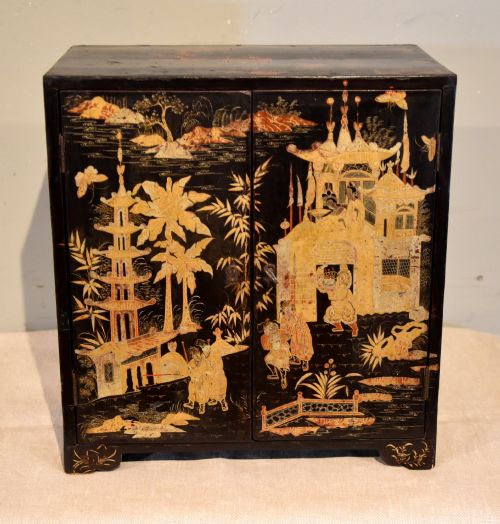
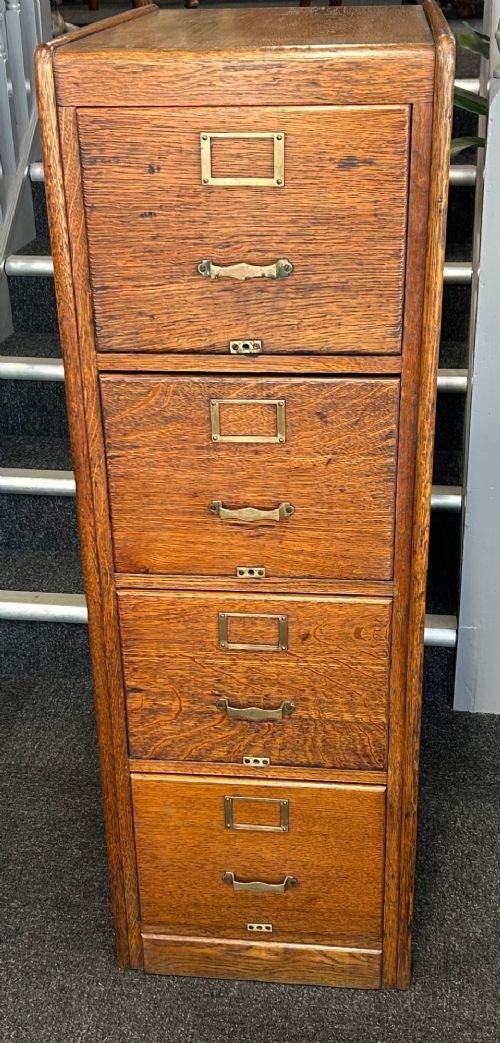
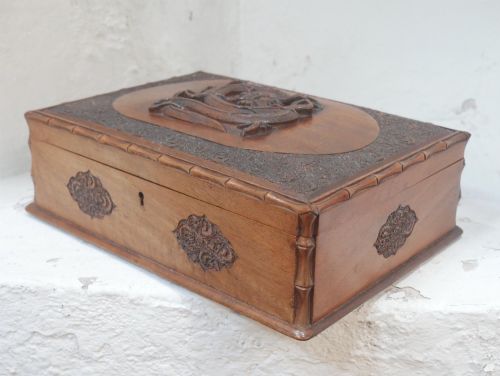
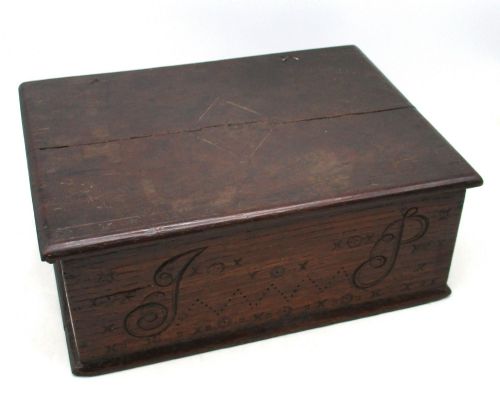
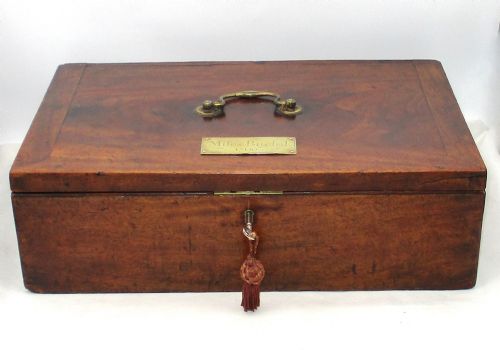
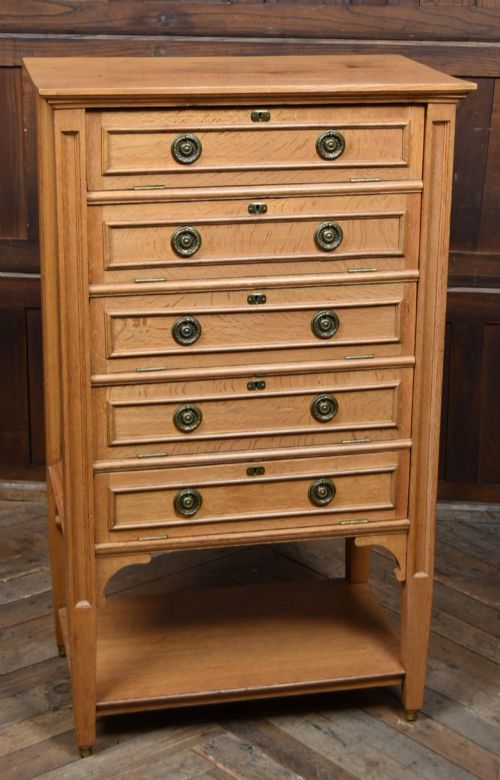
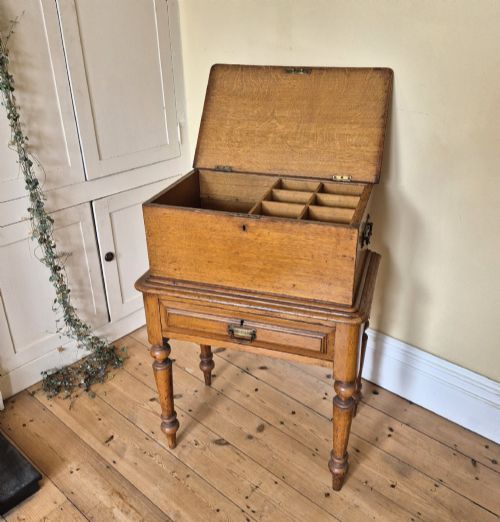
An antique document storage chest encompasses various utilitarian forms designed to organise and protect papers, deeds, and letters across past centuries. Buyers find everything from compact desktop caskets and Bible boxes to substantial multi-drawer filing cabinets, tambour front units, and iron-bound strongboxes. These pieces originate from domestic, office, and railway settings, reflecting the practical filing needs of Georgian, Victorian, and Edwardian households and businesses.
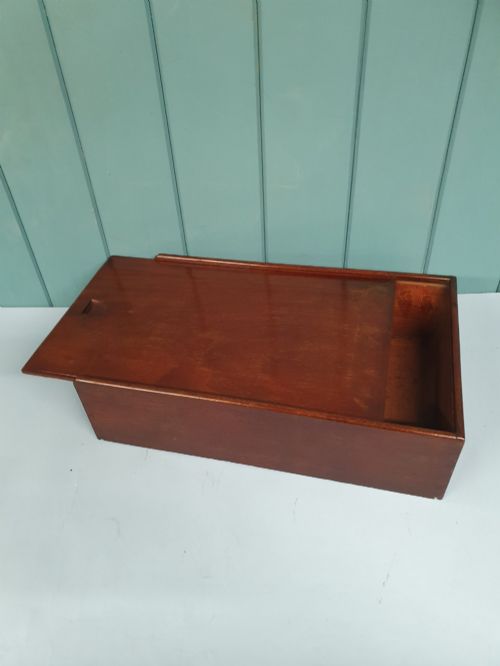
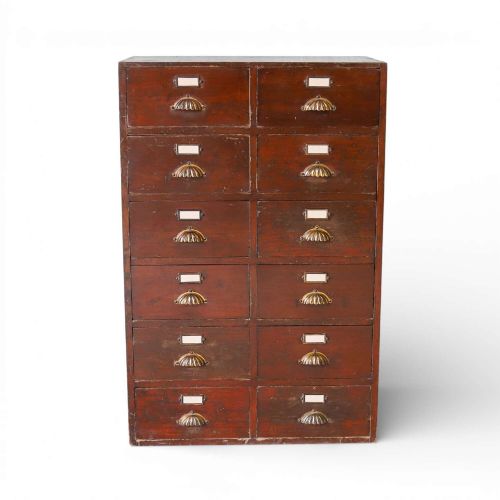
The most common examples on this page are oak and mahogany filing cabinets, sliding lid document boxes, and multi-drawer banks dating from the eighteenth through to the early twentieth century. Pieces range from simple pine and elm rustic boxes to sophisticated campaign styles and patent letter files equipped with original brass hardware. Each variant provides a tangible link to historical record-keeping, executed in durable woods selected for daily use.
Materials and Construction
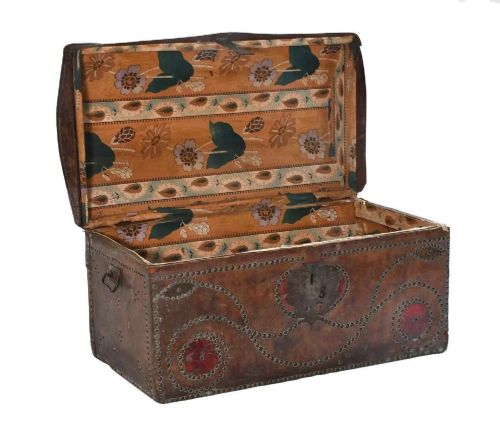
Cabinet makers relied predominantly on solid hardwoods such as oak, mahogany, elm, and pine, constructing carcases with tight joinery to withstand heavy handling of paper archives. Surfaces frequently display natural patinas developed through decades of service, occasionally enhanced with tooled leather inserts, hand-painted folk art motifs, or intricate Tunbridge Ware decoration.
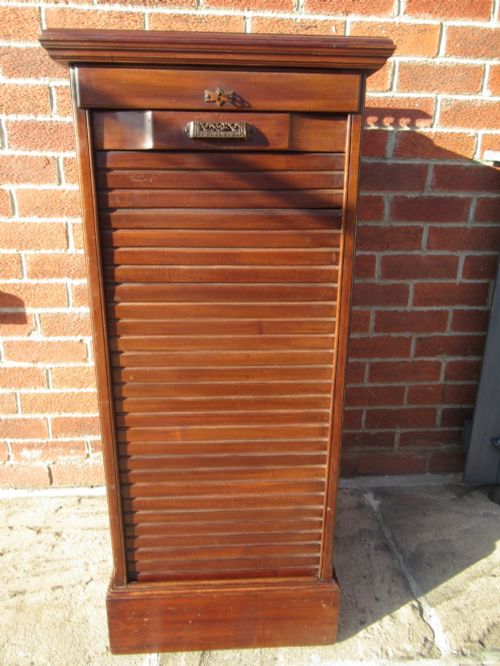
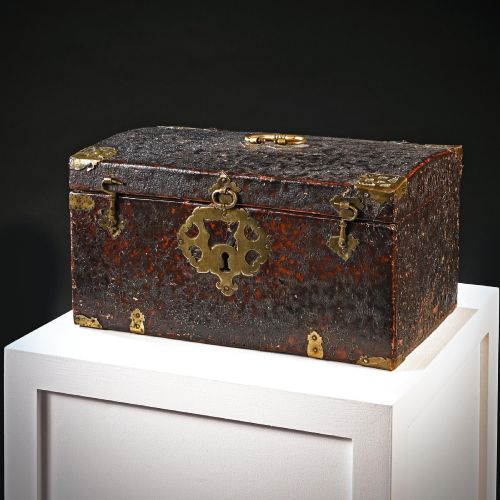
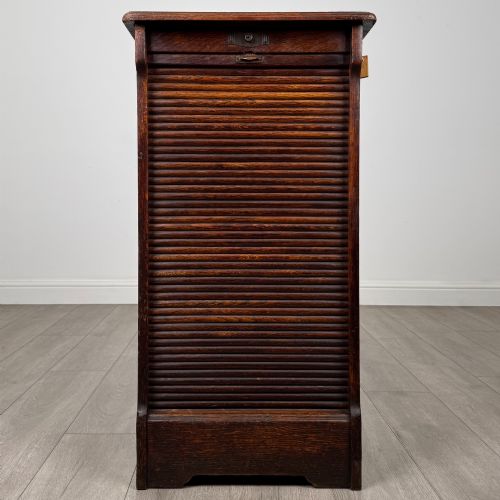
Metal components played a critical functional role, incorporating forged iron bands, brass carrying handles, campaign inlays, shell pulls, and specialised label holders. Tambour fronts utilised flexible wooden slats running in tracks to conceal internal filing slots, while camphor wood and teak appeared in travel-focused caskets to protect contents from insects and moisture during transit.
Antique Document Storage Chest Retail Price Guide 2026
Typical asking prices for document storage chest among the pieces listed under this phrase on Sellingantiques today, from the lower quarter to the upper quarter. They describe what is for sale here now, not the wider market.
Railway ticket dispensing boxes once handed out passenger journeys before retiring to quietly house modern stationery.
Distinctions in Standard
Quality separates units by the integrity of their internal mechanisms and the completeness of original hardware. Superior cabinets retain functioning tambour doors, smooth-running drawers, and matching period brass pulls or label holders rather than later replacements.
The choice of timber and refinement of carcase construction define the upper tier of pieces. Finely figured mahogany and carved early oak display superior cabinet-making skills compared to utilitarian pine storage, while patent locking systems and original maker labels elevate the historical interest of office furniture.
Luxmore's of Ilfracombe
The Antique Document Storage Chest Glossary
- Tambour
- A flexible sliding door formed of narrow wooden strips glued to canvas backing. This mechanism allows smooth closure across the front of a filing cabinet without requiring outward swing clearance.
- Campaign style
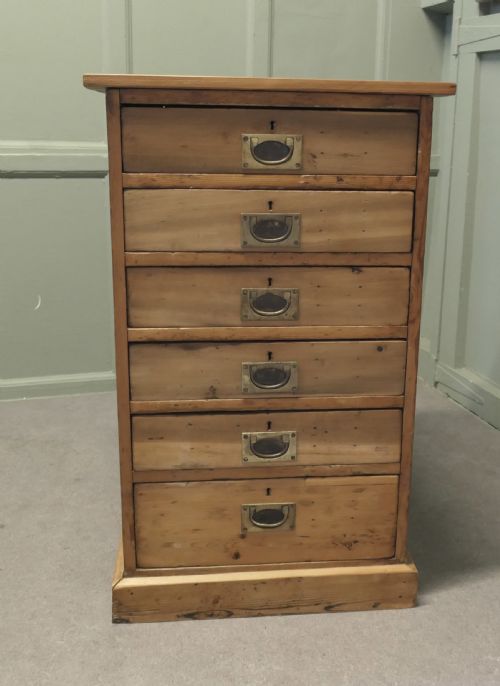
- Portable furniture designed for military officers or travel, featuring recessed brass handles, reinforced corners, and knock-down or modular construction. These pieces prioritise durability and compact organisation.
- Bible box
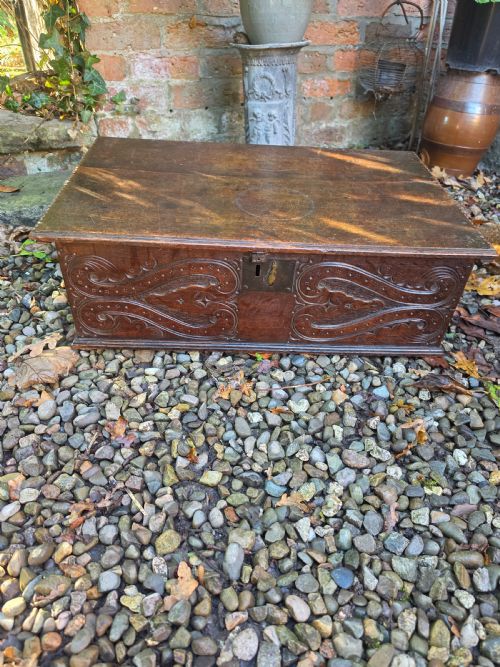
- A small desk-top box with a sloping lid, historically used to store religious texts and personal documents. Many examples date from the seventeenth and eighteenth centuries in solid oak.
- Strongbox
- A heavy storage chest constructed from timber and reinforced with iron straps or bound entirely in metal. They provided secure storage for currency, deeds, and valuable papers before modern safes became common.
- Tunbridge Ware
- Small wooden objects decorated with intricate mosaics made from thousands of tiny tinted wood blocks arranged to form geometric or pictorial scenes. This technique flourished in nineteenth-century Kent.
Antique Document Storage Chest: Frequently Asked Questions
What fits inside an antique document chest?
These chests accommodate historical papers, modern letters, stationery, and small collectibles within their drawers or lidded compartments. Multi-drawer banks and filing cabinets suit flat paper storage, while smaller boxes hold correspondence and trinkets.
Interior dimensions vary by period, with older Bible boxes offering open well storage and later Edwardian cabinets featuring dedicated letter slots or modern filing widths.
How do I maintain wood and leather surfaces?
Apply traditional beeswax sparingly to nourish hardwood exteriors like oak and mahogany, buffing gently with a soft cloth to preserve the patina. Avoid modern silicone polishes that damage antique finishes over time.
Tooled leather inserts benefit from occasional light conditioning to prevent cracking, keeping them clean from dust and away from direct heat sources.
Were these cabinets used in offices?
Many examples served professional environments, including railway offices, solicitors' chambers, and merchant houses. Multi-drawer filing banks and tambour cabinets were essential administrative tools for managing vast quantities of paper records.
Domestic versions, such as deed boxes and Bible boxes, provided private document storage within the home before dedicated office furniture became commonplace.
How do I date an oak document box?
Examine the construction methods, joint types, and hardware to determine the period of manufacture. Seventeenth and eighteenth-century boxes feature hand-cut dovetails, pegged joints, and forged iron hinges.
Later Victorian and Edwardian pieces incorporate machine-sawn timber, standardised brass screws, and patent mechanisms associated with industrial manufacturing developments.