


Antique Desk Companion Cabinet
An antique desk companion cabinet is a practical tabletop piece designed to keep papers, stationery and writing tools orderly.
Antique Desk Companion Cabinet
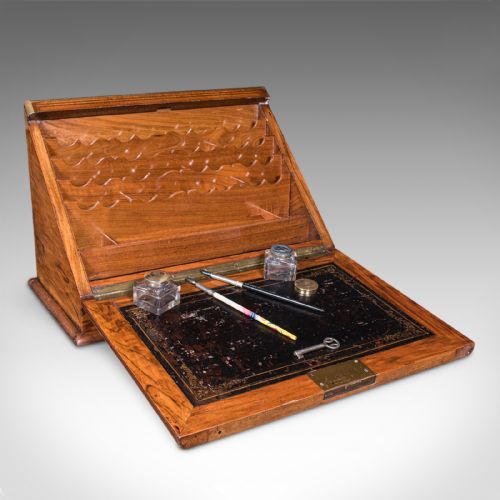
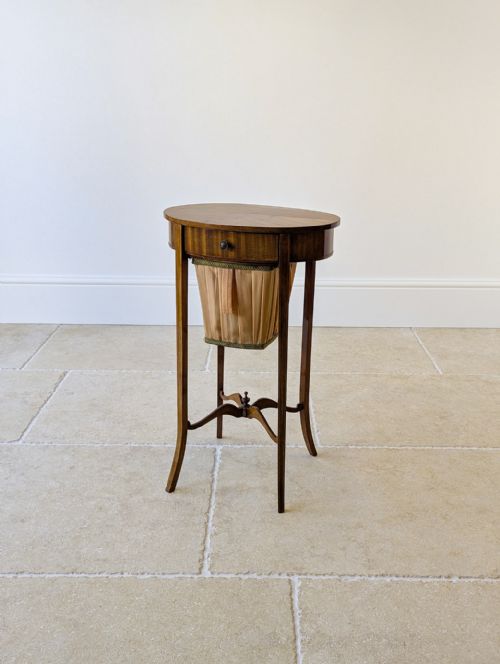
An antique desk companion cabinet brings order to a writing surface through compartments for letters, pens and documents. The pieces on this page span the Victorian and Edwardian eras, alongside Regency and 1930s examples.
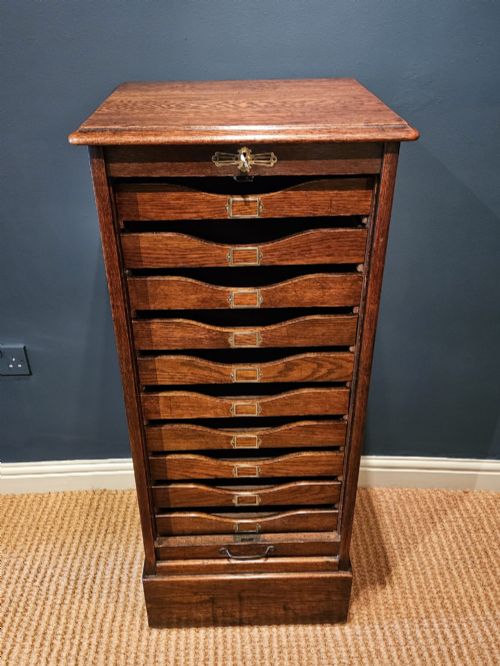
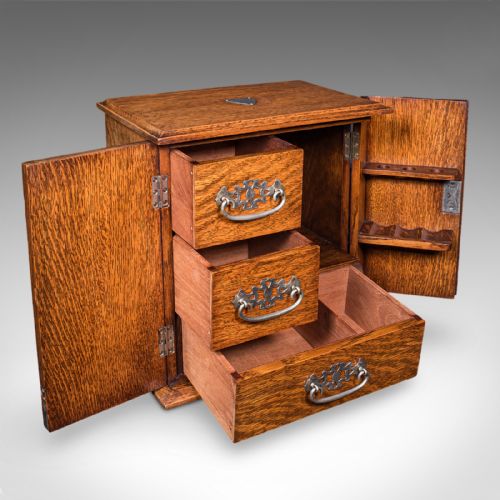
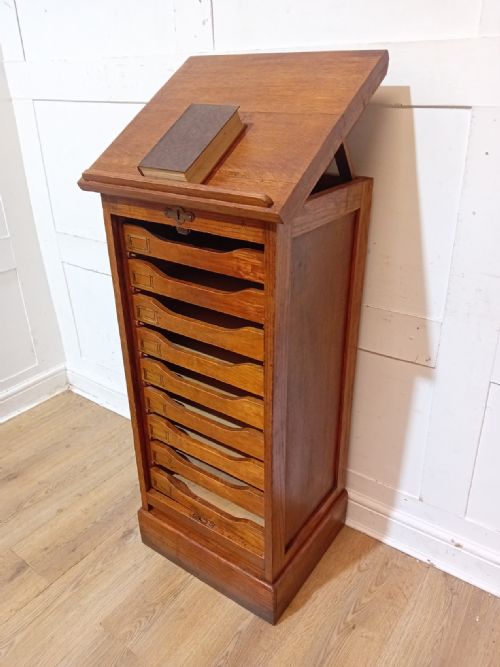
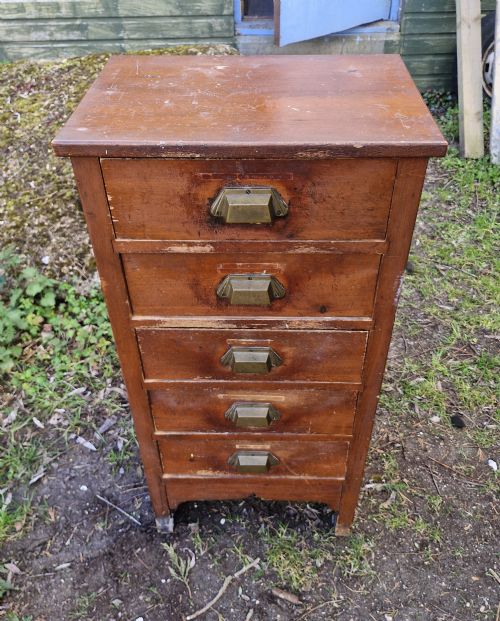
Forms vary from tabletop stationery boxes and letter racks to compact filing cabinets, smoking cabinets and davenport style secretaire desks. Oak and mahogany dominate the selection, often accompanied by brass hardware, glass and leather.
Makers produced these items to suit domestic studies, offices and doctors' rooms. Stylistic influences range from Arts and Crafts and Late Victorian to Industrial Utility and Victorian Gothic.
How they were made
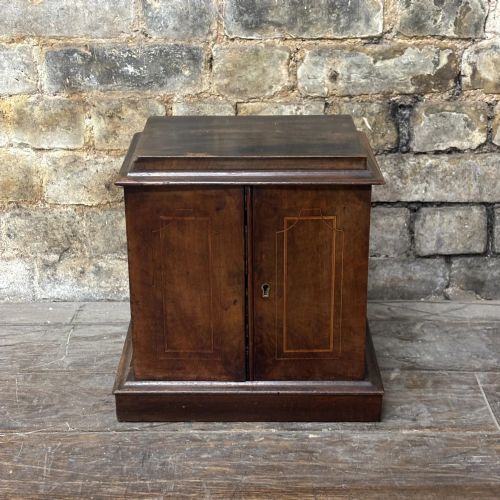
Cabinet makers relied primarily on oak and mahogany to construct the bodies of these pieces, frequently incorporating boxwood stringing and brass mounts or handles. Selected examples utilise walnut, rosewood and steel.
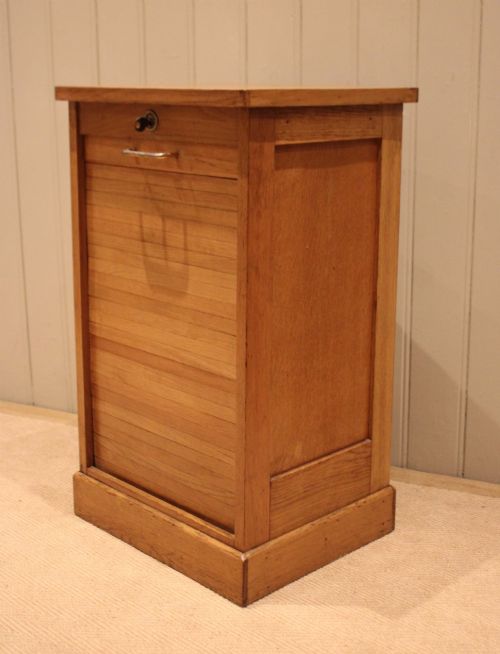
Functional mechanisms define many items, including tambour fronts, drop-front flaps and adjustable date displays. Interiors often house glass ink bottles and compartments lined with leather.
Oak is the most common material seen across these filing cabinets, stationery boxes and writing stations.
What varies in quality
The standard of timber selection and joinery determines the standing of an individual cabinet. Dense oak and figured mahogany demonstrate superior craftsmanship compared to simpler utility alternatives.
The Antique Desk Companion Cabinet Glossary
- Tambour front
- A series of narrow wooden slats glued to a canvas backing, allowing a door to slide smoothly around a curved track.
- Stationery cabinet
- A tabletop box or small cupboard fitted with vertical dividers for paper, envelopes and correspondence.
- Davenport
- A small compact writing desk featuring a sloping top above a bank of drawers.
- Inkstand
- A tray or stand designed to hold inkwells, pens and sometimes a stationery box.
- Boxwood
- A dense, pale wood frequently utilised for fine inlay and stringing on cabinet doors.
Antique Desk Companion Cabinet: Frequently Asked Questions
What is a desk companion cabinet?
A desk companion cabinet is a small tabletop storage piece used for organising letters, stationery and writing instruments. These items sit directly on a desk or table.
They emerged in various forms during the nineteenth and early twentieth centuries to serve domestic and professional writing needs.
How were stationery cabinets used?
Stationery cabinets held writing paper, envelopes, stamps and ink bottles within reach on a desk. The compartments kept writing materials tidy and protected from dust.
Many included drop fronts or doors that opened to reveal fitted pigeonholes and small drawers.
What woods were used for these cabinets?
Oak and mahogany are the predominant timbers found in these pieces. Walnut and rosewood also appear in select examples.
Hardware typically consists of brass handles, locks and hinges, occasionally paired with glass ink bottles.