
Vintage Collector Chest Drawers
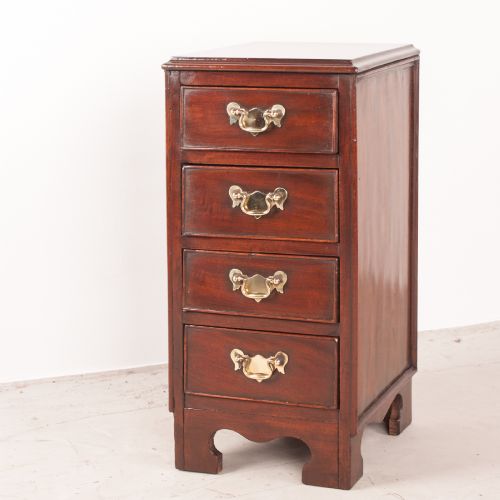
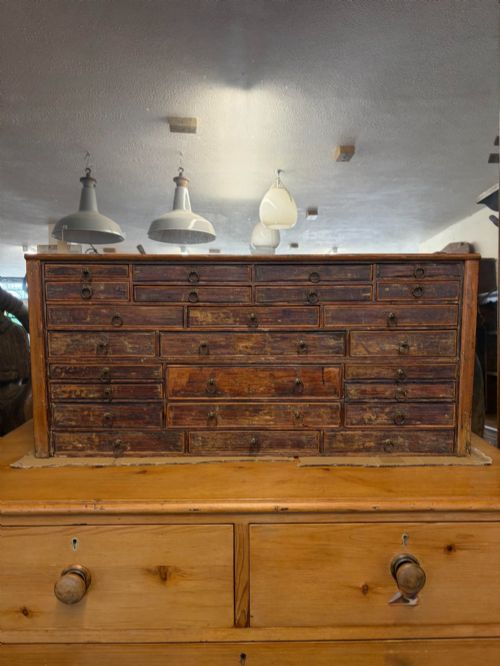
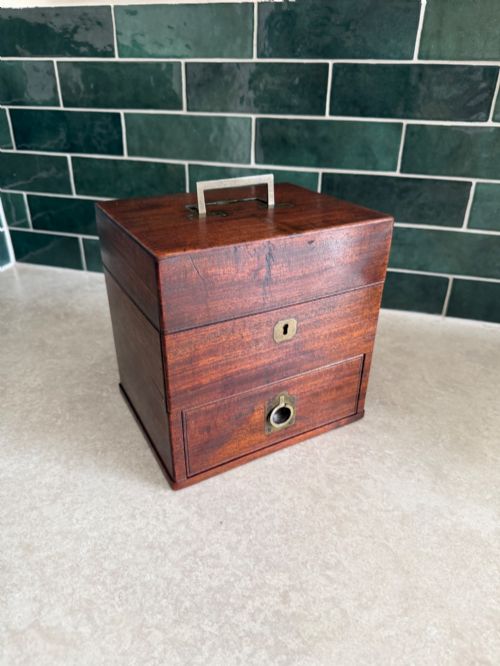
These vintage collector chest drawers offer purposeful storage, ranging from apothecary banks to miniature display pieces.
Vintage Collector Chest Drawers
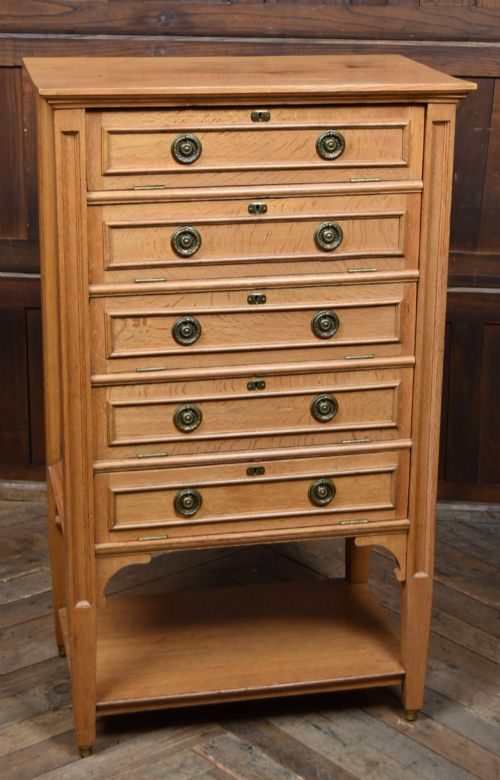
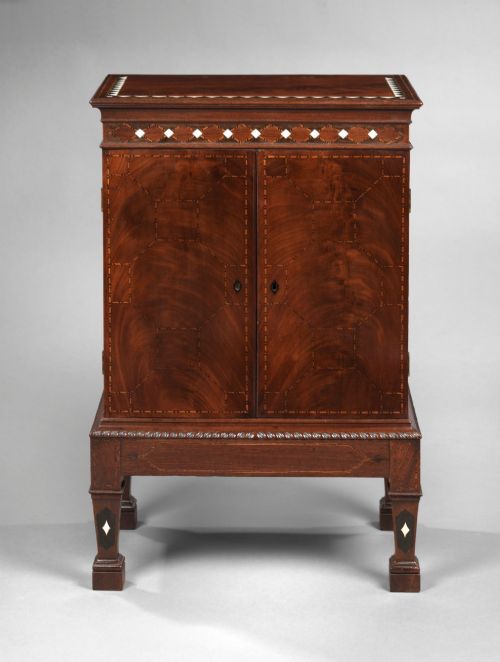
When you search for vintage collector chest drawers, you encounter compact multiple-drawer units designed for specialised storage. These pieces originate from domestic, commercial, and medical settings spanning the nineteenth century through the early twentieth century.
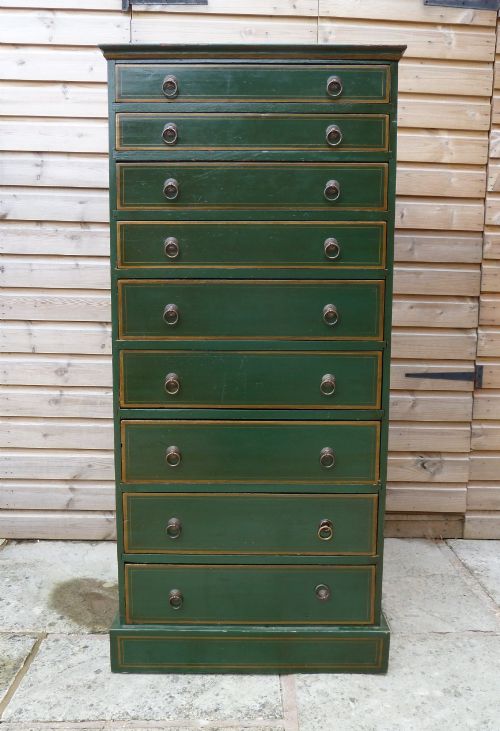
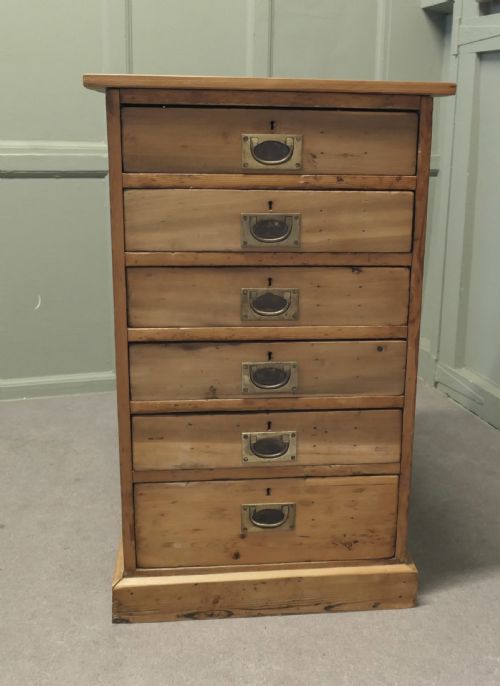
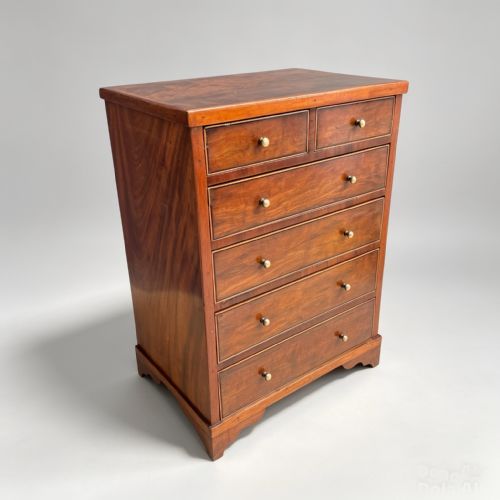
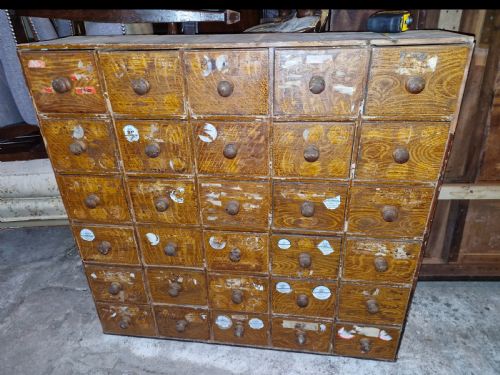
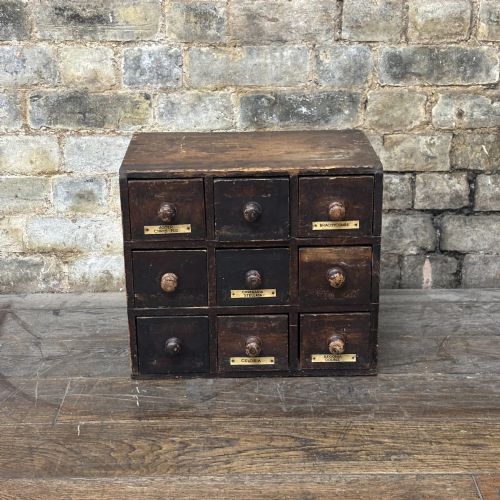
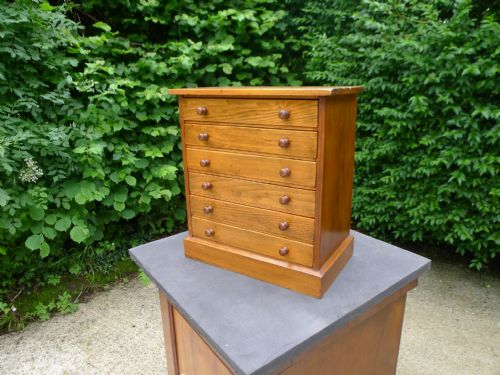
The selection here includes apothecary banks, miniature apprentice chests, filing cabinets, and botanical specimen cabinets. Mahogany, pine, and oak dominate the forms, reflecting periods from the Victorian and Edwardian eras up to the nineteen-twenties.
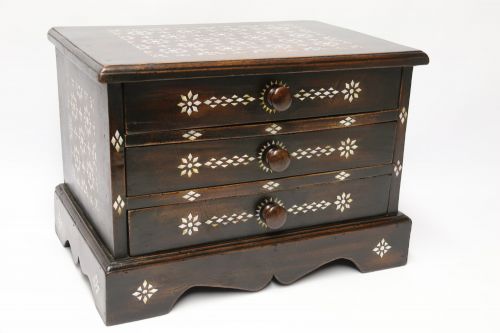
Domestic trinket storage and large office banks represent the primary variations. Smaller tabletop versions appear alongside substantial thirty-drawer workshop fixtures.
Materials and Construction
Cabinet makers utilised dense timbers such as mahogany, oak, and pine to construct these multi-drawer carcasses. Hardwood drawer runners and dovetailed joints provide the structural integrity required for heavy daily use.
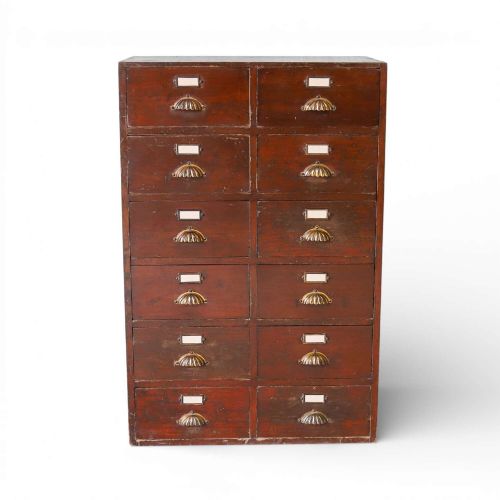
Hardware consists primarily of brass pull handles, shell handles, and iron label holders. Surfaces receive traditional finishes of wax polish, stain, or occasional paint layers depending on the original utility of the piece.
Several units retain their original apothecary labels, naming long-forgotten contents like ginger, rhubarb, and magnesia.
The Measure of Quality
Quality rests in the precision of the drawer construction and the intactness of original hardware. Tight dovetails and smooth-running drawers distinguish superior workshop and apothecary units from simpler utilitarian builds.
The presence of original label holders, glass panels, and specialised brass pulls elevates a piece. Fine timber selection, such as figured mahogany or polished satin walnut, marks the upper tier of cabinet making.
Luxmore's of Ilfracombe·Brady of Edmonton·D Napier and Sons
The Vintage Collector Chest Drawers Glossary
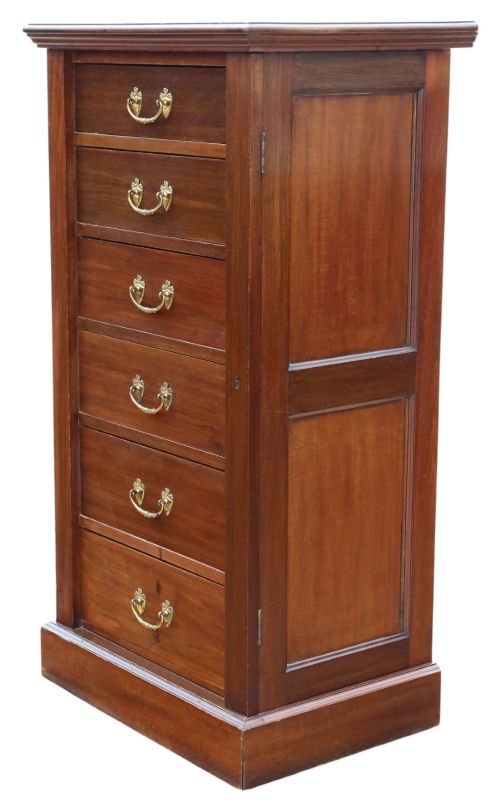
- Wellington chest
- A tall, slender chest of drawers secured by a hinged locking stile on one vertical edge. This locking mechanism holds all drawers shut simultaneously with a single padlock.
- Apothecary chest
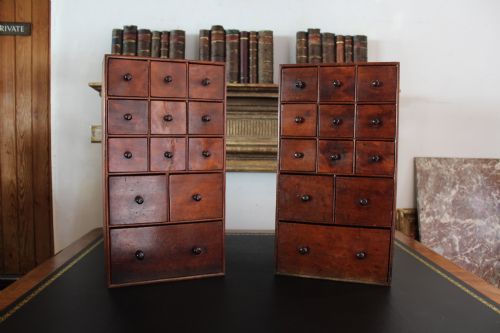
- A multi-drawer cabinet originally used by chemists and pharmacists to store dried herbs, powders, and medical compounds. These units often feature numerous small drawers with original label holders.
- Apprentice piece
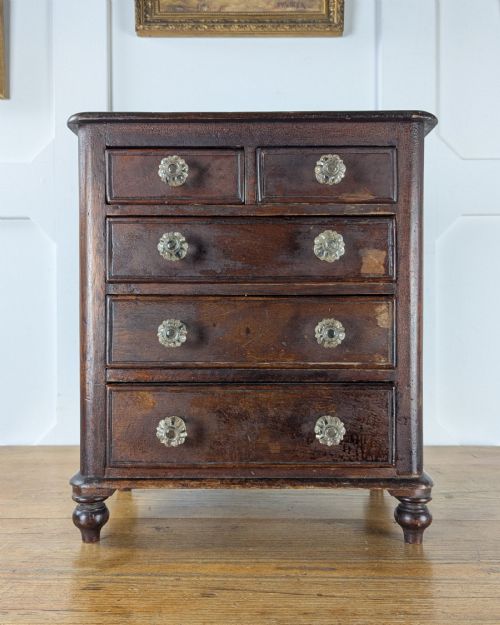
- A miniature furniture item created by a trainee craftsman to demonstrate mastery of joinery techniques. These small chests replicate full-size Georgian or Victorian prototypes in every structural detail.
- Bank of drawers
- A large, multi-drawer storage unit designed for commercial or institutional filing purposes. They frequently appear in pine, oak, or mahogany with numerous shallow compartments.
- Dovetail joint
- An interlocking wood joint formed by fan-shaped tenons and mortises. This traditional construction method provides high tensile strength for drawer corners.
Vintage Collector Chest Drawers: Frequently Asked Questions
What were apothecary chests used for?
Apothecary chests stored medicinal herbs, chemical ingredients, and compounding tools in pharmacies and dispensaries.
Their numerous small drawers kept contents organised and labelled for quick access by the chemist.
Are miniature chests of drawers authentic?
Miniature chests serve as apprentice pieces or high-quality salesman samples from the nineteenth century.
Craftsmen built them with identical joinery and timber choices found in full-scale furniture.
What wood was used for office filing cabinets?
Makers utilised durable hardwoods like oak and mahogany for heavy office filing furniture.
Pine also appears frequently, particularly in painted or stained utility office banks.