

Antique Country Sport Painting
An antique country sport painting brings the field and the stable indoors through nineteenth-century canvases of hounds, horses, and game.
Antique Country Sport Painting
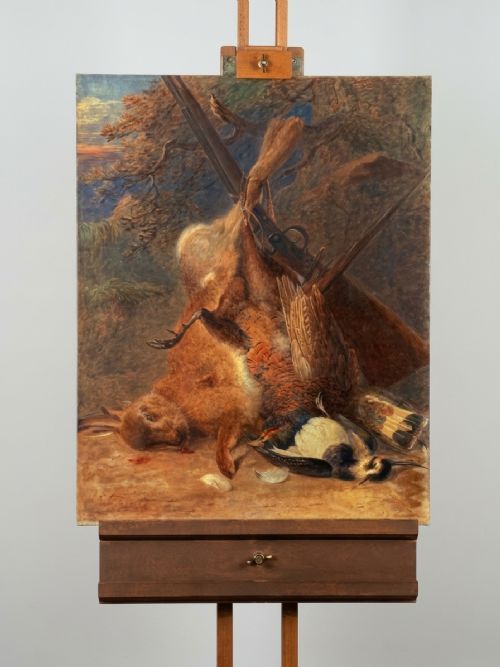
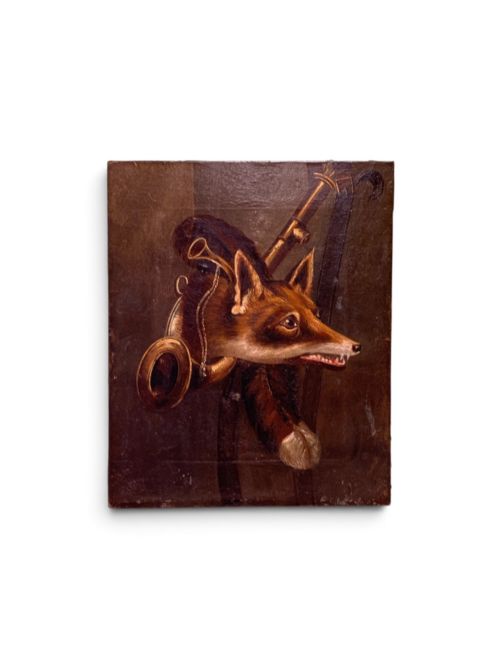
When searching for an antique country sport painting, a buyer encounters oil on canvas and watercolour works depicting rural pursuits, gun dogs, and equestrian scenes. The periods represented span from the Georgian era through the Victorian period and into the early twentieth century.
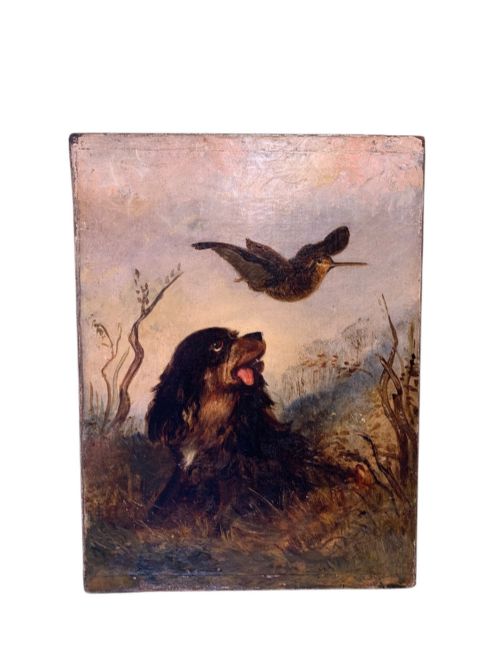
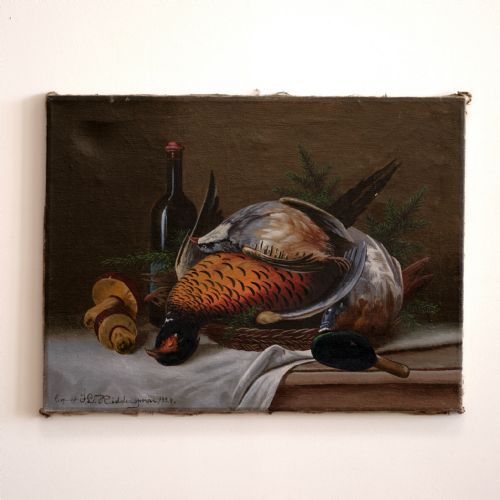
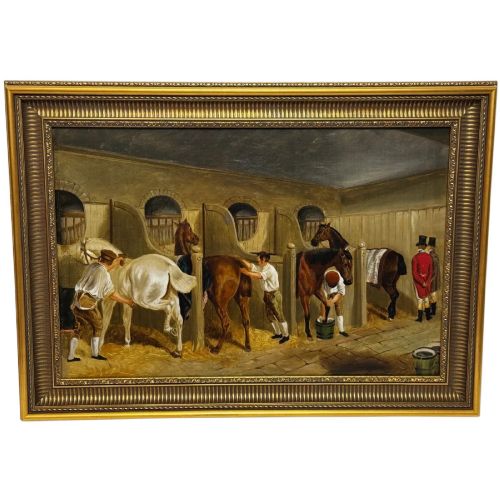
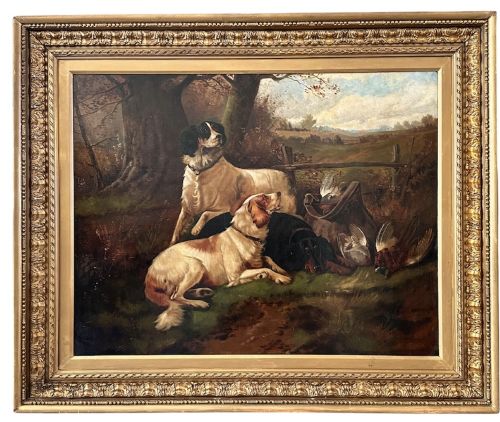
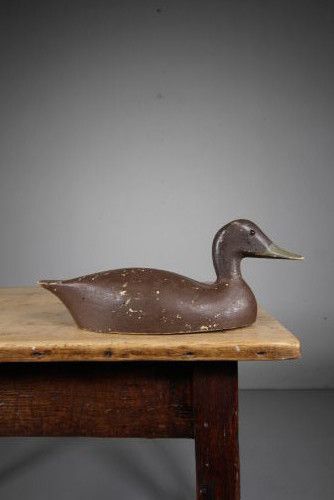
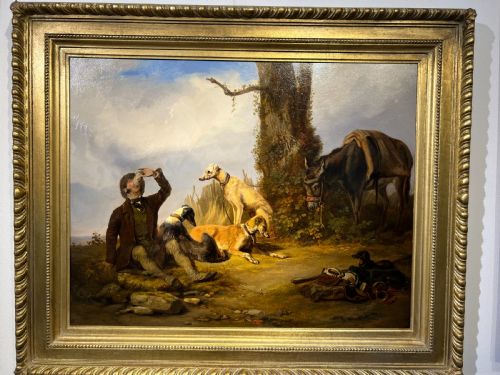
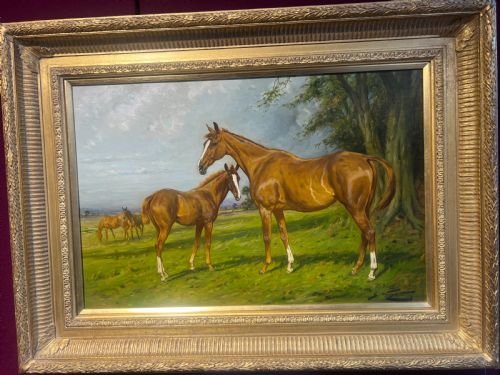
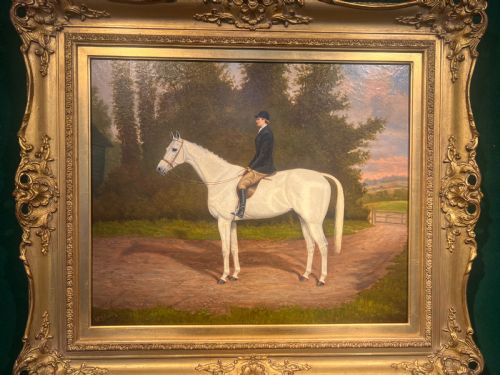
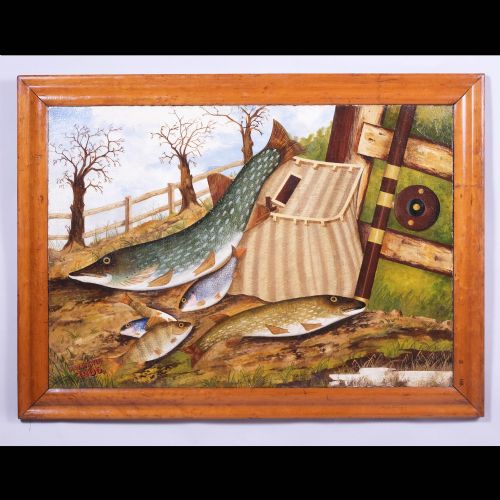
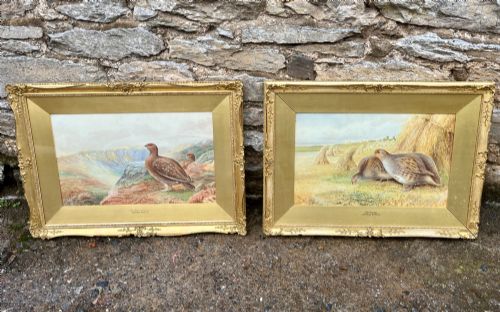
Canvases range from naive animal studies and decoy ducks to detailed portraits of prize horses and hunting packs by named British artists. These works capture the domestic and sporting life of the countryside, focusing heavily on dogs, horses, and game birds in landscape settings.
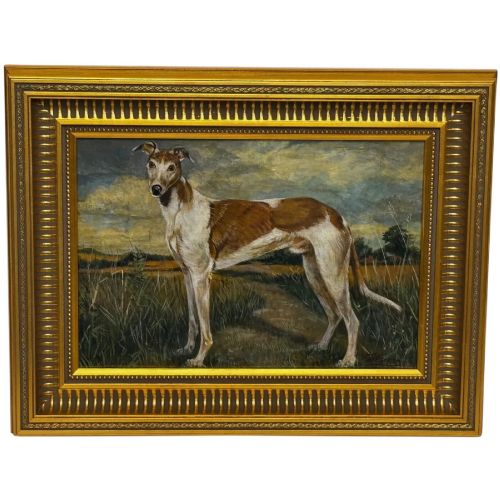
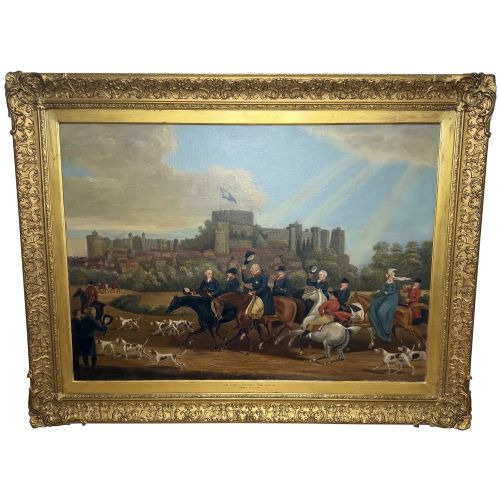
Most pieces date from the nineteenth century, often framed in giltwood, reflecting the Victorian appetite for animal portraiture and field sports. The subjects vary from solitary lurchers and spaniels to large hunting scenes featuring identifiable packs like the Berkeley Hunt.
Materials and methods
Artists painted primarily in oil on canvas or oil on board, building up textures with oil paint to render the coats of dogs and the sheen of horses. Watercolours and bodycolour on paper appear alongside painted prints, particularly for game bird studies.
Frames are constructed from wood, frequently finished with gold leaf or giltwood to complement the dark tones of the nineteenth-century palette. Some decorative objects, such as wooden decoy ducks, utilise carved wood finished with hand-painted details.
Listings feature works from the eighteenth century through the mid twentieth century, executed in oil on canvas, watercolour, and carved wood.
Judging the work
Quality rests in the anatomical accuracy of the animals and the handling of light within the landscape background. Works by documented painters demonstrate a firmer grasp of canine and equine proportions than anonymous naive pieces.
The condition of the original canvas and the retention of the period giltwood frame influence the integrity of the piece. Stronger examples display depth in the treatment of fur, feather, and winter snow without excessive later restoration.
George Sydney Shepherd·Sir Edwin Henry Landseer·George Wright·William Albert Clarke·George Rankin·Thomas Walker Bretland·John Frederick Herring Snr·Benjamin Blake·John Arthur Lomax·Samuel Raven·Philip Henry Rideout·George Armfield·George E Sharpe·Colin Graeme Roe·Valentine Thomas Garland·Samuel Spode·Charles Faulkner·Fannie Moody
The Antique Country Sport Painting Glossary
- Bodycolour
- Watercolour mixed with a white pigment to make it opaque. This technique adds dense highlights to works on paper.
- Giltwood
- Wood carved and covered with gold leaf or gold paint. It provides the traditional reflective border for nineteenth-century oil paintings.
- Lurcher
- A crossbreed dog traditionally used for poaching and hunting. They appear frequently in rural animal portraits.
- Decoy
- A carved and painted wooden object shaped like a duck or dovecote bird. These items served a practical function in the field before entering decorative collections.
Antique Country Sport Painting: Frequently Asked Questions
What subjects appear in these paintings?
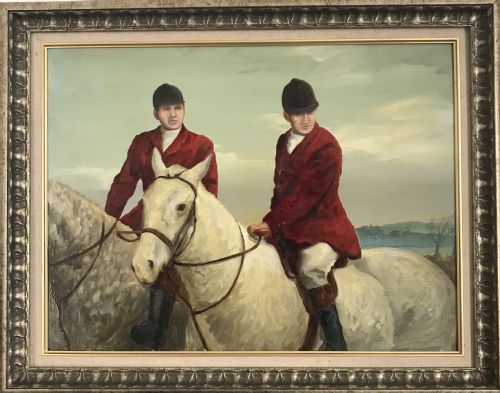
The subjects focus on rural animals and field sports, including gun dogs, fox hounds, racehorses, and game birds. Landscapes and winter hunting scenes also feature prominently.
Artists documented rural life through portraits of specific animals, hunting packs, and country gentlemen in natural settings.
How do I date a sporting painting?
Dating relies on costume, painting technique, stretcher construction, and framing styles associated with the Georgian, Victorian, or Edwardian periods. Signatures and dates inscribed on the canvas or reverse provide direct evidence.
Subject matter and the style of the giltwood frame offer further clues to the decade of creation.
Where were these works hung originally?
Country house libraries, halls, and dining rooms traditionally displayed sporting art to celebrate estate life and prized animals. Owners commissioned portraits of hunters and hounds to record lineage and success in the field.
Today, collectors place them in domestic interiors to maintain a connection to traditional rural aesthetics.
Are these paintings signed by the artist?
Many works bear signatures or initials, while others remain attributed to specific schools or circles based on style and technique. Attribution to artists like Colin Graeme Roe or George Armfield depends on comparative study of brushwork.
Anonymous works from the period are common, particularly naive animal studies.