




Georgian Hunting Painting
A georgian hunting painting captures the kinetic energy and social pageantry of the field, preserved in oil or watercolour for collectors who value sporting heritage.
Georgian Hunting Painting
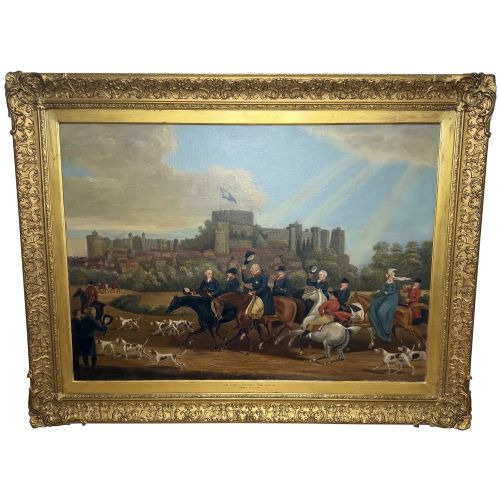
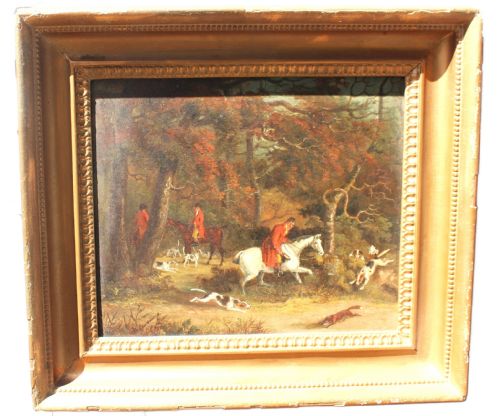
When you search for a georgian hunting painting, you encounter works spanning the eighteenth and nineteenth centuries that record hounds, huntsmen, and country pursuits. These canvases and watercolours range from intimate depictions of hounds and country gentlemen to expansive scenes of the chase.
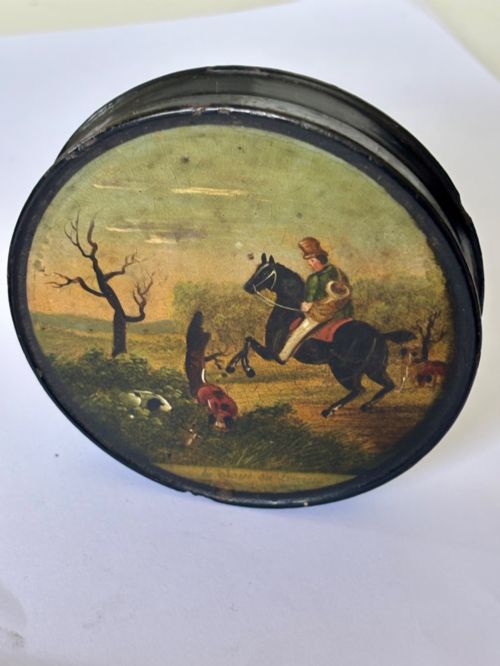
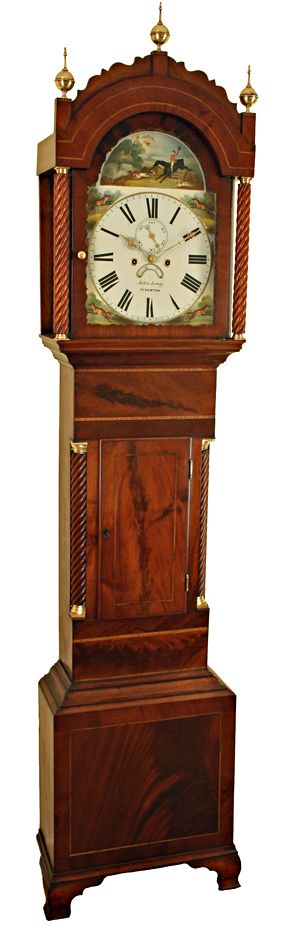
The pieces on this page also encompass related sporting formats, including French papier mache snuff boxes adorned with hunting motifs and framed watercolours. While most examples are oil on canvas or wood, the selection occasionally extends to regional longcase clocks.
Originating predominantly from British and French schools, these works reflect the robust sporting culture of the period. You are most likely to meet oil paintings on canvas depicting hounds and huntsmen, alongside detailed watercolours of sportsmen and their dogs.
How they were made
Artists of this period applied oil paint to prepared canvas or wood panels, building up rich textures to depict horses, hounds, and foliage. Watercolours on paper offer a lighter alternative, capturing fine linear detail in portraits of gentlemen and sporting dogs.
Frames of gilt wood complement the oil paintings, while papier mache serves as a durable base for small decorative items like snuff boxes under glass. These materials reflect traditional studio practices of the eighteenth and nineteenth centuries.
Listings feature works from the eighteenth and nineteenth centuries, executed in oil on canvas, wood, paper, and papier mache.
What varies in quality
The distinction between average and exceptional works lies in the anatomical precision of the animals and the vibrancy of the brushwork. Master painters render the tension in a hound's stride and the atmospheric light of a wooded clearing with conviction.
Compositional balance and the preservation of the original paint surface dictate the standing of a piece. Works attributed to known sporting artists display superior handling of movement and narrative detail compared to anonymous studio output.
Samuel Raven·Thomas Beach·James Ward·Samuel John Egbert Jones·Dean Wolstenholme·James Pollard
The Georgian Hunting Painting Glossary
- Sporting art
- A genre of painting that depicts rural pursuits, including hunting, shooting, and equestrian subjects. These works document the social history and landscape of the countryside.
- Oil on canvas
- A traditional painting medium where pigments suspended in oil are applied to a stretched woven fabric. This technique allows for deep colour saturation and gradual blending.
- Papier mache
- A composite material made from paper pulp reinforced with glue or resin, moulded and dried. It provided a smooth surface for painted miniatures and snuff boxes.
- Gilt wood
- Timber decorated with a thin layer of gold leaf or powder. It is commonly found on the period frames that house traditional oil paintings.
- Watercolour
- A painting method where fine pigments are suspended in a water-based solution on paper. It produces translucent washes of colour well suited to portraiture.
Georgian Hunting Painting: Frequently Asked Questions
What subjects do these paintings feature?
These works depict hounds, huntsmen, country gentlemen, and sporting scenes in various rural settings. They also include portraits of specific animals and coaching winter landscapes.
The focus remains heavily on the tradition of the hunt and the bond between sportsmen and their working dogs.
How do I care for an oil painting?
Keep the canvas away from direct sunlight and fluctuating humidity to prevent the paint from cracking. Dust the surface gently with a soft, dry brush.
Avoid using any moisture or cleaning solutions on the pigment without consulting a professional conservator.
Are watercolours framed differently than oils?
Watercolours on paper require glass protection to shield the delicate pigments from atmospheric pollutants and moisture. Oil paintings on canvas are typically displayed unglazed in heavy wooden frames.
This structural difference protects the paper base from degradation over time.
How can I tell the period of a painting?
Examine the materials of the stretcher, the weave of the canvas, and the style of the clothing worn by the figures. Eighteenth and nineteenth-century works often bear distinct framing techniques and pigment characteristics.
Signatures, attributions, and artist inscriptions also offer key dating evidence.
Can I display these paintings in modern interiors?
Sporting art works well in both traditional studies and contemporary living spaces as a focal point. Their rich earth tones and natural subject matter complement a wide range of interior decors.
Ensure proper wall placement away from heat sources like radiators to protect the canvas.