



Antique Hunting Scene Art
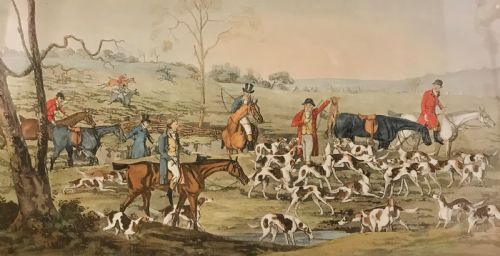
Antique hunting scene art captures the momentum of the field, bringing canvas and paper accounts of hounds, riders and country pursuits into the room.
Antique Hunting Scene Art
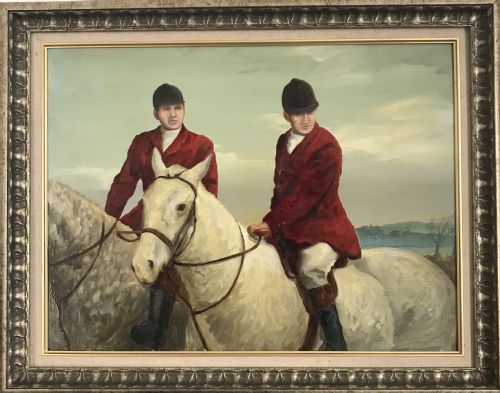
Antique hunting scene art encompasses framed works that record the visual history of equestrian pursuits, field sports and rural animal studies. Buyers searching this phrase look for period depictions of hounds, horses and huntsmen across various traditional formats.
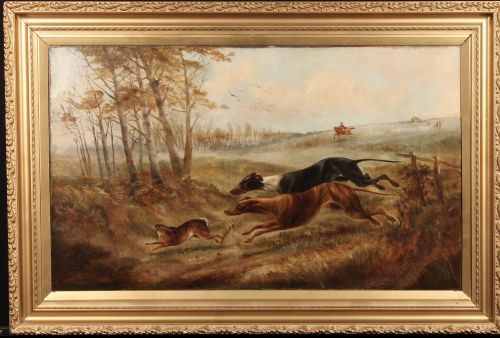
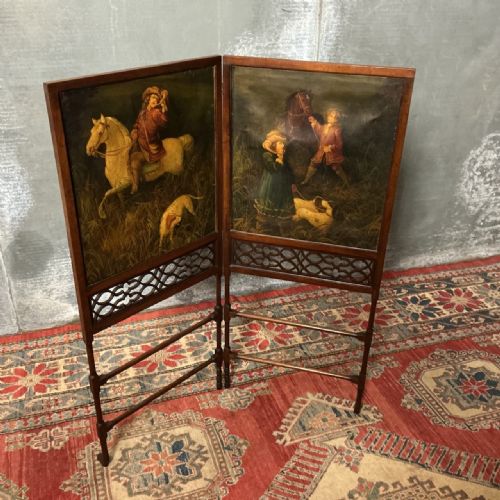
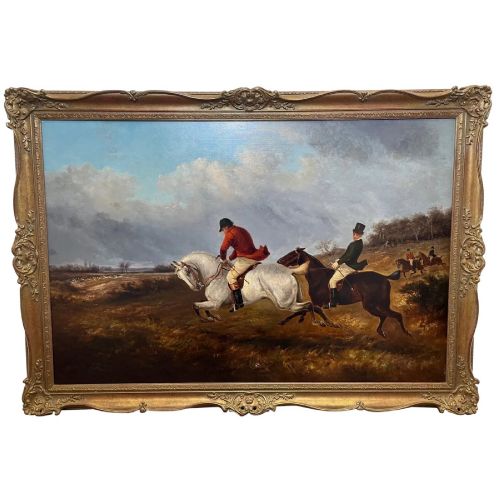
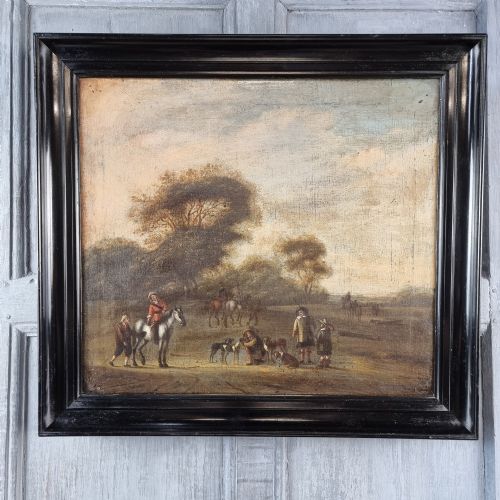
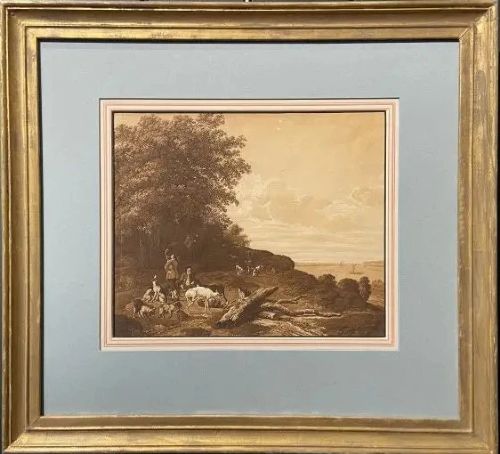
The selections available here lean heavily towards Victorian and Edwardian examples, alongside earlier 17th-century landscapes and mid-19th-century engravings. Oils on canvas dominate the selection, accompanied by watercolours, lithographs and reverse paintings on glass.
How they were made
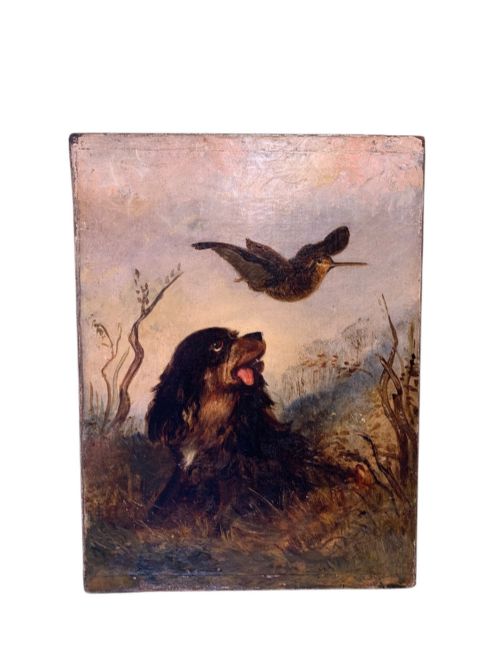
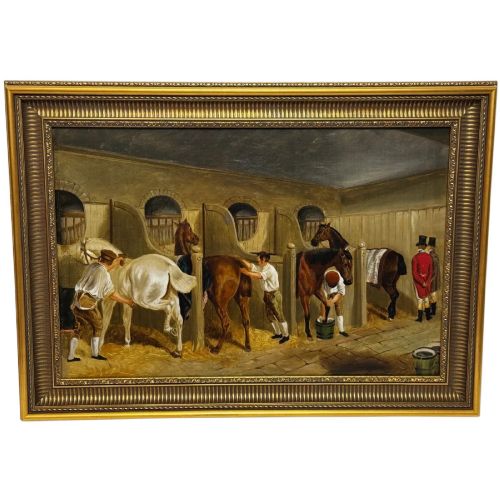
Many of these works utilise oil paint applied to canvas or wood panels, capturing the texture of horses' coats and the landscape through layered brushwork. Watercolour and hand-coloured engravings offer finer, linear detail on paper supports.
Framing is an integral part of the physical object, often employing gilt wood or mahogany frames that reflect the period aesthetic of the artwork within.
Several canvases include remarkably attentive terriers lurking near tavern doors.
What varies in quality
The skill in rendering animal anatomy and human posture separates accomplished equestrian art from standard topographical records. Artists who understand the musculature of horses in gallop and the attentive stance of sporting dogs produce more convincing compositions.
The survival of the original surface condition and the integrity of the period frame influence the overall character of the piece. Works retaining their initial varnish layers and untouched canvas supports hold greater historical coherence.
George Armfield·Thomas Smythe·Edgar Hunt·Philip Henry Rideout·Henri Schouten·John Sanderson Wells
The Antique Hunting Scene Art Glossary
- Lithograph
- A planographic printing method using a stone or metal plate to produce multiple image impressions on paper. These prints often captured popular sporting subjects for wider distribution in the 19th century.
- Giltwood
- Wood that has been coated with a thin layer of gold leaf or gesso powder. This finish appears frequently on the ornate frames enclosing Victorian oil paintings.
- Watercolour
- A paint medium consisting of coloured pigments suspended in a water-soluble vehicle. Artists applied this to paper to create lighter, transparent field sketches and finished rural scenes.
- Equestrian
- Pertaining to horse riding and horses. In this category, it describes artworks focusing on horses, riders, and stable management.
- Canvas
- A heavy woven fabric used as a surface support for oil paintings. It is typically stretched over a wooden frame before the artist begins work.
Antique Hunting Scene Art: Frequently Asked Questions
What periods do these artworks cover?
The inventory spans several centuries, ranging from 17th-century landscapes and Dutch Golden Age influences through Georgian and Regency works.
Later Victorian and Edwardian pieces form a significant portion of the selection, stretching into the early decades of the 20th century.
Are these works painted on canvas?
Many of the primary artworks use oil paint on traditional woven canvas stretched over wooden frames, while others utilise wooden panels or board.
Works on paper, such as watercolours, engravings and lithographs, appear frequently alongside these heavier painted supports.
How should I frame a period artwork?
Period pieces are best housed in frames that match their manufacturing era, such as gilt wood or mahogany settings typical of the 19th century.
Preserving original framing helps maintain the historical context and visual harmony of the artwork.
What subjects appear besides hunting?
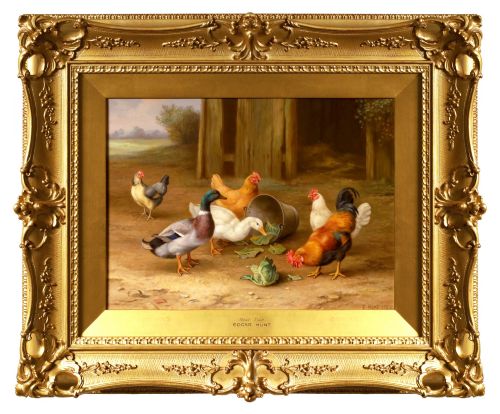
Alongside traditional hunts, the category includes farmyard scenes, coaching stops with stagecoaches and hounds, and individual animal portraits.
Equestrian studies and pastoral landscapes of the English and French countryside also feature prominently.